
The pursuit of a fulfilling and financially rewarding career often leads individuals to explore vocational training, and barbering stands out as a popular and enduring choice. In Texas, aspiring barbers embark on a journey that combines technical skill development with creative artistry. Understanding the duration of barber school is a critical first step for anyone considering this path. This article delves into the intricacies of barber school length in Texas, examining the factors that influence it, the curriculum typically covered, and what graduates can expect upon completion.
Understanding the Requirements for Barber Licensure in Texas
The Texas Department of Licensing and Regulation (TDLR) oversees the licensure of barbers in the state. Their regulations are designed to ensure that all licensed professionals possess the necessary knowledge and skills to practice safely and effectively. The primary requirement for obtaining a barber license in Texas is the completion of a specified number of training hours from a TDLR-approved barber school.

Minimum Training Hours
The TDLR mandates a minimum of 1,000 hours of comprehensive barber training. This rigorous curriculum is designed to equip students with a broad understanding of barbering principles and practices. It is important to note that this is a minimum requirement; some schools may offer slightly longer programs to provide more in-depth training or additional specialized skills. However, any program that seeks TDLR approval must meet or exceed this 1,000-hour benchmark.
Eligibility Criteria
Before enrolling in a barber school, prospective students must meet certain eligibility criteria. Generally, applicants must be at least 17 years old and have a high school diploma or its equivalent (such as a GED). These prerequisites ensure that students have the foundational educational background necessary to succeed in the program and understand the technical concepts taught.
The Role of the TDLR
The Texas Department of Licensing and Regulation plays a vital role in setting and enforcing the standards for barber education. They approve barber schools, inspect facilities, and oversee the examination process for licensure. Their involvement ensures that the training received by students is consistent, high-quality, and prepares them for the demands of the profession. Students are encouraged to verify that any school they consider is indeed TDLR-approved.
Typical Barber School Curriculum in Texas
A comprehensive barber school program in Texas is far more than just learning to cut hair. It encompasses a wide array of theoretical knowledge and practical skills necessary for a successful career. The 1,000-hour curriculum is meticulously structured to cover all essential aspects of barbering.
Theoretical Foundations
A significant portion of barber school is dedicated to theoretical instruction. This includes in-depth learning about:
- Anatomy and Physiology: Understanding the structure of hair, skin, and scalp is crucial for performing services safely and effectively, and for recognizing potential issues.
- Dermatology and Trichology: Students learn about common skin and hair conditions, their causes, and how to address them appropriately, including when to refer a client to a medical professional.
- Sanitation and Sterilization: Adherence to strict hygiene protocols is paramount in the beauty industry. This includes learning about proper cleaning, disinfection, and sterilization techniques for tools and equipment to prevent the spread of infections.
- Chemistry of Hair and Skin Products: Understanding the chemical composition of hair dyes, perms, relaxers, and other products allows barbers to choose the right treatments for their clients and to anticipate potential reactions.
- Client Consultation and Communication: Effective communication is key to client satisfaction. Students learn how to actively listen to client needs, provide recommendations, and manage expectations.
- Business Management and Ethics: Many programs include modules on running a business, marketing, customer service, and professional ethics, preparing students for self-employment or for working in a salon environment.
Practical Skill Development
The hands-on training is where students translate theoretical knowledge into practical abilities. This involves mastering a range of techniques, often starting with practice on mannequins before moving to live models:
- Haircutting Techniques: Students learn various cutting methods, including scissors-over-comb, clipper-over-comb, razoring, and precision cutting for different hair types and styles. This includes classic men’s cuts, fades, tapers, and more contemporary styles.
- Styling and Finishing: This covers techniques for blow-drying, using styling products, and creating various finished looks.
- Shaving and Facial Hair Trimming: Mastering the art of the straight razor shave, beard trims, and mustache shaping is a core competency for barbers. This requires precision and a thorough understanding of skin safety.
- Coloring and Chemical Services: Students learn about hair coloring techniques, including permanent and semi-permanent dyes, highlighting, and corrective coloring. They also receive training in chemical services like perms and relaxers, understanding the application process and safety precautions.
- Scalp and Hair Treatments: This includes learning about different types of scalp massages, conditioning treatments, and hair care regimens.
- Facial Treatments: While not always a primary focus, some programs may include introductory training in basic facial techniques, cleansing, and massage.
Program Structure and Delivery
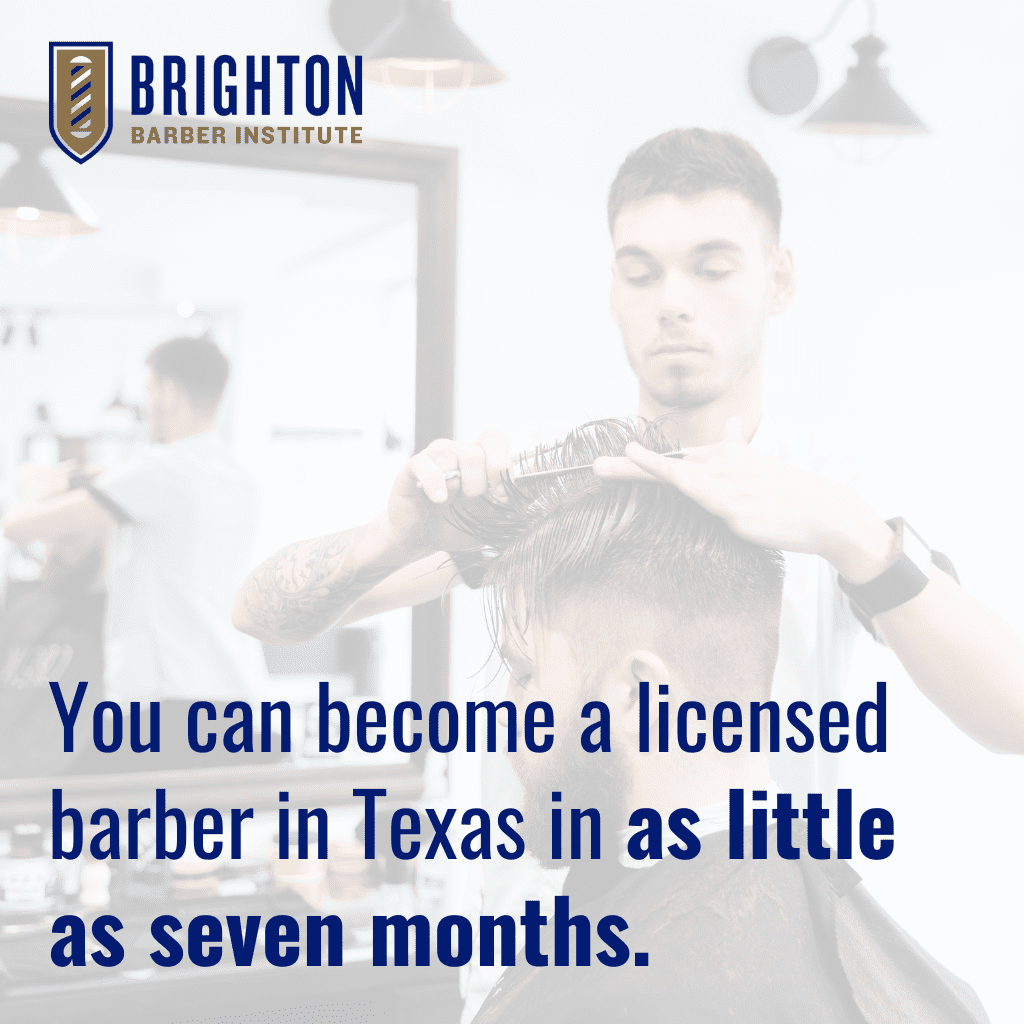
Barber schools in Texas typically offer full-time and sometimes part-time programs. Full-time programs can often be completed within 8 to 12 months, depending on the school’s schedule and the number of hours per week students attend. Part-time programs will naturally take longer to complete due to fewer hours dedicated each week. The curriculum is usually delivered through a combination of classroom lectures, demonstrations, and supervised practical training.
Factors Influencing the Duration of Barber School
While the TDLR sets a minimum of 1,000 hours, the actual time it takes to complete barber school can vary based on several factors. Prospective students should consider these when planning their educational journey.
Program Format and Schedule
- Full-Time Programs: As mentioned, these are the fastest route to licensure, typically spanning less than a year. They require a significant time commitment each week, often 5 days a week, for several hours each day.
- Part-Time Programs: These are designed for students who need to balance education with work or other responsibilities. They extend the completion time, potentially taking 18 months to 2 years or more.
- Accelerated Programs: Some schools might offer accelerated formats that condense the 1,000 hours into a shorter timeframe, often requiring an even more intense daily or weekly schedule.
School-Specific Curricula
While all TDLR-approved schools must meet the 1,000-hour minimum, some may choose to offer slightly more extensive programs. This could involve additional hours dedicated to specialized training, advanced techniques, or business development. These slightly longer programs can provide graduates with a competitive edge.
Student Pace and Performance
Though the program hours are set, a student’s individual pace of learning and skill development can indirectly affect their perception of the duration. Some students may grasp concepts more quickly than others, allowing them to progress through practical modules with greater ease. Conversely, students who require more practice or remedial instruction might find themselves spending more time on certain aspects of the curriculum. However, the core requirement remains the completion of the set hours.
Holidays and School Closures
The total calendar time from start to finish will also be influenced by school holidays, breaks, and any unforeseen closures. While these don’t alter the actual instructional hours required, they do extend the overall period between starting and graduating.
What Happens After Barber School in Texas?
Completing barber school is a significant achievement, but it is only one step on the path to becoming a licensed barber in Texas. The TDLR has a structured process for licensure that includes examinations and application submission.
The State Licensing Examination
Upon successful completion of the 1,000 hours of training, graduates must pass a state licensing examination administered by the TDLR. This examination typically consists of two parts:
- Written Examination: This tests the theoretical knowledge gained during the program, covering topics such as sanitation, anatomy, hair structure, chemical services, and safety procedures.
- Practical Examination: This assesses the student’s ability to perform essential barbering services, such as haircuts, shaves, and possibly chemical applications, under the observation of examiners. The specific tasks required in the practical exam are standardized by the TDLR.
The Licensure Application Process
Once the examinations are passed, candidates must submit a formal application for a barber license to the TDLR. This application typically requires proof of completed training, passing scores on both the written and practical exams, and payment of applicable fees. The TDLR reviews all applications to ensure that all requirements have been met before issuing a license.

Opportunities After Licensure
With a Texas barber license in hand, graduates have a variety of career paths available to them. They can seek employment in established barbershops and salons, working under experienced professionals. Many graduates also aspire to open their own businesses, leveraging the entrepreneurial skills often taught in their programs. The demand for skilled barbers remains strong, offering a stable and potentially lucrative career. Some popular areas for barbers in Texas include bustling cities like Houston, Dallas, San Antonio, and Austin.
In conclusion, barber school in Texas requires a minimum commitment of 1,000 hours of comprehensive training. This structured program equips aspiring barbers with the theoretical knowledge and practical skills necessary to excel in their chosen profession. By understanding the requirements, curriculum, and post-graduation steps, individuals can confidently embark on their journey to becoming licensed and successful barbers in the Lone Star State.
LifeOutOfTheBox is a participant in the Amazon Services LLC Associates Program, an affiliate advertising program designed to provide a means for sites to earn advertising fees by advertising and linking to Amazon.com. Amazon, the Amazon logo, AmazonSupply, and the AmazonSupply logo are trademarks of Amazon.com, Inc. or its affiliates. As an Amazon Associate we earn affiliate commissions from qualifying purchases.