
Texas, a state renowned for its vast landscapes, rich history, and dynamic economy, is also a significant hub for air travel. The sheer size of the Lone Star State necessitates a robust network of airports to connect its burgeoning cities, facilitate business, and welcome travelers from across the globe. Understanding the scope of air transportation in Texas requires a comprehensive look at the various types of airports, their roles, and their significance within the broader context of U.S. aviation.
The Scale of Texas Aviation
The number of airports in Texas is substantial, reflecting the state’s population, economic activity, and geographic diversity. While precise figures can fluctuate due to new constructions or closures, the generally accepted number places Texas among the top states for airport density in the United States. This extensive network ranges from major international gateways serving millions of passengers annually to smaller, general aviation fields catering to private pilots and local communities.
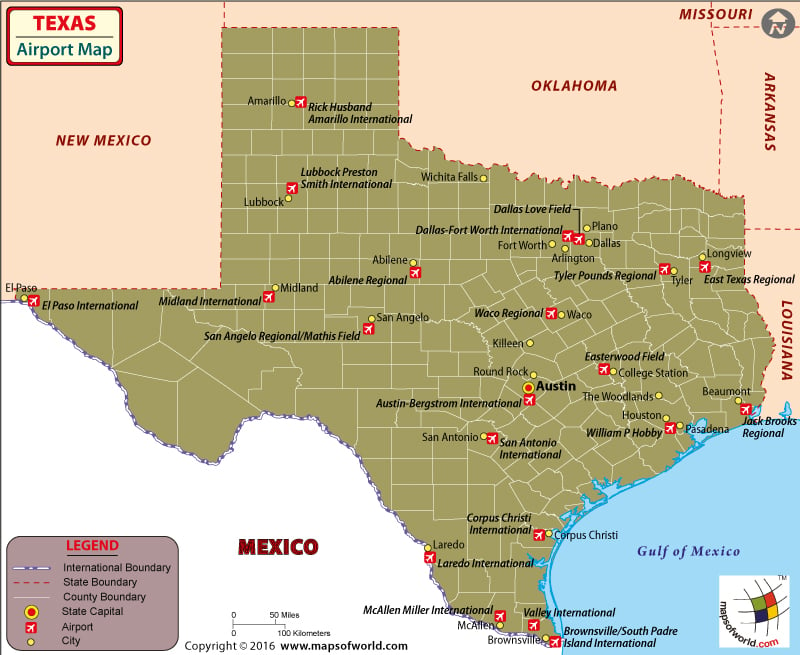
Major International Airports
Texas is home to several world-class international airports that serve as critical entry and exit points for both domestic and international travelers. These facilities are not merely transportation hubs but also engines of economic growth, supporting local economies through job creation and facilitating global commerce.
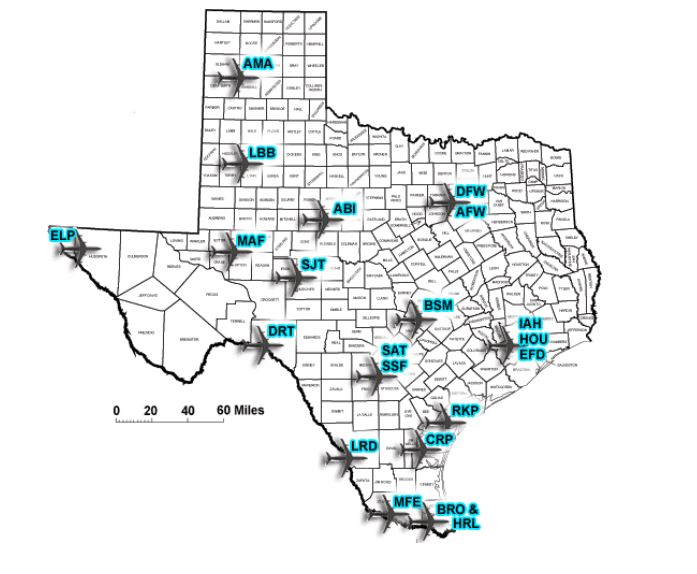
- Dallas/Fort Worth International Airport (DFW): As one of the busiest airports in the world, DFW is a primary hub for American Airlines. Its vast infrastructure supports a staggering volume of passenger and cargo traffic, connecting North Texas to virtually every major city on Earth.
- George Bush Intercontinental Airport (IAH) in Houston: Serving the sprawling metropolis of Houston, IAH is another major international gateway. It is a significant hub for United Airlines and handles a substantial flow of international and domestic flights, playing a vital role in the region’s energy and aerospace industries.
- Austin-Bergstrom International Airport (AUS): Located in the vibrant capital city of Austin, AUS has experienced rapid growth, mirroring the city’s boom. It serves as a crucial gateway to the popular Texas Hill Country and is increasingly an international destination in its own right.
- San Antonio International Airport (SAT): While smaller than DFW or IAH, SAT is a significant airport for South Texas, connecting the historic city of San Antonio to numerous domestic and some international destinations.
- William P. Hobby Airport (HOU) in Houston: Primarily serving as a hub for Southwest Airlines, HOU offers a more localized flight network for passengers traveling within North America.
Regional and Municipal Airports
Beyond the major international gateways, Texas hosts a multitude of regional and municipal airports. These facilities are essential for connecting smaller cities and towns, supporting local economies, and providing access to areas not served by larger airports. They often accommodate commercial flights from smaller airlines, as well as a significant amount of general aviation activity.
- Midland International Air & Space Port (MAF): Unique in its designation, MAF serves the oil-rich Permian Basin and is also home to commercial spaceflight operations, highlighting Texas’s innovative spirit.
- Rick Husband Amarillo International Airport (AMA): Located in the Texas Panhandle, AMA is a vital link for the northern regions of the state, supporting agriculture and industry.
- Abilene Regional Airport (ABI): Serving the Big Country region, ABI provides essential air connectivity for this part of Texas.
- Waco Regional Airport (ACT): The airport for the city of Waco, ACT offers commercial flights that are crucial for local businesses and residents.
- College Station (CLL): Home to Texas A&M University, College Station has an airport that serves students, faculty, and the wider Brazos Valley region.
General Aviation Airports and Airfields
A significant portion of Texas airports fall under the umbrella of general aviation (GA). These airports are the backbone of private flying, flight training, aerial surveying, emergency medical services, and recreational aviation. They are often characterized by smaller runways, less complex air traffic control, and a more relaxed atmosphere.
- Private Airfields: Numerous private airfields exist throughout Texas, often owned and operated by individuals, corporations, or flight schools. These cater to a variety of needs, from personal aircraft storage to specialized training programs.
- Seaplane Bases: While less common, a few seaplane bases are located on Texas’s lakes and coastal areas, serving a niche community of floatplane pilots.
- Heliports: The extensive use of helicopters in industries like oil and gas, emergency services, and law enforcement means Texas also boasts a number of dedicated heliports, often located within urban areas or at industrial sites.
The Role of Airports in Texas Tourism
Airports are the initial touchpoint for many visitors arriving in Texas. Their efficiency, connectivity, and the passenger experience they offer significantly influence the perception of the state as a travel destination. Major international airports provide the first impression, while regional airports can open up access to more remote attractions.
Gateway to Iconic Destinations
Texas’s diverse attractions, from the historic Alamo in San Antonio to the vibrant music scene in Austin, are made accessible by its airport network. Travelers flying into DFW or IAH can easily connect to smaller airports that serve as gateways to regions like the Texas Hill Country for wine tours and scenic drives, or the Gulf Coast for beach resorts and fishing.
Facilitating Business and Leisure Travel
The robust air infrastructure supports both the economic drivers of Texas and its growing tourism sector. Business travelers rely on efficient connections to conduct commerce in major cities like Dallas, Houston, and Austin. Simultaneously, leisure travelers are drawn to the state’s unique culture, historical sites, and natural beauty, with airports providing the crucial first step in their journeys.
Navigating Texas Airports: Tips for Travelers
Understanding the Texas airport landscape can enhance the travel experience. While major airports offer extensive amenities, smaller regional airports may have more limited services.
Choosing the Right Airport
When planning a trip to Texas, consider which airport offers the most convenient access to your final destination. For example, if your primary focus is Central Texas, flying into Austin (AUS) or perhaps Waco (ACT) might be more practical than landing at DFW. Likewise, for those heading to West Texas, airports like Midland (MAF) or Amarillo (AMA) are key entry points.
Understanding Airport Services
Major airports like DFW and IAH boast a wide array of services, including numerous dining options, extensive retail, lounges, and efficient ground transportation. Smaller airports might have fewer amenities but often provide a quicker, more streamlined passenger experience. It’s always advisable to check the specific airport’s website for current information on services, parking, and transportation options before your trip.
The Future of Texas Aviation
Texas’s population and economy continue to grow, placing increasing demands on its aviation infrastructure. Future developments will likely focus on expanding capacity at existing major airports, enhancing regional connectivity, and potentially embracing new technologies like electric or autonomous aircraft. The state’s commitment to innovation, evident in initiatives at places like the Midland International Air & Space Port, suggests that Texas will remain at the forefront of aviation in the United States. The number of airports in Texas is not static; it represents a dynamic system that continuously adapts to meet the evolving needs of its residents and visitors, solidifying its position as a vital hub for air travel.
LifeOutOfTheBox is a participant in the Amazon Services LLC Associates Program, an affiliate advertising program designed to provide a means for sites to earn advertising fees by advertising and linking to Amazon.com. Amazon, the Amazon logo, AmazonSupply, and the AmazonSupply logo are trademarks of Amazon.com, Inc. or its affiliates. As an Amazon Associate we earn affiliate commissions from qualifying purchases.