
Understanding the Current Measles Landscape in the Lone Star State
Measles, a highly contagious viral illness, remains a significant public health concern globally and within the United States. For residents and visitors of Texas, understanding the current prevalence of measles cases is crucial for informed decision-making, particularly concerning travel plans and participation in local activities. While official statistics are meticulously tracked by public health organizations, outbreaks can occur, necessitating a vigilant approach to vaccination and awareness. This exploration delves into the reporting mechanisms, historical trends, and the implications of measles cases for the vibrant tourism and lifestyle sectors of Texas.

The Importance of Accurate Case Reporting
The Centers for Disease Control and Prevention (CDC) and state health departments, such as the Texas Department of State Health Services, are the primary sources for official measles case data. These agencies rely on a robust surveillance system where healthcare providers and laboratories report suspected and confirmed cases. This reporting is vital for several reasons:
- Public Health Response: Accurate data allows health officials to quickly identify potential outbreaks, implement containment strategies, and allocate resources effectively. This includes contact tracing, vaccination campaigns, and public advisories.
- Vaccination Policy: Understanding the epidemiology of measles informs public health policies related to vaccination schedules and requirements. The high efficacy of the measles, mumps, and rubella (MMR) vaccine is the cornerstone of preventing widespread outbreaks.
- Travel Advisories: For travelers planning to visit or depart from Texas, knowing the measles situation can influence their decisions, especially if traveling to or from areas experiencing outbreaks.
The reporting process typically involves confirming a diagnosis through laboratory testing. Once a case is confirmed, it is then reported to the relevant local and state health departments, which in turn report to the CDC. This centralized reporting ensures a comprehensive picture of the disease’s presence across the nation.
Historical Trends and Recent Activity in Texas
While Texas has historically seen periods of low measles incidence due to successful vaccination programs, the state, like many others in the US, has experienced occasional resurgences. These outbreaks are often linked to a decline in vaccination rates in specific communities, leading to a decrease in herd immunity.
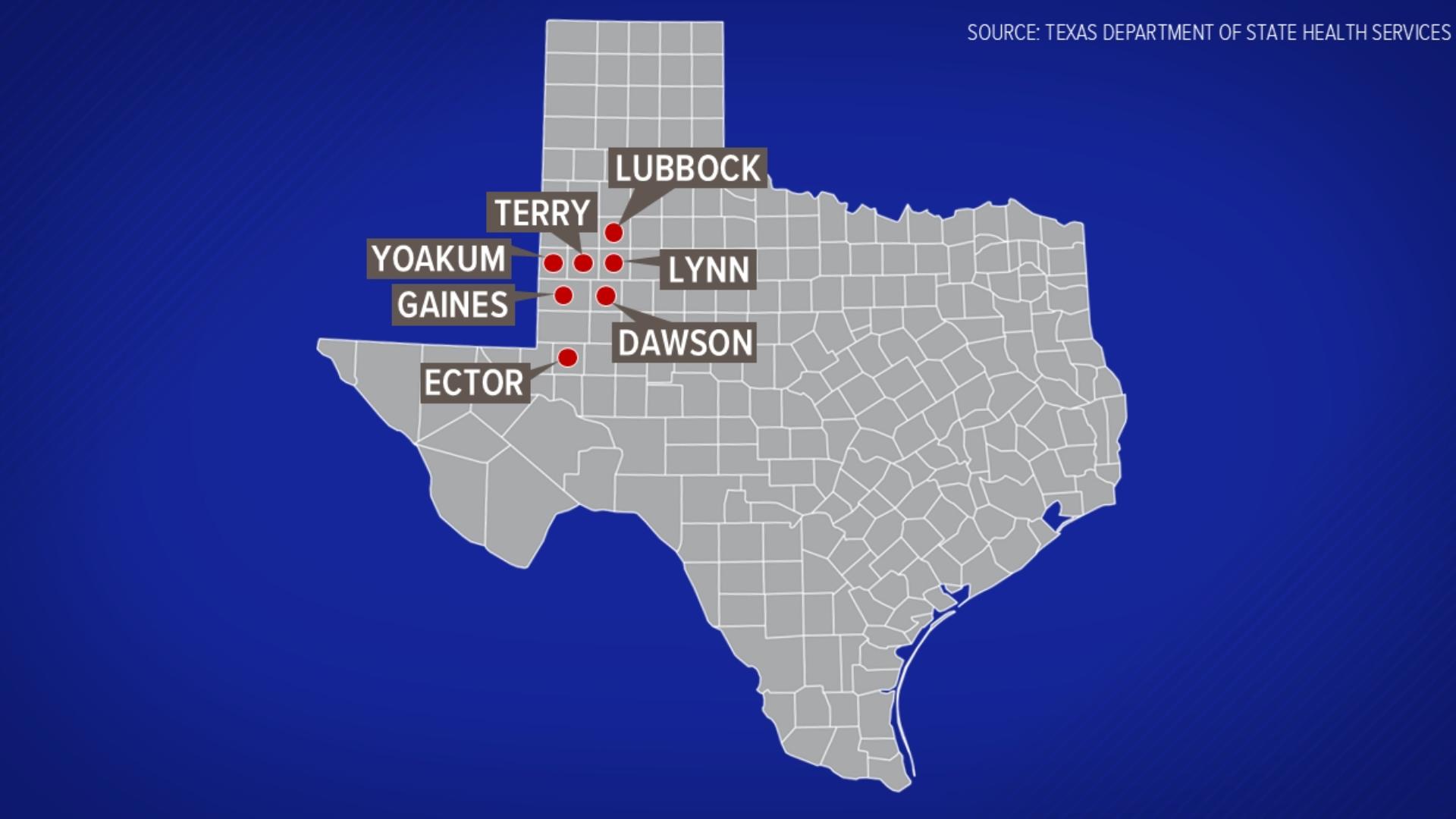
In recent years, the US has seen an increase in measles cases compared to historical lows, with Texas mirroring this trend in varying degrees. These cases are often imported from other countries where measles is endemic and then spread within unvaccinated or under-vaccinated populations. Understanding the specific number of cases in Texas requires consulting the latest reports from the Texas Department of State Health Services and the CDC. These reports are typically updated periodically, reflecting confirmed cases within a given timeframe.
It is important to note that the number of reported cases can fluctuate. A single case can trigger intensified surveillance and public health responses to prevent further transmission. The goal is always to maintain measles elimination status, which is defined as the absence of continuous, endemic transmission of the virus for more than 12 months.
Implications for Travel and Local Experiences
The presence of measles, even in isolated cases, can have tangible effects on Texas’s dynamic tourism and lifestyle sectors.
Travel Planning to and within Texas
For individuals planning trips to popular destinations within Texas, such as San Antonio, Houston, or Dallas, staying informed about local health advisories is prudent.
- International Travelers: Those arriving from countries with ongoing measles outbreaks are at a higher risk of introducing the virus. Visitors should ensure they are up-to-date on their MMR vaccinations before traveling.
- Domestic Travelers: Even within the US, travel between states can facilitate the spread of the virus. Travelers should consult health advisories for their intended destinations.
- Vaccination Status: Individuals who are unsure of their vaccination status or who have not received the MMR vaccine are strongly encouraged to consult with a healthcare provider before traveling. This is particularly relevant for those planning family trips or visiting crowded attractions.
Experiencing Texas Culture and Attractions
Texas boasts a rich tapestry of cultural experiences, from the historic missions of San Antonio to the bustling culinary scene in Austin and the vast natural beauty of the Big Bend National Park. The presence of measles can necessitate adjustments to how these experiences are enjoyed.
- Public Gatherings and Events: Large festivals, concerts, and sporting events, which are commonplace in Texas, can present a higher risk of transmission if measles is circulating. Public health officials may issue recommendations or advisories for attendees, particularly for vulnerable populations.
- Family-Friendly Destinations: Theme parks, museums, and other attractions popular with families are also venues where vigilance is key. Parents should ensure their children are appropriately vaccinated.
- Accommodation and Amenities: While hotels like the Hotel ZaZa Houston or resorts such as The Ritz-Carlton, Dallas generally maintain high hygiene standards, a heightened awareness of public health is always beneficial for guests. Travelers should be reassured that the hospitality industry, while not a direct focus of public health interventions for disease control, benefits from an informed and healthy clientele.

Maintaining Health and Safety While Exploring Texas
The most effective way to combat measles and ensure the enjoyment of all that Texas has to offer is through consistent vaccination. The MMR vaccine is safe and highly effective, providing long-lasting protection against measles.
- Childhood Immunization: The CDC recommends two doses of the MMR vaccine for children, typically given at 12-15 months and 4-6 years of age.
- Adult Vaccination: Adults born after 1956 who do not have evidence of immunity should receive at least one dose of the MMR vaccine. This includes pregnant women who are not immune, who should receive the vaccine after giving birth.
- Healthcare Provider Consultation: Anyone with questions about their vaccination status or the MMR vaccine should consult their doctor or a local health clinic.
In summary, while official figures on the number of measles cases in Texas are dynamic and best obtained from authoritative public health sources, the underlying principles of prevention and awareness remain constant. By staying informed and prioritizing vaccination, residents and visitors can continue to safely explore the diverse attractions and vibrant lifestyle opportunities that make Texas a unique destination. The proactive approach of public health agencies, coupled with individual responsibility, ensures that the threat of measles is managed effectively, allowing the spirit of exploration and enjoyment to thrive across the Lone Star State.
LifeOutOfTheBox is a participant in the Amazon Services LLC Associates Program, an affiliate advertising program designed to provide a means for sites to earn advertising fees by advertising and linking to Amazon.com. Amazon, the Amazon logo, AmazonSupply, and the AmazonSupply logo are trademarks of Amazon.com, Inc. or its affiliates. As an Amazon Associate we earn affiliate commissions from qualifying purchases.