
The vast landscape of Texas is not only defined by its sprawling ranches and vibrant cities but also by its extensive network of higher education institutions. For prospective students, their families, educators, and even curious travelers planning a visit to a college town, understanding the sheer volume and diversity of Texas colleges is a crucial first step. This state, renowned for its independent spirit and significant economic influence, also boasts a robust educational infrastructure that caters to a wide array of academic pursuits and career aspirations.
A Comprehensive Overview of Texas Higher Education
Texas is home to a remarkable number of colleges and universities, ranging from large public research institutions to smaller private liberal arts colleges and specialized technical schools. The exact number can fluctuate slightly depending on how one categorizes institutions (e.g., including satellite campuses, specific vocational schools, or graduate-only facilities), but generally, the figure stands well into the hundreds. This sheer density of educational opportunities makes Texas a significant player in the national higher education scene.
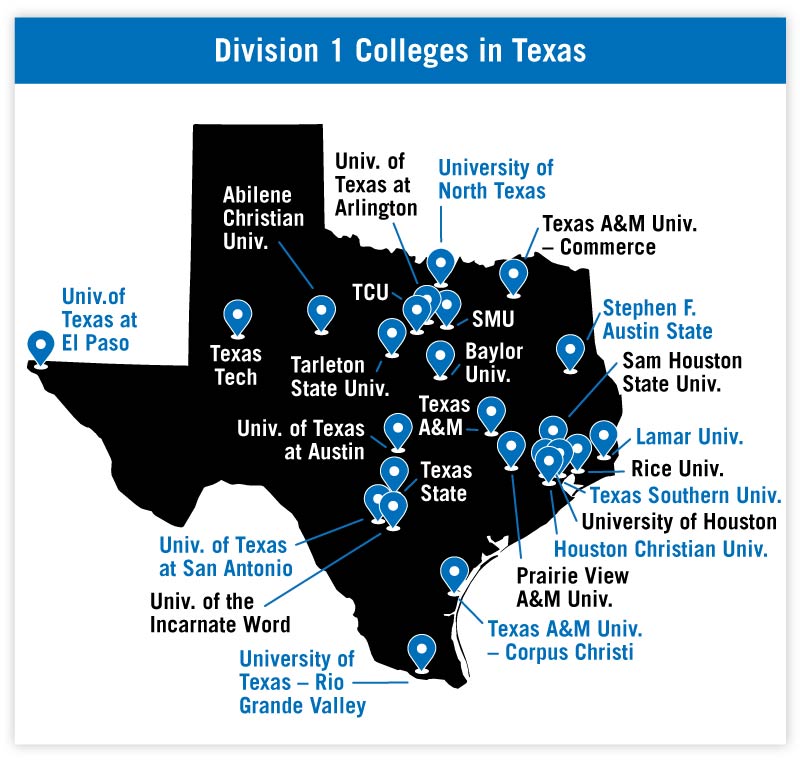
Public Universities: The Backbone of Higher Education
The public university system in Texas is a cornerstone of its educational landscape. These institutions are typically funded by the state and are characterized by their large student bodies, extensive research facilities, and diverse program offerings. They often serve as major economic engines for their respective regions, attracting talent and fostering innovation.
- The University of Texas System: This is one of the largest university systems in the United States, encompassing multiple major research universities and health institutions. Campuses like The University of Texas at Austin, The University of Texas at San Antonio, and The University of Texas Southwestern Medical Center are prominent examples, each with its own unique strengths and focus areas.
- The Texas A&M University System: Another massive and influential system, the Texas A&M system is known for its strong emphasis on engineering, agriculture, and veterinary medicine. Texas A&M University in College Station is the flagship campus and a hub of research and academic excellence. Other key institutions include Texas A&M Health Science Center and Prairie View A&M University.
- Other State Universities: Beyond these two major systems, Texas also operates other state universities, such as University of Houston, University of North Texas, and Texas Tech University, each contributing to the educational fabric of the state.
Private Institutions: Diversity in Mission and Scale
Alongside its extensive public university network, Texas hosts a significant number of private colleges and universities. These institutions are independently operated and funded through tuition, endowments, and donations. They often offer smaller class sizes, a more personalized academic experience, and may have a specific religious affiliation or a distinct educational philosophy.
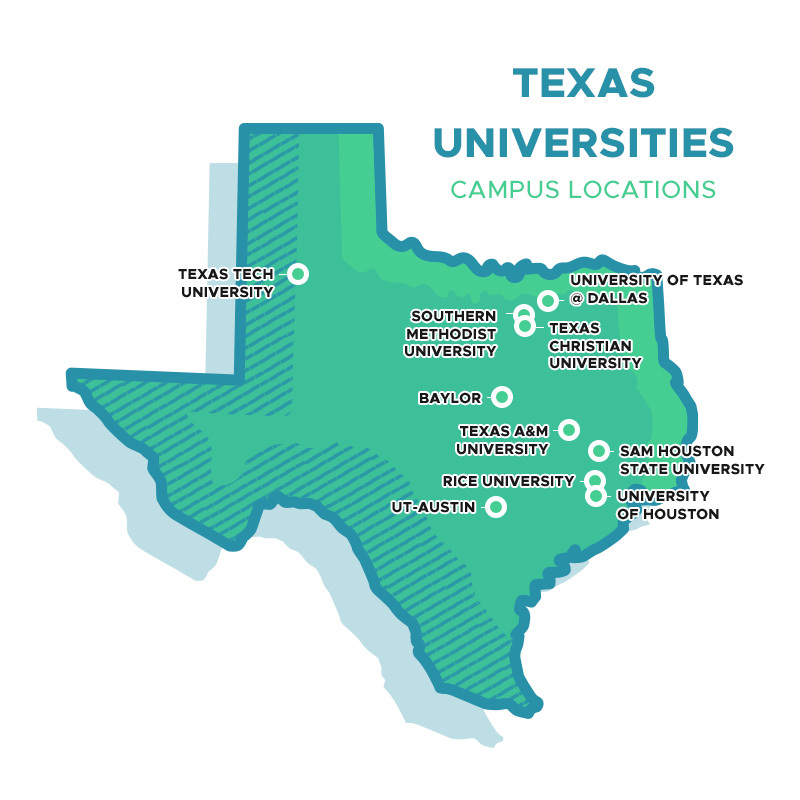
- Large Private Universities: Institutions like Baylor University in Waco and Southern Methodist University in Dallas are well-established private universities with strong academic programs and a considerable campus presence.
- Liberal Arts Colleges: Texas is home to several highly regarded liberal arts colleges that focus on undergraduate education and a broad curriculum. Examples include Trinity University in San Antonio and Austin College in Sherman.
- Specialized and Religious Institutions: Many private colleges in Texas have unique missions, such as the religious affiliations of schools like Howard Payne University or specialized programs offered by institutions like The Culinary Institute of America – San Antonio.
Community Colleges: Accessible Pathways to Education
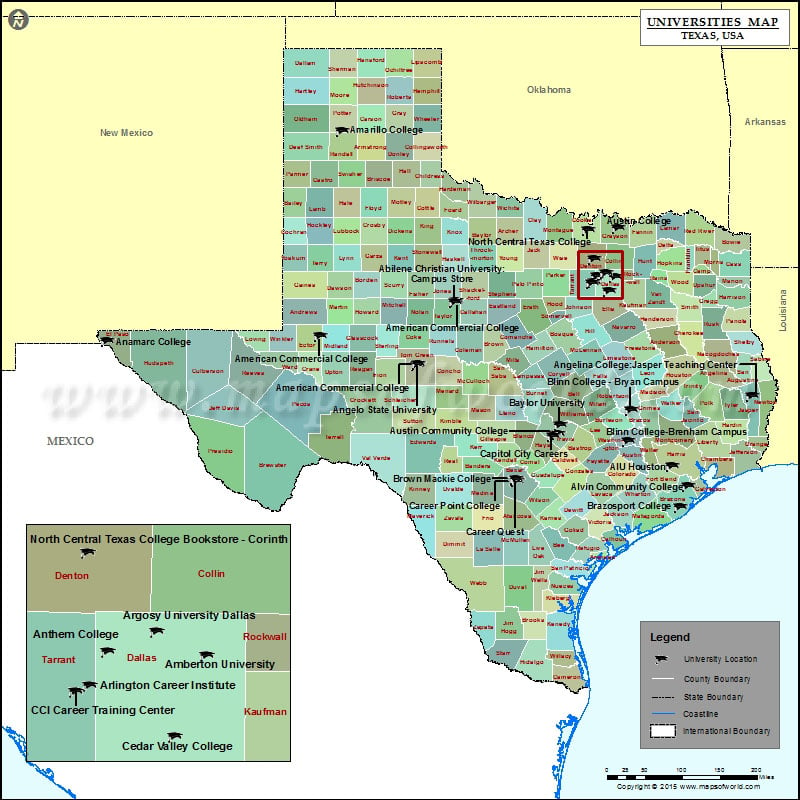
Community colleges play a vital role in the Texas higher education system by providing accessible and affordable educational opportunities. They offer associate degrees, vocational training, and transfer pathways to four-year universities. These institutions are crucial for workforce development and for providing second chances and flexible learning options for students. The Texas Higher Education Coordinating Board oversees a large network of community college districts that serve communities across the state.
Navigating the Educational Landscape for Travelers and Visitors
For those planning a visit to Texas with an educational focus, whether it’s for a college tour, attending an academic conference, or exploring potential career paths, understanding the distribution and characteristics of these institutions can be highly beneficial. Many college towns offer a unique cultural experience, with local economies often revolving around the university.
College Towns: Destinations in Themselves
Texas boasts numerous vibrant college towns, each with its own distinct charm and attractions.
- Austin: Beyond being the state capital, Austin is a quintessential college town, home to The University of Texas at Austin. The city buzzes with live music, a thriving food scene, and a youthful energy amplified by its student population. Visitors can explore iconic landmarks like the Texas State Capitol and enjoy the natural beauty of Barton Creek Greenbelt.
- College Station: The home of Texas A&M University, College Station offers a classic college town atmosphere. The campus itself is a significant landmark, and the surrounding community offers a range of dining and entertainment options catering to students and visitors alike.
- Denton: This vibrant North Texas city is home to two universities: University of North Texas and Texas Woman’s University. Denton is known for its lively music scene, historic downtown square, and independent spirit.
Planning a College Visit: Tips for an Enriching Experience
When planning a visit to a Texas college, consider the following to make the most of your trip:
- Timing: Coordinate your visit with the academic calendar. Campus tours are often more engaging when classes are in session, but be mindful of peak times like move-in weekends or major sporting events, which can impact accommodation and transportation.
- Accommodation: Many college towns offer a range of hotels, from boutique inns near campus to larger chains. Booking in advance is highly recommended, especially during graduation or major university events. Consider staying in a hotel within walking distance of the campus to maximize your exploration time.
- Transportation: While major cities like Houston and Dallas have extensive public transportation, smaller college towns may rely more on personal vehicles or ride-sharing services. Check the university’s visitor parking information beforehand.
- Local Culture: Embrace the local flavor of each college town. Explore independent bookstores, local cafes, and any historical sites or parks. This will give you a deeper understanding of the environment your prospective student might experience.
The Economic and Social Impact of Higher Education in Texas
The presence of so many colleges and universities has a profound impact on the state’s economy and social fabric. They are major employers, attract significant research funding, and contribute to a highly educated workforce. Furthermore, they serve as cultural centers, hosting lectures, performances, and public events that enrich the lives of Texans across the state. The network of institutions in Texas is not just about degrees and diplomas; it’s about fostering innovation, driving economic growth, and shaping the future leaders of the state and nation. From the sprawling campuses of Austin to the historic institutions in East Texas, the educational landscape of Texas is as diverse and dynamic as the state itself.
LifeOutOfTheBox is a participant in the Amazon Services LLC Associates Program, an affiliate advertising program designed to provide a means for sites to earn advertising fees by advertising and linking to Amazon.com. Amazon, the Amazon logo, AmazonSupply, and the AmazonSupply logo are trademarks of Amazon.com, Inc. or its affiliates. As an Amazon Associate we earn affiliate commissions from qualifying purchases.