
The vast, sun-drenched landscapes of Texas evoke images of sprawling ranches, independent spirits, and, of course, cattle. The iconic cowboy culture, intrinsically linked to the bovine population, is a cornerstone of the Lone Star State’s identity. But beyond the romanticized imagery, what is the reality of the Texan herd? Understanding the sheer number of cattle in Texas offers a fascinating glimpse into the state’s agricultural economy, its historical roots, and its ongoing influence on national and international markets. This exploration delves into the current cattle census, historical trends, the economic significance of these animals, and the very fabric of Texas life they represent.
The Bovine Census: Numbers and Trends
Quantifying livestock populations is a dynamic endeavor, influenced by market forces, environmental conditions, and agricultural policies. In Texas, the most reliable source for cattle numbers comes from agricultural surveys, primarily conducted by the United States Department of Agriculture (USDA). These surveys provide a snapshot of the cattle inventory at specific points in time, allowing for the tracking of trends over years and decades.
Current Estimates and Key Figures
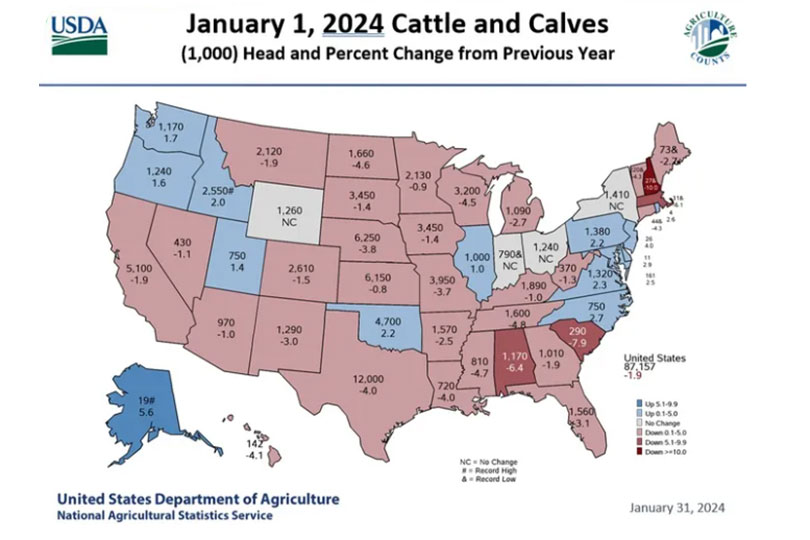
As of recent reports, Texas consistently ranks as the leading state in the nation for cattle inventory. The exact number fluctuates, but it typically hovers in the range of 12 to 15 million head. This immense figure encompasses a wide variety of cattle, including beef cows, dairy cows, calves, and steers. The vast majority are beef cattle, destined for meat production. The sheer scale of this number is difficult to comprehend; it means that for every resident of Texas, there are multiple cattle contributing to the state’s agricultural output. This dominance is not a recent phenomenon; Texas has held its position as the top cattle-producing state for a significant period, underscoring its deep-seated connection to the industry.
Historical Evolution of the Texan Herd
The story of cattle in Texas is a long and storied one, tracing back to the arrival of Spanish explorers and their livestock in the 16th century. These early introductions laid the foundation for the wild mustang and longhorn herds that roamed the open range for centuries. The 19th century saw the formal establishment of the ranching industry, with the iconic Texas Longhorn becoming a symbol of the untamed West. Drives from Texas to railheads in Kansas and beyond became legendary, fueling the growth of the American beef industry.
The advent of barbed wire fencing in the late 19th century fundamentally changed ranching practices, enabling more controlled breeding and management. Throughout the 20th century, selective breeding, advancements in animal husbandry, and the development of feedlots further shaped the industry. While numbers have seen periods of significant growth and contraction influenced by market prices and environmental factors like drought, the underlying importance of cattle to the Texas economy has remained steadfast. The evolution from vast, unfenced ranges to highly managed operations reflects the modernization of agriculture while retaining the spirit of the rancher.
The Economic Engine: Cattle and the Texan Economy
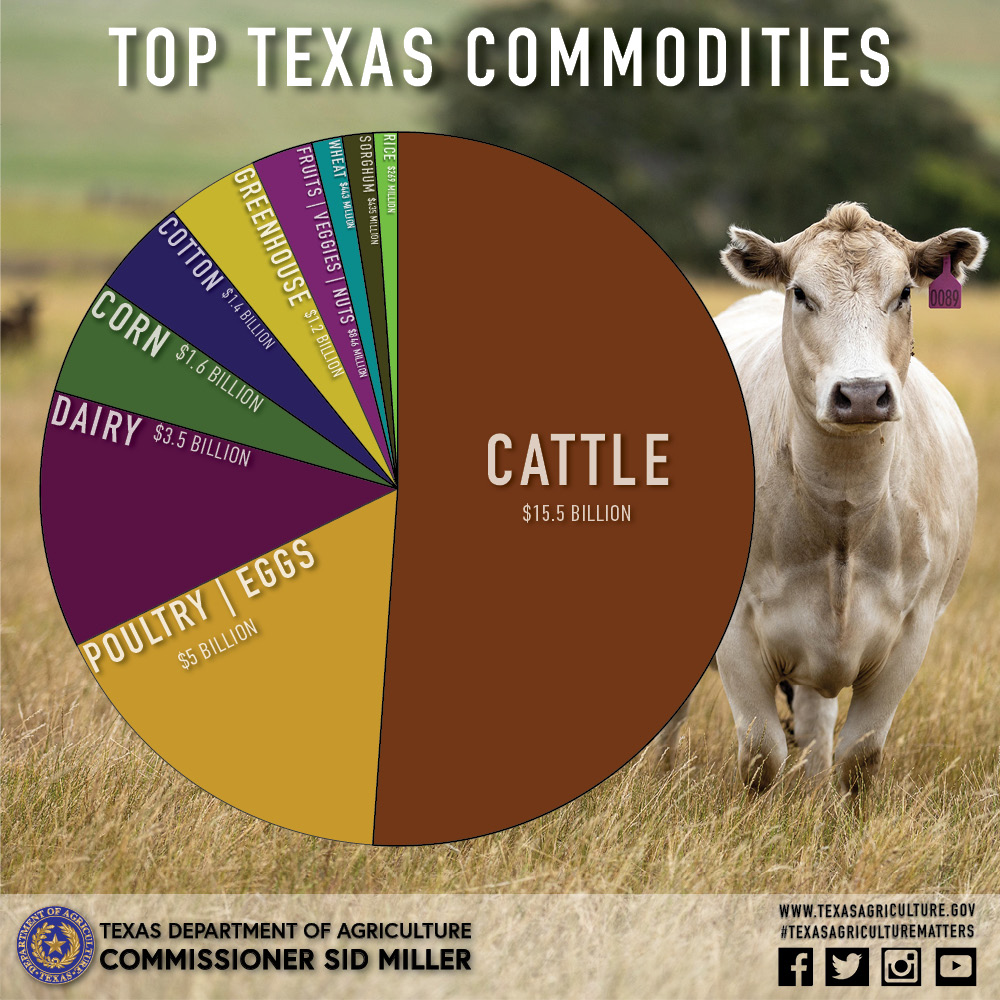
The sheer volume of cattle in Texas translates directly into significant economic impact. The cattle industry is a multi-billion dollar sector, contributing to employment, tax revenues, and the overall economic vitality of the state. This economic influence extends beyond the farm gate, touching various related industries and communities.
Beyond the Ranch: Ancillary Industries
The economic ripple effect of Texas cattle is substantial. It supports a robust network of ancillary industries, including:
- Feed and Grain Production: Vast quantities of feed are required to sustain millions of cattle, creating demand for corn, sorghum, and other agricultural products grown within the state and beyond.
- Veterinary Services and Animal Health: A dedicated sector of veterinarians, technicians, and pharmaceutical companies provides essential care, disease prevention, and treatment for livestock.
- Equipment and Technology: Ranchers invest in specialized equipment, from tractors and trailers to advanced genetic selection tools and herd management software.
- Transportation and Logistics: Moving cattle from ranches to feedlots, processing plants, and markets requires a sophisticated transportation infrastructure, including trucking and rail services.
- Meat Processing and Packing: Texas is home to numerous meat processing facilities that transform live animals into the beef products consumed domestically and exported internationally.
- Leather and Hide Production: The byproducts of the beef industry, such as hides, are processed into leather for use in fashion, upholstery, and various other consumer goods.
These interconnected industries not only generate revenue but also create numerous job opportunities across Texas, from skilled labor on ranches to professional roles in management and research.
Contribution to Gross State Product and Employment
The cattle industry is a significant contributor to Texas’s Gross State Product (GSP). When considering direct agricultural output, processing, and the multiplier effect through related industries, its economic footprint is immense. Studies and reports from organizations like the Texas Cattle Feeders Association and Texas A&M AgriLife Extension consistently highlight the multi-billion dollar annual impact of the cattle sector.
In terms of employment, the industry provides jobs for tens of thousands of Texans, encompassing a wide range of skill levels. Ranch hands, farm managers, veterinarians, truck drivers, plant workers, and sales professionals all play a role in the lifecycle of Texas beef. Furthermore, the prosperity of rural communities in Texas is often heavily dependent on the health of its agricultural sector, with cattle ranching being a principal driver.
The Heart of Texan Culture: Ranching and Lifestyle
The presence of millions of cattle is deeply woven into the cultural tapestry of Texas. Ranching is more than just an economic activity; it’s a way of life, a heritage, and a significant part of the state’s identity, influencing everything from popular culture to local traditions.
Iconic Imagery and Popular Culture
The image of a cowboy on horseback, herding cattle across an endless horizon, is perhaps one of the most enduring symbols of Texas. This imagery permeates popular culture, from classic Western films and television shows to country music lyrics and literary works. The rugged individualism, hard work, and connection to the land associated with ranching resonate deeply with the Texan ethos.
Festivals, rodeos, and county fairs across the state often celebrate this heritage, showcasing skilled horsemanship, livestock shows, and the vibrant community spirit that surrounds the agricultural lifestyle. Even for those who don’t directly participate in ranching, the iconic symbols and narratives associated with cattle and cowboys are an integral part of the Texan experience. This cultural significance attracts tourists and enthusiasts alike, eager to immerse themselves in the authentic Texas way of life.
The Ranching Lifestyle: Challenges and Rewards
Life on a Texas ranch is characterized by hard work, long hours, and a deep understanding of the land and its animals. Ranchers face a multitude of challenges, including unpredictable weather patterns, fluctuating market prices, managing land resources, and ensuring the health and welfare of their herds. Droughts can be particularly devastating, impacting grazing lands and water sources.
Despite these challenges, the rewards of ranching are significant. There is a profound sense of accomplishment in raising livestock, stewarding the land, and contributing to the food supply chain. The lifestyle fosters self-reliance, resilience, and a strong connection to nature. Many families have been involved in ranching for generations, passing down knowledge and a deep-seated commitment to their heritage. The independence and freedom associated with owning and operating a ranch are often cited as primary motivators for those who choose this demanding yet fulfilling path. The enduring appeal of the Texas ranching lifestyle continues to shape the state’s identity and draw people to its wide-open spaces.
Sustaining the Herd: Environmental Considerations and Future Outlook
The immense cattle population in Texas necessitates a keen focus on environmental stewardship and sustainable practices. As the state continues to grow and face evolving environmental challenges, the long-term viability of its dominant agricultural sector will depend on innovative approaches to resource management.
Water Usage and Land Management
Water is a precious resource in Texas, particularly in its western regions where much of the cattle ranching occurs. The industry has made strides in improving water efficiency, from optimizing grazing patterns to implementing more effective water capture and storage systems. Sustainable land management practices are crucial for preventing soil erosion, maintaining biodiversity, and ensuring the long-term health of pastures. Rotational grazing, for example, allows for pasture recovery, improving forage quality and reducing pressure on the land. The industry is increasingly aware of its environmental footprint and is actively exploring and adopting practices that minimize negative impacts.
Technological Advancements and Future Trends
The future of cattle ranching in Texas will undoubtedly be shaped by technological advancements. Precision agriculture, utilizing data analytics and sensors, can help optimize feed rations, monitor animal health, and improve breeding efficiency. Innovations in genetics are leading to more resilient and productive cattle breeds. Furthermore, research into alternative feed sources and improved manure management can further reduce the environmental impact of large-scale livestock operations.
The demand for beef remains strong, both domestically and internationally, suggesting a continued significant role for the Texas cattle industry. However, the industry will need to adapt to evolving consumer preferences, including a growing interest in ethically sourced and sustainably produced food. By embracing innovation and prioritizing environmental responsibility, Texas can ensure that its iconic cattle herds continue to thrive for generations to come, sustaining both its economy and its rich cultural heritage.
LifeOutOfTheBox is a participant in the Amazon Services LLC Associates Program, an affiliate advertising program designed to provide a means for sites to earn advertising fees by advertising and linking to Amazon.com. Amazon, the Amazon logo, AmazonSupply, and the AmazonSupply logo are trademarks of Amazon.com, Inc. or its affiliates. As an Amazon Associate we earn affiliate commissions from qualifying purchases.