
The United States presidential election is a complex and multifaceted event, with a significant amount of attention often directed towards the larger states and their contributions to the Electoral College. Among these, Texas consistently ranks as a pivotal player. Understanding the number of electoral votes a state holds is crucial for grasping the dynamics of presidential campaigns and the overall electoral landscape. For the upcoming 2024 election, Texas will once again be a key battleground, and its electoral vote count is a subject of considerable interest for political analysts, campaign strategists, and engaged citizens alike.
Understanding the Electoral College and Apportionment
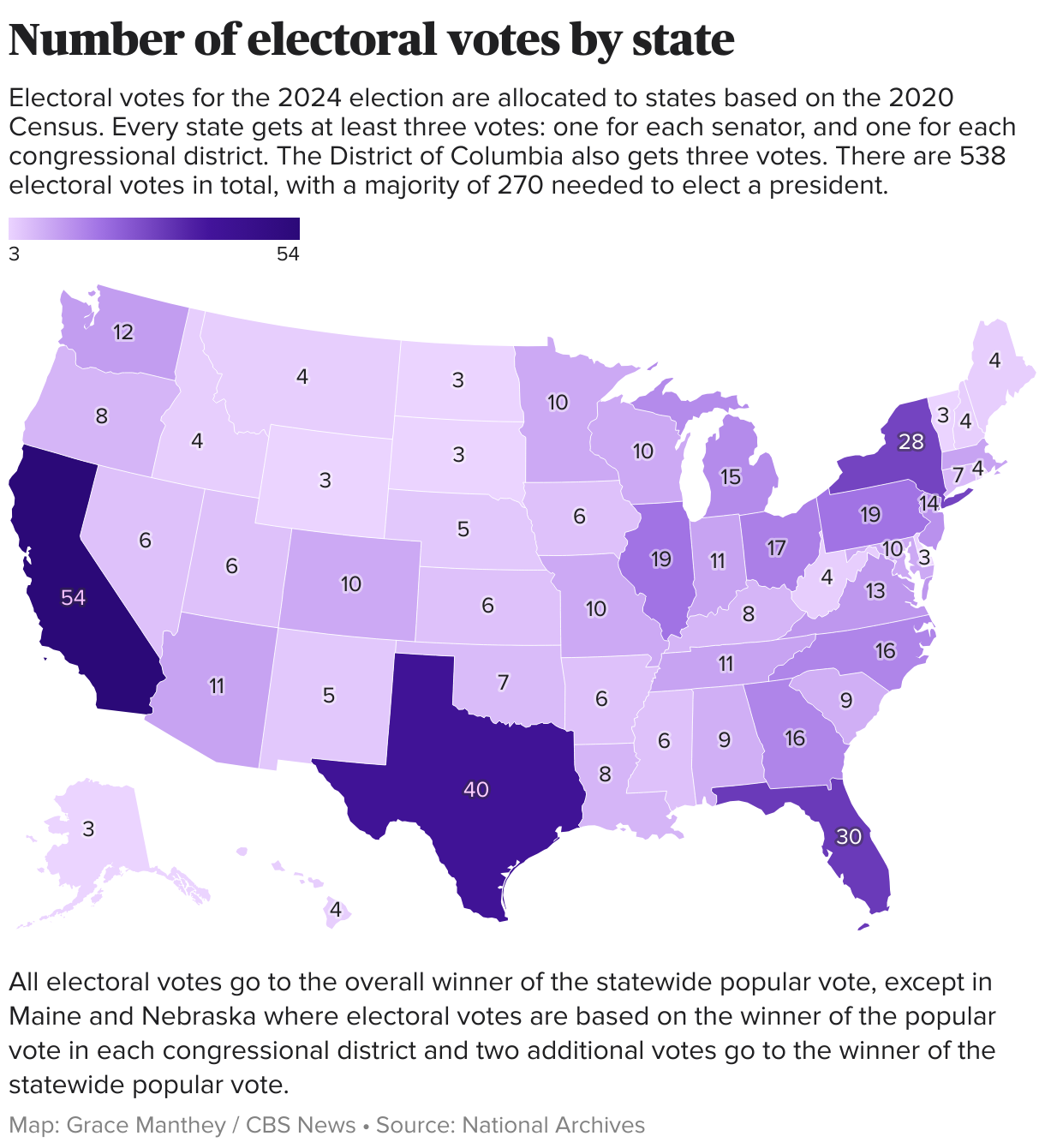
The Electoral College is the mechanism by which the United States elects its president and vice president. It is not a physical place, but rather a process established by the Constitution. When citizens cast their ballots in a presidential election, they are technically voting for a slate of electors who are pledged to a particular candidate. Each state is allocated a number of electors equal to the sum of its representation in Congress: one for each member in the House of Representatives, plus two for its senators.
Congressional Representation and Population Shifts
The number of representatives a state has in the House of Representatives is determined by its population, as measured by the decennial U.S. Census. This apportionment process is a critical factor in determining a state’s electoral vote count. The Census Bureau conducts the official count every ten years, and the results of the 2020 Census have directly influenced the apportionment of congressional seats, and consequently, electoral votes, for the 2024 election cycle and beyond.
States with larger populations naturally receive more representatives in the House and, therefore, more electoral votes. Conversely, states with smaller populations have fewer representatives and fewer electoral votes. This system is designed to balance the influence of more populous states with that of less populous ones, ensuring that every state has some voice in the presidential election.
Texas’s Electoral Vote Count in 2024
Following the 2020 U.S. Census, Texas experienced significant population growth, making it one of the fastest-growing states in the nation. This demographic surge has had a direct impact on its representation in the U.S. House of Representatives. As a result of this growth, Texas was allocated additional seats in the House.
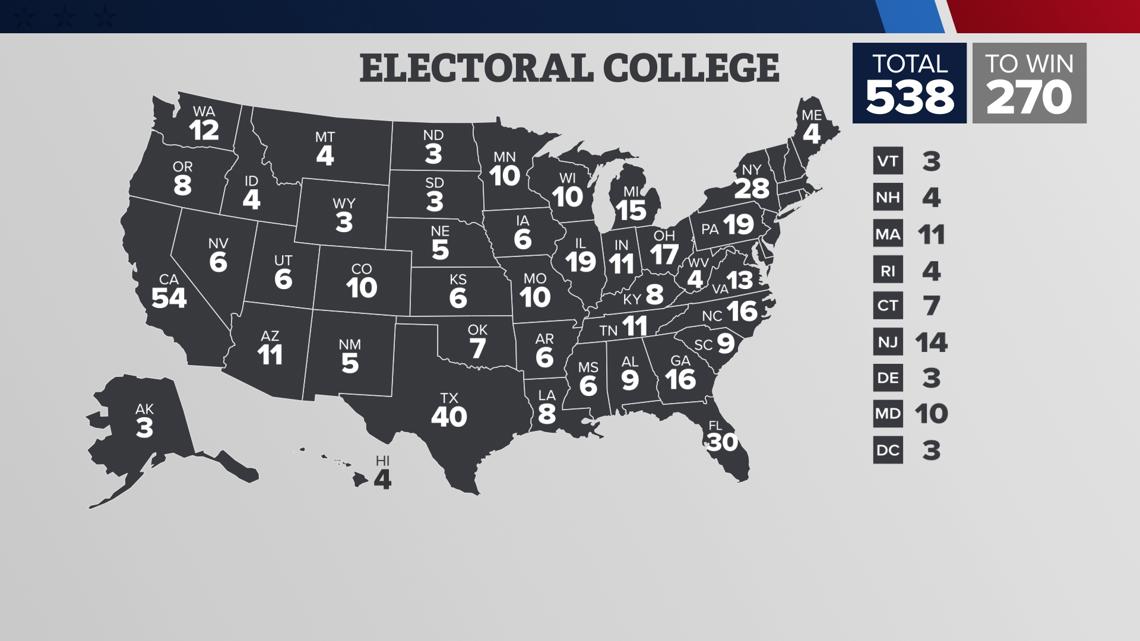
For the 2024 presidential election, Texas is allocated 40 electoral votes. This is an increase from its previous allocation and underscores the state’s growing influence in national politics. The state’s two senators always contribute two electoral votes, and its congressional delegation now consists of 38 representatives in the House, bringing the total to 40. This substantial number makes Texas a highly coveted prize for any presidential candidate aiming to secure victory in the Electoral College.
Historical Context of Texas’s Electoral Power
Historically, Texas has been a reliably Republican state in presidential elections for several decades. However, its rapidly diversifying population and increasing urbanization in cities like Houston, Dallas, Austin, and San Antonio have led to a more competitive political landscape in recent elections. This evolving demographic and political dynamic means that presidential campaigns are investing considerable resources and attention into Texas, recognizing the immense value of its 40 electoral votes.
The state’s considerable size, both geographically and in terms of population, means that campaign stops, advertising blitzes, and grassroots organizing efforts are extensive. Candidates understand that winning Texas is a significant step towards achieving the 270 electoral votes needed to win the presidency. The 40 electoral votes from Texas represent a substantial portion of the total 538 electoral votes available nationwide, making it a critical state to win or at least to contest vigorously.
The Significance of Texas’s 40 Electoral Votes
The allocation of 40 electoral votes to Texas in 2024 has profound implications for presidential campaign strategies. For the Republican Party, Texas has long been a cornerstone of their electoral success, providing a significant bloc of votes that can offset losses in other states. For the Democratic Party, winning Texas would represent a monumental achievement, potentially reshaping the electoral map for years to come.
Campaign Strategies and Resource Allocation
Given the high stakes, presidential candidates will undoubtedly focus substantial resources on Texas. This includes significant investments in advertising, organizing large rallies, and deploying campaign staff to key demographic and geographic areas. The state’s vast size and diverse population centers mean that campaigns must tailor their messaging and outreach efforts to resonate with different voter groups across the state, from the urban centers of Dallas-Fort Worth and Austin to the border regions and the more rural areas of West Texas.
The competition for Texas often begins long before the general election, with candidates vying for support in the state’s primaries. The sheer number of electoral votes means that even if a candidate is projected to win Texas, they will still invest heavily to ensure a strong turnout and to demonstrate broad support across the state. This intense focus can also have a ripple effect on down-ballot races, including those for congressional seats, state legislature, and local offices.
Impact on the National Electoral Map
The 40 electoral votes from Texas are a substantial portion of the 538 total. Winning Texas alone would put a candidate more than halfway to the 270 electoral votes required for victory. This reality significantly shapes the national electoral map and influences how campaigns allocate their time and money. A state with such a large number of electoral votes can sometimes be considered a “must-win” state, especially if other competitive states are few and far between.
The continued growth of Texas suggests that its electoral importance will only increase in future elections. As the state’s demographics evolve, so too will its political leanings, making it a dynamic and closely watched battleground in the 2024 presidential election and beyond. Understanding the number of electoral votes is just the first step in appreciating the complex strategies and high stakes involved in electing the next President of the United States. The 40 electoral votes awarded to Texas in 2024 are a powerful testament to its enduring significance in American presidential politics.
LifeOutOfTheBox is a participant in the Amazon Services LLC Associates Program, an affiliate advertising program designed to provide a means for sites to earn advertising fees by advertising and linking to Amazon.com. Amazon, the Amazon logo, AmazonSupply, and the AmazonSupply logo are trademarks of Amazon.com, Inc. or its affiliates. As an Amazon Associate we earn affiliate commissions from qualifying purchases.