
Navigating the complexities of employment law, particularly when it comes to defining “full-time” work, is a crucial aspect for both employers and employees across the United States. In the Lone Star State, understanding these parameters is essential for ensuring compliance, managing workforce expectations, and understanding benefits eligibility. While the concept of full-time employment might seem straightforward, the reality is that it can be influenced by various factors, including federal guidelines, state-specific regulations, and employer policies. This article delves into the definition of full-time work in Texas, exploring its implications for employees and businesses.
Defining Full-Time Employment in Texas
The term “full-time” is not explicitly defined by a single, universally mandated number of hours by Texas state law for all employment contexts. Instead, the definition often depends on the specific purpose for which it is being considered. For many practical purposes, including the Affordable Care Act (ACA) and common employer benefit programs, full-time employment is generally understood to be a minimum of 30 hours per week or 130 hours per month.
Federal Influence: The Affordable Care Act (ACA)
One of the most significant influences on the definition of full-time employment in the United States, including Texas, is the Affordable Care Act. The ACA requires applicable large employers (ALEs) to offer minimum essential coverage to their full-time employees and dependents. Under the ACA, a full-time employee is defined as someone who averages at least 30 hours of service per week, or 120 hours of service per month, during a given calendar month.
This definition has had a profound impact on how businesses operate and manage their workforces. Employers must carefully track employee hours to determine eligibility for health insurance benefits. Failing to comply with the ACA’s employer mandate can result in significant penalties. It’s important to note that the ACA’s definition is primarily for the purpose of health insurance provisions and may not align with other employment classifications or state-specific wage and hour laws.
Employer Policies and Benefit Eligibility
Beyond federal mandates, individual employers in Texas often establish their own definitions of full-time employment for various purposes, such as:
- Benefit Eligibility: Many companies offer benefits like health insurance, paid time off (PTO), retirement plans (e.g., 401(k)), and life insurance to employees classified as full-time. The threshold for this classification is typically set by the employer, but it often aligns with or exceeds the ACA’s 30-hour benchmark to simplify administration and ensure broad coverage.
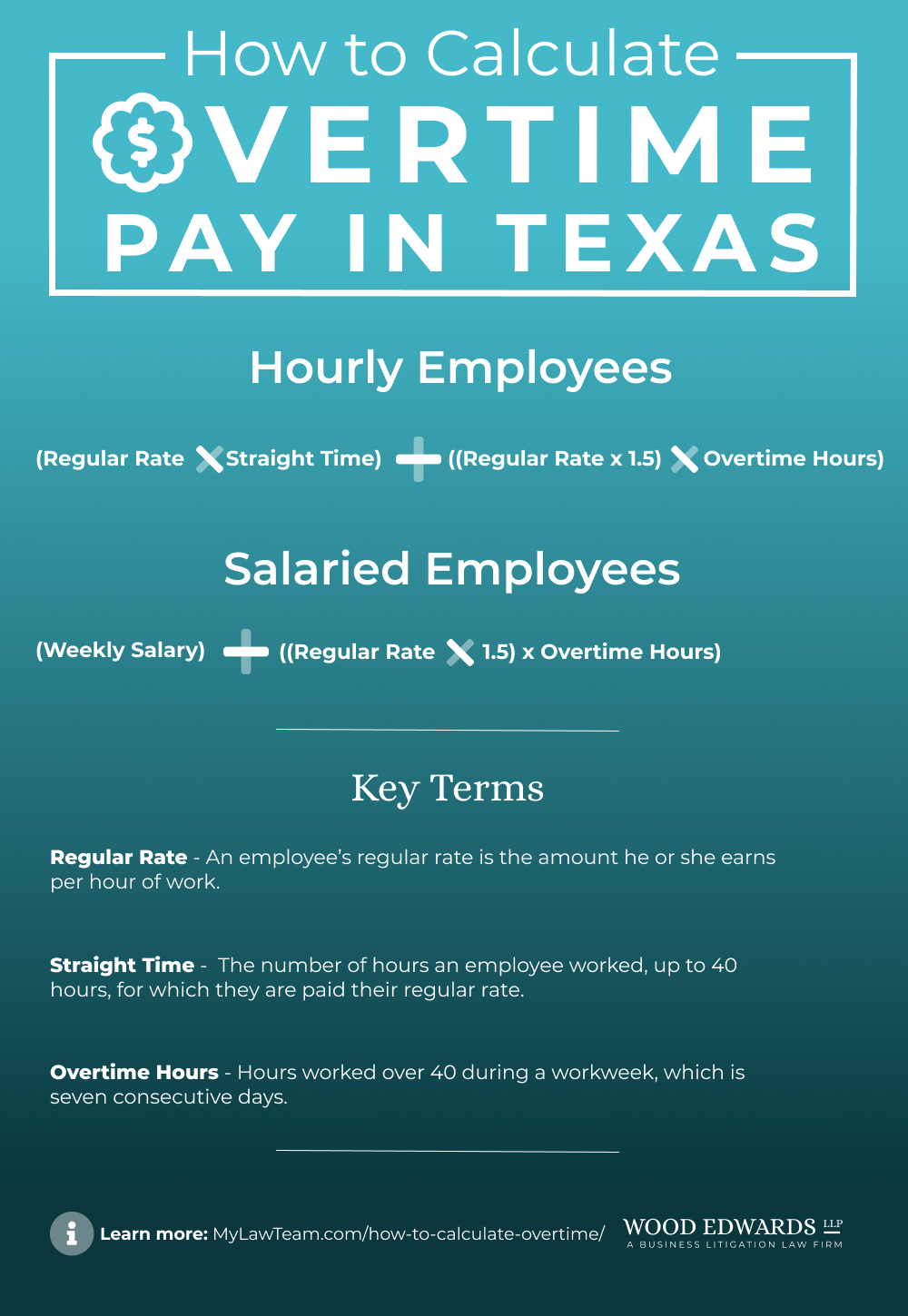
- Overtime Pay: In Texas, as with the rest of the country, the Fair Labor Standards Act (FLSA) governs overtime pay. Non-exempt employees who work more than 40 hours in a workweek are generally entitled to overtime pay, typically at 1.5 times their regular rate of pay. The FLSA’s overtime provisions are not directly tied to a “full-time” designation but rather to the number of hours worked in a week. However, employees working 40 hours or more are often considered full-time by default.
- Company Culture and Expectations: Some organizations may have a cultural understanding of full-time work that involves a standard 40-hour workweek, even if their formal benefits policies might consider 30 hours as full-time. This can influence workload distribution and employee expectations.
It is crucial for individuals to consult their employer’s human resources department or employee handbook to understand the specific definition of full-time employment as it pertains to their particular workplace in Texas. This information is vital for understanding benefit eligibility, leave accrual, and other employment-related rights and responsibilities.
Other Considerations for Employment Status in Texas
While the 30-hour threshold is a common benchmark, especially due to the ACA, other factors and definitions can influence employment status in Texas.
Texas Workforce Commission (TWC) Guidelines
The Texas Workforce Commission (TWC) oversees various employment-related matters within the state, including unemployment insurance and workforce development. While the TWC doesn’t set a universal definition of “full-time” for all purposes, its guidelines and the rules for unemployment benefits may consider weekly hours worked. For instance, individuals seeking unemployment benefits are generally expected to be available for and actively seeking full-time employment. The specific number of hours considered “full-time” for these purposes can vary based on job market conditions and individual circumstances, but it typically implies a standard workweek.
Independent Contractors vs. Employees
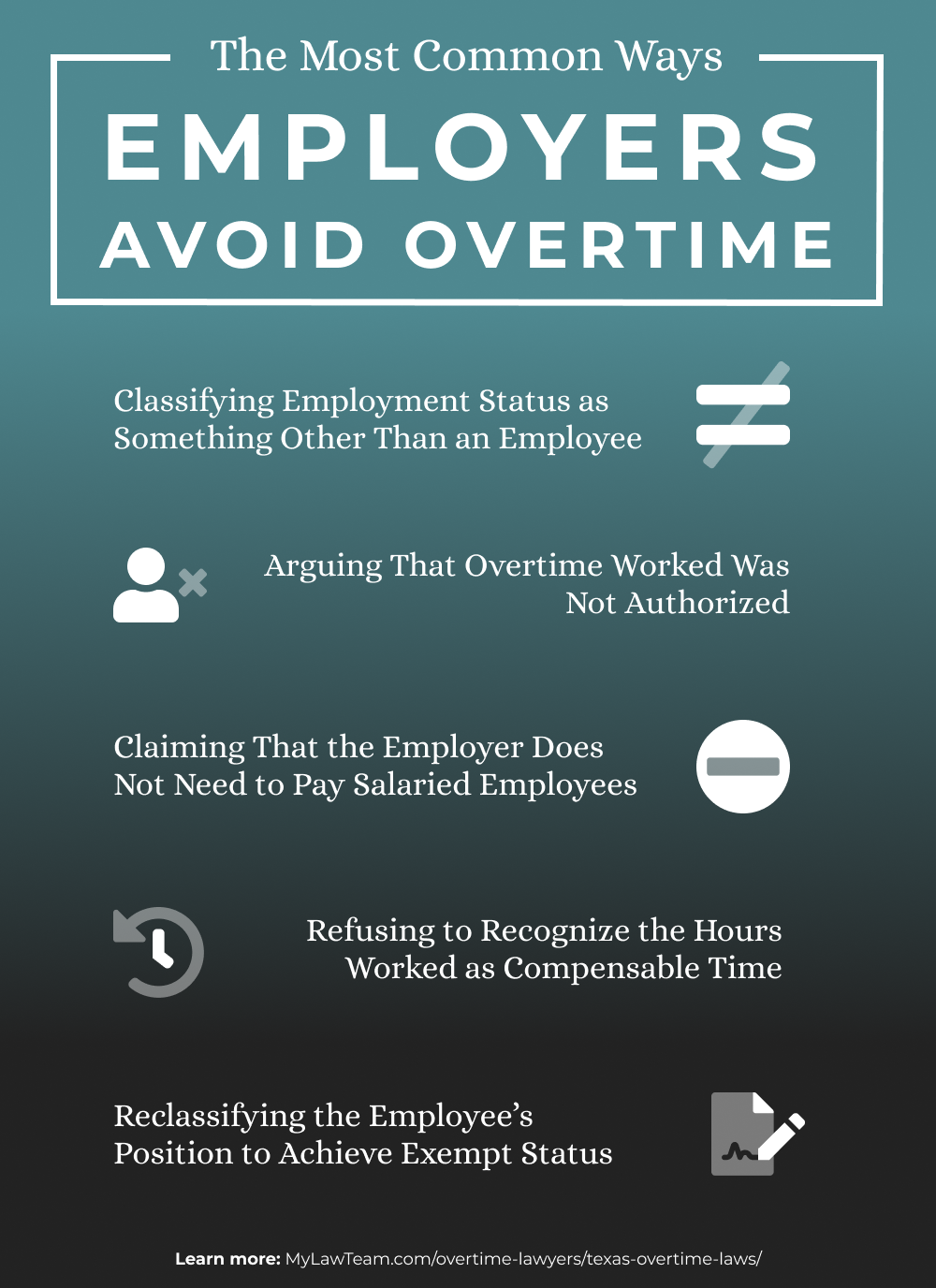
A critical distinction in employment law is the difference between an employee and an independent contractor. This distinction significantly impacts tax obligations, benefit eligibility, and legal protections. An individual classified as an independent contractor is not considered an employee of the hiring entity and therefore is not subject to the same regulations concerning hours worked or minimum wage. The determination of whether a worker is an employee or an independent contractor is complex and is based on a variety of factors, including the degree of control the hiring entity has over the worker, the method of payment, and the nature of the relationship. Misclassification of workers can lead to significant legal and financial repercussions for businesses.
Salaried vs. Hourly Employees
Another common distinction that impacts how hours are perceived is whether an employee is salaried or hourly.
- Hourly Employees: These employees are typically paid a set rate for each hour worked. For hourly workers, tracking exact hours is paramount, especially for overtime calculations. Many hourly positions are considered full-time if they consistently work 30-40 hours per week.
- Salaried Employees: These employees receive a fixed salary regardless of the exact number of hours worked in a week. However, this does not mean they can work an unlimited number of hours without consequence. Salaried employees can be classified as “exempt” or “non-exempt” under the FLSA. Exempt employees generally hold positions that meet specific criteria related to job duties and salary level, and they are not entitled to overtime pay. Non-exempt salaried employees, while receiving a salary, are still entitled to overtime pay if they work more than 40 hours in a week, though their salary is typically calculated based on an expected number of hours.
Implications for Businesses in Texas
Understanding the nuances of full-time employment in Texas is paramount for businesses to operate efficiently and legally.
Workforce Planning and Management
Accurate classification of employees as full-time or part-time is essential for effective workforce planning. This impacts:
- Staffing Levels: Determining the number of full-time versus part-time staff needed for various roles.
- Budgeting: Estimating labor costs, including wages, benefits, and potential overtime.
- Scheduling: Optimizing employee schedules to meet operational demands while adhering to labor laws and employee well-being.
Benefit Administration
As previously mentioned, the definition of full-time status is intrinsically linked to benefit eligibility. Businesses must:
- Track Hours Diligently: Implementing robust systems to accurately record employee hours is critical, particularly for ACA compliance.
- Communicate Clearly: Ensuring employees understand the criteria for benefit eligibility and how their hours impact it.
- Manage Part-Time Workforce: Deciding whether to offer limited benefits or other incentives to part-time employees.
Legal Compliance
Adhering to federal and state labor laws is non-negotiable. Businesses in Texas must:
- Stay Updated: Labor laws are subject to change. Businesses need to remain informed about updates to the FLSA, ACA, and any relevant state legislation.
- Seek Legal Counsel: Consulting with employment attorneys is advisable to ensure all policies and practices are compliant and to navigate complex situations like worker misclassification.
- Maintain Records: Keeping meticulous records of employee hours, classifications, and benefit enrollments is vital for demonstrating compliance in case of audits or legal challenges.
Implications for Employees in Texas
For individuals working in Texas, understanding the definition of full-time employment has direct implications for their career and financial well-being.
Access to Benefits
The primary driver for many employees seeking full-time status is access to employer-sponsored benefits. These can include:
- Health Insurance: Often the most significant benefit, providing crucial coverage for medical needs.
- Retirement Plans: Such as 401(k)s, which help employees save for their future.
- Paid Time Off (PTO): Including vacation days, sick leave, and holidays, contributing to work-life balance.
- Other Benefits: Such as life insurance, disability insurance, and employee assistance programs.
Employees should be aware of their employer’s specific criteria for benefit eligibility and track their hours accordingly.
Career Advancement and Stability
Full-time positions are often perceived as offering greater job security and opportunities for career advancement compared to part-time roles. They may come with more responsibilities, training, and a clearer path for promotion within an organization.

Wage and Hour Rights
Understanding whether one is classified as exempt or non-exempt and the implications for overtime pay is essential. Employees should be aware of their rights regarding working hours and compensation.
- Non-Exempt Employees: If classified as non-exempt, working more than 40 hours in a workweek should result in overtime pay at 1.5 times the regular rate. If an employer fails to pay overtime, employees have recourse through the U.S. Department of Labor or by filing a wage claim.
- Exempt Employees: While not eligible for overtime, exempt employees still have rights concerning their job duties and compensation structure.
In conclusion, while there isn’t a single, rigid definition of “full-time” in Texas that applies to every situation, the 30-hour workweek has become a widely accepted benchmark, largely due to federal regulations like the Affordable Care Act. However, employer policies and the specific context of employment play crucial roles in defining this status. Both employers and employees must engage in clear communication and diligent record-keeping to ensure accurate classifications, proper benefit administration, and adherence to all applicable labor laws. This diligence forms the bedrock of fair and effective employment practices across the state.
LifeOutOfTheBox is a participant in the Amazon Services LLC Associates Program, an affiliate advertising program designed to provide a means for sites to earn advertising fees by advertising and linking to Amazon.com. Amazon, the Amazon logo, AmazonSupply, and the AmazonSupply logo are trademarks of Amazon.com, Inc. or its affiliates. As an Amazon Associate we earn affiliate commissions from qualifying purchases.