
The state of Texas is a vast and dynamic entity, known for its robust economy, rich cultural tapestry, and sprawling landscapes. Beyond its renowned oil fields and vibrant music scene, Texas has also established itself as a significant hub for medical education and healthcare innovation. For those considering a career in medicine, or for individuals simply interested in the state’s educational infrastructure, understanding the landscape of its medical schools is crucial. This exploration delves into the number and variety of medical schools operating within the Lone Star State, offering insights into the educational pathways available for aspiring physicians and the contributions these institutions make to the United States healthcare system.

The Landscape of Medical Education in Texas
Texas boasts a comprehensive and growing network of medical schools, catering to a diverse range of students and offering specialized training across various medical disciplines. These institutions are integral to the state’s mission of producing highly skilled healthcare professionals, fostering cutting-edge research, and providing essential medical services to its large and diverse population. The commitment to medical education in Texas is reflected in the sheer number of institutions and the quality of education they provide, making it a compelling destination for medical aspirants.
Public Medical Schools
The backbone of medical education in Texas is largely supported by its public university systems. These institutions, often affiliated with major research hospitals and healthcare networks, play a pivotal role in educating a significant portion of the state’s physicians. They are typically funded by taxpayers, which can influence tuition costs and accessibility for in-state students.
- The University of Texas System: This expansive system is a dominant force in Texas medical education, operating multiple medical schools across the state. These include:
- UT Southwestern Medical School in Dallas, renowned for its groundbreaking research and clinical excellence.
- UT Health Science Center at Houston (McGovern Medical School) in Houston, a leading center for patient care, education, and research.
- UT Health San Antonio (Joe R. and Teresa Lozano Long School of Medicine) in San Antonio, known for its focus on primary care and aging research.
- UT Medical Branch School of Medicine in Galveston, one of the oldest medical schools in the United States.
- UT Health Science Center at Tyler, focusing on serving East Texas.
- Texas A&M University System: Another significant public university system, Texas A&M University contributes to medical education through:
- Texas A&M College of Medicine, with its main campus in Bryan-College Station and regional campuses across the state, emphasizing rural health and primary care.
- Texas Tech University Health Sciences Center School of Medicine: Located in Lubbock, this institution serves the healthcare needs of West Texas and beyond, with a strong emphasis on rural medicine.
- University of Houston College of Medicine: A more recent addition to the Texas medical landscape, the University of Houston College of Medicine in Houston aims to address healthcare disparities and train physicians for underserved communities.
Private Medical Schools
In addition to public institutions, Texas also hosts several highly regarded private medical schools. These schools often have distinct missions, affiliations, and funding models, which can influence their curriculum and research focus.
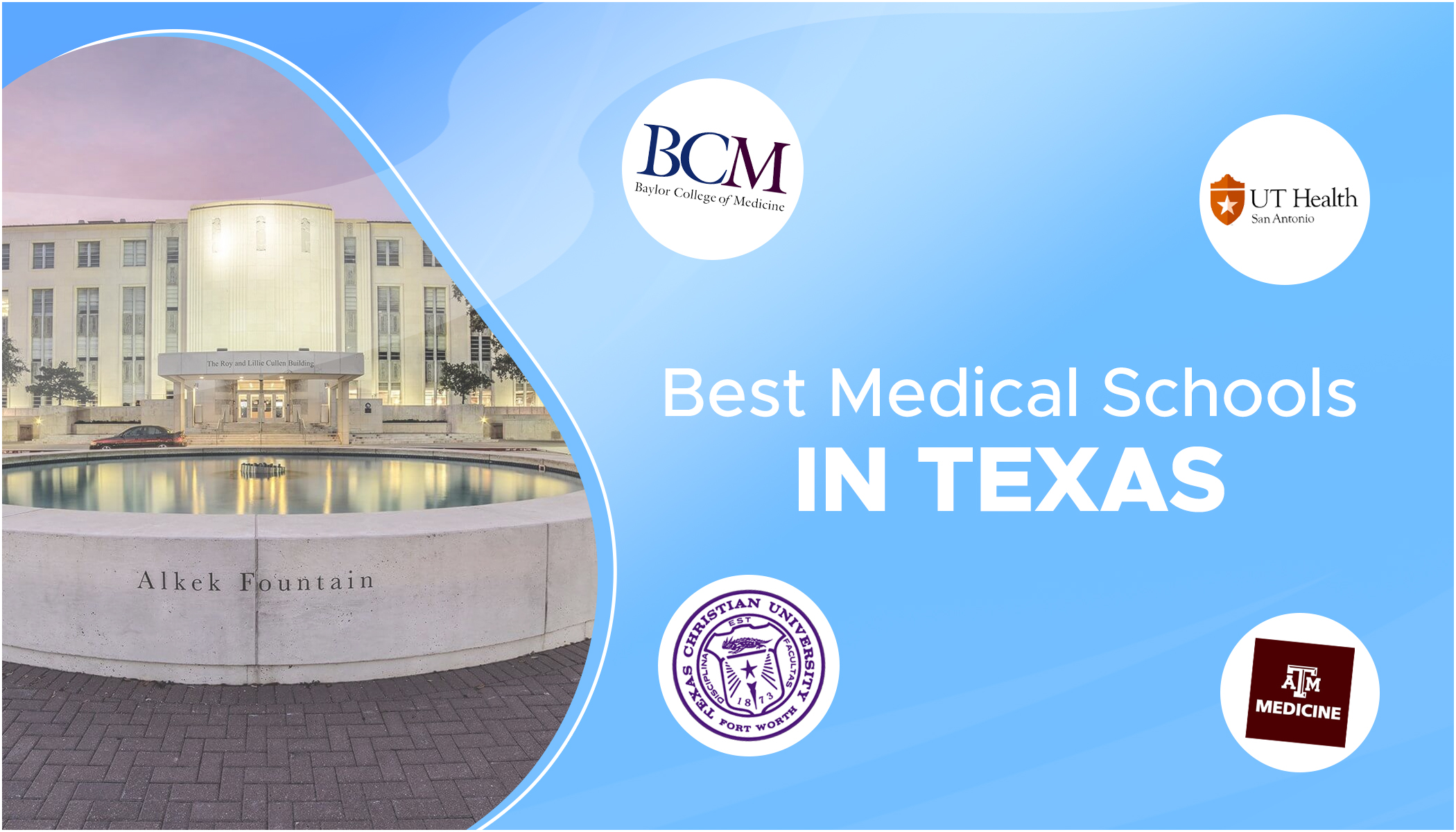
- Baylor College of Medicine: Situated in Houston, Baylor College of Medicine is a private institution with a long-standing reputation for excellence in patient care, research, and education. It is a major contributor to medical advancements and a leader in medical training.
- The University of North Texas Health Science Center (UNTHSC) – Texas College of Osteopathic Medicine (TCOM): Located in Fort Worth, TCOM is a prominent osteopathic medical school, offering a Doctor of Osteopathic Medicine (DO) degree. Osteopathic physicians are trained in a philosophy of whole-person healthcare, including hands-on manipulation techniques.
- Sam Houston State University College of Osteopathic Medicine: The newest osteopathic medical school in Texas, located in Conroe, it aims to address the growing demand for physicians, particularly in the underserved regions of East Texas.
Other Health Science Centers and Specialized Programs
Beyond traditional Doctor of Medicine (MD) and Doctor of Osteopathic Medicine (DO) programs, Texas is home to various health science centers and specialized programs that contribute to the broader medical education ecosystem. These may include schools of dentistry, pharmacy, public health, and allied health professions, often affiliated with the larger university systems. These institutions are vital for training the full spectrum of healthcare professionals needed to support the state’s healthcare needs.
Factors Influencing the Number of Medical Schools
The growth and number of medical schools in Texas are influenced by several dynamic factors. These include population growth, the increasing demand for healthcare services, advancements in medical research and technology, and state-level initiatives to bolster the physician workforce.

Population Growth and Healthcare Demand
Texas has experienced consistent and significant population growth over the past few decades. This expansion directly translates into a greater need for healthcare professionals across all specialties. To meet this escalating demand, the state has actively invested in expanding its medical education infrastructure, leading to the establishment and growth of existing medical schools. The sheer size of Texas and its diverse demographic makeup further necessitate a robust and geographically dispersed network of medical training programs.
Research and Innovation
Texas is a national leader in medical research and innovation. Institutions like UT Southwestern Medical Center and Baylor College of Medicine are at the forefront of discovering new treatments, therapies, and diagnostic tools. This culture of innovation naturally fuels the need for more medical schools to train the next generation of researchers and clinicians who can continue to push the boundaries of medical science. Research funding, both public and private, often dictates the capacity and scope of these institutions.
State Initiatives and Workforce Development
State governments play a crucial role in shaping medical education. Texas, recognizing the importance of a strong physician workforce, has implemented various initiatives to support medical schools. These can include funding for new programs, scholarships for students, and incentives for physicians to practice in underserved areas. The establishment of new medical schools, such as the University of Houston College of Medicine and Sam Houston State University College of Osteopathic Medicine, reflects a strategic effort to address specific workforce needs and geographical gaps in medical training.
The Impact of Medical Schools on Texas
The presence of numerous medical schools has a profound and multifaceted impact on the state of Texas. Beyond educating future doctors, these institutions are vital engines for economic growth, scientific advancement, and community health.
Economic Contributions
Medical schools are significant economic drivers. They create numerous high-paying jobs, not only for faculty and staff but also for researchers, administrators, and support personnel. The associated hospitals and clinics affiliated with these schools are also major employers. Furthermore, the presence of leading medical institutions attracts talent, investment, and related industries, contributing to the overall economic vitality of the cities and regions in which they are located. The influx of students also supports local businesses and services.
Advancements in Medical Research and Healthcare Delivery
Texas’s medical schools are pivotal in advancing medical knowledge and improving healthcare delivery. Their research efforts lead to new treatments for diseases, better patient care protocols, and innovative health technologies. This research translates directly into improved health outcomes for Texans and contributes to the global medical community’s understanding of health and disease. The clinical arms of these schools provide specialized care, often to complex cases, that might not be available elsewhere, thus enhancing the state’s overall healthcare infrastructure.
Community Engagement and Public Health
Medical schools are deeply embedded in their communities. They provide essential healthcare services through their affiliated clinics and hospitals, often serving as a safety net for underserved populations. Furthermore, they engage in public health initiatives, health education programs, and community outreach to promote well-being and address public health challenges. The graduates of these schools are then dispersed throughout the state, bringing their skills and knowledge to communities in need, helping to alleviate physician shortages in rural and underserved areas.
In summary, Texas is home to a substantial and growing number of medical schools, reflecting its commitment to healthcare education and its burgeoning status as a national leader in medicine. These institutions, both public and private, are crucial for educating future physicians, driving medical innovation, and ensuring the health and well-being of the state’s residents.
LifeOutOfTheBox is a participant in the Amazon Services LLC Associates Program, an affiliate advertising program designed to provide a means for sites to earn advertising fees by advertising and linking to Amazon.com. Amazon, the Amazon logo, AmazonSupply, and the AmazonSupply logo are trademarks of Amazon.com, Inc. or its affiliates. As an Amazon Associate we earn affiliate commissions from qualifying purchases.