
The Lone Star State, a vast expanse known for its diverse landscapes and rich history, also contends with a volatile weather pattern: tornadoes. Understanding the frequency of these powerful storms is crucial for residents and visitors alike, particularly as the year 2024 unfolds. While a definitive, real-time count for the entire year of 2024 is impossible to provide until it concludes, we can analyze historical data, seasonal trends, and the factors that influence tornado activity in Texas. This exploration will offer insight into what Texans might expect and how to prepare for potential severe weather events.

Understanding Tornado Seasonality in Texas
Texas experiences a prolonged tornado season, often extending from early spring through late fall. The peak period, however, typically occurs between March and May. During these months, the atmospheric conditions are ripe for the formation of supercell thunderstorms, the most potent type of storm capable of producing tornadoes.
Springtime Fury: March, April, and May
- March: As the weather begins to warm, moist air from the Gulf of Mexico collides with drier, cooler air from the west. This clash creates atmospheric instability, a key ingredient for severe weather. Tornado activity in Texas often begins to escalate in March, with notable outbreaks possible. Cities like Dallas, Fort Worth, and Houston can be affected.
- April: April is historically one of the most active months for tornadoes across the United States, and Texas is no exception. The combination of warm, moist air, strong jet stream winds, and atmospheric instability reaches its zenith. Large outbreaks, impacting significant portions of the state, are not uncommon. The central and eastern parts of Texas, often referred to as “Tornado Alley,” are particularly vulnerable during this time.
- May: While the intensity may begin to wane slightly from April’s peak, May can still deliver significant tornado threats. The persistent atmospheric dynamics that fuel spring storms continue, meaning the potential for dangerous twisters remains high. Some of the most destructive tornadoes in Texas history have occurred in May.
Summer and Fall Activity
While the primary tornado season winds down after May, Texas is not entirely safe from tornadoes during the summer and fall months.
- Summer (June – August): Tornadoes can still occur during the summer, often associated with tropical systems moving inland from the Gulf of Mexico. These storms can produce widespread heavy rain and strong winds, and embedded tornadoes are a possibility, especially in coastal and southeastern Texas. However, the atmospheric conditions that fuel supercells are less common during the peak of summer heat.
- Fall (September – November): As cooler air begins to push southward across the plains, a secondary, though often less intense, tornado season can emerge in the fall. The clash between retreating warm, moist air and advancing cool, dry air can again create instability. This period is important for preparedness, as fall tornadoes can sometimes be swift and unexpected.
Factors Influencing Tornado Frequency in 2024
The exact number of tornadoes in any given year, including 2024, is influenced by a complex interplay of atmospheric factors. Forecasters and meteorologists monitor several key indicators to predict the likelihood of severe weather.
El Niño-Southern Oscillation (ENSO)
The El Niño-Southern Oscillation (ENSO) cycle, specifically the El Niño and La Niña phases, can significantly impact weather patterns across North America.
- El Niño Years: Typically, El Niño conditions tend to suppress tornado activity in the central United States, including parts of Texas, by shifting the jet stream further south. This can lead to a more active severe weather season in the southern Plains and Gulf Coast states.
- La Niña Years: Conversely, La Niña years often favor a more active tornado season across the traditional “Tornado Alley” stretching from Texas northward. The jet stream tends to be more favorable for storm development in these regions.
As of early 2024, climate scientists have been monitoring the lingering effects of a significant El Niño event and the potential transition to La Niña. These transitions can be particularly volatile and lead to unpredictable weather patterns. Understanding the prevailing ENSO phase is a critical piece of the puzzle for predicting tornado activity in 2024.
Jet Stream Dynamics
The position and strength of the jet stream play a pivotal role in dictating storm development. A strong, dipping jet stream can bring colder air aloft, which is essential for creating the instability needed for severe thunderstorms. When this occurs over Texas during tornado season, the risk increases. Meteorologists closely track jet stream patterns to identify areas where instability and wind shear (changes in wind speed and direction with height) are conducive to tornado formation.
Moisture and Instability
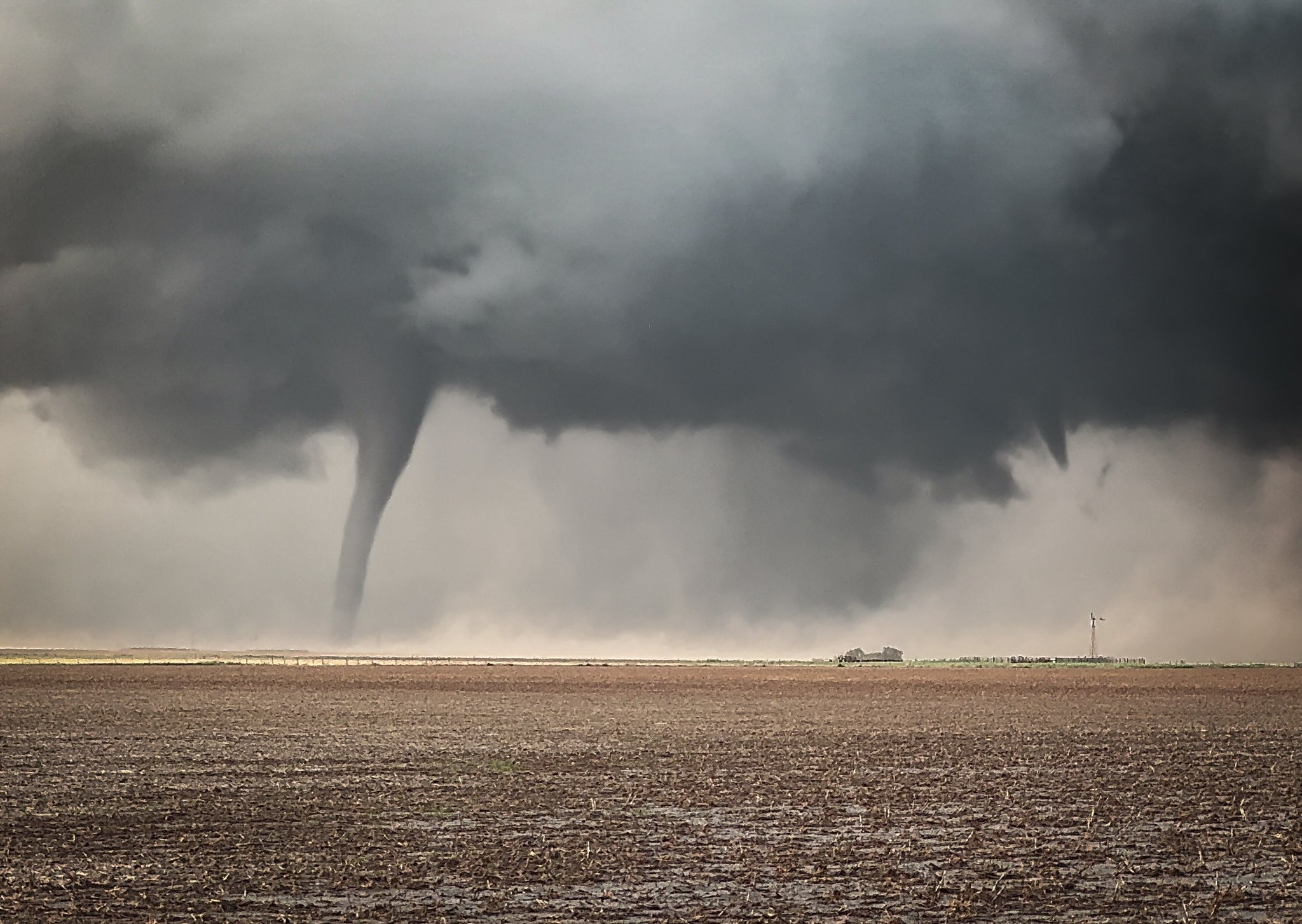
The availability of moisture, primarily from the Gulf of Mexico, is a critical fuel source for thunderstorms. When warm, moist air masses collide with cooler, drier air masses, it creates a highly unstable atmosphere where air parcels rise rapidly, leading to the formation of towering cumulonimbus clouds. The degree of this instability, often measured by Convective Available Potential Energy (CAPE), directly correlates with the potential intensity of storms and the likelihood of tornadoes.
Historical Tornado Data for Texas
Examining historical data provides a valuable baseline for understanding tornado trends in Texas. While 2024’s numbers will only be finalized at year’s end, past years offer context.
Average Tornado Counts
On average, Texas sees more tornadoes annually than any other state in the United States. The National Oceanic and Atmospheric Administration (NOAA) and the Storm Prediction Center (SPC) provide detailed records. Historically, Texas averages well over 100 tornadoes per year, with some years seeing significantly higher counts.
Notable Outbreaks and Trends
- Record Years: Certain years have stood out for their exceptionally high tornado activity. For instance, 2015 was a particularly active year for tornadoes across the state. Analyzing such years helps meteorologists understand the conditions that lead to extreme outbreaks.
- Geographic Distribution: Tornadoes in Texas are not uniformly distributed. The central and eastern parts of the state, including regions like the Dallas-Fort Worth Metroplex, the Brazos Valley, and the Houston area, tend to experience the highest frequency due to their location within the broader “Tornado Alley” and their proximity to moisture sources. However, tornadoes can and do occur in all parts of the state, including West Texas and the Panhandle.
- Intensity Trends: While the number of tornadoes is one metric, their intensity is another crucial factor. The Enhanced Fujita (EF) scale categorizes tornado intensity based on damage. Data is analyzed to see if there are trends in the frequency of stronger tornadoes (EF-2 and above).
Preparing for Tornadoes in 2024
Regardless of the exact number of tornadoes in 2024, preparedness remains paramount for anyone living in or visiting Texas. Understanding the risks and having a plan can make a significant difference.
Staying Informed
- Weather Alerts: The most critical step is to stay informed about weather watches and warnings. The National Weather Service issues these alerts, and they can be received through NOAA Weather Radio, local news broadcasts, and smartphone apps.
- Familiarize Yourself with the Warning System: Know the difference between a tornado watch (conditions are favorable for tornadoes) and a tornado warning (a tornado has been sighted or indicated by radar).
Developing a Safety Plan
- Shelter: Identify the safest place in your home, workplace, or accommodation. This is typically an interior room on the lowest floor, away from windows. Basements or storm cellars offer the best protection.
- Emergency Kit: Prepare an emergency kit with essentials such as water, non-perishable food, a first-aid kit, medications, a flashlight, batteries, and a portable radio.
- Practice Drills: If possible, conduct practice drills to ensure everyone knows where to go and what to do when a warning is issued. This is especially important for families with children.
Specific Considerations for Travelers
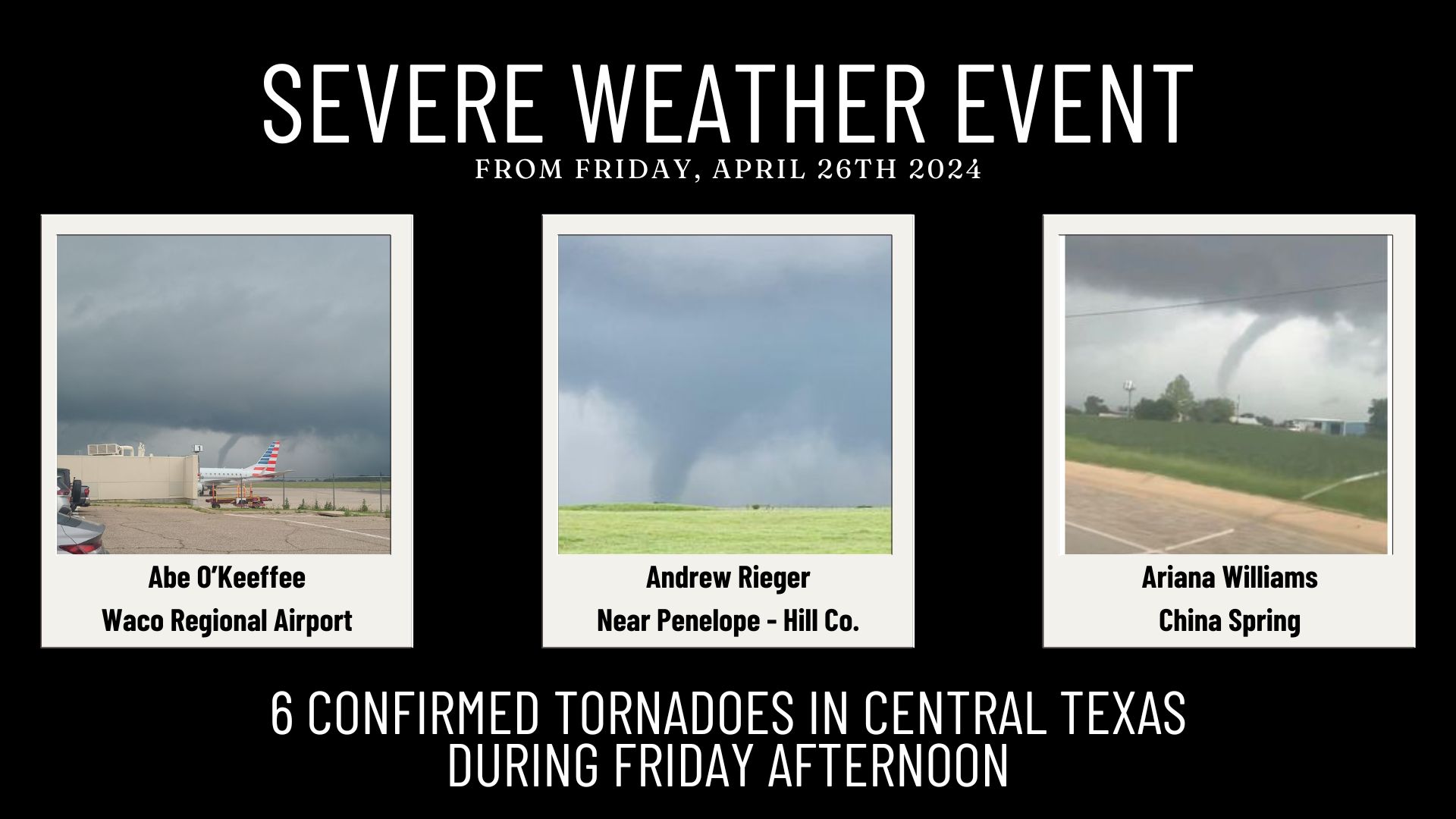
Visitors to Texas in 2024 should be aware of the potential for severe weather.
- Hotel Safety: If staying in a hotel, familiarize yourself with the building’s emergency procedures and designated shelter areas. Ground-floor rooms or interior corridors may offer better protection than upper floors.
- Rental Cars: Understand that rental vehicles offer little protection from tornadoes. If a warning is issued, seek immediate sturdy shelter.
- Tourist Attractions: Be aware of how weather warnings are communicated at attractions like Six Flags Fiesta Texas or Schlitterbahn Waterpark. Many outdoor attractions have specific protocols for severe weather.
While the precise tally of tornadoes for Texas in 2024 will only be known at year’s end, understanding the historical patterns, seasonal influences, and the atmospheric factors at play provides valuable insight. By staying informed and prepared, residents and visitors can navigate the potential challenges posed by severe weather and ensure their safety throughout the year.
LifeOutOfTheBox is a participant in the Amazon Services LLC Associates Program, an affiliate advertising program designed to provide a means for sites to earn advertising fees by advertising and linking to Amazon.com. Amazon, the Amazon logo, AmazonSupply, and the AmazonSupply logo are trademarks of Amazon.com, Inc. or its affiliates. As an Amazon Associate we earn affiliate commissions from qualifying purchases.