
Texas, a state renowned for its vast landscapes, rich history, and dynamic economy, is also a significant hub for higher education. With a sprawling population and a commitment to fostering intellectual growth, the Lone Star State hosts a diverse array of universities, from world-class research institutions to specialized colleges. Understanding the sheer volume and variety of these academic centers is crucial for prospective students, educators, researchers, and anyone interested in the educational infrastructure of this prominent American state. This exploration delves into the landscape of higher learning in Texas, quantifying its universities and categorizing them to provide a comprehensive overview.
The Scale of Higher Education in Texas
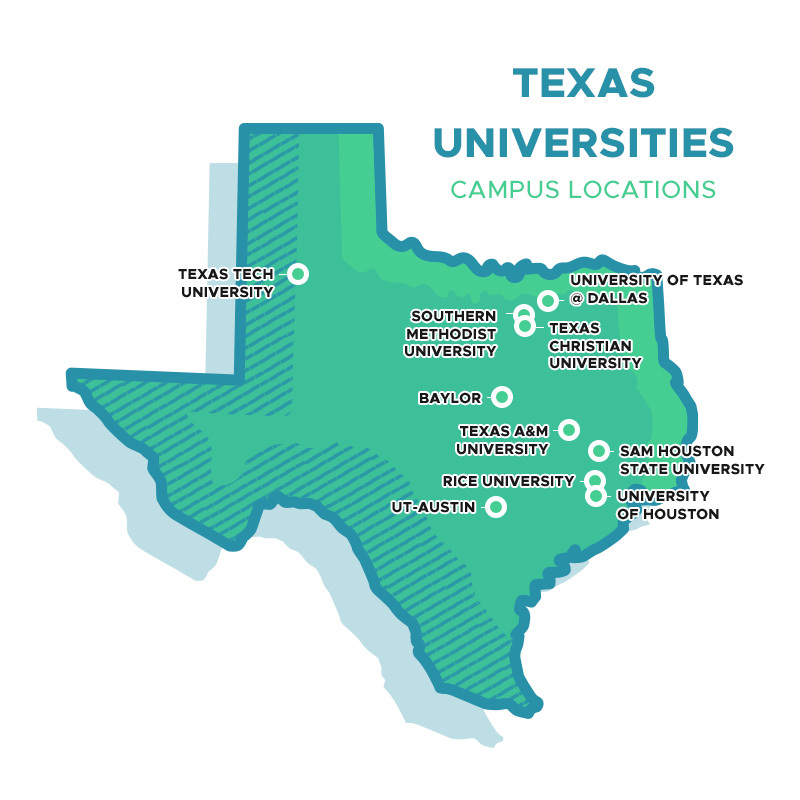
Texas boasts an impressive number of higher education institutions, reflecting its status as the second-largest state in the U.S. by both area and population. The sheer scale of the state’s educational offerings is a testament to its investment in human capital and its ambition to be a leader in innovation and knowledge creation. While the exact number can fluctuate slightly due to new accreditations, closures, or mergers, reliable sources consistently place the number of degree-granting institutions in the hundreds.
Public University Systems
A significant portion of Texas’s universities are part of large, publicly funded systems. These systems are designed to provide accessible and affordable higher education to residents across the state, each with its own mission and areas of specialization.
-
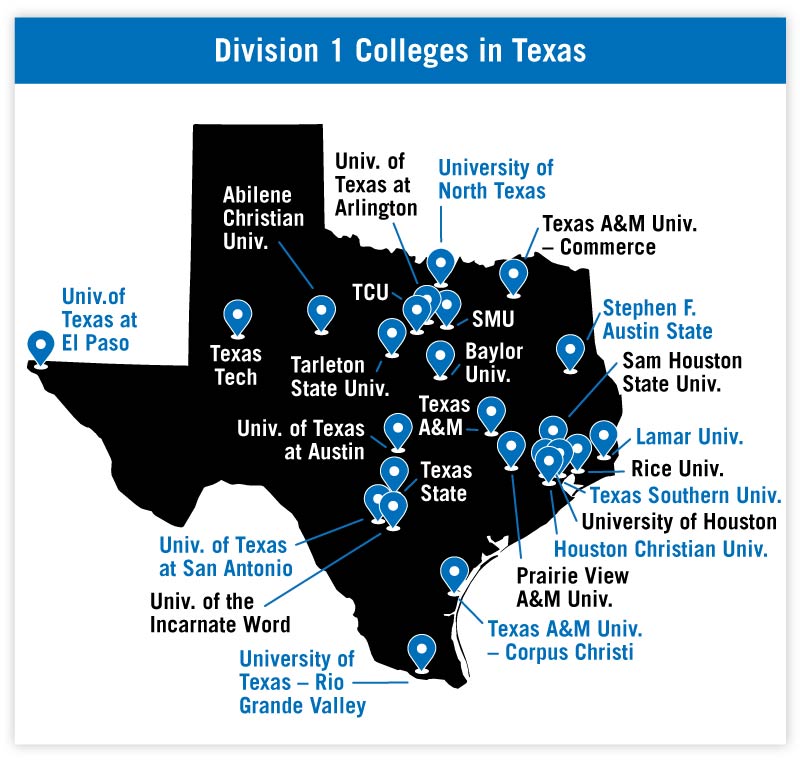
The University of Texas System: This is one of the largest and most comprehensive university systems in the nation. It comprises nine academic institutions and six health institutions. The academic universities include flagship institutions like The University of Texas at Austin and The University of Texas at Dallas, alongside others such as The University of Texas at Arlington, The University of Texas at San Antonio, and The University of Texas at El Paso. These universities are at the forefront of research and offer a wide spectrum of undergraduate and graduate programs.
-
The Texas A&M University System: This system is another cornerstone of public higher education in Texas, known for its strong emphasis on science, engineering, agriculture, and veterinary medicine. It includes Texas A&M University in College Station, the system’s flagship and one of the largest universities in the country. Other key members include Prairie View A&M University, Tarleton State University, and Texas A&M University–Corpus Christi.
-
The University of Houston System: This system serves the vibrant metropolitan area of Houston and includes University of Houston, a major research university, alongside University of Houston–Clear Lake, University of Houston–Downtown, and University of Houston–Victoria.
Beyond these three major systems, Texas also has other public university systems and standalone state universities, such as the University of North Texas System and the Texas State University System.
Private Universities
In addition to public institutions, Texas is home to a robust network of private universities, many of which have a long-standing history and national or international recognition. These universities often offer smaller class sizes, unique academic programs, and a distinct campus culture.
-
Religious Affiliation: Many of Texas’s private universities are affiliated with religious denominations. Examples include Baylor University in Waco, affiliated with the Baptist Church, and Southern Methodist University in Dallas, with Methodist roots. Abilene Christian University and Texas Christian University in Fort Worth are also prominent faith-based institutions.
-
Independent Institutions: Other private universities operate independently, focusing on a broad range of liberal arts and professional programs. Rice University in Houston stands out as a highly selective, private research university with significant endowments and a strong reputation for academic excellence.
The diversity of private institutions ensures a wide array of educational philosophies and opportunities, catering to students seeking specific learning environments and religious or philosophical affiliations.
Community Colleges and Technical Institutes
While the focus is often on universities, it is crucial to acknowledge the extensive network of community colleges and technical institutes that form the backbone of accessible education in Texas. These institutions play a vital role in workforce development, offering associate degrees, certificates, and pathways to transfer to four-year universities. The Texas Higher Education Coordinating Board oversees these institutions, ensuring quality and alignment with the state’s economic needs. These institutions are indispensable for providing vocational training and foundational academic courses, making higher education a tangible goal for a broader segment of the population.
Key Factors Influencing the Number of Universities
Several factors contribute to the large number of universities in Texas. The state’s sheer size and population are primary drivers, necessitating a decentralized and comprehensive educational infrastructure to serve its diverse communities. Furthermore, Texas has historically prioritized investment in higher education, recognizing its role in economic development, technological advancement, and social mobility.
Population Growth and Demographics
Texas has experienced continuous and substantial population growth over the past several decades, driven by both natural increase and migration. This demographic expansion creates a consistent demand for educational opportunities at all levels. As cities like Austin, Dallas, Houston, and San Antonio continue to expand, so does the need for local and accessible university campuses.
Economic Diversification and Innovation
Texas’s economy is remarkably diverse, encompassing sectors such as energy, technology, healthcare, aerospace, and manufacturing. This economic dynamism fuels a demand for a highly skilled workforce, which in turn drives the establishment and expansion of universities and specialized programs. Research universities, in particular, are vital for fostering innovation and supporting the growth of high-tech industries. The presence of institutions like The University of Texas at Austin with its renowned engineering and computer science programs, or Texas A&M University with its strengths in energy and agriculture, directly supports these key economic sectors.
State Investment and Policy
State government policies and funding allocations play a crucial role in the landscape of higher education. Texas has a history of supporting its public university systems through legislative appropriations and dedicated funding mechanisms. While the specifics of funding can vary, the overall commitment to higher education has enabled the growth and development of its institutions. Initiatives aimed at increasing access, promoting research, and enhancing graduate education have contributed to the state’s robust university ecosystem.
Categorizing Texas Universities for Clarity
To better understand the sheer volume, it’s helpful to categorize Texas universities by their primary focus and mission. This approach helps prospective students, researchers, and policymakers identify institutions that best align with their goals.
Research Universities
These institutions are characterized by their extensive research activities, often funded by federal grants, private endowments, and state appropriations. They typically offer a full range of undergraduate, master’s, and doctoral programs and are crucial for advancing scientific knowledge and technological innovation.
-
Flagship Institutions: The University of Texas at Austin and Texas A&M University are the flagship research universities of their respective systems and are among the top-tier research institutions nationally.
-
Other Major Research Centers: Rice University, The University of Texas Southwestern Medical Center, and The University of Houston are also significant players in research and graduate education.
Comprehensive Universities
These universities offer a broad spectrum of bachelor’s and master’s degrees and may have some doctoral programs, but their primary emphasis is on teaching and undergraduate education, often with a strong regional focus. They serve a vital role in providing accessible baccalaureate degrees to a wide range of students.
- Examples: Institutions like Texas State University in San Marcos, University of North Texas in Denton, and various campuses within the larger public university systems fall into this category.
Liberal Arts Colleges
While less numerous than in some other states, Texas does have a few private liberal arts colleges that focus on undergraduate education in the humanities, social sciences, and natural sciences, often with a strong emphasis on critical thinking and a well-rounded education.
Specialized Institutions
This category includes institutions with a specific focus, such as health sciences, engineering, or the arts.
-
Health Sciences: The University of Texas Health Science Center at Houston and The University of Texas Medical Branch are prominent examples dedicated to medical education and research.
-
Arts and Design: Institutions like the Art Institute of Dallas or specific art departments within larger universities cater to students pursuing careers in creative fields.
The Ever-Evolving Landscape
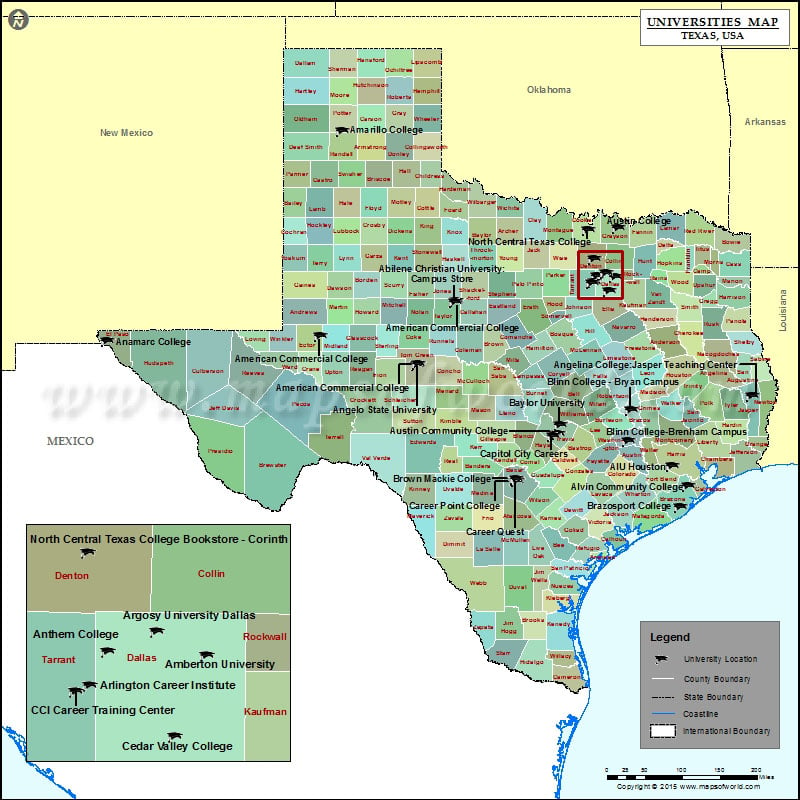
The number of universities in Texas is not static. The state’s dynamic growth, economic shifts, and evolving educational needs mean that the higher education landscape is constantly adapting. New campuses may be established, existing institutions may expand their offerings or merge, and the demand for specific programs will continue to shape the educational ecosystem.
For anyone navigating the educational opportunities within Texas, understanding this complex and extensive network is the first step. Whether seeking cutting-edge research, accessible undergraduate education, or specialized vocational training, Texas offers a vast and varied array of universities to meet the needs of its citizens and beyond. The commitment to higher learning is a defining characteristic of the Lone Star State, ensuring its continued growth and prosperity through educated minds and innovative solutions.
LifeOutOfTheBox is a participant in the Amazon Services LLC Associates Program, an affiliate advertising program designed to provide a means for sites to earn advertising fees by advertising and linking to Amazon.com. Amazon, the Amazon logo, AmazonSupply, and the AmazonSupply logo are trademarks of Amazon.com, Inc. or its affiliates. As an Amazon Associate we earn affiliate commissions from qualifying purchases.