
Nurse practitioners (NPs) in Texas play a vital role in the state’s healthcare system, bridging gaps in access to care and providing comprehensive services across various specialties. Their earning potential is a significant factor for those considering this rewarding career path or for understanding the economic landscape of healthcare providers. While salaries can fluctuate based on numerous factors, a detailed examination reveals a competitive and generally robust compensation structure for NPs in the Lone Star State.
Factors Influencing Nurse Practitioner Salaries in Texas
The compensation of a nurse practitioner in Texas is not a monolithic figure. A variety of elements converge to determine an individual NP’s income, ranging from their professional experience and educational background to the specific geographic location within the state and the type of healthcare facility they are employed by. Understanding these influencing factors is crucial for setting realistic salary expectations and for negotiating offers.

Experience Level and Years in Practice
As with most professions, an NP’s experience is a primary driver of salary. Entry-level nurse practitioners, fresh out of their graduate programs and often seeking their initial certifications, will typically command lower salaries. These salaries are designed to reflect their foundational knowledge and developing clinical skills. As NPs gain more experience, accumulate a broader range of clinical competencies, and demonstrate a proven track record of successful patient care, their earning potential increases significantly. Senior NPs, those with a decade or more of experience, often move into leadership roles, take on more complex patient cases, or specialize in high-demand areas, all of which contribute to higher compensation packages. This progression is often marked by increased autonomy, responsibility, and trust placed in their clinical judgment.
Educational Attainment and Certifications
The educational pathway chosen by a nurse practitioner directly impacts their salary. While a Master of Science in Nursing (MSN) is the traditional entry point for NP practice, a growing number of NPs are pursuing Doctor of Nursing Practice (DNP) degrees. A DNP often signifies a higher level of clinical expertise, leadership skills, and a focus on evidence-based practice and healthcare systems improvement. Consequently, NPs holding a DNP degree often earn more than their MSN-holding counterparts, especially in academic medical centers or roles focused on research and advanced practice leadership.
Furthermore, specialized certifications can also elevate an NP’s salary. Holding certifications in areas such as Acute Care, Family Practice, Pediatrics, Psychiatric-Mental Health, or Women’s Health demonstrates a mastery of a specific patient population or specialty. Employers often value these specialized credentials, recognizing the advanced knowledge and skills they represent, and are willing to offer higher salaries to attract and retain these qualified professionals. These certifications often require ongoing continuing education, ensuring NPs remain at the forefront of their chosen fields.
Geographic Location Within Texas
The sheer size of Texas means that salary variations can be substantial depending on the metropolitan area or rural region. Larger, more affluent urban centers like Houston, Dallas, Austin, and San Antonio generally offer higher average salaries for nurse practitioners. This is often due to a higher cost of living, greater demand for healthcare services, and the presence of major hospital systems and specialized clinics that can afford to offer more competitive compensation.
Conversely, salaries in smaller towns and more rural areas of Texas may be lower. However, it is important to consider the cost of living in these regions, which is typically more affordable than in major cities. In some rural areas, NPs may also receive additional incentives, such as loan repayment programs or housing assistance, to attract them to serve underserved populations. The demand for healthcare professionals in these areas can be particularly high, creating unique opportunities for NPs willing to practice outside of major urban hubs.
Type of Healthcare Facility
The setting in which a nurse practitioner practices significantly influences their earning potential. Hospital systems, particularly large academic medical centers or specialized facilities, often offer the highest salaries. These institutions typically deal with more complex cases, require NPs to have advanced skills, and can afford more robust compensation packages to attract top talent.
Outpatient clinics, including private practices, community health centers, and specialized clinics (e.g., cardiology, dermatology), also provide competitive salaries, though they may be slightly lower on average than large hospital systems. The compensation in private practice can be more variable and may include bonus structures tied to productivity or patient volume. Federally Qualified Health Centers (FQHCs) and rural health clinics often offer competitive salaries and may provide additional benefits, especially in their efforts to serve diverse and often underserved communities. Long-term care facilities and urgent care centers also represent distinct employment settings with their own salary benchmarks.
Average Nurse Practitioner Salaries in Texas: By Specialty
Nurse practitioners specialize in a wide array of patient populations and healthcare needs, and these specializations directly correlate with earning potential. The demand for NPs in specific fields, coupled with the complexity of care provided, shapes the salary landscape.
Family Nurse Practitioner (FNP)
Family Nurse Practitioners are among the most common NP specialties, providing primary care to individuals and families across the lifespan. Their role encompasses diagnosing and treating acute and chronic illnesses, performing physical exams, ordering diagnostic tests, and providing patient education and counseling. Due to their broad scope of practice and high demand in primary care settings, FNPs in Texas typically earn competitive salaries. Average salaries often fall within a range reflective of their experience and location, with opportunities in family practice clinics, community health centers, and some hospital-based primary care.
Adult-Gerontology Nurse Practitioner (AGNP)
The growing aging population has led to an increased demand for Adult-Gerontology Nurse Practitioners. AGNP’s focus on the health needs of adults, with a particular emphasis on older adults. This specialization involves managing chronic diseases common in aging, providing palliative care, and addressing the unique physiological and psychosocial challenges faced by this demographic. Salaries for AGNP’s are generally strong, often mirroring or exceeding those of FNPs, especially in settings with a high volume of geriatric patients, such as skilled nursing facilities, memory care units, and geriatric specialty clinics within larger health systems.
Pediatric Nurse Practitioner (PNP)
Pediatric Nurse Practitioners are dedicated to the care of infants, children, and adolescents. Their work involves managing childhood illnesses, monitoring developmental milestones, administering immunizations, and providing health guidance to families. The demand for skilled PNPs is consistently high, particularly in pediatric clinics, children’s hospitals, and subspecialty pediatric practices. Salaries for PNPs in Texas are often comparable to other primary care specialties, with potential for higher earnings in specialized pediatric subfields like neonatology or pediatric oncology.
Psychiatric-Mental Health Nurse Practitioner (PMHNP)
With the increasing awareness and de-stigmatization of mental health issues, the role of the Psychiatric-Mental Health Nurse Practitioner has become critically important. PMHNPs diagnose and treat mental health conditions, manage psychiatric medications, and provide psychotherapy. The demand for these professionals is substantial across various settings, including mental health clinics, psychiatric hospitals, correctional facilities, and integrated behavioral health services within primary care. Salaries for PMHNPs are often among the highest for NP specialties, reflecting the specialized knowledge required and the significant need for mental health services.
Other Specialized NPs
Beyond these core specialties, Texas employs NPs in numerous other advanced practice roles. These include:
- Acute Care Nurse Practitioner (ACNP): Focusing on critical and emergent patient conditions in hospital settings.
- Women’s Health Nurse Practitioner (WHNP): Specializing in reproductive health, pregnancy, and gynecological care.
- Neonatal Nurse Practitioner (NNP): Caring for critically ill newborns.
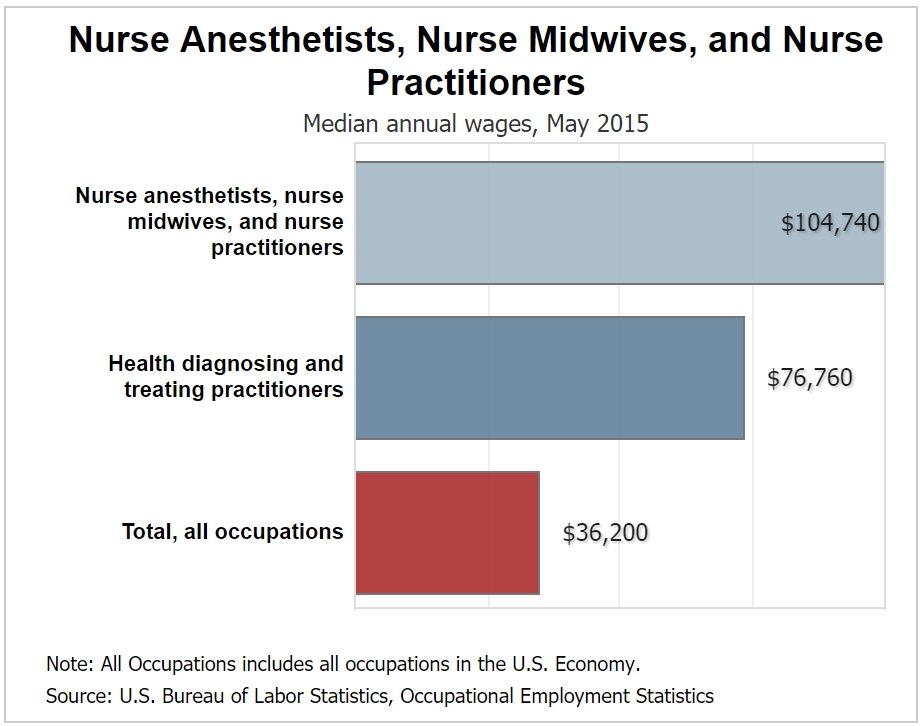
- Nurse Anesthetist (CRNA): Providing anesthesia services. (Note: While often grouped with NPs, CRNAs typically earn the highest salaries among advanced practice registered nurses due to their specialized training and responsibilities.)
The salaries for these highly specialized roles tend to be at the upper end of the NP compensation spectrum, reflecting the intense training and the critical nature of the care they provide.
Salary Trends and Future Outlook for NPs in Texas
The compensation for nurse practitioners in Texas is influenced by broader economic trends and the evolving landscape of healthcare delivery. Several key factors point towards a positive and growing salary outlook for NPs in the state.
Growing Demand for Advanced Practice Providers
The persistent shortage of physicians, particularly in primary care and certain specialties, has placed nurse practitioners at the forefront of healthcare delivery. Texas, with its rapidly growing population and diverse healthcare needs, faces a significant demand for qualified advanced practice providers. This increased demand naturally drives up compensation as healthcare organizations compete to attract and retain skilled NPs. The expansion of NP scope of practice laws in many states, including Texas, further enhances their ability to practice to the full extent of their education and training, making them even more valuable assets to healthcare employers.
Impact of Healthcare Policy and Reform
Changes in healthcare policy, such as the Affordable Care Act and ongoing efforts to expand access to care, have created new opportunities and increased the need for NPs. As more individuals gain access to health insurance, the demand for healthcare services rises, directly benefiting NPs who are often instrumental in providing accessible and affordable care. Furthermore, the focus on value-based care and team-based approaches to patient management positions NPs as essential members of the healthcare team, capable of managing chronic conditions, coordinating care, and improving patient outcomes, all of which contribute to their market value.
Opportunities for Advancement and Specialization
The career trajectory for nurse practitioners in Texas offers significant potential for salary growth through advancement and specialization. NPs can move into leadership roles, such as clinic manager, director of advanced practice, or administrator. They can also pursue further education to become educators, researchers, or consultants. The increasing complexity of healthcare and the development of new medical technologies and treatments create a continuous need for NPs to specialize in emerging areas, often leading to higher earning potential. For instance, NPs with expertise in areas like telehealth, palliative care, or specific subspecialties in oncology or cardiology are in high demand and can command premium salaries.
In conclusion, nurse practitioners in Texas are well-compensated for their essential contributions to patient care. While the average figures provide a valuable baseline, individual earnings are shaped by a complex interplay of factors. As the demand for healthcare services continues to grow and the role of advanced practice providers expands, the earning potential for nurse practitioners in the Lone Star State is expected to remain strong and continue to trend upward.
LifeOutOfTheBox is a participant in the Amazon Services LLC Associates Program, an affiliate advertising program designed to provide a means for sites to earn advertising fees by advertising and linking to Amazon.com. Amazon, the Amazon logo, AmazonSupply, and the AmazonSupply logo are trademarks of Amazon.com, Inc. or its affiliates. As an Amazon Associate we earn affiliate commissions from qualifying purchases.