
Navigating the process of obtaining a Texas State ID can seem straightforward, but understanding the associated costs is crucial for budgeting your visit or transition. While a state ID is not directly a travel expense in the traditional sense, it is an essential document for many activities and services that contribute to the overall experience of exploring or residing in the Lone Star State. This guide delves into the fees, potential hidden costs, and factors influencing the price of a Texas State ID, providing clarity for residents and visitors alike.
Understanding the Texas State ID and Its Purpose
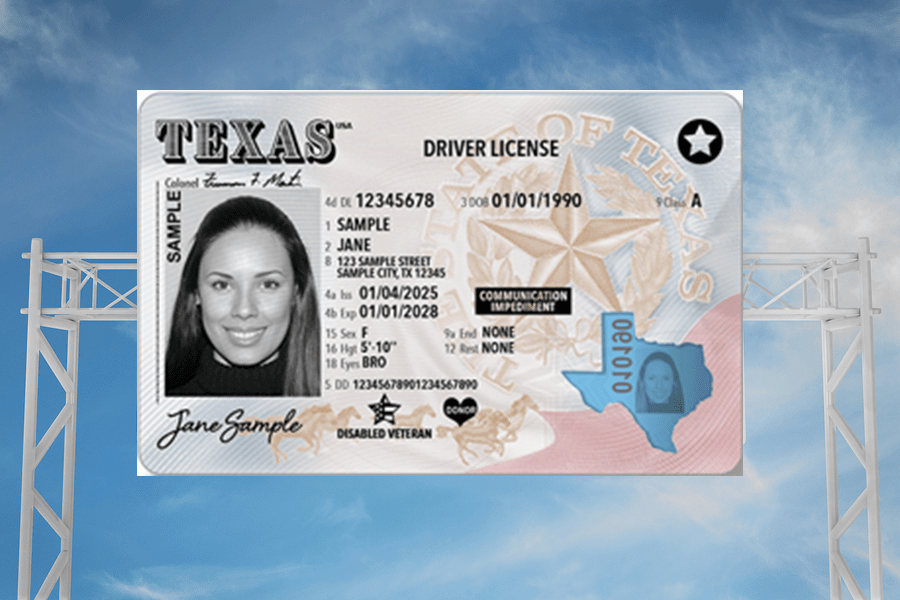
A Texas State ID, officially known as a Driver’s License or Personal Identification Certificate, serves as a vital form of identification for individuals who do not possess a driver’s license or prefer a dedicated state-issued ID. Its primary purpose is to verify identity and age for a myriad of transactions and situations.
When is a Texas State ID Necessary?
For travelers and new residents, a Texas State ID plays a significant role in facilitating daily life and ensuring access to various amenities and services. Here are some common scenarios where it proves indispensable:
- Age Verification: Essential for purchasing alcohol or tobacco products, entering age-restricted venues like certain bars or concert halls, and participating in activities with age limits.
- Accessing Public Services: Many government services, including public transportation in cities like Austin or Houston, libraries, and recreational facilities, may require proof of identity.
- Financial Transactions: Opening a bank account, cashing a check, or conducting other financial business often necessitates a state-issued ID.
- Healthcare Access: For individuals seeking medical services, particularly those without a driver’s license, a state ID is paramount for registration and verification.
- Travel Documentation (Secondary): While not a primary travel document for international travel, it can serve as a secondary form of identification for domestic flights if your passport is unavailable, though it is not a substitute for official identification required by the TSA. Many hotels in Dallas or San Antonio will require it for check-in.
- Legal Matters: For any legal proceedings, signing official documents, or interacting with law enforcement, a valid state ID is critical.
- Entering Certain Buildings and Facilities: Some government buildings, courthouses, or secure facilities may require identification for entry.
Types of Texas State IDs
The Texas Department of Public Safety (DPS) is the issuing authority for Texas State IDs. They offer two primary options that function as state IDs:
- Driver’s License: For individuals who wish to drive legally in Texas. This also serves as a comprehensive form of identification.
- Personal Identification Certificate (ID Card): For individuals who do not intend to drive or already possess a valid driver’s license from another state. This is a non-driving identification card.
The process and fees for obtaining either are largely similar, with the distinction being the driving privileges associated with a driver’s license.
The Direct Costs of Obtaining a Texas State ID
The core cost associated with a Texas State ID is the application fee, which is set by the Texas DPS. This fee covers the administrative costs of processing your application, issuing the card, and maintaining the state’s identification system.
Standard Fee Structure
As of the latest information available, the standard fee for a Texas Driver’s License or an Identification Certificate is $33. This fee is payable at the time of your application at a Texas DPS driver license office.
It’s important to note that this fee is for the issuance of a new license or ID card, or for renewal when your current one has expired. The validity period for a standard Texas State ID (both driver’s license and ID card) is typically eight years for adults under 79 years of age.
Factors Influencing the Fee (Rare Exceptions)
While the $33 fee is standard, there are a few rare instances where variations might occur:
- Minor Applicants: For individuals under 18, the fee structure and validity periods can differ slightly. However, the standard $33 fee generally applies for the initial issuance.
- Special Licenses/Permits: If you are applying for a commercial driver’s license (CDL) or other specialized permits, additional fees and testing requirements will apply. However, for a standard state ID, these are not relevant.
- Replacement Cards: If you lose your current ID card and need a replacement before its expiration date, there is a separate fee for a duplicate card, which is typically lower than the initial issuance fee. As of recent data, a duplicate ID card costs $11.
It is always advisable to check the official Texas DPS website for the most up-to-date fee schedule, as these figures can be subject to change by legislative action or administrative updates.

Potential Indirect Costs and Considerations
Beyond the direct application fee, several indirect costs and considerations can influence the overall expense and effort involved in obtaining a Texas State ID. These are often overlooked but are crucial for a smooth and successful application process.
Documentation and Proof of Identity
One of the most significant indirect costs involves gathering the necessary documentation. To prove your identity, Texas requires specific documents, and obtaining these might incur costs.
- Proof of Identity: This typically includes an original or certified copy of your U.S. Birth Certificate, a U.S. Passport, a Certificate of Citizenship, or a Certificate of Naturalization. If you do not have these readily available, you may need to order certified copies from the relevant vital records office, which will have associated fees.
- Proof of Social Security Number: Your Social Security card or a W-2 form is usually required. If you have lost your Social Security card, you will need to apply for a replacement, which incurs a fee from the Social Security Administration.
- Proof of Texas Residency: You will need at least two forms of documentation proving your physical address in Texas. Examples include utility bills (electricity, water, gas), lease agreements, bank statements, or insurance policies. If you are recently relocated and these documents are not yet in your name or address, you might face delays or need to obtain alternative proof, which could involve additional steps or expenses. For example, if you are staying in a temporary accommodation like the Hotel ZaZa, you will need to ensure you have the correct documentation from the hotel or have other official mail sent to your temporary address.
The cost of obtaining these documents varies widely depending on your circumstances and where you are ordering them from.
Transportation to the Driver License Office
Another often-unforeseen expense is the cost of getting to a Texas DPS driver license office. Depending on where you live, this could involve:
- Gasoline Costs: If you are driving your own vehicle.
- Public Transportation Fares: If you rely on buses or trains in cities like El Paso.
- Rideshare Services: Costs associated with services like Uber or Lyft.
- Parking Fees: If you are driving to an office located in a busy urban area.
These costs can add up, especially if you need to visit the office multiple times due to incomplete documentation or if you are unable to secure an appointment on your first attempt.
Time Off Work or Other Commitments
The most significant, though intangible, cost is the time involved. Applying for a Texas State ID requires visiting a Texas DPS office, which can involve:
- Appointment Scheduling: Many offices require appointments, which can sometimes be difficult to secure, especially during peak times or in densely populated areas like Fort Worth.
- Wait Times: Even with an appointment, wait times at driver license offices can be substantial. This means dedicating a significant portion of your day to the process.
- Travel Time: The time spent traveling to and from the office.
For individuals who are employed, this might mean taking time off work, which can result in lost wages. For students or those with other commitments, it means rearranging schedules, which can have its own set of indirect costs. Planning your visit strategically and arriving with all necessary documents can help minimize these time-related expenses.
Photography and Vision Tests
During your visit to the Texas DPS office, a vision test will be administered, and your photograph will be taken. These services are included in the application fee and do not incur additional charges. However, if you wear prescription glasses or contact lenses, ensure you bring them with you to pass the vision test.
Budgeting for Your Texas State ID
To effectively budget for your Texas State ID, consider the following steps:
- Confirm the Application Fee: Always refer to the official Texas DPS website for the current fee of $33 for a new ID or license, or $11 for a duplicate.
- Inventory Your Documents: List all required documents and check if you have them. If not, research the cost and process of obtaining certified copies or replacements. Factor in any mailing fees or expedited processing charges if needed.
- Estimate Transportation Costs: Determine the most efficient and cost-effective way to reach your nearest Texas DPS office and calculate the associated expenses.
- Account for Time: Assess the potential impact of taking time off work or other commitments and consider any lost income.
- Buffer for Unexpected Issues: It is always prudent to add a small buffer to your budget for any unforeseen circumstances, such as needing to return with additional documentation or experiencing longer-than-expected wait times.
By thoroughly considering these direct and indirect costs, you can accurately estimate the total financial and time investment required to obtain your Texas State ID, ensuring a smoother and less stressful experience as you integrate into the state. This essential document, while seemingly a small expense, unlocks a world of access and convenience throughout your Texas journey.
LifeOutOfTheBox is a participant in the Amazon Services LLC Associates Program, an affiliate advertising program designed to provide a means for sites to earn advertising fees by advertising and linking to Amazon.com. Amazon, the Amazon logo, AmazonSupply, and the AmazonSupply logo are trademarks of Amazon.com, Inc. or its affiliates. As an Amazon Associate we earn affiliate commissions from qualifying purchases.