
Deciding on final arrangements is a deeply personal and often emotional process. For many in Texas, cremation is a preferred choice, offering a simpler, often more affordable, alternative to traditional burial. Understanding the cost associated with cremation in the Lone Star State is crucial for families planning ahead or managing immediate needs. This guide delves into the various factors that influence cremation expenses in Texas, providing a comprehensive overview to help navigate these important decisions.
Understanding the Components of Cremation Costs
The overall cost of cremation is not a single, fixed price. Instead, it’s a sum of several distinct services and products, each contributing to the final expense. Identifying these components is the first step in grasping the financial landscape of end-of-life arrangements in Texas.
Basic Cremation Services
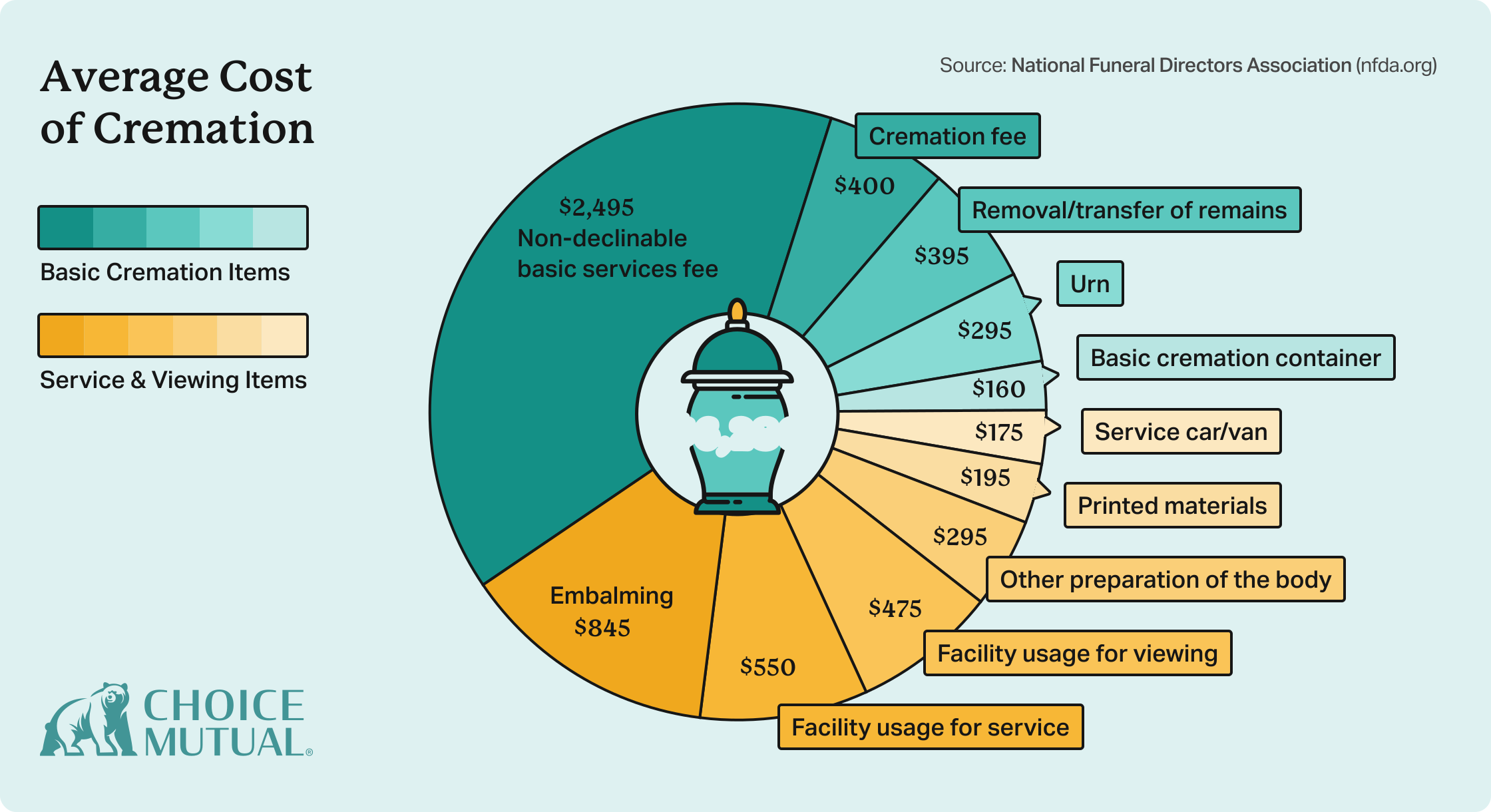
At its core, cremation involves the process of reducing a deceased body to bone fragments and ashes through high temperatures. The basic cremation service fee typically covers:
- Transportation of the Deceased: This includes the initial removal of the individual from the place of death (home, hospital, or hospice) to the crematorium. The distance and time of day can sometimes influence this cost.
- Cremation Process: This is the direct fee for the use of the crematory’s equipment and staff to perform the cremation.
- Basic Container: A simple, combustible container is required to hold the body during the cremation process. This is often a cardboard or wood-composite box.
- Temporary Urn or Container: After cremation, the ashes (pulverized bone fragments) are placed in a temporary urn or container for return to the family.
It’s important to distinguish this from a “direct cremation,” which is the most basic and often the least expensive option. Direct cremation usually includes only the essential services listed above, with no embalming, viewing, or formal service.
Additional Services and Fees
Beyond the basic cremation, several other services can add to the overall cost. These are often optional but are frequently chosen by families for various reasons.
- Embalming: While not required for cremation, embalming is sometimes chosen if a viewing or visitation is planned before the cremation. Embalming involves preserving the body through chemical treatment.
- Viewing or Visitation: If a family wishes to spend time with the deceased before cremation, a viewing or visitation can be arranged. This typically requires embalming and preparation of the body, as well as the use of a funeral home’s viewing room.
- Memorial Services: A memorial service can be held before or after the cremation. These services can vary greatly in scope and cost, from a simple gathering at a funeral home to a more elaborate event at a church or other venue.
- Cremation Casket or Alternative Container: While a basic cremation uses a simple container, if a viewing is planned, a special cremation casket or an alternative container might be required or preferred. These are often more decorative than the basic cremation box but are designed to be incinerated.
- Urn: The temporary container provided is basic. Most families opt to purchase a permanent urn to hold the ashes. Urn prices vary dramatically based on material, craftsmanship, and size. Options range from simple ceramic or metal urns to elaborate marble, wood, or keepsake urns.
- Certified Copies of the Death Certificate: These official documents are required for various legal and financial matters. Funeral homes typically assist with obtaining these, and a fee is charged per copy.
- Oversized Cremation: If the deceased exceeds a certain weight limit (typically around 250-300 pounds), an additional fee may be charged for oversized cremation due to the specialized equipment and longer cremation times required.
- Pace Maker Removal: If the deceased has a pacemaker or other implantable medical device, it must be removed before cremation to prevent potential explosions. This service is usually performed by a medical professional and incurs a separate fee.
Factors Influencing Cremation Costs in Texas
The price of cremation in Texas can fluctuate based on several key factors, making it important to get detailed quotes from providers.
Geographic Location
Like many services, the cost of cremation can vary depending on the region within Texas. Larger metropolitan areas like Houston, Dallas, San Antonio, and Austin often have more competition among funeral homes and crematories, which can lead to more competitive pricing. Conversely, services in more rural or remote areas might be more expensive due to limited providers and increased transportation costs.
Type of Provider
The type of establishment handling the arrangements also impacts cost.
- Traditional Funeral Homes: These establishments offer a full range of services, including embalming, viewings, funerals, and cremation. Their pricing often reflects the comprehensive nature of their offerings.
- Cremation-Focused Providers: Many businesses specialize solely in cremation services, often referred to as “cremation societies” or “direct cremation providers.” These businesses tend to have lower overhead costs and focus on streamlining the cremation process, making them a more budget-friendly option.
- Online/Remote Providers: A growing trend involves online providers who facilitate cremation arrangements remotely. These can offer competitive pricing by reducing the need for physical facilities. However, it’s essential to ensure they are licensed and reputable.
Included Services and Packages
The level of service selected is the most significant cost driver. A simple, direct cremation with no viewing or embalming will be considerably less expensive than a cremation package that includes a full funeral service, embalming, a cremation casket, and an ornate urn. Many providers offer tiered packages to suit different needs and budgets.
Urn Selection
The choice of urn can range from a few hundred dollars to several thousand. While a basic urn is usually included or available at a low cost, families often select a more personalized and durable option. The material (metal, ceramic, wood, stone), design, and whether it’s a keepsake urn (designed to hold a portion of the ashes) or a full-sized urn will influence the price.
Average Cremation Costs in Texas
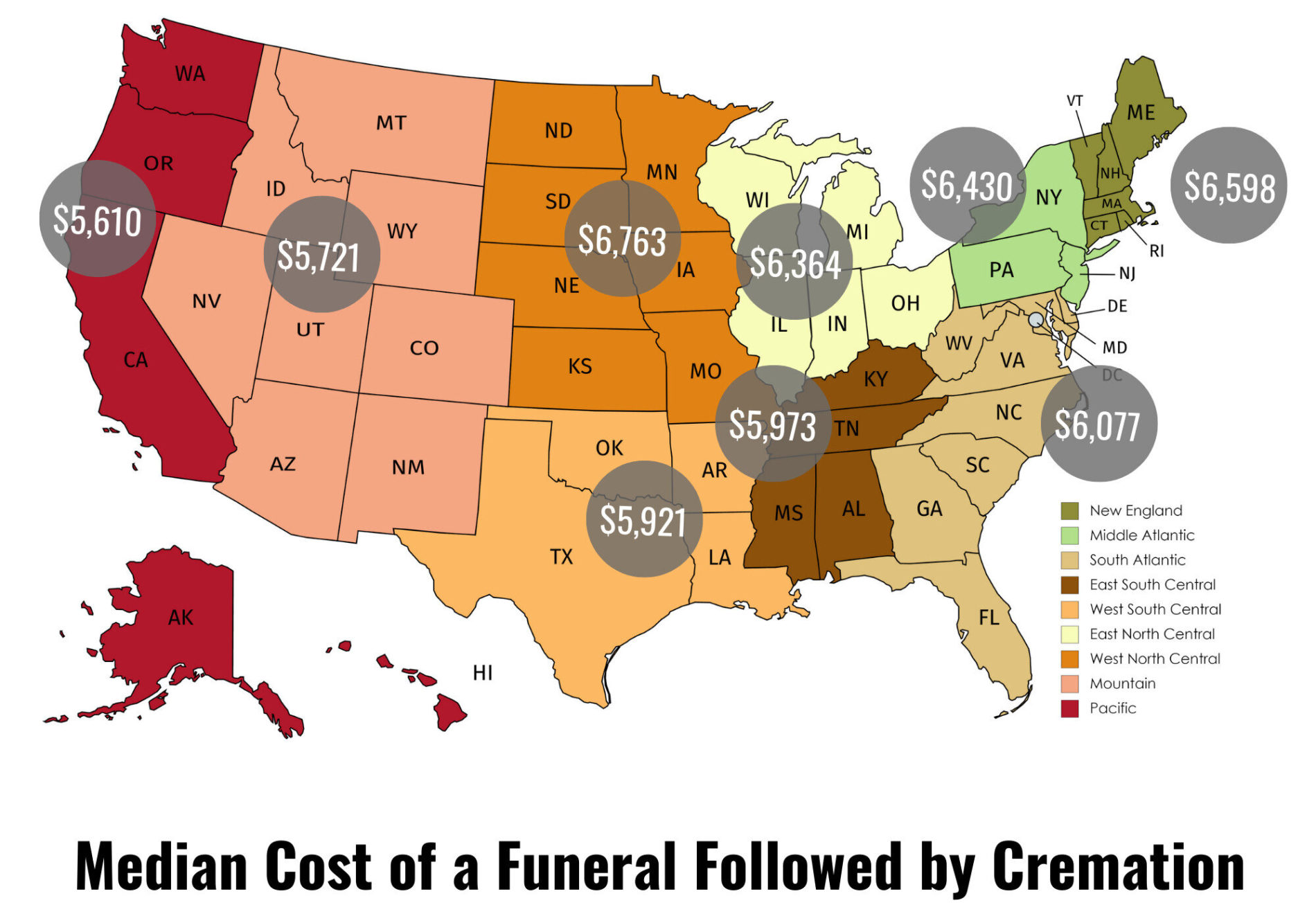
Estimating a precise national or even statewide average for cremation is challenging due to the wide range of services and provider types. However, based on industry data and anecdotal evidence, the cost of cremation in Texas generally falls within the following ranges:
Direct Cremation
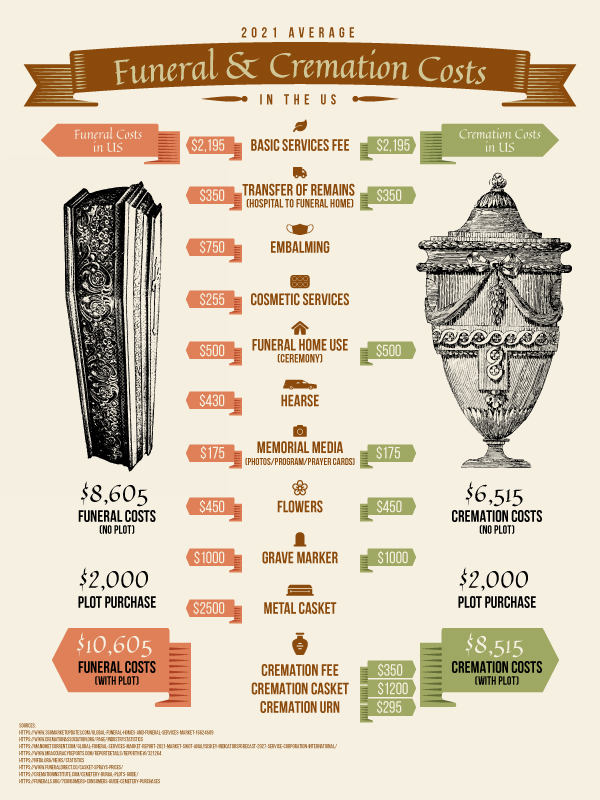
This is the most economical option. It typically includes the basic services: transportation, cremation fee, basic container, and temporary urn. Prices for direct cremation in Texas can range from approximately $1,500 to $3,500. Some very basic online providers might offer even lower prices, particularly in high-competition urban areas.
Cremation with a Memorial Service
When families opt for a memorial service before or after cremation, the costs increase. This often includes the basic cremation package plus costs for a funeral director’s services, use of facilities for the service, embalming (if a viewing precedes the cremation), and a more elaborate cremation casket or container. These packages can range from $4,000 to $7,000 or more.
Cremation with a Full Funeral Service
This comprehensive option includes all aspects of a traditional funeral service, with cremation as the final disposition. This would involve embalming, viewing, a funeral ceremony in a funeral home or place of worship, a cremation casket, and cremation. The cost for such a package can range from $6,000 to $10,000 or significantly higher, depending on the customizations and the venue chosen.
Urn Costs
A separate budget should be allocated for an urn. Basic temporary urns are often included in cremation packages. However, permanent urns can range from $100 for a simple metal or wood urn to $3,000 or more for handcrafted, artistic, or premium material urns.
Making Informed Decisions
When choosing cremation services in Texas, it’s vital to be an informed consumer.
Obtain Itemized Price Lists
Funeral homes and crematories are legally required to provide an itemized General Price List (GPL) upon request. This document details the cost of each service and product they offer, allowing for a clear comparison.
Ask Specific Questions
Don’t hesitate to ask detailed questions about what is included in each package and what additional costs might arise. Key questions include:
- What is the weight limit for standard cremation pricing?
- Are there extra charges for after-hours pickup?
- What is the process for obtaining death certificates?
- What are the options for memorialization?
Consider Pre-Arrangement
Many individuals choose to pre-arrange their cremation services. This allows them to lock in current prices, make their wishes known, and relieve their families of the financial and emotional burden during a difficult time. Pre-payment options are often available.
Compare Providers
Obtain quotes from at least two to three different providers in your area. Compare not only the prices but also the quality of service, the flexibility of their offerings, and their reputation. Reviews and recommendations can be valuable resources.
Cremation in Texas offers a meaningful and often more accessible way to honor a loved one’s memory. By understanding the costs involved and the factors that influence them, families can make choices that align with their financial circumstances and personal preferences.
LifeOutOfTheBox is a participant in the Amazon Services LLC Associates Program, an affiliate advertising program designed to provide a means for sites to earn advertising fees by advertising and linking to Amazon.com. Amazon, the Amazon logo, AmazonSupply, and the AmazonSupply logo are trademarks of Amazon.com, Inc. or its affiliates. As an Amazon Associate we earn affiliate commissions from qualifying purchases.