
Texas, a state synonymous with vast landscapes, rich history, and a burgeoning economy, often tops the list for individuals considering a move or a long-term stay. Its appeal is multifaceted, ranging from the vibrant cultural hubs of Austin and Dallas to the more laid-back charm of smaller towns. However, understanding the financial commitment involved in establishing a life in the Lone Star State is paramount. This guide delves into the various cost factors, offering insights into how much it truly costs to live in Texas, with a particular focus on accommodation and the associated lifestyle expenses.
Understanding the Texas Cost of Living Landscape
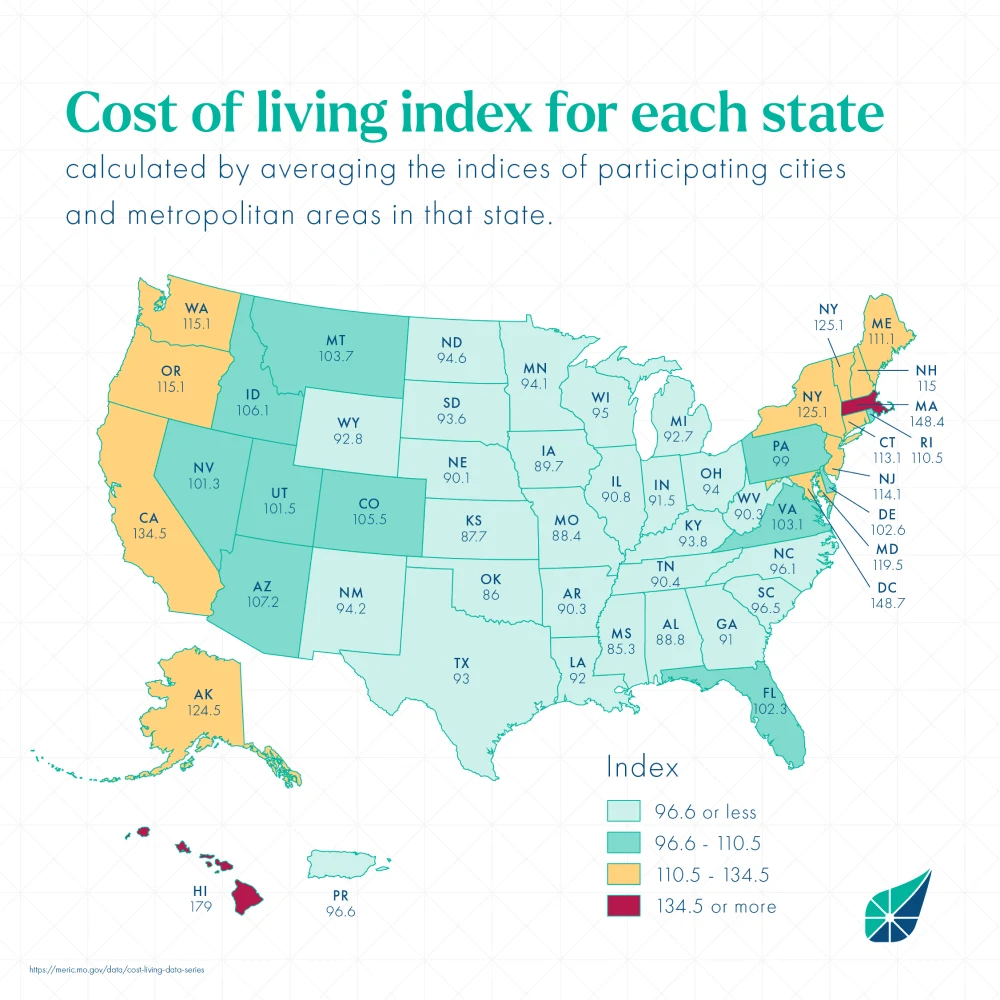
The cost of living in Texas is famously lower than the national average, making it an attractive proposition for many. This affordability is often attributed to its favorable tax policies, particularly the absence of state income tax. However, this broad statement needs unpacking, as costs can vary significantly from one region to another. Major metropolitan areas like Houston, San Antonio, and the aforementioned Austin and Dallas present different financial landscapes compared to rural communities or mid-sized cities.
Housing: The Largest Determinant
Housing expenses are almost invariably the most significant factor in the cost of living anywhere, and Texas is no exception. While still more affordable than many coastal states, housing prices have seen considerable growth, especially in popular urban centers.
Renting an Apartment
Renting offers flexibility, especially for those new to the state or considering a shorter-term stay. The average rent for a one-bedroom apartment in Texas can range widely.
- Major Metros: In cities like Austin, a one-bedroom apartment can easily fetch between $1,500 and $2,000 per month, with prime locations and newer buildings commanding higher rates. Dallas and Houston offer slightly more moderate options, with average rents for a one-bedroom in the $1,200 to $1,700 range.
- Mid-sized Cities: Cities like Fort Worth or El Paso might see average rents for a one-bedroom fall between $900 and $1,300.
- Rural Areas: For those seeking true affordability, renting in smaller towns or rural areas can bring the cost down significantly, often below $800 per month for a comparable apartment.
When considering rent, it’s crucial to factor in additional costs such as utilities (electricity, water, gas, internet), which can add an estimated $150-$300+ per month depending on usage and location. Some apartment complexes may also have additional fees for amenities or parking.
Purchasing a Home
For those looking for a long-term stay and considering homeownership, the market in Texas offers a range of opportunities.
- Home Prices: The median home price in Texas has been steadily increasing. As of recent data, it hovers around the $300,000 to $350,000 mark. However, this is a statewide average and can be heavily influenced by urban markets.
- Regional Variations: In Austin, median home prices can easily exceed $500,000, making it one of the pricier markets in the state. Dallas, Houston, and San Antonio typically fall within the $350,000 to $450,000 range for median home prices. Smaller cities and rural areas can offer properties for significantly less, sometimes starting in the low $200,000s.
- Property Taxes: A significant consideration for homeowners in Texas is property tax. Unlike states with income tax, Texas relies heavily on property taxes to fund local services. These rates can be among the highest in the nation, often ranging from 1.8% to over 2.5% of the assessed property value annually. This means a $300,000 home could incur annual property taxes of $5,400 to $7,500 or more.
- Homeowners Insurance: This is another essential cost, varying based on location, coverage, and the value of the home. Expect to budget $1,000-$2,000 annually, with higher premiums in areas prone to severe weather events.
Daily Living Expenses
Beyond housing, daily living expenses encompass a broad spectrum of costs that contribute to the overall cost of residing in Texas.
Groceries
The cost of groceries in Texas is generally in line with or slightly below the national average. A single person might spend between $300 and $500 per month on groceries, while a family of four could see this figure rise to $600-$1,000+, depending on dietary habits and shopping preferences. Major grocery chains like H-E-B, Kroger, and Walmart are widely available, offering a range of price points.
Transportation
Texas is a car-centric state, and transportation costs are a significant consideration.
- Car Ownership: The average monthly cost for car insurance in Texas can be around $150-$200, but this varies greatly based on driving record, vehicle, and location. Fuel costs depend on individual driving habits and current gas prices, which are generally comparable to national averages. Routine maintenance, registration, and potential loan payments add to the overall expenditure.
- Public Transportation: While larger cities like Dallas, Houston, and Austin offer public transportation options (bus, light rail), they are not as extensive or integrated as in some other major U.S. cities. Monthly passes can range from $50 to $100, offering a more budget-friendly alternative for commuters in specific service areas. Ride-sharing services are also readily available.
Utilities
As mentioned under housing, utilities are a consistent monthly expense. This typically includes electricity, water, sewage, and trash removal. Internet and cable TV are additional costs, with monthly packages often ranging from $70 to $150+. Energy consumption, particularly for air conditioning during the hot Texas summers, can significantly impact electricity bills.
Healthcare
Healthcare costs in Texas are generally in line with national averages, though individual out-of-pocket expenses depend heavily on insurance plans and providers. Average monthly premiums for employer-sponsored health insurance can range from $400 to $700 for an individual, and potentially $1,000-$1,800 for a family. This does not include deductibles, co-pays, or co-insurance.
Lifestyle and Discretionary Spending
The cost of living is not solely about necessities; lifestyle choices play a substantial role. Texas offers a diverse array of entertainment, dining, and cultural experiences, catering to various budgets.
Dining Out and Entertainment
- Dining: From fast-casual eateries to fine dining, Texas offers a culinary scene to suit every palate and budget. A casual meal for one might cost $15-$25, while a mid-range dinner for two could be $50-$80, and a fine dining experience could easily exceed $100 per person.
- Entertainment: Costs for entertainment are highly variable. Movie tickets typically range from $10-$15. Tickets to sporting events, concerts, or theater productions can range from $30 to several hundred dollars, depending on the event and seating. Many free or low-cost activities are also available, such as exploring parks, visiting local libraries, or attending community events, especially in cities like San Antonio with its historic missions.
Recreation and Hobbies
- Outdoor Activities: Texas boasts numerous state parks and natural attractions, like Big Bend National Park or the Texas Hill Country, offering affordable recreational opportunities. Entrance fees are typically modest, and camping can be a very budget-friendly way to enjoy the outdoors.
- Gym Memberships: Monthly gym memberships can range from $30 to $80 or more, depending on the facility and amenities offered.
- Shopping: Retail therapy can be as expensive or inexpensive as one desires. Texas has a wide range of shopping destinations, from major outlets and luxury boutiques to local markets and thrift stores.
Tax Implications in Texas
While Texas is attractive due to its lack of a state income tax, residents still face other tax obligations.
- Sales Tax: Texas has a state sales tax of 6.25%, with local jurisdictions adding up to an additional 2% for a maximum combined rate of 8.25%. This tax applies to most tangible goods and some services.
- Property Tax: As previously detailed, property taxes are a significant financial factor for homeowners.
- Other Taxes: Franchise taxes, excise taxes on certain goods (like alcohol and tobacco), and other fees contribute to the state’s revenue.
Budgeting for Life in Texas: A Sample Scenario
To provide a clearer picture, let’s consider a hypothetical monthly budget for a single professional living in a moderately priced apartment in a city like Austin or Dallas. This is a generalized example and actual costs will vary.
- Rent: $1,600 (one-bedroom apartment)
- Utilities (Electric, Water, Gas, Internet): $250
- Groceries: $400
- Transportation (Car Insurance, Gas, Maintenance): $300
- Healthcare (Estimated Out-of-Pocket): $150
- Dining Out/Entertainment: $300
- Personal Care/Miscellaneous: $150
- Total Estimated Monthly Expenses: $3,150
This sample budget excludes significant items like loan payments, childcare, savings, or extensive travel. For a family, these figures would naturally be higher.

Factors Influencing Your Texas Cost of Living
Several key factors will ultimately determine your personal cost of living in Texas:
- Location: This is the most significant factor. Choosing between a bustling metropolis like Houston, a growing tech hub like Austin, a more traditional Southern city like Dallas, or a charming smaller town will drastically alter your expenses, particularly housing.
- Lifestyle: Your spending habits on dining, entertainment, hobbies, and personal preferences will directly impact your budget.
- Housing Choices: Renting vs. buying, the size and type of property, and its proximity to amenities will all influence costs.
- Family Size: A single individual will have vastly different expenses compared to a couple or a family with children.
- Transportation Needs: Reliance on a personal vehicle versus public transport or ride-sharing services will affect your budget.
In conclusion, while Texas continues to offer a more affordable lifestyle compared to many other parts of the United States, it is not uniformly inexpensive. A thorough understanding of regional variations, particularly in housing and property taxes, coupled with realistic budgeting for daily expenses and lifestyle choices, is essential for anyone considering making the Lone Star State their home.
LifeOutOfTheBox is a participant in the Amazon Services LLC Associates Program, an affiliate advertising program designed to provide a means for sites to earn advertising fees by advertising and linking to Amazon.com. Amazon, the Amazon logo, AmazonSupply, and the AmazonSupply logo are trademarks of Amazon.com, Inc. or its affiliates. As an Amazon Associate we earn affiliate commissions from qualifying purchases.