
Navigating the labyrinth of state-mandated vehicle inspections can often feel like an unexpected detour on the road to enjoying your travels. For many, the primary concern revolves around the practicalities, chief among them being the cost. This is especially true when planning a road trip through the vast and diverse landscapes of Texas. Understanding the financial commitment required for a Texas vehicle inspection is crucial for budgeting and ensuring compliance with state law. While the inspection itself is a vital safety measure, its associated cost is a straightforward expense that most travelers can anticipate and manage.

The Standard Inspection Fee
The state of Texas has a standardized fee structure for its annual vehicle safety inspections. This ensures a level of consistency across all licensed inspection stations, preventing arbitrary price gouging and providing transparency for vehicle owners. The official maximum fee set by the state is designed to be reasonable, acknowledging the importance of regular vehicle maintenance without placing an undue financial burden on its citizens and visitors.
Base Inspection Cost
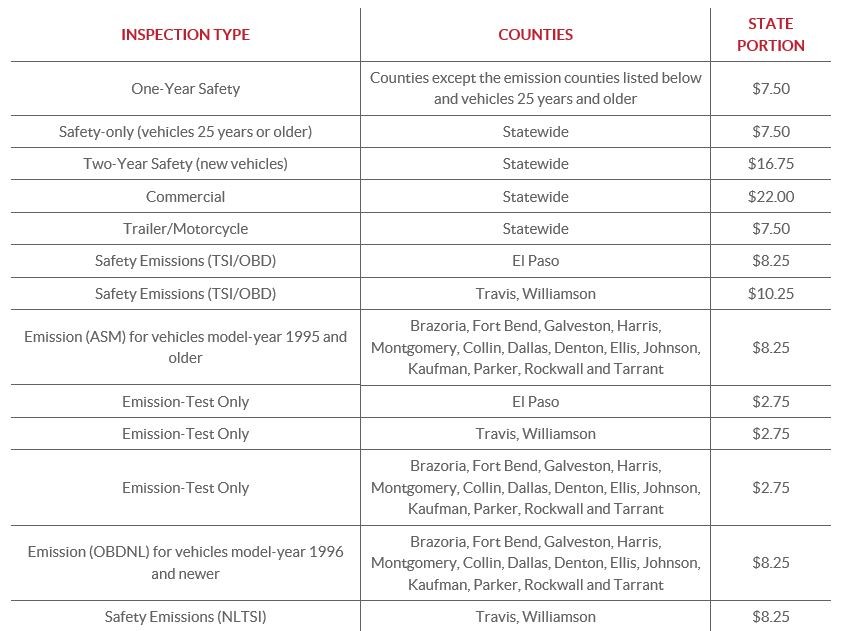
The current maximum fee for a standard Texas vehicle safety inspection is $30.00. This price is inclusive of all components and checks required by the Department of Public Safety (DPS) to ensure a vehicle meets the minimum safety standards. This fee covers the diagnostic checks, visual inspections, and the issuance of the inspection certificate, often referred to as the “sticker.”
What the Fee Covers
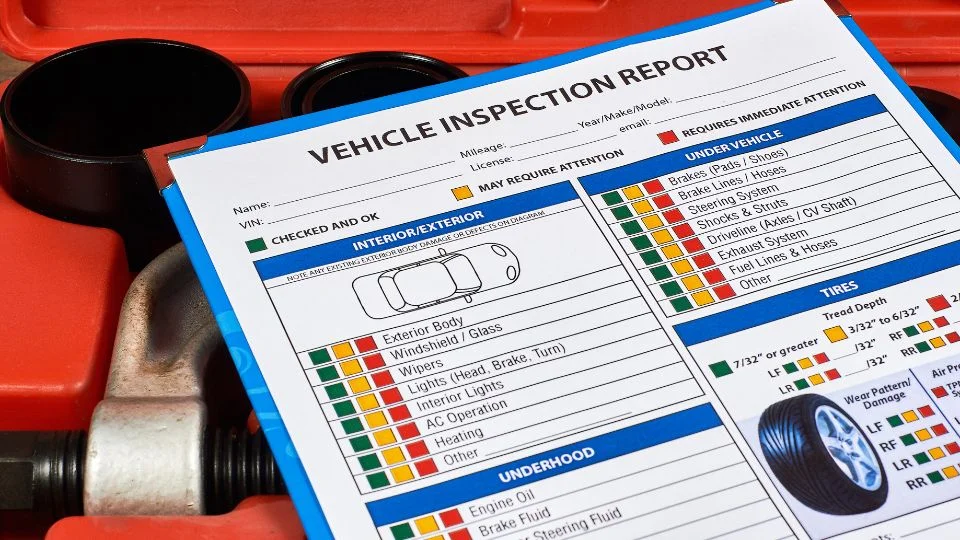
This $30.00 fee is not merely a payment for a sticker; it represents the cost of a comprehensive safety assessment. Licensed inspectors are required to check a multitude of systems essential for safe operation. These typically include:
- Brakes: Ensuring they are functional and meet performance standards.
- Lights: Verifying that headlights, taillights, brake lights, turn signals, and hazard lights are all working correctly and are properly aimed.
- Tires: Checking tread depth and for any signs of damage or excessive wear.
- Steering and Suspension: Inspecting for proper alignment and any loose or damaged components.
- Exhaust System: Ensuring there are no leaks and that the muffler is functioning to reduce noise pollution.
- Windshield Wipers and Washer Fluid: Confirming their operation for clear visibility.
- Horn: Testing for audibility and functionality.
- Mirrors: Checking for proper placement and condition.
- Doors and Latches: Ensuring they open, close, and latch securely.
- Safety Belts: Verifying that all seat belts are present, functional, and in good condition.
- Emissions (for certain counties): While the safety inspection is statewide, specific metropolitan areas in Texas also require an emissions test. This is an additional component.
The inspection process is designed to be thorough, aiming to identify potential safety hazards before they lead to accidents. The fee reflects the labor involved, the training of the inspectors, and the overhead of the inspection station.
Additional Fees and Considerations
While the $30.00 is the standard for the safety inspection, it’s important to note that certain circumstances can incur additional costs. These are typically related to repairs needed to pass the inspection, or specific vehicle types.
- Emissions Testing: In the 17 most populous counties of Texas, including areas around Houston, Dallas, and San Antonio, an emissions test is also required. This is often performed at the same inspection station but is a separate fee. The cost for an emissions test is typically between $15.00 and $20.00, bringing the total inspection cost in these counties to around $45.00-$50.00. If your vehicle fails the emissions test, you will need to have it repaired and re-tested, which may involve additional charges. However, there are waivers available if repair costs exceed a certain threshold.
- Repairs: If your vehicle fails any part of the safety or emissions inspection, you will need to have the necessary repairs made. The cost of these repairs is entirely separate from the inspection fee and will vary depending on the nature of the issue. For example, replacing worn brake pads will cost significantly less than addressing a problem with the steering system. Once repairs are completed, you will need to return to an inspection station for a re-inspection. Many stations offer a free or reduced-fee re-inspection within a certain timeframe (often 30-60 days) if the original inspection was performed at their facility.
- Motorcycle Inspections: Motorcycles are also subject to safety inspections in Texas, but the fee is generally lower than for passenger vehicles. The maximum fee for a motorcycle safety inspection is typically around $10.00.
- Commercial Vehicles: Larger commercial vehicles, such as trucks and buses, may have different inspection requirements and associated fees. These are typically handled under separate regulations and are not covered by the standard passenger vehicle inspection fee.
Where to Get Your Vehicle Inspected
Finding a licensed inspection station in Texas is straightforward. The state has a vast network of authorized repair shops, dealerships, and even some local government facilities that are certified to perform these inspections.
Licensed Inspection Stations
Any facility displaying the official “Official Inspection Station” sign is authorized to conduct both safety and, where applicable, emissions inspections. These signs are standardized and clearly visible from the exterior of the business. You can find these stations in virtually every city and town across the state, from bustling metropolises like Austin to smaller rural communities.
Choosing an Inspection Station
While the fee is standardized, the experience at different inspection stations can vary. It’s often advisable to:
- Check Reviews: If you are in an unfamiliar area, a quick online search for reviews of local inspection stations can provide insights into their efficiency and customer service.
- Inquire About Re-inspection Policies: If you suspect your vehicle might need minor repairs, ask about their policy on re-inspections after repairs are made. A station that offers free or discounted re-inspections can save you money if you need a follow-up.
- Consider Convenience: Some stations are designed for quick in-and-out service, while others might be part of a larger repair facility where you can wait for other services. Choose one that fits your schedule and needs.
- Verify Licensing: Although the official sign is a good indicator, you can always ask to see their inspection station license if you have any doubts.
The Inspection Process
Upon arriving at an inspection station, you will typically present your vehicle and identification. The inspector will then take your vehicle for the safety check. The process usually takes between 20 to 45 minutes, depending on the station’s workload and the vehicle’s condition. If your vehicle passes, you will receive your inspection certificate (sticker) to be affixed to your windshield. If it fails, the inspector will provide a report detailing the reasons for failure.
Why the Inspection is Important for Travelers
For those traveling through or to Texas, understanding and complying with the vehicle inspection law is not just a legal requirement but also a fundamental aspect of safe travel.
Road Safety
The primary purpose of the inspection is to enhance road safety for everyone. A properly functioning vehicle is less likely to experience mechanical failures that could lead to accidents. By ensuring critical components like brakes, tires, and lights are in good working order, the inspection system contributes to a safer driving environment across the state. This is particularly important on long journeys or when navigating the diverse road conditions that Texas offers, from the highways of West Texas to the urban sprawls of the Dallas-Fort Worth Metroplex.
Legal Compliance
Driving a vehicle without a current inspection sticker in Texas can result in traffic citations and fines. These fines can far exceed the cost of the inspection itself. Furthermore, if you plan to register your vehicle in Texas, a valid inspection certificate is a prerequisite. For visitors who are temporarily in the state, while Texas honors valid inspections from other states for a certain period, it is advisable to get a Texas inspection if you plan an extended stay or are establishing residency.
Avoiding Unexpected Costs and Delays
Budgeting for travel often involves anticipating all potential expenses. The inspection fee is a predictable cost. However, driving a vehicle that is not roadworthy can lead to much larger, unplanned expenses. A breakdown on a remote stretch of highway or in heavy city traffic can result in towing fees, expensive emergency repairs, and significant disruptions to your travel plans. Ensuring your vehicle is inspected and in good condition before embarking on a journey can prevent these costly and inconvenient situations. This proactive approach aligns perfectly with smart travel planning, whether you’re heading to the beaches of Galveston or the cultural attractions of San Antonio.
In conclusion, while the exact cost of a Texas vehicle inspection can vary slightly due to the potential addition of an emissions test in select counties, the base safety inspection fee is capped at a reasonable $30.00. Understanding this cost, knowing where to find licensed inspection stations, and recognizing the importance of this process for safety and legal compliance will help ensure a smoother and more secure travel experience through the Lone Star State.
LifeOutOfTheBox is a participant in the Amazon Services LLC Associates Program, an affiliate advertising program designed to provide a means for sites to earn advertising fees by advertising and linking to Amazon.com. Amazon, the Amazon logo, AmazonSupply, and the AmazonSupply logo are trademarks of Amazon.com, Inc. or its affiliates. As an Amazon Associate we earn affiliate commissions from qualifying purchases.