
Understanding the financial investment associated with breast augmentation surgery in Texas is a crucial step for many individuals considering this procedure. While the allure of enhanced confidence and altered silhouette is powerful, the practical aspect of cost often dictates the feasibility of such a journey. This comprehensive guide delves into the various factors that influence the overall price of breast augmentation in the Lone Star State, offering a transparent breakdown to help prospective patients make informed decisions. From surgical fees to implant choices and facility expenses, we’ll navigate the landscape of cosmetic surgery costs, ensuring you are well-equipped with the knowledge needed to plan your procedure.

The Core Components of Breast Augmentation Costs
The total price tag for a breast augmentation in Texas is not a monolithic figure but rather a composite of several distinct expenses. Recognizing these individual components is key to understanding the variability in quotes and to budgeting effectively.
Surgeon’s Professional Fee
The most significant portion of the cost is typically attributed to the surgeon’s fee. This encompasses their expertise, years of experience, specialization in plastic surgery, and the reputation they’ve cultivated. Highly sought-after surgeons, particularly those with extensive training in breast aesthetics and a track record of exceptional results, often command higher fees. Their fee covers the surgeon’s time in consultation, pre-operative planning, the surgical procedure itself, and essential post-operative follow-up appointments. The complexity of the procedure, whether it’s a primary augmentation or a revision, can also influence this fee. When evaluating surgeons, it’s advisable to look for board certification in plastic surgery, which signifies a high level of training and adherence to rigorous standards. Examining before-and-after portfolios and reading patient testimonials can offer insights into a surgeon’s skill and aesthetic judgment.
Anesthesia Fees
Anesthesia is a vital component of any surgical procedure, ensuring patient comfort and safety. The cost of anesthesia is determined by several factors, including the type of anesthesia used (local with sedation, or general anesthesia), the duration of the surgery, and the anesthetist’s fees. A board-certified anesthesiologist or a certified registered nurse anesthetist (CRNA) will administer the anesthesia, and their professional fees are separate from the surgeon’s. Longer and more complex procedures naturally incur higher anesthesia costs. The facility where the surgery is performed may also have a standard anesthesia rate or work with specific anesthesia providers. It’s important to clarify whether the anesthesia fee is included in the surgeon’s overall quote or billed separately.
Facility Fees
The surgical facility itself represents another substantial cost. This fee covers the use of the operating room, surgical equipment, sterilization procedures, nursing staff, and recovery room care. Breast augmentation surgeries can be performed in various settings:
- Hospital Operating Rooms: These tend to be the most expensive option due to the overhead and comprehensive services offered by a hospital. They are often chosen for more complex cases or for patients who may have underlying health conditions requiring immediate access to a full medical team.
- Ambulatory Surgery Centers (ASCs): Many plastic surgeons operate out of accredited ASCs, which are specifically designed for outpatient surgical procedures. These facilities are typically less expensive than hospital operating rooms while still maintaining high standards of safety and care. They are equipped with state-of-the-art surgical suites and staffed by experienced medical professionals.
- Office-Based Surgical Suites: Some surgeons have fully accredited surgical suites within their own practices. These can offer convenience and potentially lower costs, as they eliminate the overhead associated with larger facilities. However, it’s crucial to ensure these suites meet all safety and accreditation standards for the type of procedure being performed.
The choice of facility will depend on the surgeon’s recommendations, the patient’s health status, and the overall cost structure.
Implant Costs
The type, brand, and size of breast implants significantly impact the overall cost. The market offers a range of options, each with its own pricing.
Types of Implants
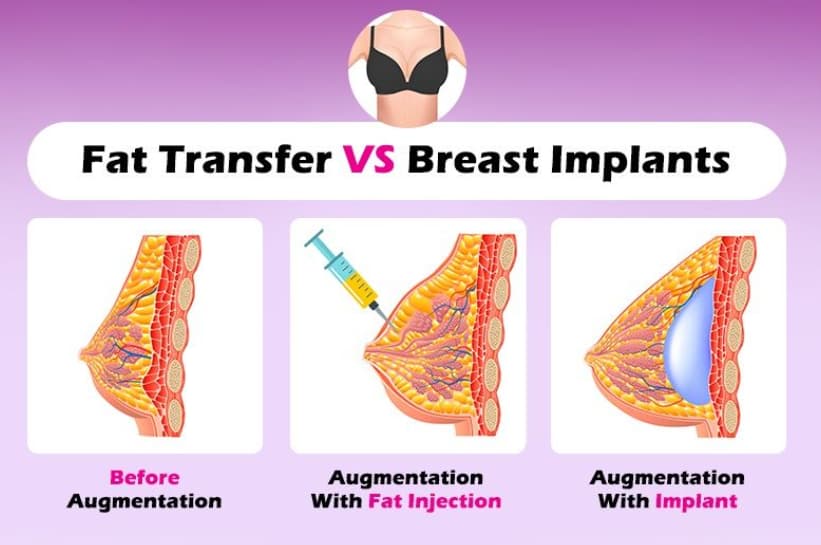
- Saline Implants: These implants are filled with sterile salt water after insertion. They are generally less expensive than silicone implants and have the advantage of being inserted through a smaller incision. If a saline implant ruptures, it deflates and the saline is naturally absorbed by the body.
- Silicone Implants: These implants are pre-filled with a silicone gel. They are known for their softer, more natural feel and appearance. Silicone implants are generally more expensive than saline implants. If a silicone implant ruptures, the gel may remain within the implant shell or leak into the breast tissue. For this reason, the FDA recommends regular MRI screenings for women with silicone implants to detect silent ruptures.
Implant Materials and Brands
Reputable implant manufacturers like Mentor, Motiva, and Allergan produce high-quality implants that meet stringent safety and performance standards. While the difference in price between major brands may not be astronomical, certain premium options or specialized implant designs can add to the cost. The texture of the implant (smooth versus textured) and its shape (round versus teardrop/anatomical) can also play a minor role in cost, though the primary drivers are material and brand.
Post-Operative Care and Medications
Following surgery, patients will require medications for pain management, infection prevention, and sometimes to aid in healing. These prescription costs are an additional expense. Additionally, specialized post-operative garments, such as compression bras, are often recommended to support the breasts during the healing process and can add to the overall cost. Some patients may also opt for additional recovery services, such as in-home nursing care or specialized recovery retreats, which would incur separate fees.
Factors Influencing Texas Breast Augmentation Prices
Beyond the core components, several other variables contribute to the fluctuating prices of breast augmentation in Texas.
Geographic Location Within Texas
Texas is a vast state, and the cost of living and medical services can vary significantly from one city to another. Major metropolitan areas like Houston, Dallas, Austin, and San Antonio generally have higher surgical costs compared to smaller towns or rural areas. This is often due to higher overhead for practices and surgeons in these competitive markets, as well as the demand for services. For instance, a breast augmentation performed by a renowned surgeon in a high-end practice in Uptown Houston might be priced differently than a similar procedure in a suburban Dallas clinic.
Surgeon’s Experience and Reputation
As mentioned earlier, the surgeon’s qualifications and standing in the medical community play a substantial role. A plastic surgeon who is a recognized leader in their field, frequently lectures at conferences, or has published extensively in medical journals may charge more for their services. This premium reflects their advanced skills, specialized knowledge, and the confidence patients place in their ability to achieve optimal outcomes. Conversely, a surgeon who is earlier in their career or has a less established practice might offer slightly lower rates. However, it is paramount to prioritize skill and safety over cost when choosing a surgeon for any cosmetic procedure.
Type of Procedure and Complexity
The term “breast augmentation” can encompass various surgical approaches and techniques, each affecting the price.
Surgical Approaches
- Placement of Implants: Implants can be placed either above the pectoral muscle (subglandular) or below the pectoral muscle (submuscular). Submuscular placement is often considered more technically demanding and may result in a slightly higher surgeon’s fee.
- Incision Techniques: Common incision sites include the inframammary fold (under the breast), the periareolar area (around the nipple), or the axilla (armpit). While incision placement doesn’t drastically alter the core surgical fee, techniques that require more intricate suturing or leave less visible scars might be associated with surgeons who charge more for their meticulous approach.
Additional Procedures
Many patients opt to combine breast augmentation with other procedures during the same surgical session. Common combinations include:
- Breast Lift (Mastopexy): If excess skin needs to be removed to achieve a more lifted appearance, a breast lift will be performed concurrently. This adds to the surgical time, complexity, and therefore, the overall cost.
- Abdominoplasty (Tummy Tuck): A “mommy makeover” often bundles breast augmentation with a tummy tuck for a more comprehensive body contouring transformation.
- Liposuction: While not directly related to breast augmentation, liposuction of other body areas is often performed in conjunction.
Each additional procedure adds to the surgeon’s fee, anesthesia time, facility charges, and recovery requirements, significantly increasing the total investment.
Implant Size and Profile
The size and profile (how far the implant projects forward) of the chosen implants can also influence the cost, though this is usually a minor factor compared to other elements. Larger implants or those with a higher projection may sometimes be priced slightly higher by manufacturers. However, the decision on implant size should be driven by aesthetic goals and anatomical suitability, not solely by cost.
Navigating the Costs: What to Expect in 2024
As of 2024, the average cost of breast augmentation surgery in Texas can range broadly. It’s essential to view these figures as estimates, as individual circumstances will dictate the final price.
Typical Price Ranges
- Overall Average: While definitive averages fluctuate, a reasonable estimate for a standard breast augmentation procedure in Texas, including surgeon’s fees, anesthesia, facility costs, and implants, typically falls between $7,000 and $12,000.
- Lower End: Simpler procedures, potentially performed in less expensive facilities or by surgeons with more competitive pricing, might fall in the $6,000 to $7,000 range. This could involve saline implants or a very straightforward augmentation technique.
- Higher End: More complex cases, extensive augmentation using premium silicone implants, procedures performed in top-tier hospitals in major cities, or those with highly experienced and sought-after surgeons could push the cost to $12,000 and beyond, sometimes reaching up to $15,000 or more, especially when combined with other procedures.
It is critical to obtain detailed quotes from multiple reputable surgeons to get a precise understanding of the costs involved for your specific needs and desired outcomes.
Understanding What’s Included in a Quote
When you receive a quote from a plastic surgeon’s office, it’s vital to understand precisely what is covered. A comprehensive quote should ideally include:
- Surgeon’s professional fee
- Anesthesiologist’s fee
- Facility or operating room charges
- Cost of breast implants
- Pre-operative and post-operative consultations and appointments
- Standard post-operative garments
- Prescription medications for pain management and antibiotics (though this can sometimes be billed separately by the pharmacy)
Questions to ask when reviewing a quote:
- Are there any potential hidden fees?
- What is the policy on revision surgeries, if needed? Are there additional costs associated with them?
- What is the payment schedule, and what financing options are available?
Financing and Payment Options
The significant investment required for breast augmentation often necessitates exploring financing options. Many patients utilize a combination of savings and financing to cover the costs.
Medical Financing Plans
Specialized medical financing companies work with healthcare providers to offer loans specifically for cosmetic procedures. These plans often feature competitive interest rates and flexible repayment terms. Popular providers include CareCredit and Alphaeon Credit. It’s advisable to research these options, compare interest rates, and understand the repayment structure before committing.
Payment Plans Through the Practice
Some surgical practices offer in-house payment plans. These may involve a down payment followed by monthly installments. It’s important to inquire about the terms, interest rates (if any), and the duration of these plans.
Health Savings Accounts (HSAs) and Flexible Spending Accounts (FSAs)
While cosmetic procedures are generally not covered by health insurance, if your breast augmentation is deemed medically necessary (e.g., for reconstruction after mastectomy, or to correct a congenital defect), it may be eligible for coverage. However, for purely aesthetic augmentation, HSAs and FSAs typically cannot be used for the procedure itself. Nevertheless, it’s always wise to consult with your HSA/FSA provider for clarification regarding your specific plan benefits.
Insurance Coverage
As breast augmentation is typically considered an elective cosmetic procedure, it is generally not covered by health insurance. Insurance companies view it as a non-medically necessary enhancement. However, there are exceptions. If the breast augmentation is part of a reconstructive surgery following breast cancer or a congenital deformity, insurance may provide coverage for a portion of the costs related to the reconstruction. This distinction is crucial, and patients should always consult with their insurance provider and surgeon’s office to determine potential eligibility for coverage.
Choosing the Right Surgeon and Facility in Texas
Selecting the right plastic surgeon and surgical facility in Texas is as important as understanding the costs. It directly impacts safety, the quality of results, and ultimately, your overall satisfaction.
Board Certification and Experience
Prioritize surgeons who are board-certified by the American Board of Plastic Surgery or an equivalent reputable board. This certification ensures they have undergone rigorous training and met stringent standards. Look for surgeons with extensive experience specifically in breast augmentation and a history of successful outcomes. Ask about the number of breast augmentations they perform annually.
Consultation Process
A thorough consultation is an essential part of the process. During this meeting, the surgeon should:
- Discuss your goals and expectations.
- Evaluate your anatomy to determine the most suitable implant type, size, and placement.
- Explain the surgical procedure, potential risks, and recovery process in detail.
- Answer all your questions comprehensively.
- Provide a clear, itemized quote for the procedure.
The surgeon’s communication style and how comfortable you feel with them are also significant indicators.
Facility Accreditation
Ensure that the surgical facility where your procedure will take place is accredited by a recognized organization such as The Joint Commission or the American Association for Accreditation of Ambulatory Surgery Facilities (AAAASF). Accreditation signifies that the facility meets high standards for safety, equipment, and staffing.
By thoroughly researching surgeons, understanding all associated costs, and exploring financing options, individuals can approach their breast augmentation journey in Texas with confidence and clarity. This investment in oneself is a significant decision, and a well-informed approach is key to achieving desired results and a positive surgical experience.
LifeOutOfTheBox is a participant in the Amazon Services LLC Associates Program, an affiliate advertising program designed to provide a means for sites to earn advertising fees by advertising and linking to Amazon.com. Amazon, the Amazon logo, AmazonSupply, and the AmazonSupply logo are trademarks of Amazon.com, Inc. or its affiliates. As an Amazon Associate we earn affiliate commissions from qualifying purchases.