
Navigating the cost of extended stays in the Lone Star State requires a keen understanding of the factors influencing prices. For those seeking a more permanent lodging solution than a traditional hotel but less commitment than a long-term lease, budget suites in Texas offer a compelling middle ground. These accommodations are designed to cater to individuals and families needing flexible, affordable housing for weeks or months at a time, often including amenities that support daily living. Understanding the typical monthly expenditure involves dissecting the various components that contribute to the overall price tag, from the base room rate to the inclusion of services and the specific location within this vast state.
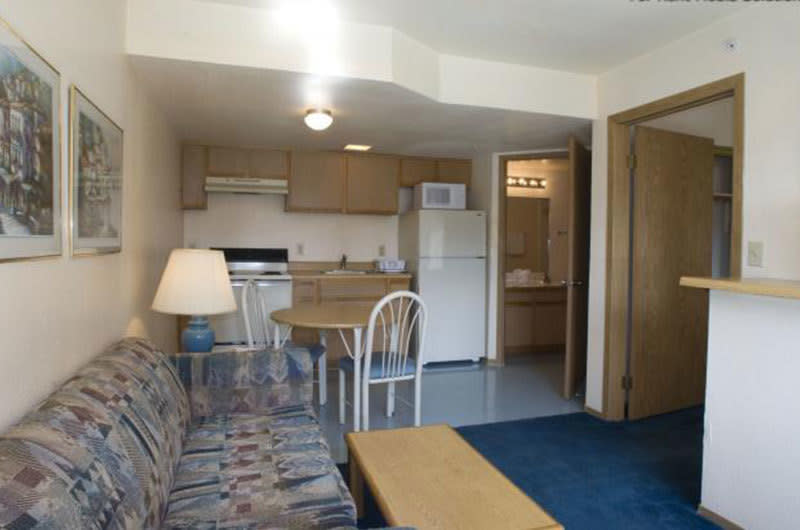
Factors Influencing Monthly Budget Suite Costs in Texas
The price of a budget suite in Texas is not a monolithic figure. It’s a dynamic calculation influenced by a confluence of economic, geographical, and operational elements. Prospective guests must consider these variables to accurately budget their extended stay.
Location, Location, Location
The adage “location is everything” holds particularly true for accommodation costs. In Texas, major metropolitan areas invariably command higher prices than their rural counterparts.
Major Metropolitan Hubs
Cities like Houston, Dallas, Austin, and San Antonio are economic powerhouses with robust job markets and significant tourism. This high demand for lodging, both short-term and extended, naturally drives up prices. Suites in these areas, even those designated as “budget,” will generally be at the higher end of the monthly cost spectrum. Expect to pay a premium for proximity to business districts, popular attractions, and essential services. For example, a budget suite in downtown Houston will likely be more expensive than a comparable suite in a smaller town outside the immediate city limits.
Suburban and Smaller Cities
As you move away from the immediate urban core, prices tend to decrease. Suburban areas around the major metros, and smaller cities across Texas such as El Paso, Corpus Christi, or Amarillo, often offer more affordable options. These locations can still provide convenient access to larger cities for work or leisure, making them attractive for budget-conscious travelers. However, even within these areas, proximity to major highways, employment centers, or specific attractions can influence local pricing.
Rural and Remote Areas
The lowest monthly rates can typically be found in more rural or remote parts of Texas. These areas often cater to specific industries, such as oil and gas exploration or agricultural operations, and may have a steadier, though perhaps less diverse, demand for extended stays. While the base cost might be lower, it’s crucial to consider the trade-offs in terms of amenities, services, and accessibility to everyday conveniences.
Suite Size and Amenities
The physical characteristics of the suite itself play a pivotal role in its monthly cost. Budget suites are designed to be functional and comfortable, but variations in size and included features can lead to price differences.
Studio vs. One-Bedroom
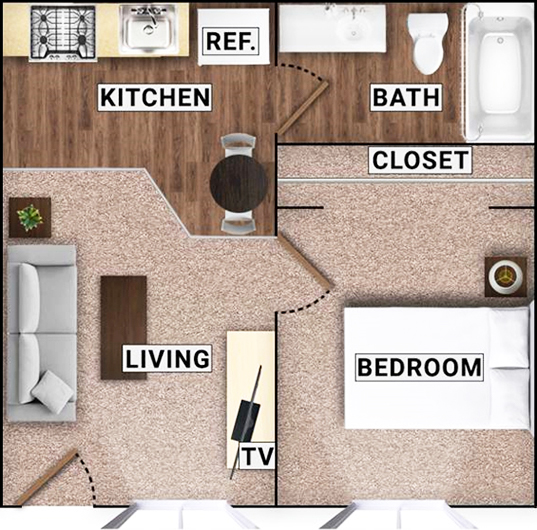
The most basic budget suites are often studio-style, combining the living, sleeping, and kitchen areas into a single open space. These are typically the most affordable. One-bedroom suites, which offer a separate sleeping area, provide more privacy and are usually priced higher. The square footage of the suite is a direct determinant of cost; larger suites naturally command higher monthly rates.
Kitchenette vs. Full Kitchen
Many budget suites are equipped with kitchenettes, featuring a mini-fridge, microwave, and perhaps a sink and a two-burner stovetop. These are ideal for simple meal preparation. Suites with full kitchens, including ovens, larger refrigerators, and more counter space, offer greater culinary flexibility but will likely come with a higher monthly price. The availability and quality of kitchen appliances directly impact the perceived value and, consequently, the cost.
Included Services and Utilities
A significant advantage of budget suites for extended stays is the inclusion of utilities. Most monthly rates will cover water, electricity, gas, and sometimes even internet and cable TV. However, the specifics can vary. Some properties might offer basic internet but charge extra for higher speeds, or cable packages might be limited. Understanding precisely what is included in the monthly fee is critical to avoid unexpected expenses. Properties that offer more comprehensive utility packages, such as high-speed Wi-Fi and premium cable, may have a slightly higher base rate.
Property Type and Brand Reputation
The type of property and the reputation of the brand operating it also influence pricing.
Independent vs. Branded Properties
Independent budget suite providers or smaller local chains might offer more competitive pricing due to lower overhead. However, established brands, even those in the budget segment, can sometimes command a premium due to perceived reliability, consistent quality, and brand recognition. For instance, a Extended Stay America property might be priced differently than a lesser-known independent hotel offering similar amenities in the same area.
Renovation Status and Age of Property
Recently renovated properties or those with modern amenities and updated décor can justify higher rates. Conversely, older properties, while potentially more affordable, might lack some of the modern conveniences guests expect. The overall condition and upkeep of the property contribute to its perceived value and pricing strategy.
Average Monthly Costs in Texas
While a precise figure is elusive due to the variables mentioned above, we can provide a general range for monthly costs of budget suites in Texas. This range assumes a standard month-long stay and aims to capture typical offerings.
Low-End Estimates
In smaller towns, rural areas, or less in-demand suburban pockets, the most affordable budget suites might start around $900 to $1,200 per month. These properties would likely be studios or smaller one-bedroom units with basic kitchenettes. Utilities would almost certainly be included, but internet speeds might be modest, and amenities could be limited to essentials like laundry facilities. These are ideal for solo travelers or couples on a very tight budget who prioritize affordability above all else.
Mid-Range Estimates
The majority of budget suites in Texas will fall into the mid-range category, typically costing between $1,200 and $1,700 per month. This price point generally covers more comfortable studio or one-bedroom suites in suburban areas or smaller cities. You can expect better-equipped kitchenettes or even full kitchens, more reliable high-speed internet, and perhaps enhanced cable packages. These suites often cater to families on relocation or professionals on extended business assignments, offering a good balance of cost, comfort, and convenience. Properties from well-known budget extended-stay brands often reside in this segment.
High-End Estimates (Within Budget Suites)
Even within the “budget” category, suites in prime locations within major metropolitan areas, or larger, more amenity-rich units, can reach $1,700 to $2,200+ per month. These are often one or two-bedroom suites in desirable neighborhoods of cities like Dallas, Austin, or Houston. They might boast modern furnishings, updated appliances, better views, and access to on-site amenities like fitness centers or pools that are more than just functional. These represent the upper limit for what is generally considered a “budget” extended-stay option.
Tips for Securing the Best Monthly Rate
To maximize savings and ensure a comfortable extended stay, proactive planning and strategic booking are essential.
Book Directly and Negotiate
While online travel agencies (OTAs) can be useful for initial research, booking directly with the hotel or suite property often yields better results for extended stays. Many properties offer special monthly rates that are not advertised on third-party sites. Don’t hesitate to call the property directly and inquire about their long-term stay discounts. Be prepared to negotiate, especially during off-peak seasons or if you are looking to book for a longer duration (e.g., three months or more). Mentioning competitor rates can also be a useful negotiation tactic.
Travel During the Off-Season
Like many travel-related expenses, the cost of budget suites can fluctuate based on demand. Texas experiences seasonal peaks in tourism and corporate travel. For instance, during major conventions, university events (like football season), or popular holiday periods, prices can surge. If your travel dates are flexible, consider visiting during the shoulder seasons or the off-season when demand is lower, and properties are more likely to offer discounted monthly rates to fill rooms.
Consider Loyalty Programs
If you frequently stay at extended-stay properties, enrolling in loyalty programs can be beneficial. Many hotel chains, even budget brands, have loyalty programs that offer points for stays, which can be redeemed for free nights, room upgrades, or other perks. Accumulating points can significantly reduce your out-of-pocket expenses over time. Some programs also offer elite status benefits, such as late check-out or complimentary Wi-Fi, which can enhance your stay.
Read Reviews Carefully
Before committing to a monthly stay, thoroughly research potential properties. Read recent reviews from other extended-stay guests. Pay attention to comments regarding cleanliness, noise levels, the reliability of amenities (especially Wi-Fi and appliances), and the responsiveness of the staff. Websites like TripAdvisor, Google Reviews, and specialized extended-stay forums can provide invaluable insights into the actual guest experience. A lower price might not be a good deal if the living conditions are subpar.

Understand the Contract and Fees
Always review the lease agreement or guest contract carefully before signing. Understand what is included in the monthly rate and what potential extra fees might apply. These could include pet fees, cleaning fees, parking fees, or charges for excessive utility usage. Clarify the terms regarding deposits, cancellation policies, and any requirements for notice before vacating the premises. A transparent understanding of all financial obligations will prevent unwelcome surprises.
LifeOutOfTheBox is a participant in the Amazon Services LLC Associates Program, an affiliate advertising program designed to provide a means for sites to earn advertising fees by advertising and linking to Amazon.com. Amazon, the Amazon logo, AmazonSupply, and the AmazonSupply logo are trademarks of Amazon.com, Inc. or its affiliates. As an Amazon Associate we earn affiliate commissions from qualifying purchases.