
Homeowners insurance is a crucial component of owning a property in Texas, offering financial protection against a range of perils. Given the state’s diverse climate, which includes everything from hurricanes and hailstorms to wildfires and even tornadoes, understanding the cost of this essential coverage is paramount for Texas homeowners. The price of homeowners insurance in Texas is not a one-size-fits-all figure; it’s a complex calculation influenced by a multitude of factors. From the specific location of your home to its age, construction materials, and your personal claims history, each element plays a role in determining your premium. This guide aims to demystify the cost of homeowners insurance in Texas, exploring the key drivers of premiums and providing insights into how you can manage and potentially reduce your expenses.
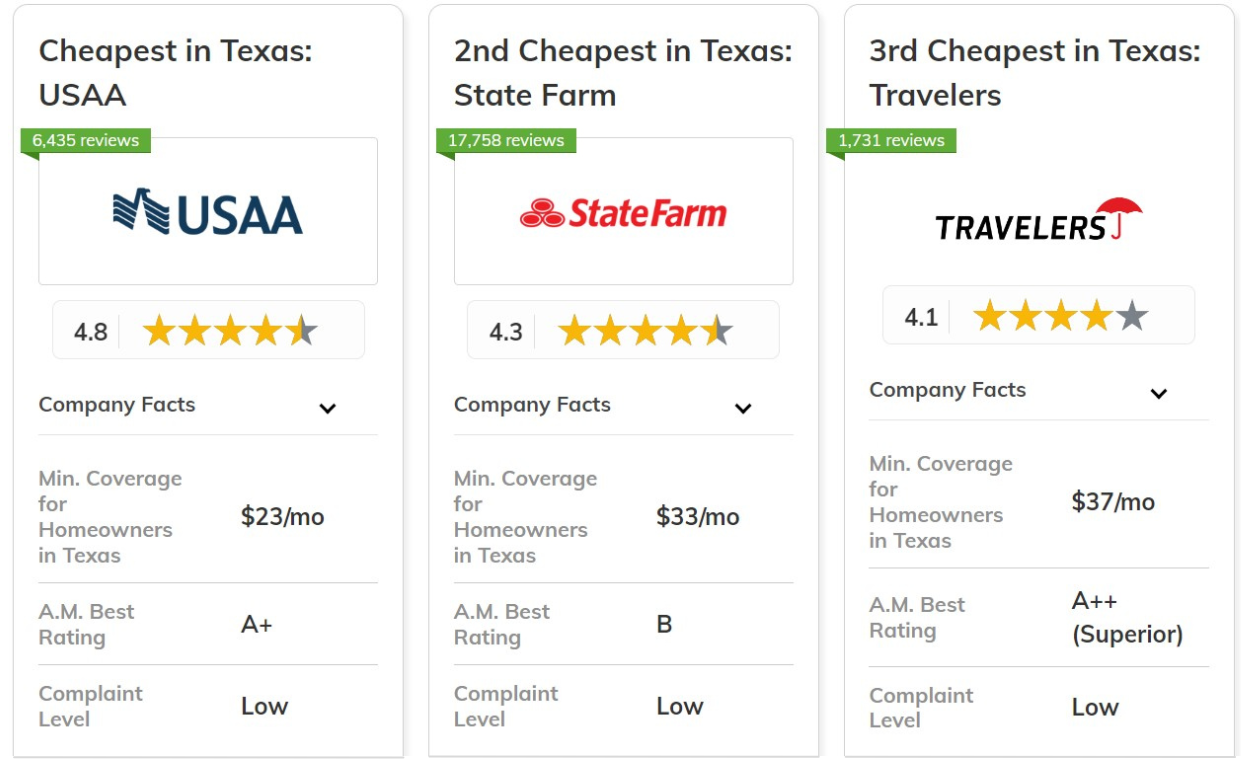
Factors Influencing Homeowners Insurance Costs in Texas
The premium you pay for homeowners insurance in Texas is a reflection of the risk your insurer perceives. Insurers use sophisticated algorithms and data analysis to assess this risk, and several factors are consistently weighted heavily in their calculations. Understanding these elements is the first step towards gaining a clearer picture of your potential insurance costs.
Location, Location, Location
The geographical location of your home is perhaps the most significant determinant of your insurance premium. Texas is a vast state with varying levels of risk exposure.
Natural Disaster Zones
Properties situated in areas prone to natural disasters will naturally carry higher insurance costs. For instance, coastal regions in Texas are particularly vulnerable to hurricanes and tropical storms, which can cause extensive wind and water damage. Consequently, homeowners in cities like Corpus Christi or Galveston often face higher premiums due to the increased risk of windstorm and flood damage, even though flood insurance is typically a separate policy. Similarly, areas within the “Hail Alley,” stretching from the Texas Panhandle down through Central Texas, including cities like Dallas and Fort Worth, experience frequent and severe hailstorms, driving up insurance costs for homes in these regions. Wildfire-prone areas, particularly in the western and central parts of the state, also contribute to higher premiums.
Crime Rates
Beyond natural disasters, crime rates in a particular neighborhood can also affect your insurance costs. Areas with higher rates of theft or vandalism may lead to slightly elevated premiums, as insurers factor in the increased likelihood of property damage or loss claims.
Proximity to Fire Services
The presence and response time of local fire departments significantly impact premiums. Homes located closer to well-equipped fire stations generally benefit from lower insurance rates, as the risk of fire damage escalating due to delayed response is reduced.
Property Characteristics
The physical attributes of your home itself are crucial in the insurance underwriting process.
Age and Condition of the Home
Older homes may have outdated electrical or plumbing systems, which can increase the risk of fires or water damage. Consequently, older properties often command higher insurance premiums compared to newer constructions that meet current building codes and safety standards. The overall condition of the roof, foundation, and other structural elements also plays a vital role. A well-maintained home with a newer roof, for example, is generally less risky and may result in lower premiums.
Construction Materials
The materials used to build your home can influence its resilience to various threats. Homes constructed with fire-resistant materials like brick or concrete tend to be viewed as less risky than those built primarily with wood. Similarly, certain roofing materials offer better protection against high winds and hail, which can lead to more favorable insurance rates.
Square Footage and Value
Larger homes naturally cost more to rebuild, and therefore, their insurance coverage will be more expensive. The total insurable value of your home—the amount it would cost to rebuild it from the ground up—is a direct driver of your premium. Insurers assess this value based on construction costs in your area, the size of your home, and the quality of its finishes.
Coverage Details and Deductibles
The specific types of coverage you choose and the deductible you select will directly impact your premium.
Coverage Levels
Homeowners insurance policies typically include several types of coverage: dwelling coverage (for the structure of your home), other structures coverage (for detached buildings like garages or fences), personal property coverage (for your belongings), loss of use coverage (for living expenses if you’re displaced), and liability coverage (for injuries that occur on your property). Opting for higher coverage limits for any of these components will naturally increase your premium. It’s essential to ensure your dwelling coverage is sufficient to rebuild your home in today’s market, considering the rising costs of labor and materials.
Endorsements and Riders
Many homeowners opt for additional coverage, known as endorsements or riders, to enhance their policies. These might include specific coverage for valuable items like jewelry or art, protection against identity theft, or enhanced water backup coverage. Each additional rider typically adds to the overall cost of your policy.
Deductibles
Your deductible is the amount you agree to pay out-of-pocket before your insurance coverage kicks in for a covered claim. Policies often have a standard deductible (e.g., a fixed dollar amount) and separate deductibles for specific perils like wind/hail or hurricanes, especially in coastal areas. Choosing a higher deductible generally results in a lower premium, as you are taking on more of the initial risk. Conversely, a lower deductible will lead to a higher premium. It is crucial to select a deductible that you can comfortably afford to pay in the event of a claim.
Personal Factors
Your individual circumstances and insurance history also play a role in how much you pay.
Claims History
If you have a history of filing homeowners insurance claims, even for minor incidents, it can signal to insurers that you are a higher risk. This can lead to increased premiums or, in some cases, difficulty obtaining coverage from certain providers. Maintaining a claims-free history can be beneficial for keeping your rates down.
Credit Score
In most states, including Texas, your credit-based insurance score is a significant factor in determining homeowners insurance premiums. Insurers have found a correlation between creditworthiness and the likelihood of filing claims. A higher credit score generally translates to lower insurance rates, while a lower credit score can result in higher premiums. This is because individuals with higher credit scores tend to file fewer claims.
Security Features
Homes equipped with safety and security features can often qualify for discounts. This includes alarm systems that alert a monitoring company, smoke detectors, carbon monoxide detectors, and deadbolt locks. Some insurers may also offer discounts for certain types of fencing or storm shutters, especially in hurricane-prone regions.
Average Homeowners Insurance Costs in Texas
Pinpointing an exact average cost for homeowners insurance in Texas is challenging due to the vast number of influencing variables. However, industry data and state averages can provide a general benchmark.
State Averages and Benchmarks
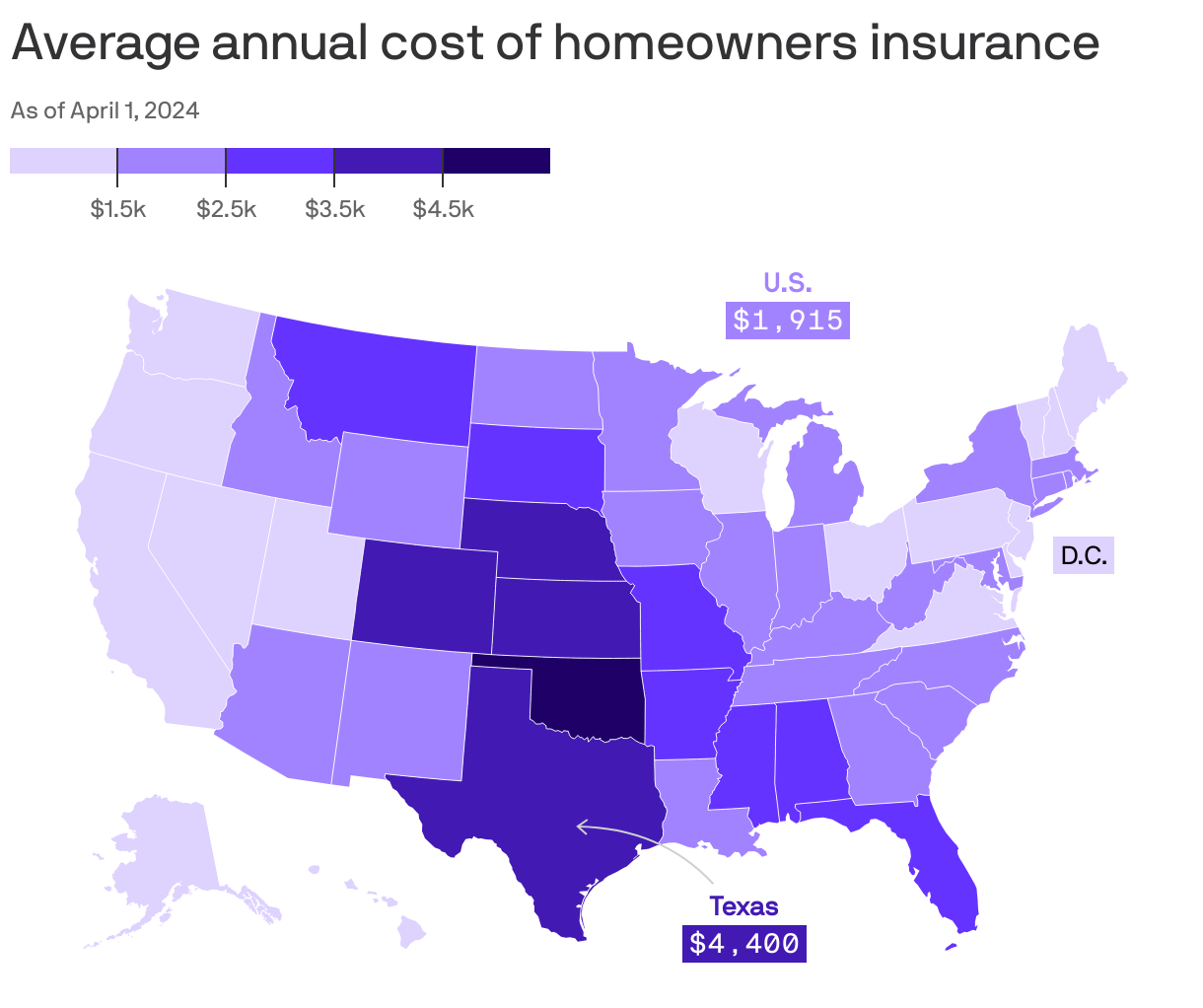
As of recent data, the average annual cost for homeowners insurance in Texas can range significantly, often falling between $2,500 and $4,000, and sometimes exceeding $5,000 for higher-risk properties or more comprehensive coverage. This is considerably higher than the national average, a reflection of the state’s susceptibility to severe weather events. For context, the national average for homeowners insurance might be closer to $1,500 to $2,000 annually. However, it’s crucial to remember that these are broad averages. A homeowner in a low-risk area with a well-maintained, newer home and a good credit score might pay significantly less, while a homeowner in a coastal flood zone with an older home and a history of claims could pay substantially more.
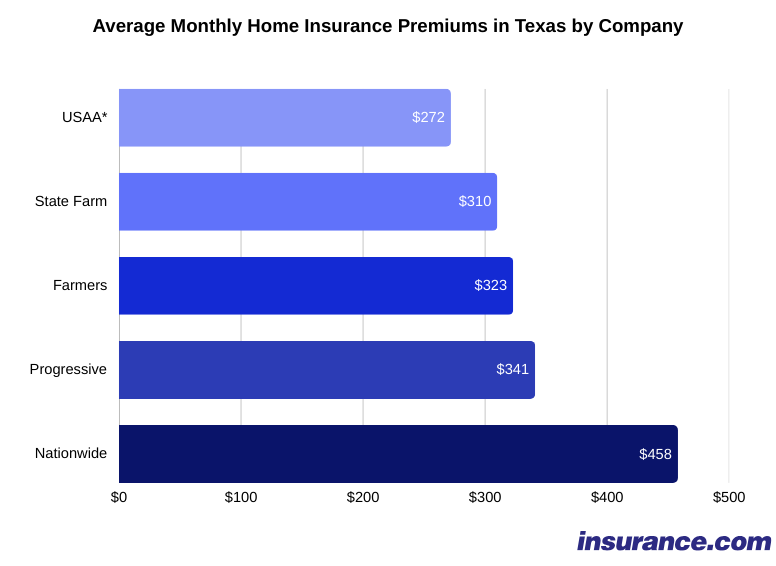
Comparing Rates Across Texas Cities
Premiums can vary substantially from one Texas city to another. For example:
- Coastal Cities: Homes in Houston, Galveston, and Corpus Christi often experience higher rates due to hurricane risk.
- Hail Alley Cities: Areas like San Antonio, Dallas, and Austin may see higher premiums due to frequent hailstorms.
- Inland and Less Risky Areas: Cities in less disaster-prone regions might offer more competitive rates, although no part of Texas is entirely immune to potential weather events.
Strategies for Reducing Homeowners Insurance Costs
While some factors influencing your premium are beyond your control, several proactive steps can help you secure more affordable homeowners insurance in Texas.
Shop Around and Compare Quotes
This is arguably the most effective strategy. Insurance providers have different underwriting guidelines and pricing models. What one company charges might be considerably higher than what another offers for the exact same coverage. It’s advisable to compare quotes from at least three to five different insurance companies annually, or whenever your policy is up for renewal. Don’t just look at the price; ensure you are comparing policies with similar coverage levels and deductibles.
Increase Your Deductible
As mentioned earlier, opting for a higher deductible can significantly lower your annual premium. However, this strategy should only be employed if you have sufficient savings to cover the increased deductible in the event of a claim. A common strategy is to have a deductible that is a percentage of your home’s value, such as 1% or 2%, but also to ensure you have a fixed dollar amount you can afford.
Bundle Your Policies
Many insurance companies offer discounts to customers who purchase multiple insurance products from them. This is known as bundling. If you own a vehicle, consider bundling your auto insurance with your homeowners insurance. The savings can be substantial, often ranging from 5% to 15% on each policy.
Improve Home Security and Safety Features
Installing security systems, such as monitored alarm systems for fire and burglary, can earn you discounts. Deadbolts on doors, smoke detectors, and sprinkler systems are also often recognized with premium reductions. For homes in hurricane-prone areas, installing storm shutters or impact-resistant windows can also lead to discounts.
Maintain Your Home
Regular maintenance can prevent costly claims and may even lead to lower premiums. Ensuring your roof is in good condition, your plumbing and electrical systems are up-to-date, and addressing any potential hazards can demonstrate to insurers that you are a responsible homeowner. Some insurers offer discounts for proactive maintenance.
Ask About Discounts
Don’t hesitate to ask your insurance agent about all available discounts. Beyond those already mentioned, insurers may offer discounts for:
- Loyalty: Staying with the same insurer for an extended period.
- New Home: For newly constructed homes.
- Profession: Certain professions may qualify for discounts.
- Military Service: Discounts for active duty or retired military personnel.
- Having no claims history: As noted before.
Review Your Policy Annually
As your circumstances change, so too might your insurance needs. It’s essential to review your homeowners insurance policy at least once a year. Have you made any significant improvements to your home? Is your coverage still adequate for the current cost of rebuilding? Are your belongings fully covered, especially if you’ve acquired new valuable items? An annual review ensures you have the right coverage at the best possible price and helps identify opportunities to adjust your policy for savings. For example, if your home’s value has decreased, you might be able to reduce your dwelling coverage, thus lowering your premium.
Understanding Specific Texas Insurance Coverages
Texas has unique requirements and considerations for homeowners insurance, particularly concerning weather-related risks.
Windstorm and Hail Coverage
In many parts of Texas, particularly along the coast and in Hail Alley, windstorm and hail damage are significant concerns. Standard homeowners policies typically include coverage for wind and hail, but often come with separate, higher deductibles for these perils. For homes in the Texas Windstorm Insurance Association (TWIA) territory, which is the 14 coastal counties and portions of Harris County, wind and hail coverage is a critical component, and TWIA policies have their own specific structures and costs. It’s vital to understand the specifics of your policy’s windstorm and hail deductibles, as they can be a percentage of your home’s insured value and significantly impact out-of-pocket costs during a severe storm.
Flood Insurance
It is crucial to note that standard homeowners insurance policies in Texas do not cover flood damage. Flooding from overflowing rivers, storm surge, or heavy rainfall is a separate peril. Homeowners in flood-prone areas, identified by FEMA flood maps, are strongly encouraged to purchase separate flood insurance, often through the National Flood Insurance Program (NFIP) or private flood insurance providers. Flood insurance costs vary based on your property’s elevation, flood zone designation, and the coverage levels chosen.
Dwelling vs. Market Value
Texas homeowners insurance premiums are based on the cost to rebuild your home (dwelling coverage), not its market value. The market value can be influenced by real estate trends and local demand, while the rebuilding cost is determined by construction materials, labor, and local building costs. It’s essential to have adequate dwelling coverage to ensure you can fully rebuild your home if it’s destroyed.
Navigating the complexities of homeowners insurance in Texas can seem daunting, but by understanding the factors that influence premiums and actively seeking ways to manage your costs, you can secure the financial protection you need. Regularly comparing quotes, optimizing your coverage, and maintaining your property are key strategies for ensuring your Texas home remains a secure and well-protected investment.
LifeOutOfTheBox is a participant in the Amazon Services LLC Associates Program, an affiliate advertising program designed to provide a means for sites to earn advertising fees by advertising and linking to Amazon.com. Amazon, the Amazon logo, AmazonSupply, and the AmazonSupply logo are trademarks of Amazon.com, Inc. or its affiliates. As an Amazon Associate we earn affiliate commissions from qualifying purchases.