
The allure of Texas is undeniable. From the sprawling ranches of the West Texas plains to the vibrant urban landscapes of its major cities, the Lone Star State offers a diverse range of opportunities for those looking to invest in land. Whether your dream is to build a custom home, establish a thriving agricultural enterprise, or simply own a piece of the American dream, understanding the valuation of land in Texas is paramount. This guide delves into the multifaceted factors that influence land prices across the state, providing insights for potential buyers and investors.
Factors Influencing Land Value in Texas
The price of land in Texas is not a static figure; it’s a dynamic interplay of various elements. Recognizing these influences is crucial for making informed decisions.
Location, Location, Location
This age-old real estate adage holds particularly true for Texas land. The sheer size of the state means that “location” can encompass vast differences in price.
Proximity to Major Metropolitan Areas
Land within a commutable distance of major economic hubs like Dallas, Houston, San Antonio, and Austin typically commands a premium. As cities expand, suburban and exurban areas experience increased demand for housing, commercial development, and infrastructure. This proximity drives up land values due to anticipated growth and convenience. For instance, acreage just outside of Austin can be significantly more expensive than comparable land in a more remote West Texas county.
Rural vs. Urban Land
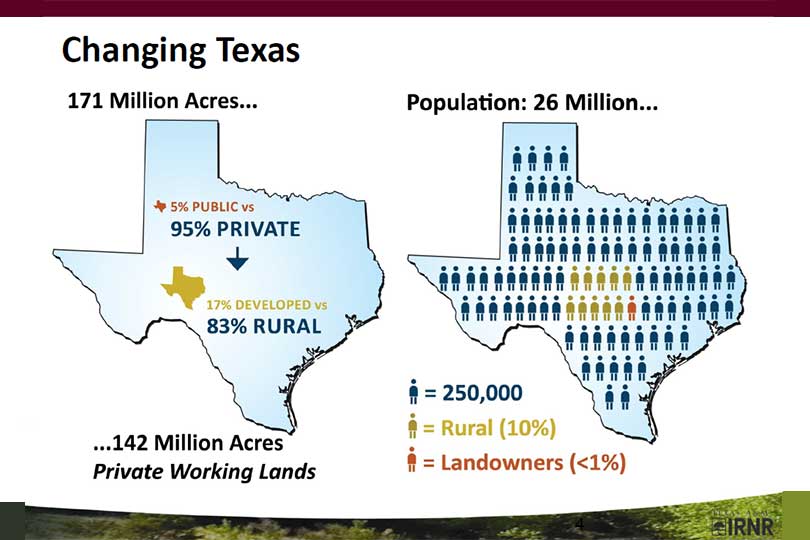
The distinction between rural and urban land is stark. Urban land, often zoned for commercial or high-density residential development, is valued for its immediate income-generating potential and access to established services. Rural land, on the other hand, is typically priced based on its agricultural productivity, recreational potential, or speculative value for future development. Ranches in the Hill Country might be priced per acre based on grazing capacity and scenic beauty, while a parcel in an industrial zone in Houston would be valued based on its suitability for manufacturing or logistics.
Access to Infrastructure and Utilities
The availability of essential services significantly impacts land value. Land with existing access to water, electricity, natural gas, and paved roads is inherently more valuable than land that requires extensive and costly infrastructure development. Properties with existing wells, septic systems, or connections to municipal services can reduce a buyer’s upfront investment and are therefore more attractive. Similarly, proximity to major highways, railways, or airports can enhance the value of land intended for commercial or industrial use.
Land Characteristics and Usability
Beyond its geographical location, the inherent physical attributes of the land itself play a pivotal role in its valuation.
Topography and Soil Quality
The lay of the land—whether it’s flat, rolling, or hilly—affects its suitability for various uses. Flat, arable land is ideal for agriculture and construction, often fetching higher prices. Rolling hills might offer scenic views and recreational opportunities, increasing their value for lifestyle or tourism-oriented developments. Soil quality is critical for agricultural land; fertile soil capable of supporting a wide range of crops will be more valuable than poor, rocky soil. Soil composition can also influence the cost of building foundations and other construction endeavors.
Water Features and Availability
Water is a precious resource, especially in many parts of Texas. Land with access to live water sources such as rivers, creeks, or lakes is highly sought after for its aesthetic appeal, recreational potential, and as a reliable water supply. The presence of springs or the feasibility of drilling productive water wells can significantly enhance a property’s value, particularly in drier regions. Groundwater rights can also be a considerable factor in pricing.
Vegetation and Natural Resources
The type of vegetation on a piece of land can influence its value. Timberland in East Texas, for example, has intrinsic value for its timber resources. Land suitable for hunting, with abundant wildlife and natural cover, can be priced higher for recreational buyers. The presence of mineral rights, though often severed from surface rights, can also add a speculative layer to land valuation, as future oil, gas, or other mineral discoveries could bring significant returns.
Market Conditions and Economic Factors
The broader economic landscape and the specific dynamics of the Texas real estate market are powerful drivers of land prices.
Supply and Demand
Like any commodity, land prices are subject to the fundamental economic principle of supply and demand. In areas experiencing rapid population growth and economic expansion, the demand for land often outstrips supply, leading to price increases. Conversely, in areas with declining populations or limited economic opportunities, land may be more readily available and less expensive.
Economic Growth and Job Market
The health of the overall economy in Texas, and particularly in its regional sub-markets, directly influences land values. A robust job market, fueled by industries such as energy, technology, healthcare, and manufacturing, attracts new residents and businesses, thereby increasing the demand for land for housing, commercial development, and industrial facilities. Areas experiencing significant job creation, such as the Austin tech corridor or the energy sector hubs around Houston, often see higher land appreciation rates.
Interest Rates and Financing
The cost of borrowing money, reflected in interest rates, plays a significant role in land affordability and demand. Lower interest rates make financing land purchases more accessible and affordable, potentially increasing demand and driving up prices. Conversely, higher interest rates can dampen demand and put downward pressure on land values.
Land Pricing Across Texas Regions
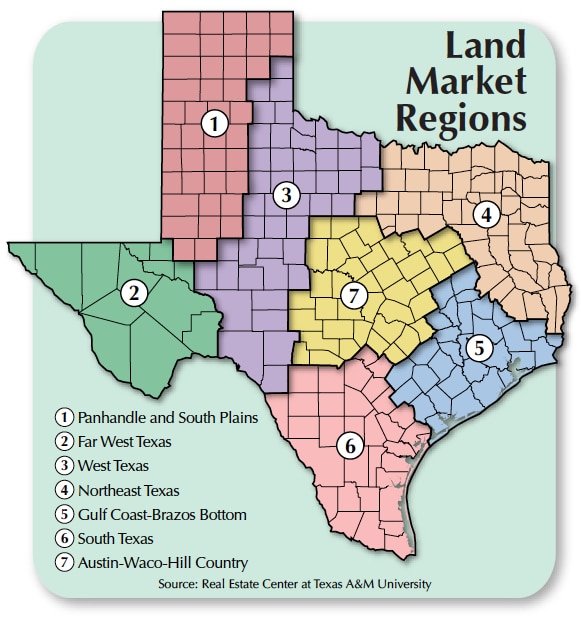
Texas is a state of distinct regions, each with its unique economic drivers and land characteristics that influence pricing.
The Major Metropolitan Corridors
The economic engines of Texas—the areas surrounding Dallas-Fort Worth, Houston, San Antonio, and Austin—are characterized by high demand and, consequently, higher land prices.
North Texas (Dallas-Fort Worth Metroplex)
The Dallas-Fort Worth metroplex is a dynamic hub for business, finance, and logistics. Land prices here are influenced by rapid population growth, corporate relocations, and extensive infrastructure development. Acreage within a 50-mile radius of Dallas or Fort Worth can range from tens of thousands to hundreds of thousands of dollars per acre, depending on zoning, proximity to transportation networks like DFW International Airport, and potential for commercial or residential development.

Central Texas (Austin-San Antonio Corridor)
This corridor, often referred to as “Silicon Hills,” is experiencing explosive growth driven by the technology sector. Austin and its surrounding areas have seen some of the most significant land value appreciation in the state. Land suitable for development, especially near major employers or transportation arteries, can be exceptionally expensive. Further south towards San Antonio, prices may be slightly more moderate, but the trend is upward due to the expanding economic influence of both cities.
Southeast Texas (Greater Houston Area)
Houston, a global center for the energy industry, boasts a vast and diverse real estate market. Land prices vary dramatically from prime commercial lots in the Galleria area to undeveloped acreage on the city’s outskirts. Proximity to the Port of Houston, major petrochemical complexes, and the city’s extensive highway system all contribute to land valuation. Coastal properties and land within flood plains may carry different price considerations.
West Texas and the Panhandle
This vast region is historically defined by agriculture, ranching, and the oil and gas industry. Land prices here are often lower per acre compared to the major metropolitan areas, but the scale of operations can involve significant total investment.
Ranch and Recreational Land
Large ranches in West Texas, stretching across thousands of acres, are typically priced based on carrying capacity for livestock, water sources, hunting potential, and scenic beauty. Prices can range from a few hundred dollars per acre for more remote, less developed land to several thousand dollars per acre for properties with prime water features or excellent hunting. The appeal here is often space, privacy, and a connection to the iconic Western landscape.
Oil and Gas Impacted Areas
Areas with active oil and gas exploration and production can see temporary surges in land value, particularly for parcels with proven or potential mineral rights. However, the surface value is often still primarily driven by agricultural or development potential. Buyers in these regions need to be aware of lease agreements and potential surface disruptions related to extraction activities.
East Texas and the Piney Woods
Known for its dense forests and natural beauty, East Texas offers opportunities for timber production, recreation, and rural living.
Timberland and Agricultural Land
Land in East Texas is often valued based on its timber producing capabilities. Mature pine forests can command significant prices per acre. Agricultural land here is suitable for a variety of crops and livestock. The presence of rivers like the Sabine River and numerous lakes contribute to the desirability of some parcels for recreational use and water access.
South Texas and the Gulf Coast
This region offers unique opportunities related to its agricultural productivity, its border proximity, and its extensive coastline.
Agricultural and Coastal Properties
South Texas is a significant agricultural producer, with fertile land supporting crops like citrus, cotton, and vegetables. Prices are influenced by soil quality and water availability. Along the Gulf Coast, land values are affected by proximity to beaches, ports, and the burgeoning renewable energy sector, particularly wind and solar. Coastal properties require consideration of hurricane risk and flood insurance.
Understanding Different Types of Land Sales
The way land is marketed and sold also influences its price.
Raw Land vs. Developed Acreage
Raw land, often referred to as unimproved land, is sold in its natural state with little to no existing infrastructure. Its value is largely based on its potential for future development. Developed acreage, on the other hand, may already have utilities stubbed to the property line, roads, or even preliminary site work completed, making it more expensive due to the reduced development burden for the buyer.
Agricultural and Ranch Land
These parcels are typically sold based on acreage and their ability to support livestock or crops. Factors like fencing, water sources, pasture quality, and existing barns or corrals are important considerations. Ranch land often emphasizes acreage and carrying capacity per animal unit.
Commercial and Industrial Land
Land zoned for commercial or industrial use is valued based on its potential for income generation. Proximity to transportation, visibility, zoning regulations, and surrounding business activity are key valuation drivers. These parcels are often priced per square foot of potential building area or based on projected revenue.
Residential Development Land
This category includes land intended for single-family homes, townhouses, or apartment complexes. Its value is tied to market demand for housing, local growth trends, and zoning that permits residential construction. Proximity to schools, amenities, and job centers is crucial.
Navigating the Texas Land Market
Purchasing land in Texas requires diligence and a thorough understanding of the market.
Working with Land Professionals
Engaging with experienced real estate agents specializing in land transactions is highly recommended. These professionals have in-depth knowledge of local markets, zoning laws, and the unique aspects of agricultural, recreational, and development land sales. They can help identify suitable properties, negotiate terms, and guide you through the complex closing process.
Due Diligence and Surveys
Before finalizing any land purchase, thorough due diligence is essential. This includes obtaining a professional survey to confirm boundaries and acreage, investigating title reports for any encumbrances or easements, and researching zoning regulations and potential development restrictions. Understanding water rights, mineral rights, and any existing leases is also critical.
The landscape of land ownership in Texas is as varied and expansive as the state itself. By understanding the intricate web of factors that influence land values—from the macro-economic forces shaping Texas’s growth to the micro-characteristics of a specific parcel—buyers can approach the market with confidence and make strategic investments that align with their long-term goals. Whether seeking a vast ranch, a future home site, or a commercial development opportunity, the Lone Star State offers a wealth of possibilities for those ready to claim their piece of the horizon.
LifeOutOfTheBox is a participant in the Amazon Services LLC Associates Program, an affiliate advertising program designed to provide a means for sites to earn advertising fees by advertising and linking to Amazon.com. Amazon, the Amazon logo, AmazonSupply, and the AmazonSupply logo are trademarks of Amazon.com, Inc. or its affiliates. As an Amazon Associate we earn affiliate commissions from qualifying purchases.