
Navigating the vast expanse of Texas can be an exhilarating experience, from the bustling metropolises of Houston and Dallas to the charming historic districts of San Antonio and the scenic beauty of the Texas Hill Country. For many travelers, particularly those embarking on road trips or frequenting major urban areas, understanding the intricacies of toll roads and the associated payment systems is paramount. Among these, the “toll tag” stands out as the most convenient and cost-effective method for managing toll expenses. This article delves into the world of toll tags in Texas, exploring their costs, types, and how they streamline your journey across the Lone Star State.
Understanding Toll Tags in Texas
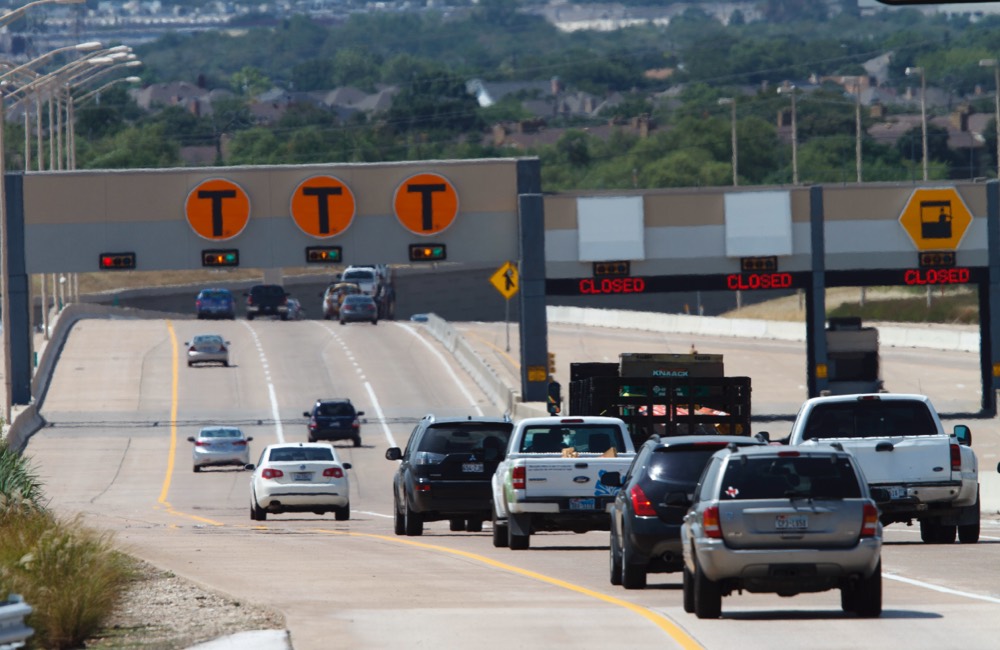
A toll tag, often referred to as a transponder or electronic toll collection (ETC) device, is a small electronic device that attaches to your vehicle’s windshield. It communicates with overhead readers on toll roads, automatically deducting the toll amount from a pre-paid account or billing your linked credit card. This system eliminates the need to stop and pay cash at toll booths, saving precious time and often providing a discount compared to paying without a tag.
In Texas, toll roads are managed by various regional toll authorities, with the Texas Department of Transportation (TxDOT) overseeing many state highways, while entities like the Harris County Toll Road Authority (HCTRA) in Houston and the North Texas Tollway Authority (NTTA) in the Dallas-Fort Worth Metroplex manage extensive networks. While each authority may have its own specific tag program, there’s a significant degree of interoperability, meaning a tag issued by one authority can often be used on toll roads managed by another.
Types of Toll Tags and Issuing Authorities
When considering a toll tag in Texas, you’ll typically encounter options from the major toll authorities. Understanding who issues which tag can help you choose the most suitable one based on your travel patterns.
TxTag
TxTag is the electronic toll tag program managed by the Texas Department of Transportation (TxDOT). This is a widely recognized tag throughout the state and is accepted on most toll roads in Texas, including those operated by other authorities like HCTRA and NTTA.
- Coverage: TxTag is valid across Texas, offering a convenient option for those who travel extensively throughout the state.
- Account Management: Customers can manage their TxTag accounts online, view statements, and update payment information.
- Interoperability: A significant advantage of TxTag is its broad acceptance.
EZ Tag
The EZ Tag is the electronic toll collection system operated by the Harris County Toll Road Authority (HCTRA), primarily serving the Houston metropolitan area. If you reside in or frequently travel through Houston, the EZ Tag is a natural choice.
- Focus Area: Primarily for toll roads within Harris County, but also widely accepted on other Texas toll roads.
- Discounts: EZ Tag holders often receive discounted toll rates on HCTRA facilities.
- Features: Similar to other tags, it offers online account management and automatic payment options.
TollTag
The TollTag is issued by the North Texas Tollway Authority (NTTA), serving the growing network of toll roads in the Dallas-Fort Worth Metroplex. For residents and regular visitors to North Texas, the TollTag is the preferred option.
- Geographic Area: Designed for the NTTA’s extensive tollway system in North Texas, but still interoperable with other Texas toll roads.
- Benefits: Provides convenience and potential savings on NTTA-managed toll roads.
- Services: Online portal for account management, payment history, and tag administration.
While these are the primary providers, it’s worth noting that some other smaller regional entities might exist. However, for most travelers, choosing one of these three will cover virtually all their toll road needs in Texas.
Cost of a Toll Tag in Texas
The cost associated with a toll tag in Texas can be broken down into several components: the tag itself, initial deposits or fees, and ongoing account replenishment. It’s important to understand these to budget effectively for your toll road usage.
The Toll Tag Device
Most toll authorities in Texas offer the physical toll tag device at little to no upfront cost, especially when you open a new account. However, some may charge a nominal fee for the tag, or require a security deposit that is often refundable upon account closure and return of the tag.
- TxTag: Typically, TxTag does not charge a fee for the transponder itself, but requires an initial minimum balance to fund your account.
- EZ Tag: HCTRA often provides the EZ Tag transponder for free to account holders, but requires an initial pre-paid balance.
- TollTag: The NTTA also generally provides the TollTag at no initial purchase cost, with a required initial deposit or pre-paid balance.
It’s crucial to check the most current terms and conditions with each provider, as these policies can change. The primary cost driver is not the device itself, but rather the pre-paid balance or linked payment method that funds your toll usage.
Account Setup and Replenishment
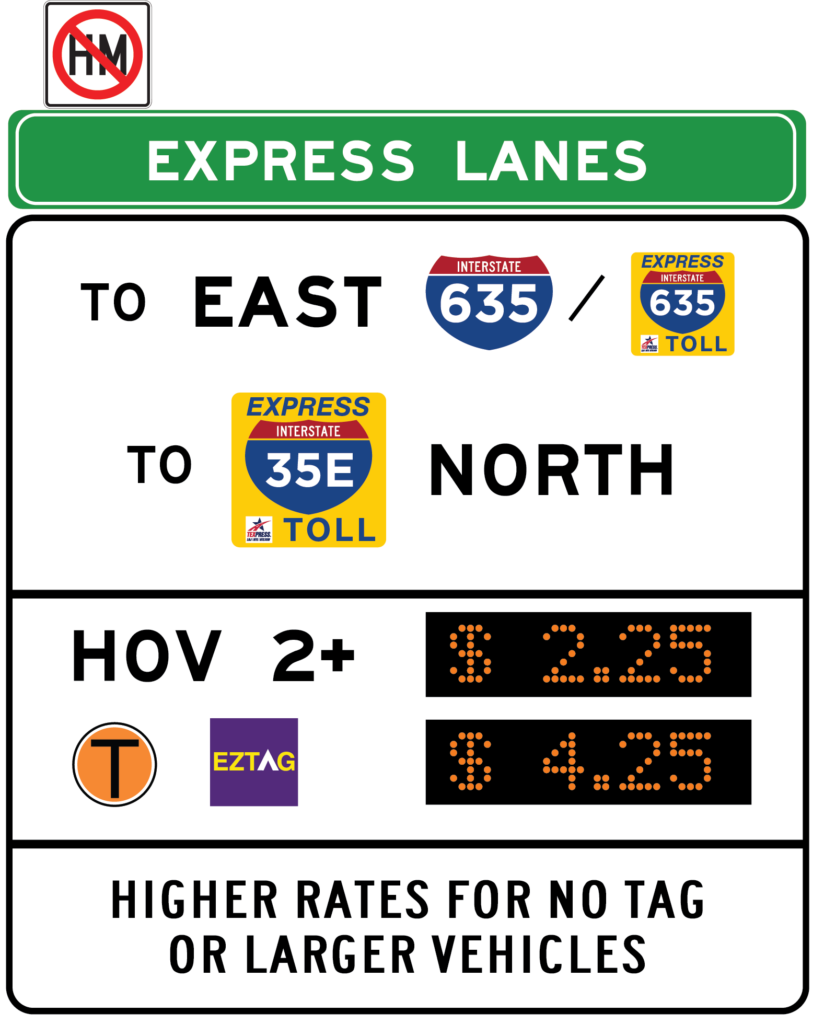
The most significant financial aspect of having a toll tag is maintaining a sufficient balance in your associated account to cover toll charges. This is typically handled through a pre-paid system or automatic credit card billing.
- Initial Funding: When you open an account, you will be required to make an initial pre-paid deposit. This amount varies by provider. For example, TxTag might require a minimum of $20, while HCTRA and NTTA might have similar or slightly different minimums. This initial amount is not a fee but rather funds your account for future tolls.
- Automatic Replenishment: Most providers offer automatic replenishment. This means that when your account balance falls below a certain threshold (e.g., $10), a pre-determined amount (e.g., $35) is automatically charged to your linked credit card or bank account. The amount and trigger point for replenishment can usually be customized by the account holder.
- Monthly Fees: Some toll tag programs may have a small monthly administrative fee, especially for certain account types or if you choose not to auto-replenish. However, many providers, particularly those focused on retail customers, waive these monthly fees if you maintain a positive balance and use the tag regularly. It’s important to read the fine print regarding any recurring charges.
- Pay-As-You-Go vs. Pre-Paid: While most retail customers use pre-paid accounts, some commercial entities might opt for post-paid billing. For individual travelers, the pre-paid model is standard and ensures tolls are covered.
The total ongoing cost is directly proportional to your toll road usage. If you travel on toll roads frequently, you will need to replenish your account more often.
Benefits of Using a Toll Tag
Beyond the sheer convenience, utilizing a toll tag in Texas offers several tangible benefits that make it a worthwhile investment for any regular traveler.
Cost Savings
One of the most compelling reasons to get a toll tag is the potential for significant cost savings. Toll authorities typically offer discounted rates to electronic toll tag users compared to those who pay by mail or through other methods. This discount can range from 10% to over 30% on certain toll roads, depending on the authority and the specific road. Over time, these savings can add up, effectively offsetting any minor account fees or initial deposits.
Time Efficiency
In a state as large and dynamic as Texas, time is a valuable commodity. Toll tags eliminate the need to stop at toll booths, wait in line, or fumble for cash. This is especially beneficial on busy toll roads in major cities like Austin, Dallas, and Houston, where congestion can be a significant issue. You simply drive through the designated electronic toll lanes, and the tag does the rest.
Broader Acceptance and Interoperability
As mentioned earlier, the interoperability between major Texas toll tag programs is a key advantage. Whether you have a TxTag, EZ Tag, or TollTag, you can generally use it on most toll roads across the state. This simplifies your travel experience, as you don’t need to worry about obtaining multiple tags for different regions. Your chosen tag provides a seamless payment solution throughout your Texas journey.
Environmental Impact
While not always the primary consideration, using toll tags can indirectly contribute to a more efficient traffic flow. By reducing the need for vehicles to stop and start at toll plazas, tag users help minimize idling time and associated emissions. This contributes to smoother traffic, reduced fuel consumption, and a slightly more environmentally friendly commute.
How to Get a Toll Tag in Texas
Acquiring a toll tag in Texas is a straightforward process, generally achievable through online applications or in-person visits. The steps involved are similar across the main providers.
Online Application
The most convenient way to get a toll tag is by applying online through the official website of the issuing authority (TxTag, HCTRA for EZ Tag, or NTTA for TollTag).
- Visit the Website: Navigate to the respective website for your chosen toll tag program.
- Create an Account: You will typically need to create an online account.
- Provide Vehicle Information: This includes your vehicle’s make, model, year, license plate number, and state of registration.
- Payment Information: You will need to provide credit card or bank account details for initial funding and automatic replenishment.
- Order the Tag: Once your application is complete and approved, the toll tag transponder will be mailed to your address, usually within a few business days.
- Activation: Follow the provided instructions to activate your tag once you receive it. This usually involves affixing it to your windshield in the designated spot.
In-Person Application
For those who prefer face-to-face interaction or need immediate assistance, in-person application centers are available. These are often located at customer service facilities of the toll authorities.
- Required Documents: You will typically need to bring your driver’s license, vehicle registration, and proof of insurance.
- On-the-Spot Service: At these centers, you can often receive your toll tag transponder on the same day after completing the application and initial funding.
Choosing the Right Tag for Your Needs
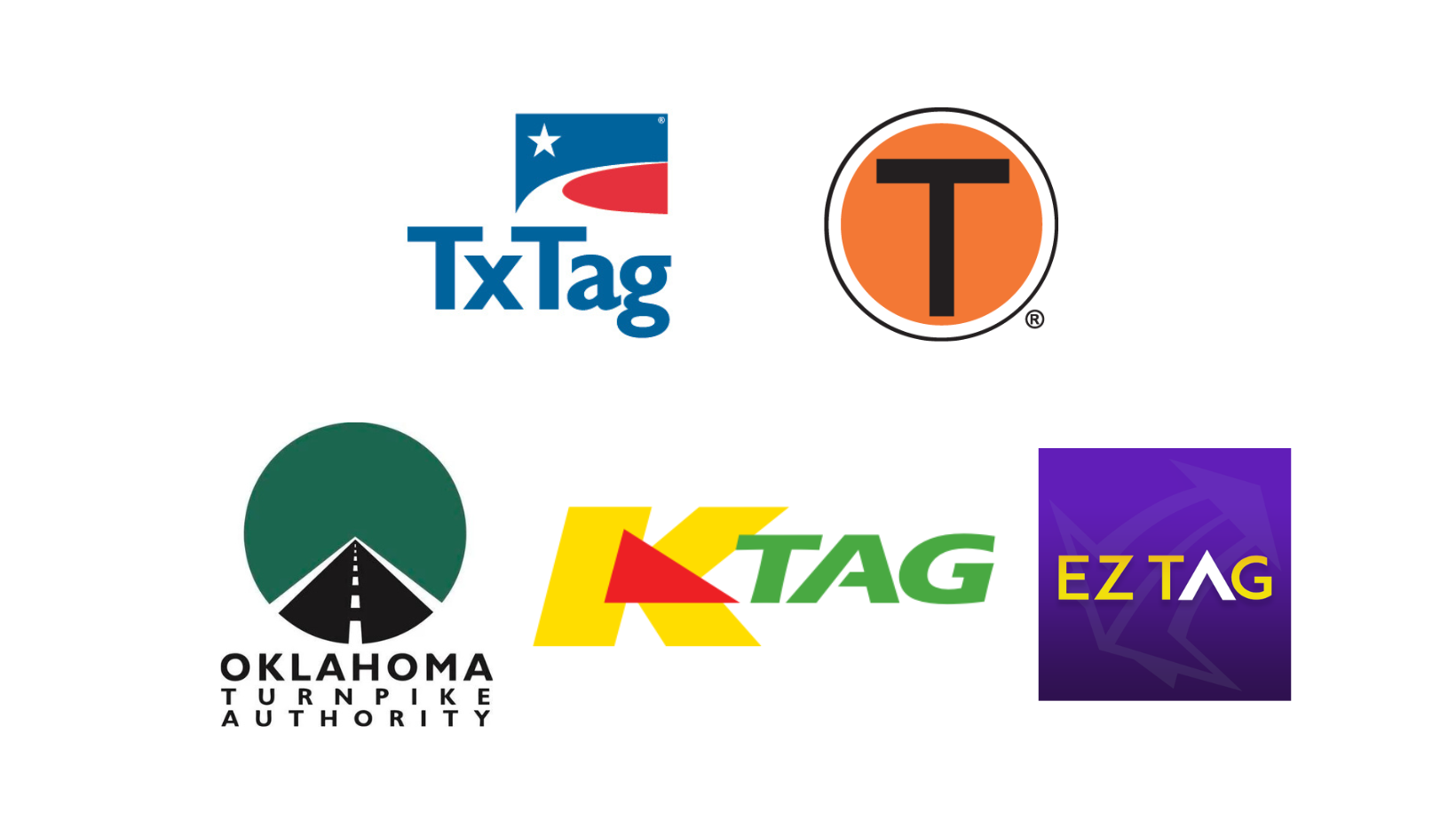
When deciding which tag to get, consider where you travel most frequently. If you primarily drive in the Houston area, an EZ Tag might be ideal. For the Dallas-Fort Worth Metroplex, a TollTag is a logical choice. If you travel across the entire state, TxTag offers broad coverage. However, due to interoperability, any of the three will likely serve you well across most of Texas. The key is to choose a provider whose account management and customer service best suit your preferences.
By understanding the costs, types, and benefits associated with toll tags, travelers can make informed decisions to enhance their Texas road trip experiences, ensuring a smoother, more cost-effective, and less stressful journey.
LifeOutOfTheBox is a participant in the Amazon Services LLC Associates Program, an affiliate advertising program designed to provide a means for sites to earn advertising fees by advertising and linking to Amazon.com. Amazon, the Amazon logo, AmazonSupply, and the AmazonSupply logo are trademarks of Amazon.com, Inc. or its affiliates. As an Amazon Associate we earn affiliate commissions from qualifying purchases.