
Texas, a state synonymous with wide-open spaces, scorching summers, and the occasional dust devil, is not typically the first place that springs to mind when discussing significant snowfall. Yet, the Lone Star State has a surprising, albeit inconsistent, history with winter precipitation. Understanding the “how much snow” question for Texas involves delving into its diverse climate zones, historical weather patterns, and the varying impacts these winter events have on its populace and landscapes. Far from being a monolithic snow-free zone, Texas experiences a spectrum of winter weather, from dusting to historic blizzards, particularly in its northern and western regions.

Texas: A Climate of Extremes
The sheer size of Texas, stretching from the humid subtropical climate of the Gulf Coast to the arid desert conditions of the Trans-Pecos, dictates its varied response to winter weather. The Panhandle region, bordering Oklahoma and New Mexico, is most accustomed to colder temperatures and greater chances of snow. Cities like Amarillo and Lubbock can receive substantial snowfalls, sometimes measured in feet, during severe winter storms.
Further south, the chances of significant accumulation decrease dramatically. The central Texas corridor, including metropolitan areas like Austin, San Antonio, and Dallas-Fort Worth, occasionally witnesses snow events. However, these are often characterized by lighter, fleeting accumulations that may melt as quickly as they fall. The southern tip of Texas, closer to the Mexican border, rarely sees any frozen precipitation, with temperatures generally remaining mild throughout the winter months.
The Panhandle’s Winter Wonderland
The Texas Panhandle is the state’s snowiest region by a considerable margin. Its elevation and proximity to the storm tracks that sweep across the Great Plains make it a frequent recipient of winter weather.
- Amarillo’s Snowfall Records: Amarillo experiences an average annual snowfall of around 17.1 inches, with some years seeing significantly more. The city has a rich history of memorable snowstorms, with record-breaking events often leaving residents digging out for days. For instance, the blizzard of February 2021 deposited over 12 inches of snow in a single event, causing widespread disruption.
- Lubbock’s Winter Quirks: While not as consistently snowy as Amarillo, Lubbock can also be hit with significant snow. Its average annual snowfall is around 7.5 inches, but individual storms can surpass this considerably. The variability means that while a white Christmas is not a given, it is certainly a possibility, and the city can experience days where travel becomes hazardous due to slick roads.
- Impact on Landscape and Lifestyle: Snowfall in the Panhandle transforms the typically dry, windswept plains into a temporarily picturesque winter landscape. It replenishes soil moisture, which is vital for agriculture, and can provide a much-needed respite from dust. However, it also brings challenges, including road closures, flight cancellations, and disruptions to daily life, necessitating preparation and adaptation from residents.
Central Texas: Occasional Whiteouts
The middle of Texas, a region known for its rolling hills and vibrant cities, is less prone to heavy snow but is not immune to its occasional visits. When snow does fall in cities like Dallas, Fort Worth, and Waco, it often creates a spectacle, as the rare sight prompts widespread excitement and, sometimes, a good deal of trepidation due to preparedness levels.
Dallas-Fort Worth Metroplex Experiences
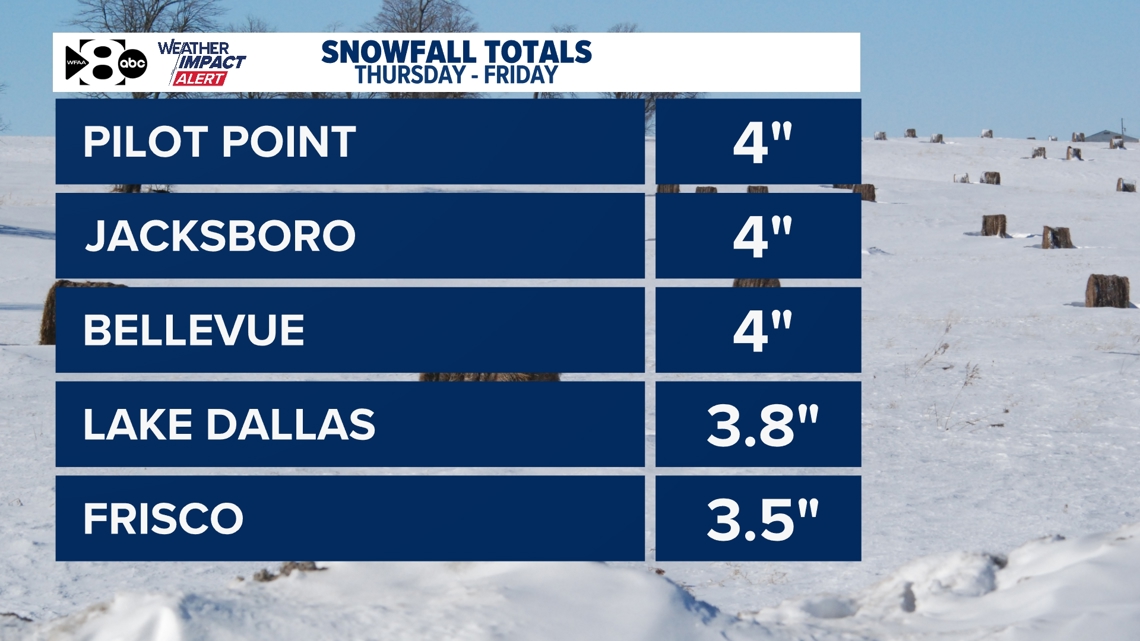
The Dallas-Fort Worth area, the most populous region in Texas, sees snowfall that is generally light and infrequent. The average annual snowfall for Dallas is only about 0.9 inches, and for Fort Worth, it’s about 0.8 inches. Despite these low averages, individual events can surprise.

- Historic Snow Events: While rare, the Metroplex has experienced snowfalls that have brought traffic to a standstill and transformed the urban landscape. For example, a significant snow event in February 2021 dropped several inches across the region, leading to widespread closures and a memorable, albeit challenging, few days for residents. Another notable event occurred in December 2017, which brought a mix of freezing rain and snow, causing considerable travel issues.
- The “Black Ice” Phenomenon: Due to the infrequent nature of significant snow and the relatively warm temperatures that often follow, a major concern in central Texas is the formation of “black ice.” When snow or sleet melts and then refreezes on roadways, it creates an almost invisible layer of ice that is incredibly dangerous for drivers. This is why even a few inches of snow can paralyze the region, as infrastructure and driver experience are not geared for prolonged winter conditions.
- Impact on Tourism and Events: When snow does fall in central Texas, it can present a unique, albeit temporary, tourist attraction. Visitors might be surprised to see familiar landmarks dusted in white, offering a novel photographic opportunity. However, it also poses a challenge for scheduled events and tourism, leading to cancellations and a scramble for businesses to adapt.
Southern and Coastal Texas: A Rare Frost
The southern reaches of Texas, including the Rio Grande Valley and the Texas Coast, are the least likely to experience snow. The warm, subtropical climate ensures that temperatures rarely drop low enough for extended periods to allow for accumulation.
The Unlikely Winter Visitor
- Freezing Temperatures, Not Snow: While significant snowfall is virtually unheard of in cities like Brownsville or Corpus Christi, they can experience freezing temperatures during severe cold snaps. These brief periods of frost are more notable for their impact on sensitive vegetation and outdoor activities than for any snow accumulation.
- Impact on Agriculture: For the fruit and vegetable farms that thrive in these southern regions, the rare occurrence of frost can be devastating. Crops like citrus, sugarcane, and vegetables are highly susceptible to freezing temperatures, and even a few hours of below-freezing weather can cause significant economic damage. This has led to the development of various agricultural strategies, such as protective coverings and specialized irrigation, to mitigate such risks.
- Tourist Expectations: Visitors to the coastal areas and southern tip of Texas during winter months expect mild, pleasant weather. The rare sight of a frosty morning, let alone snow, would be an extraordinary anomaly, often making national news and captivating local attention.
The Variability and its Implications
The question of “how much snow did Texas get?” is, therefore, not a simple one. It is a question deeply tied to geography, atmospheric conditions, and the capricious nature of weather. The answer varies dramatically from one part of the state to another and from one year to the next.
Analyzing Snowfall Data
Meteorologists track snowfall meticulously across Texas. This data is crucial for:
- Agricultural Planning: Understanding snowpack and melt patterns is vital for water resource management and agricultural yields, especially in the Panhandle.
- Infrastructure Preparedness: Local governments and transportation departments use historical data to prepare for winter weather, stocking salt and sand, and planning snow removal routes.
- Climate Research: Studying the frequency and intensity of snowfall events contributes to a broader understanding of climate change and its potential impacts on regional weather patterns.
When Texas Experiences Snow
When Texas does get significant snow, the event is often memorable. It brings a unique beauty to the landscape, a disruption to the usual routine, and a reminder of nature’s power. From the foot-deep drifts of the Panhandle to the fleeting, almost magical dusting in central cities, each snowfall tells a different story about the diverse climate of this vast state. The question isn’t just about inches; it’s about the impact, the preparation, and the sheer novelty of experiencing winter’s embrace in the heart of the Lone Star State.
LifeOutOfTheBox is a participant in the Amazon Services LLC Associates Program, an affiliate advertising program designed to provide a means for sites to earn advertising fees by advertising and linking to Amazon.com. Amazon, the Amazon logo, AmazonSupply, and the AmazonSupply logo are trademarks of Amazon.com, Inc. or its affiliates. As an Amazon Associate we earn affiliate commissions from qualifying purchases.