
The allure of the Last Frontier beckons countless adventurers each year, and for many, the ultimate dream is to experience the vast wilderness and breathtaking scenery of Alaska firsthand. A common question that arises for those planning such an epic journey is: “Can you drive to Alaska from the USA?” The resounding answer is yes, absolutely! Driving to Alaska is not only possible but it’s an unforgettable road trip that offers an unparalleled opportunity to immerse yourself in stunning landscapes, encounter diverse wildlife, and create memories that will last a lifetime. This isn’t just a drive; it’s an adventure through some of the most remote and beautiful regions of North America, traversing through the heart of Canada before reaching the majestic Alaskan border.
Embarking on this journey requires careful planning, preparation, and a sense of adventure. It’s a trip that spans thousands of miles, crosses international borders, and takes you through varying terrains and climates. From the moment you leave your driveway in the lower 48 states to the time you arrive in an Alaskan city like Anchorage or Fairbanks, you’ll be treated to a constantly evolving panorama of forests, mountains, rivers, and vast open spaces. This comprehensive guide will walk you through everything you need to know about driving to Alaska, covering routes, border crossing essentials, vehicle preparation, accommodation options, and what to expect along the way, ensuring your drive is as smooth and enjoyable as the destination itself.
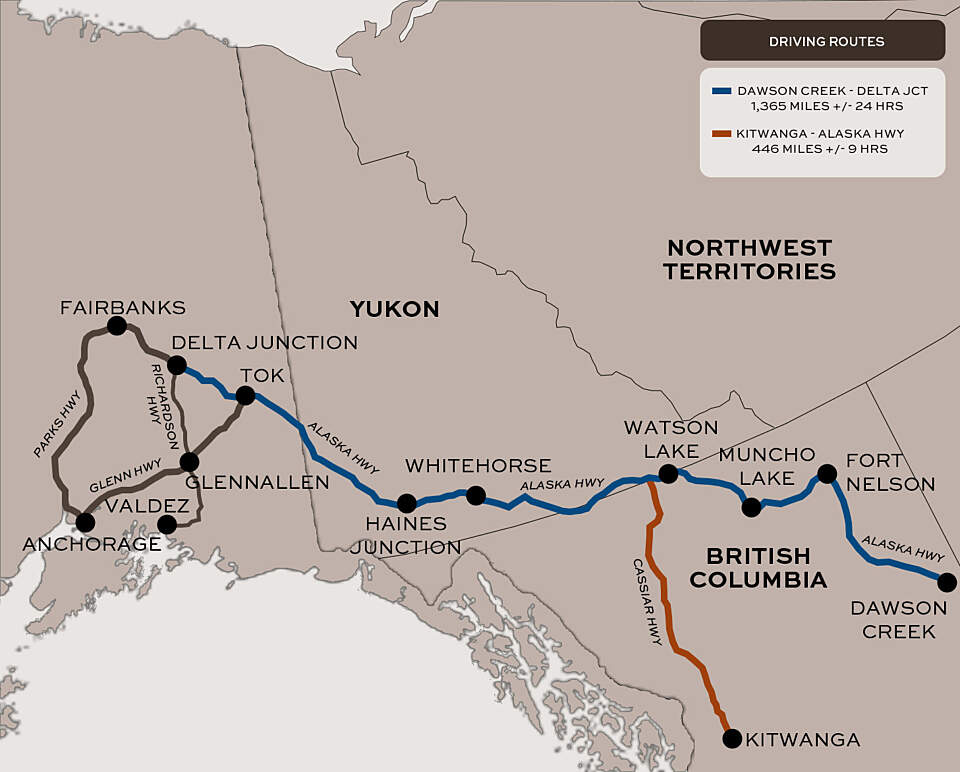
The Iconic Alaska Highway: Your Gateway to the Last Frontier
The legendary Alaska Highway, also known as the Alcan Highway, is the primary overland route connecting the contiguous USA to Alaska. Constructed during World War II in a remarkable feat of engineering, this highway stretches approximately 1,387 miles (2,232 kilometers) from Dawson Creek, British Columbia, Canada, to Delta Junction, Alaska. While it once earned a reputation for being a challenging, gravel-laden trek, today the vast majority of the Alaska Highway is paved and well-maintained, offering a comfortable driving experience for most vehicles.
The journey typically begins by driving north through a USA state such as Washington, then crossing into British Columbia or Alberta, Canada. From there, various feeder routes lead you to the official start of the Alaska Highway in Dawson Creek. This initial leg through Canada is an adventure in itself, passing through charming small towns, vibrant cities like Vancouver or Edmonton, and increasingly wild landscapes as you push northward.
Navigating the Route: Key Segments and Landmarks
Once on the Alaska Highway, you’ll travel through northern British Columbia and the Yukon Territory before entering Alaska. The route is well-marked, but having a good physical map in addition to a GPS is highly recommended, as cell service can be spotty in remote areas.
- Dawson Creek, British Columbia: Known as Mile 0, this is the historic starting point of the Alaska Highway. Be sure to get your photo with the famous Mile 0 post.
- Fort Nelson, British Columbia: A significant service center, offering fuel, food, and lodging, typically after a day or two of driving from Dawson Creek.
- Watson Lake, Yukon Territory: Home to the iconic Sign Post Forest, where visitors from all over the world have erected signs from their hometowns. It’s a charming and quirky stop that truly embodies the spirit of the road trip.
- Whitehorse, Yukon Territory: The capital of the Yukon Territory and the largest city along the Alaska Highway. Whitehorse offers extensive services, including major hotels, restaurants, and attractions, making it a great place to rest and resupply.
- Kluane National Park and Reserve, Yukon Territory: A UNESCO World Heritage Site featuring Canada’s highest mountains and largest icefields. The highway skirts the park’s eastern edge, offering stunning views and opportunities for hiking or flightseeing.
- Delta Junction, Alaska: The official end of the Alaska Highway. From here, you can continue on the Richardson Highway to Fairbanks or other Alaskan destinations.
An alternative route through British Columbia is the Cassiar Highway (Highway 37). While slightly shorter for some, it’s generally considered more remote with fewer services and can have less maintained sections. It offers a more rugged experience and excellent wildlife viewing opportunities, eventually connecting back to the Alaska Highway near Watson Lake.
Essential Border Crossing Information
Crossing the USA-Canada border is a straightforward process, but it requires preparedness. Both entering and exiting Canada on your way to and from Alaska will involve interactions with customs officials.
- Required Documents:
- Passport: A valid USA passport or a NEXUS card is essential for all travelers. Children also require their own passports.
- Vehicle Registration: Carry your current vehicle registration and proof of ownership.
- Proof of Insurance: Canadian law requires non-residents to carry proof of vehicle insurance. Most USA policies extend to Canada, but it’s wise to contact your insurer to confirm coverage and request a “Non-Resident Inter-Province Motor Vehicle Liability Insurance Card” (often called a Canada Non-Resident Card) if available.
- Driver’s License: A valid driver’s license from your home state is sufficient.
- What You Can and Cannot Bring: Be aware of restrictions on certain items. Firearms, mace/pepper spray (unless specified for wildlife deterrent, and even then, regulations vary by province/territory), and certain food items (e.g., fresh fruits, vegetables, meat without proper packaging) are often restricted or prohibited. Always declare any items of question. For detailed and up-to-date information, consult the official websites of the Canada Border Services Agency (CBSA) and U.S. Customs and Border Protection (CBP).
- Pets: If traveling with pets, ensure you have their vaccination records (especially for rabies) and that they meet all import requirements for both Canada and Alaska.
Preparing for the Ultimate Alaskan Road Trip
A road trip to Alaska is not your average weekend getaway. It demands thorough preparation to ensure a safe, comfortable, and enjoyable experience. The distances between services can be significant, and weather conditions can change rapidly.
Vehicle Readiness: More Than Just a Full Tank
Your vehicle is your most important companion on this journey, so ensuring it’s in top condition is paramount.
- Pre-Trip Inspection: Have a certified mechanic perform a comprehensive inspection of your vehicle several weeks before departure. Pay close attention to tires (including the spare), brakes, fluids (oil, coolant, brake fluid, windshield wiper fluid), belts, hoses, battery, and lights.
- Tires: All-season or all-terrain tires with good tread are recommended. Some travelers opt for a second spare tire, especially if venturing off the main highway or tackling the Cassiar Highway.
- Emergency Kit: Pack a robust emergency kit. This should include jumper cables, basic tools, a first-aid kit, a flashlight with extra batteries, reflective triangles or flares, a fire extinguisher, and a tire repair kit or patch system. Consider carrying a small air compressor.
- Fuel: Fuel stops are available, but distances between them can sometimes be over 100 miles (160 km). It’s always wise to top off your tank when you see a station, especially when it’s below half-full. Carrying a small amount of extra fuel in an approved container can provide peace of mind in very remote sections.
- Vehicle Type: While a 4×4 isn’t strictly necessary for the paved Alaska Highway, a vehicle with good ground clearance can be beneficial, particularly if you plan any side excursions onto gravel roads. RVs and trailers are common and well-suited for the trip, but be mindful of their size on some mountain passes and fuel consumption.
What to Pack: From Essentials to Emergencies
Packing for an Alaskan road trip involves balancing comfort, practicality, and emergency preparedness.
- Clothing: Layering is key, regardless of the season. Even in summer, evenings can be cool, and mountain weather unpredictable. Pack warm jackets, rain gear, sturdy footwear, and a mix of long and short-sleeved clothing.
- Food and Water: Carry an ample supply of non-perishable food, snacks, and water. While services exist, having your own provisions for unexpected delays or spontaneous picnics is always a good idea. A cooler is invaluable.
- Navigation: In addition to GPS, carry up-to-date paper maps of British Columbia, Yukon Territory, and Alaska. Road conditions and closures are often updated at visitor centers.
- Bear Spray: This is highly recommended if you plan on hiking or spending time in wilderness areas. Learn how to use it safely and effectively.
- Camping Gear: Even if you plan to stay in hotels, a tent, sleeping bags, and basic cooking gear can be a fantastic backup or offer flexibility for spontaneous camping in designated areas.
- Camera and Binoculars: The scenery and wildlife are incredible. Don’t forget equipment to capture it all and binoculars to spot distant animals or mountain peaks.
- Medications: Bring all necessary prescription medications in their original containers, along with any over-the-counter remedies you might need.
Timing Your Adventure: When to Go
The best time to drive to Alaska is typically between late May and early September.
- Summer (June-August): This is the most popular time. You’ll benefit from the longest daylight hours (up to 24 hours in some northern regions), warmest temperatures, and all services (lodging, campgrounds, attractions) will be open. Roads are in their best condition, and wildlife is abundant. However, this also means more crowds and higher prices for accommodations.
- Shoulder Seasons (May, September): Traveling in May or September can offer a more tranquil experience with fewer tourists and potentially lower prices. Wildlife viewing can be excellent. However, some services might have limited hours or be closed, and weather can be more unpredictable, with possibilities of late spring snow or early autumn chills. In September, the fall colors are spectacular.
- Winter (October-April): While driving to Alaska in winter is possible, it is significantly more challenging and only recommended for experienced winter drivers. Roads can be icy, services are extremely limited, and temperatures are frigid. The reward, however, can be stunning snowscapes and prime opportunities to see the Northern Lights.
Accommodation and Sustenance Along the Way
One of the great joys of a long road trip is discovering unique places to stay and eat. The Alaska Highway and its connecting routes offer a range of options, though planning ahead, especially during peak season, is advisable.
Finding Comfort: Hotels, Motels, and Campgrounds
Throughout British Columbia, the Yukon Territory, and Alaska, you’ll find various lodging options.
- Hotels and Motels: Larger towns like Prince George, Whitehorse, Fairbanks, and Anchorage offer well-known chains such as Best Western, Holiday Inn Express, and Hyatt Place, providing reliable comfort and amenities. Smaller communities along the highway typically feature independent motels and lodges, often with a rustic charm. It’s wise to book accommodations a few days in advance during the busy summer months, especially in popular stops.
- Campgrounds: For those who prefer a more immersive experience or are traveling on a budget, campgrounds are abundant. You’ll find a mix of provincial/territorial parks, national parks, private RV parks, and even basic pull-offs. Canadian provincial parks and Alaska state parks are generally well-maintained and offer beautiful settings. Many offer amenities like restrooms, water, and some even have electrical hookups. Wild camping (boondocking) is generally permitted on public lands, but always research local regulations and practice Leave No Trace principles.
- B&Bs and Cabins: In some areas, charming bed and breakfasts or rental cabins offer a more personalized and cozy accommodation experience, perfect for a break from routine motel stays.
When planning your stops, consider aiming for approximately 250-400 miles (400-650 km) per day, depending on your pace and how many scenic stops you wish to make. This allows for comfortable driving without rushing and ensures you reach a town with services before dark.
Culinary Delights and Practicalities
While the primary goal of driving to Alaska is the adventure, don’t overlook the culinary experiences along the way.
- Local Eateries: Many small towns boast local diners, cafes, and pubs offering hearty meals that reflect the northern palate. Expect generous portions and comfort food. Don’t miss opportunities to try local specialties, whether it’s fresh salmon in Alaska or poutine in Canada.
- Grocery Stores: Stock up on groceries in larger towns. Prices can be significantly higher in remote areas, and selection might be limited. Having a well-stocked cooler allows you to prepare your own meals, save money, and enjoy picnics with incredible views.
- Water: Always ensure you have sufficient drinking water. While tap water in towns is generally safe, carrying bottled water or a reliable water filter for refilling from natural sources (after proper treatment) is a good practice, especially if camping remotely.
Experiencing the Journey: Beyond the Destination
The drive to Alaska is not merely a means to an end; it is an integral part of the adventure. The landscapes, wildlife, and unique cultural experiences along the way are just as rewarding as reaching the Last Frontier itself.
Must-See Attractions and Scenic Detours
Beyond the Alaska Highway’s main path, there are countless opportunities for exploration.
- Wildlife Viewing: The entire route is a paradise for wildlife enthusiasts. Keep your eyes peeled for moose, caribou, black bears, grizzly bears, Dall sheep, and various bird species. Drive cautiously, especially at dawn and dusk, as animals often cross the road.
- Hot Springs: Several natural hot springs, such as Liard River Hot Springs in British Columbia, offer a soothing soak amidst wilderness – a perfect way to relax tired muscles after a day of driving.
- Skagway and the Chilkat Bald Eagle Preserve: Consider a detour from the Yukon Territory down to Skagway, Alaska. This historic gold rush town offers fascinating insights into the past, and the drive itself is incredibly scenic. Nearby is the Chilkat Bald Eagle Preserve, one of the largest concentrations of bald eagles in the world, particularly active during the salmon run in late fall. From Skagway, you can also take the Alaska Marine Highway ferry to Juneau or other destinations in southeastern Alaska.
- Denali National Park and Preserve: Once you arrive in Alaska, one of the most iconic destinations is Denali National Park, home to North America’s highest peak, Mount Denali. The park offers breathtaking scenery, wildlife viewing, and hiking opportunities.
- Fishing and Hiking: Opportunities for world-class fishing and incredible hiking abound in both Canada and Alaska. Research local regulations and permits if these activities are on your agenda.
Safety and Connectivity on the Road
While the drive is largely safe, preparedness and awareness are key.
- Cell Service: Expect intermittent or no cell service for long stretches, especially in the Yukon Territory and remote parts of British Columbia and Alaska. Inform someone of your itinerary and check in regularly. Consider renting or purchasing a satellite phone or a SPOT device for emergency communication.
- Road Conditions: Road conditions can vary. While mostly paved, sections may be under construction, experience frost heaves (large bumps caused by freezing and thawing), or be temporarily affected by weather. Check local road reports daily.
- Fuel and Services: As mentioned, always be aware of the distance to the next fuel station or town with services. Some small communities might have limited hours or close on certain days.
- Wildlife Encounters: Be vigilant for animals on the road. Collisions with large animals like moose or caribou can be very dangerous. Drive defensively, especially at night.
- Bear Awareness: If camping or hiking, be “bear aware.” Store food securely, carry bear spray, and know how to react in an encounter.
In conclusion, driving to Alaska from the USA is an achievable and highly recommended adventure for anyone with a love for road trips, nature, and exploration. It’s a journey that challenges you, inspires you, and rewards you with sights and experiences unavailable anywhere else. With careful planning, a well-maintained vehicle, and an adventurous spirit, you can successfully navigate the iconic Alaska Highway and arrive in the magnificent Last Frontier, ready for your Alaskan adventure to truly begin. So, pack your bags, tune up your vehicle, and get ready for the road trip of a lifetime!
LifeOutOfTheBox is a participant in the Amazon Services LLC Associates Program, an affiliate advertising program designed to provide a means for sites to earn advertising fees by advertising and linking to Amazon.com. Amazon, the Amazon logo, AmazonSupply, and the AmazonSupply logo are trademarks of Amazon.com, Inc. or its affiliates. As an Amazon Associate we earn affiliate commissions from qualifying purchases.