
Becoming an ultrasound technician, also known as a diagnostic medical sonographer, in Texas offers a rewarding career path in a growing healthcare field. The demand for skilled sonographers is consistently high across the Lone Star State, from bustling metropolises like Houston and Dallas to smaller communities. This guide will outline the essential steps and considerations for aspiring ultrasound technicians in Texas, covering education, certification, and job prospects.
Educational Pathways for Aspiring Sonographers
The foundation for a successful career as an ultrasound technician lies in obtaining the appropriate education. In Texas, accredited programs are available through community colleges, technical schools, and universities. These programs are designed to equip students with the theoretical knowledge and practical skills necessary to operate ultrasound equipment and interpret diagnostic images.

Degree and Certificate Options
Prospective ultrasound technicians have several educational routes to consider:
-
Associate’s Degree in Diagnostic Medical Sonography (DMS): This is the most common educational pathway and typically takes two years to complete. Associate’s degree programs provide a comprehensive curriculum covering anatomy, physiology, ultrasound physics, patient care, and specialized sonographic techniques (e.g., abdominal, obstetric, cardiac, vascular). Graduates are well-prepared for entry-level positions. Many community colleges in Texas, such as Austin Community College and Houston Community College, offer accredited Associate of Applied Science (AAS) degrees in DMS.
-
Bachelor’s Degree in Diagnostic Medical Sonography: While less common for entry-level positions, a Bachelor of Science (BS) degree in DMS offers a more in-depth theoretical foundation and research opportunities. These programs typically take four years to complete and can be beneficial for those interested in advanced roles, education, or management. Universities like Texas State University may offer related bachelor’s programs.
-
Certificate Programs: For individuals who already hold a degree in a related healthcare field (such as nursing or radiologic technology), a certificate program can provide specialized training in diagnostic medical sonography. These programs are shorter, often lasting 12-18 months, and focus on the core competencies of sonography. They are an efficient way to gain the necessary skills for a career change or specialization.
Accreditation and Program Selection
It is crucial to select an accredited program. The primary accrediting body for diagnostic medical sonography programs in the United States is the Commission on Accreditation of Allied Health Education Programs (CAAHEP). Ensuring your program is CAAHEP-accredited is vital for eligibility for professional certification and for many employers. When researching programs in Texas, look for schools that explicitly state their CAAHEP accreditation. Consider factors such as program curriculum, clinical training opportunities, faculty expertise, and graduate employment rates.
Gaining Clinical Experience
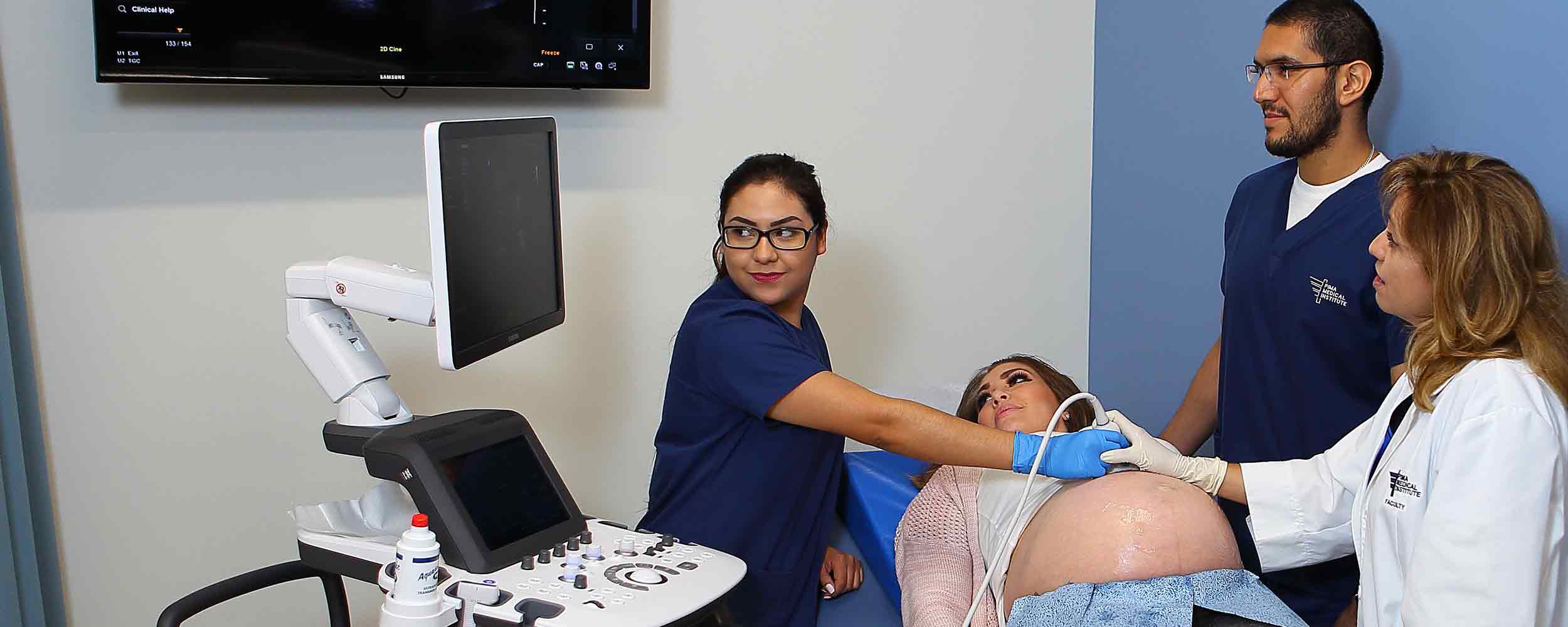
Practical, hands-on experience is indispensable for aspiring ultrasound technicians. Diagnostic medical sonography programs in Texas integrate supervised clinical rotations as a core component of their curriculum. These rotations provide students with the opportunity to apply their classroom knowledge in real-world healthcare settings under the guidance of experienced sonographers.
The Importance of Clinical Rotations
Clinical rotations allow students to:
- Develop technical proficiency: Practice operating various ultrasound machines, adjust settings, and perform a range of diagnostic examinations.
- Enhance patient interaction skills: Learn to communicate effectively with patients, explain procedures, and ensure their comfort and cooperation.
- Understand workflow and protocols: Familiarize themselves with the daily operations of a diagnostic imaging department, including patient scheduling, documentation, and quality control.
- Gain exposure to diverse cases: Encounter a wide variety of patient conditions and pathologies, broadening their diagnostic understanding.
Students will typically complete rotations in various clinical settings, including hospitals, outpatient imaging centers, and physician offices across Texas. These experiences are invaluable for building a professional network and can often lead to future employment opportunities. Some programs may also offer externships or internships beyond the required clinical hours for students seeking to gain additional experience.
Professional Certification
While not always legally mandated in every state, professional certification is highly recommended and often required by employers for ultrasound technicians. Certification demonstrates a commitment to the profession and validates a technician’s knowledge and skills. The leading credentialing body for sonographers is the American Registry for Diagnostic Medical Sonography (ARDMS).
ARDMS Certification Requirements
To become a Registered Diagnostic Medical Sonographer (RDMS) through the ARDMS, candidates must typically meet one of the following eligibility pathways, which include educational and clinical experience requirements:
- Pathway 1: Successful completion of an accredited DMS program (Associate’s or Bachelor’s degree) and passing the ARDMS Sonography Principles and Instrumentation (SPI) exam, along with a specialty examination (e.g., Abdomen, Obstetrics and Gynecology).
- Pathway 2: A minimum of 12 months of documented, supervised work experience in diagnostic medical sonography and passing the ARDMS SPI exam and a specialty examination.
- Pathway 3: A minimum of 60 semester credits from an accredited institution, with specific coursework, and a minimum of 12 months of documented, supervised work experience in diagnostic medical sonography, followed by passing the ARDMS SPI exam and a specialty examination.

The SPI exam covers fundamental principles of ultrasound physics, instrumentation, and safety. Specialty exams assess knowledge in specific areas of sonography. Maintaining certification requires ongoing continuing medical education (CME) credits. Other reputable certifications may be offered by organizations such as Cardiovascular Credentialing International (CCI) for specialized cardiac sonographers.
Job Outlook and Career Opportunities in Texas
The career outlook for ultrasound technicians in Texas is exceptionally strong. The U.S. Bureau of Labor Statistics projects robust job growth for diagnostic medical sonographers nationwide, and Texas is a major contributor to this demand due to its large and growing population and expanding healthcare infrastructure.
Diverse Employment Settings
Ultrasound technicians can find employment in a variety of settings across the state:
-
Hospitals: This is the most common employer for sonographers, offering opportunities in general diagnostic imaging departments, specialized units (e.g., obstetrics/gynecology, cardiology, emergency rooms), and intensive care units. Major hospital systems in Texas like Texas Health Resources and Baylor Scott & White Health frequently hire certified sonographers.
-
Outpatient Imaging Centers: These facilities specialize in diagnostic imaging services and are often more convenient for patients. Centers like those operated by RadNet Imaging or independent imaging groups across Texas offer a significant number of positions.
-
Physician Offices and Clinics: Many physician practices, particularly those specializing in cardiology, obstetrics/gynecology, or vascular medicine, employ their own sonographers to provide in-house diagnostic services.
-
Mobile Services: Some companies provide diagnostic imaging services to patients who are homebound or in rural areas, creating opportunities for mobile ultrasound technicians.
-
Research and Education: With advanced degrees or experience, sonographers may pursue roles in medical research or teaching at educational institutions.
Specialization and Career Advancement
Within diagnostic medical sonography, there are several sub-specialties that technicians can pursue, leading to further career growth and higher earning potential. Common specializations include:
- Abdominal Sonography: Focuses on imaging the organs of the abdomen, such as the liver, kidneys, pancreas, and gallbladder.
- Obstetric and Gynecological Sonography (OB/GYN): Specializes in imaging the female reproductive system and monitoring fetal development during pregnancy.
- Echocardiography (Cardiac Sonography): Uses ultrasound to examine the heart’s structure and function.
- Vascular Sonography: Focuses on imaging blood vessels to detect blockages, aneurysms, and other circulatory issues.
- Breast Sonography: Specializes in imaging breast tissue for the detection and diagnosis of breast cancer.
With experience and additional certifications, ultrasound technicians can advance into roles such as lead sonographer, clinical educator, application specialist for ultrasound equipment manufacturers, or even management positions within imaging departments. The continuous evolution of ultrasound technology also necessitates ongoing learning and adaptation, ensuring a dynamic and engaging career.
Factors to Consider for a Career in Texas
Embarking on a career as an ultrasound technician in Texas involves more than just meeting educational and certification requirements. Understanding the state’s specific landscape and personal considerations can help ensure a smooth and successful transition into the profession.
Licensing and Regulation
As of now, Texas does not have a specific state license requirement for diagnostic medical sonographers. However, this landscape can evolve, and it is always advisable to stay informed about any legislative changes. The focus in Texas remains on professional certification through recognized bodies like the ARDMS. Employers will almost universally require a valid certification for hiring.
Cost of Living and Salary Expectations
Texas offers a diverse range of living costs, with major metropolitan areas like Austin and San Antonio generally having higher costs than smaller cities or rural areas. Salaries for ultrasound technicians in Texas can vary based on experience, specialization, geographic location, and the type of healthcare facility. Generally, salaries in Texas are competitive with national averages, and often reflect the lower cost of living in many parts of the state compared to coastal regions. The U.S. Bureau of Labor Statistics reports that the median annual wage for diagnostic medical sonographers in Texas is generally favorable, with experienced professionals in high-demand specialties earning significantly more.
Professional Organizations and Networking
Engaging with professional organizations can provide valuable resources, continuing education opportunities, and networking connections. While there isn’t a specific Texas-based sonography association, national organizations such as the Society of Diagnostic Medical Sonography (SDMS) serve the entire profession. Attending regional or national conferences, participating in online forums, and connecting with fellow sonographers in Texas can be instrumental in career development and staying abreast of industry trends. Building relationships with instructors, clinical preceptors, and colleagues can open doors to future job opportunities.
By diligently following these steps—securing the right education, gaining practical experience, achieving professional certification, and understanding the job market—you can successfully launch and build a fulfilling career as an ultrasound technician in the thriving healthcare sector of Texas.
LifeOutOfTheBox is a participant in the Amazon Services LLC Associates Program, an affiliate advertising program designed to provide a means for sites to earn advertising fees by advertising and linking to Amazon.com. Amazon, the Amazon logo, AmazonSupply, and the AmazonSupply logo are trademarks of Amazon.com, Inc. or its affiliates. As an Amazon Associate we earn affiliate commissions from qualifying purchases.