
Navigating the complexities of your driver’s license status is crucial for anyone residing in or traveling through the Lone Star State. A suspended license in Texas can lead to significant inconveniences, legal repercussions, and even financial strain. Understanding how to proactively check your license status can save you from unexpected trouble and ensure you remain compliant with Texas Department of Public Safety (DPS) regulations. This guide will walk you through the official methods and important considerations for verifying whether your driver’s license is currently suspended.
Understanding License Suspensions in Texas
Before delving into the “how-to,” it’s essential to grasp why a license might be suspended in Texas and the general implications. The Texas DPS has the authority to suspend or revoke driving privileges for a variety of reasons. These can range from serious offenses to administrative issues. Common reasons include:

- Traffic Violations: Accumulating too many traffic tickets within a specified period, particularly those involving points assessed against your license.
- DUI/DWI Offenses: Driving under the influence of alcohol or controlled substances is a primary cause for license suspension, often with mandatory minimum suspension periods.
- Failure to Appear: Not appearing in court for a traffic citation or other legal matter can lead to a suspension.
- Unpaid Fines or Fees: Outstanding traffic fines, court costs, or other penalties can result in a license suspension until resolved.
- No Insurance: Operating a vehicle without the required liability insurance is a violation that can lead to suspension.
- Medical Conditions: In some cases, a medical condition that impairs driving ability may lead to a temporary or permanent suspension.
- Child Support Arrears: Failure to meet child support obligations can also trigger a license suspension.
- Fraudulent Activity: Misrepresenting information on a license application or engaging in other fraudulent activities.
A suspended license means you are legally prohibited from operating a motor vehicle. Driving with a suspended license is a criminal offense in Texas and carries severe penalties, including hefty fines, extended suspension periods, vehicle impoundment, and potential jail time. It’s a situation that should be addressed immediately and with utmost seriousness.
The Consequences of Driving on a Suspended License
The repercussions of driving with a suspended license in Texas extend far beyond a simple traffic ticket. Understanding these consequences can underscore the importance of verifying your license status:
- Criminal Penalties: Driving while your license is suspended is typically a Class A misdemeanor, the most serious misdemeanor in Texas. This can result in a fine of up to $4,000 and/or jail time of up to one year.
- Extended Suspension: A conviction for driving with a suspended license will likely lead to an extension of your current suspension period, and potentially a revocation of your license altogether.
- Vehicle Impoundment: Law enforcement officers have the authority to impound your vehicle if you are caught driving with a suspended license. You will then be responsible for towing and storage fees, which can accumulate rapidly.
- Increased Insurance Rates: If you eventually regain your driving privileges, having a record of driving on a suspended license will almost certainly lead to significantly higher automobile insurance premiums.
- Difficulty Regaining License: A history of driving on a suspended license can make the process of reinstating your license more difficult and may require additional steps, such as completing traffic safety courses or paying reinstatement fees.
Given these serious implications, knowing how to verify your license status is not just a matter of convenience; it’s a critical step in responsible vehicle ownership and legal compliance.
Official Methods to Check Your License Status
The Texas Department of Public Safety (DPS) provides official channels for individuals to check their driver’s license status. These methods are reliable and are the definitive way to ascertain whether your license is active or suspended.
1. Online Driver Record Request
The most convenient and accessible method is often through the Texas DPS website. The DPS offers official Driver Record requests online, which can provide detailed information about your driving history, including any suspensions or revocations.
- Accessing the Online Portal: Navigate to the official Texas DPS Driver Records page. You will typically find a link to request your driving record.
- Information Required: You will likely need to provide personal information such as your driver’s license number, date of birth, and possibly your Social Security number to verify your identity.
- Types of Records: The Texas DPS offers different types of driver records. For checking suspension status, you’ll want a record that includes violation history and any administrative actions taken against your license. There might be a small fee associated with obtaining an official driver record.
- Interpreting Your Record: Once you receive your driver record, carefully review it. Look for any entries indicating a “suspension,” “revocation,” or “cancellation” of your driving privileges. The record should also specify the reason for the suspension and the effective dates.
This online method is generally the quickest way to obtain an official status update and is highly recommended for its efficiency and accuracy.
2. Mail-In Driver Record Request
For those who prefer not to use online services or require a physical copy for their records, a mail-in request is also available.
- Downloading the Application: You can usually download a Driver Record Request Application form from the Texas DPS website.
- Completing the Form: Fill out the application accurately and completely, providing all the requested personal details.
- Submission: Mail the completed application along with the required fee to the address specified on the form. The Texas DPS will then process your request and mail your driver record to you.
- Processing Time: Be aware that mail-in requests will naturally take longer to process due to mail delivery times and the DPS’s internal processing schedule.
While this method is less immediate than the online option, it serves as a reliable alternative for obtaining your official driver record.
3. In-Person Driver Record Request
In some instances, you may be able to request your driver record in person at a Texas DPS Driver License Office.
- Locating a DPS Office: Find a Texas DPS Driver License Office near you. It’s advisable to check the Texas DPS website for the most up-to-date office locations and operating hours.
- Application Process: You will likely need to fill out an application form at the office and present valid identification.
- Fees and Processing: In-person requests might offer quicker processing than mail-in, and you can often receive a copy on the spot, depending on the office’s capabilities and workload.
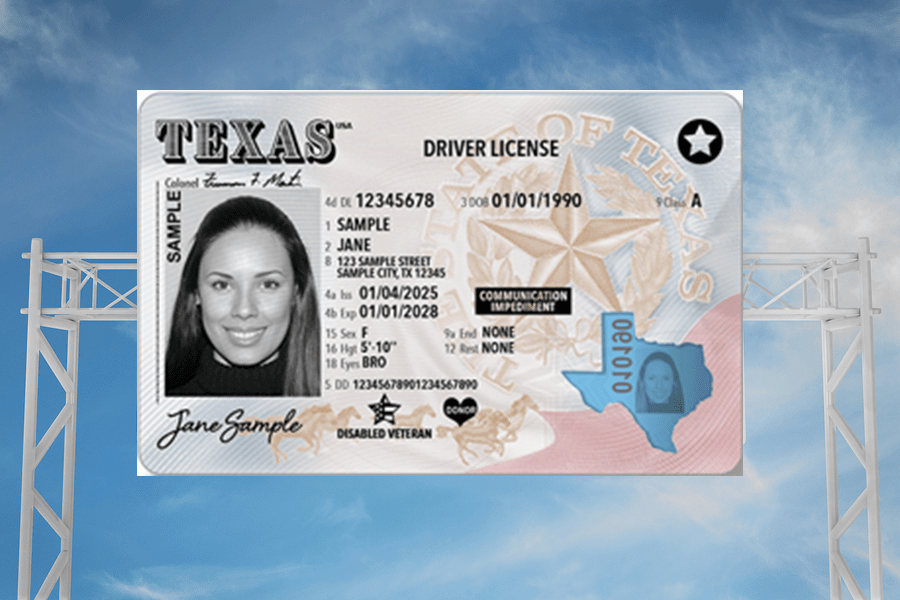
Contacting the specific DPS office in advance is recommended to confirm their ability to process driver record requests in person and to inquire about any specific requirements or fees.
What to Do If Your License Is Suspended
Discovering that your license is suspended can be a daunting experience, but it is crucial to act swiftly and responsibly. Ignoring the suspension will only exacerbate the problem. Here’s a step-by-step approach to addressing a suspended license in Texas.
Step 1: Identify the Reason for Suspension
The first and most critical step is to understand exactly why your license was suspended. Your driver record, obtained through the methods described above, will provide this crucial information. Knowing the cause will dictate the steps needed for reinstatement.
- Administrative vs. Judicial Suspensions: Understand whether the suspension is administrative (issued directly by the DPS) or judicial (ordered by a court). The process for addressing each can differ.
- Specific Violations: Pinpoint the exact violation that led to the suspension, whether it’s unpaid tickets, a DUI conviction, lack of insurance, or another offense.
Step 2: Resolve the Underlying Issue
Once you know the reason for your suspension, you must take action to resolve the underlying issue.
- For Unpaid Fines/Tickets: Contact the court or jurisdiction that issued the tickets to pay the outstanding fines and any associated court costs. You may need to appear in court to have the suspension lifted.
- For DUI/DWI: This often involves completing a DWI Education Program, undergoing an alcohol evaluation, potentially installing an Ignition Interlock Device (IID), and paying significant reinstatement fees. You may also have a required administrative hearing with the DPS.
- For Lack of Insurance: You will need to obtain the required liability insurance for your vehicle and provide proof of coverage to the DPS. This often involves submitting an SR-22 form, which is a certificate of financial responsibility.
- For Other Violations: Follow the specific instructions provided by the DPS or the issuing court for resolving other types of suspensions.
Step 3: Pay Reinstatement Fees
After you have resolved the underlying issue, you will almost certainly be required to pay reinstatement fees to the Texas DPS. These fees vary depending on the reason for the suspension. The DPS website or your driver record should provide information on the specific amounts and how to pay them.
Step 4: Obtain Proof of Reinstatement
Once all requirements are met and fees are paid, the DPS will process your reinstatement. It is essential to obtain official confirmation that your license has been reinstated. This might be a letter from the DPS or an updated driver record. Do not drive until you have official proof of reinstatement.
Consulting Legal Counsel
For complex situations, such as DUI/DWI offenses or multiple suspensions, consulting with an experienced Texas traffic ticket attorney or a driver license defense lawyer is highly recommended. They can guide you through the intricate legal processes, help you understand your rights, and work towards the best possible outcome for license reinstatement. An attorney can represent you in court and at administrative hearings, potentially saving you time, money, and further complications.
Preventing Future License Suspensions
Proactive measures are the most effective way to avoid the stress and penalties associated with a suspended driver’s license.
Maintain a Clean Driving Record
- Obey Traffic Laws: Adhere strictly to speed limits, traffic signals, and all other traffic laws.
- Avoid Distracted Driving: Put away your phone and focus on the road.
- Drive Sober: Never drive under the influence of alcohol or drugs.
- Proper Vehicle Maintenance: Ensure your vehicle is in good working condition, with working lights, brakes, and tires.
Ensure Adequate Insurance Coverage
- Maintain Current Insurance: Always have valid liability insurance that meets or exceeds Texas minimum requirements.
- Keep Records: Keep copies of your insurance policy and proof of payment readily accessible.
- Update Information: If you change vehicles or move, ensure your insurance information is updated promptly.
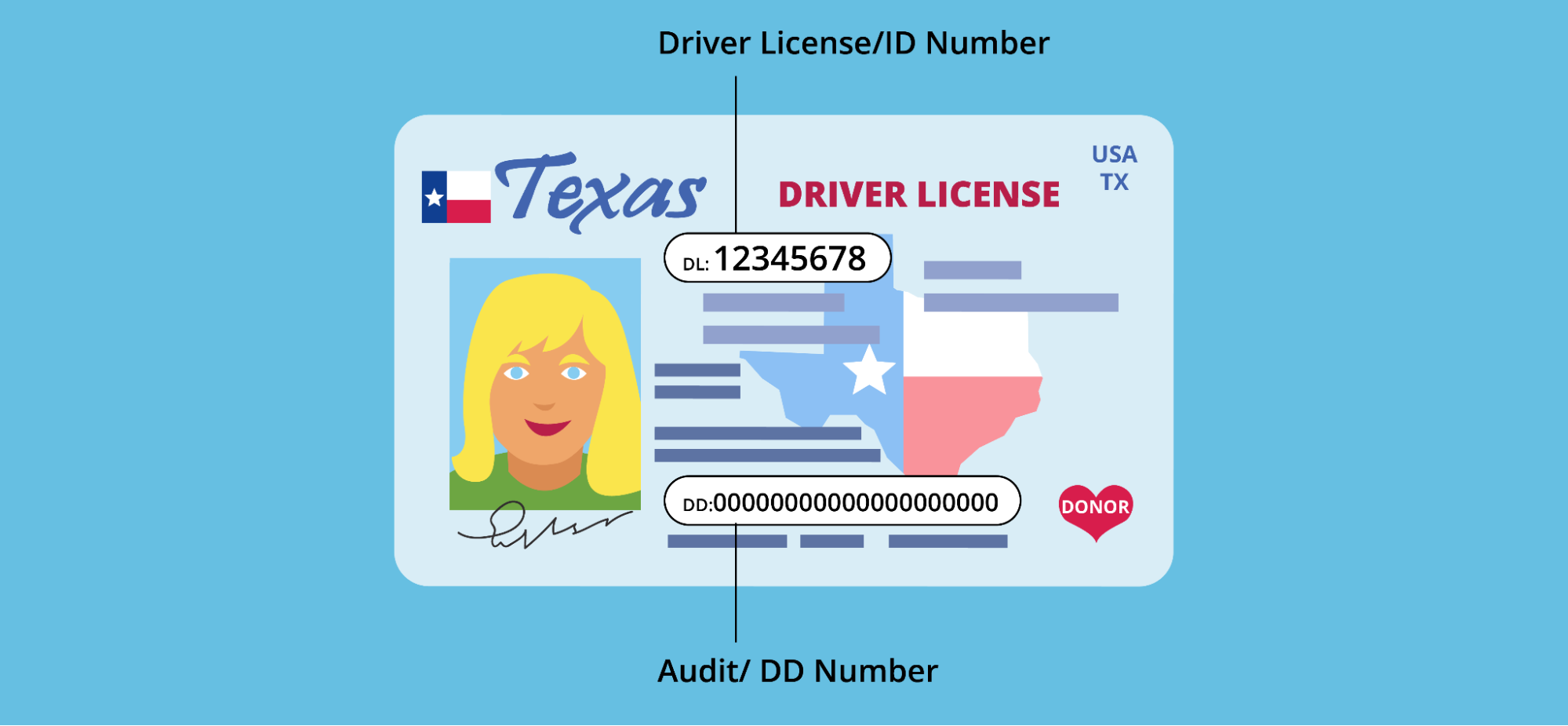
Stay Informed About Your Driving Record
- Periodic Checks: Consider periodically checking your driver’s record, especially if you have received any tickets recently. This allows you to catch any potential issues early.
- Respond to Official Notices: Pay attention to any correspondence from the Texas DPS or the courts. These notices often contain critical information about your license status or upcoming deadlines.
By understanding the mechanisms of license suspension in Texas, utilizing the official channels for status checks, and taking proactive steps to maintain compliance, you can ensure your driving privileges remain intact and avoid the significant disruptions a suspended license can cause.
LifeOutOfTheBox is a participant in the Amazon Services LLC Associates Program, an affiliate advertising program designed to provide a means for sites to earn advertising fees by advertising and linking to Amazon.com. Amazon, the Amazon logo, AmazonSupply, and the AmazonSupply logo are trademarks of Amazon.com, Inc. or its affiliates. As an Amazon Associate we earn affiliate commissions from qualifying purchases.