
Navigating the process of dissolving a Limited Liability Company (LLC) in Texas can seem daunting, but with a clear understanding of the steps involved, it can be managed effectively. Whether your business has reached its natural conclusion, you’re merging with another entity, or simply moving on to new ventures, ensuring a proper dissolution is crucial for avoiding future liabilities and complexities. This guide will walk you through the essential stages of winding down your Texas LLC.
Understanding the Dissolution Process
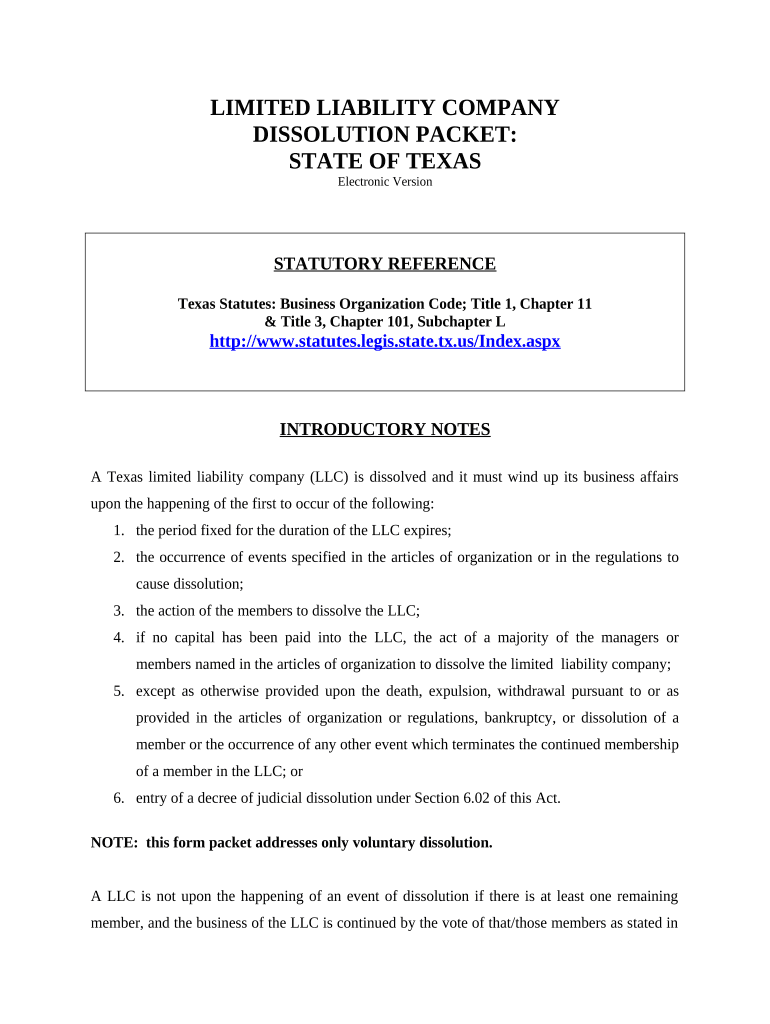
Dissolving an LLC is not merely a matter of ceasing operations. It’s a formal legal procedure that requires adherence to state regulations. The primary objective is to formally end the business’s legal existence, settle all outstanding affairs, and distribute any remaining assets. This process typically involves several key phases, from internal decision-making to final filings with the Texas Secretary of State.

Internal Decision and Authority
The first step in dissolving an LLC in Texas involves an internal decision by its members or managers. The authority to dissolve the company is usually outlined in the operating agreement.
Reviewing the Operating Agreement
Your LLC’s operating agreement is the foundational document that dictates much of its governance, including the procedures for dissolution. It will specify the voting requirements for dissolution, the roles of members and managers during the winding-up process, and how remaining assets should be distributed. Carefully reviewing this document is paramount before initiating any formal dissolution steps. If your LLC lacks an operating agreement, the Texas Limited Liability Company Act will provide default rules.
Member or Manager Approval
The decision to dissolve must be formally approved. This typically requires a vote by the LLC members. The required percentage for approval will be specified in the operating agreement. In the absence of such a provision, state law may dictate the threshold. Documenting this decision, often through minutes of a meeting or a written consent, is essential for the record.
Winding Up the LLC’s Affairs
Once the decision to dissolve has been made and approved, the LLC enters the “winding up” phase. This is a critical period where the company systematically closes its business operations and settles its financial obligations.
Ceasing Business Operations
The immediate action is to stop conducting any new business. This means no new sales, no new contracts, and no further expansion. The focus shifts entirely to concluding existing commitments and obligations.
Notifying Creditors
Properly notifying all known creditors of the dissolution is a legal requirement. This notification serves to inform them of the company’s intent to dissolve and provides them with an opportunity to submit any outstanding claims within a specified timeframe. The Texas Business Organizations Code outlines specific requirements for creditor notification. Generally, this involves sending written notice to each known creditor. It’s also advisable to publish a notice of dissolution in a local newspaper to reach unknown creditors.
Settling Liabilities and Debts
All debts, liabilities, and obligations of the LLC must be paid or otherwise adequately provided for. This includes outstanding loans, supplier invoices, taxes, and any other financial commitments. If the company’s assets are insufficient to cover all debts, members may be personally liable depending on the circumstances and whether they have maintained the corporate veil.
Liquidating Assets
Any remaining business assets, such as equipment, inventory, or real estate, should be liquidated or sold. The proceeds from these sales are then used to pay off debts and liabilities. If there are remaining assets after all debts are settled, they are distributed to the members according to the terms of the operating agreement or Texas state law.
Filing Final Tax Returns
Before officially dissolving, the LLC must file all final federal, state, and local tax returns. This includes income tax returns, sales tax returns, and any other applicable tax filings. Obtaining a tax clearance from the Texas Comptroller of Public Accounts may be necessary to confirm that all state taxes have been paid.
Filing Dissolution Documents
The final step in formally dissolving an LLC in Texas involves filing specific documents with the Texas Secretary of State.
Certificate of Termination
The primary document required is the Certificate of Termination. This form officially informs the state that your LLC is dissolving. You can find the necessary forms on the Texas Secretary of State’s website.
Completing the Certificate of Termination
The Certificate of Termination requires specific information about your LLC, including its legal name, filing number, and the date of dissolution. It will also typically include a statement confirming that the LLC has been wound up and its affairs settled.
Filing Fee
There is usually a filing fee associated with submitting the Certificate of Termination. The current fee schedule can be found on the Texas Secretary of State’s website. It’s important to pay this fee at the time of filing to ensure your dissolution is processed.
Tax Clearance Certificate
In some cases, you may need to obtain a Tax Clearance Certificate from the Texas Comptroller of Public Accounts to confirm that all state taxes have been paid and the LLC is in good standing with the state’s tax obligations. This certificate might be required along with, or in lieu of, other dissolution filings depending on specific circumstances and recent legislative changes. Always check the latest requirements with the Secretary of State’s office.
Post-Dissolution Considerations
Even after the formal dissolution filings are complete, there are a few lingering considerations to ensure a clean break.
Maintaining Records
It is advisable to maintain the LLC’s records for a period after dissolution. This can be important if any unforeseen claims or inquiries arise. The operating agreement or state law may specify retention periods for business records.
Canceling Licenses and Permits
Ensure that all business licenses, permits, and registrations held by the LLC are properly canceled. This includes federal, state, and local licenses. Failure to do so could result in continued fees or penalties.

Closing Business Bank Accounts
Once all financial transactions are settled and assets are distributed, close all business bank accounts. Ensure all outstanding checks have cleared and that there are no remaining funds.
By diligently following these steps, you can ensure a smooth and legally compliant dissolution of your LLC in Texas, providing peace of mind as you move forward.
LifeOutOfTheBox is a participant in the Amazon Services LLC Associates Program, an affiliate advertising program designed to provide a means for sites to earn advertising fees by advertising and linking to Amazon.com. Amazon, the Amazon logo, AmazonSupply, and the AmazonSupply logo are trademarks of Amazon.com, Inc. or its affiliates. As an Amazon Associate we earn affiliate commissions from qualifying purchases.