
The vastness and distinctiveness of the Lone Star State offer a compelling subject for any artist. Drawing Texas is more than just replicating its geographical outline; it’s about capturing its spirit, its diverse landscapes, and its iconic symbols. Whether you are a seasoned artist or a beginner, understanding the key elements that define Texas will elevate your artwork from a simple sketch to a rich portrayal of this remarkable state. This guide will walk you through the process, focusing on the elements that make drawing Texas a rewarding artistic endeavor, aligning with the essence of Texas as a vibrant destination and a rich cultural tapestry.
Capturing the Iconic Shape of Texas
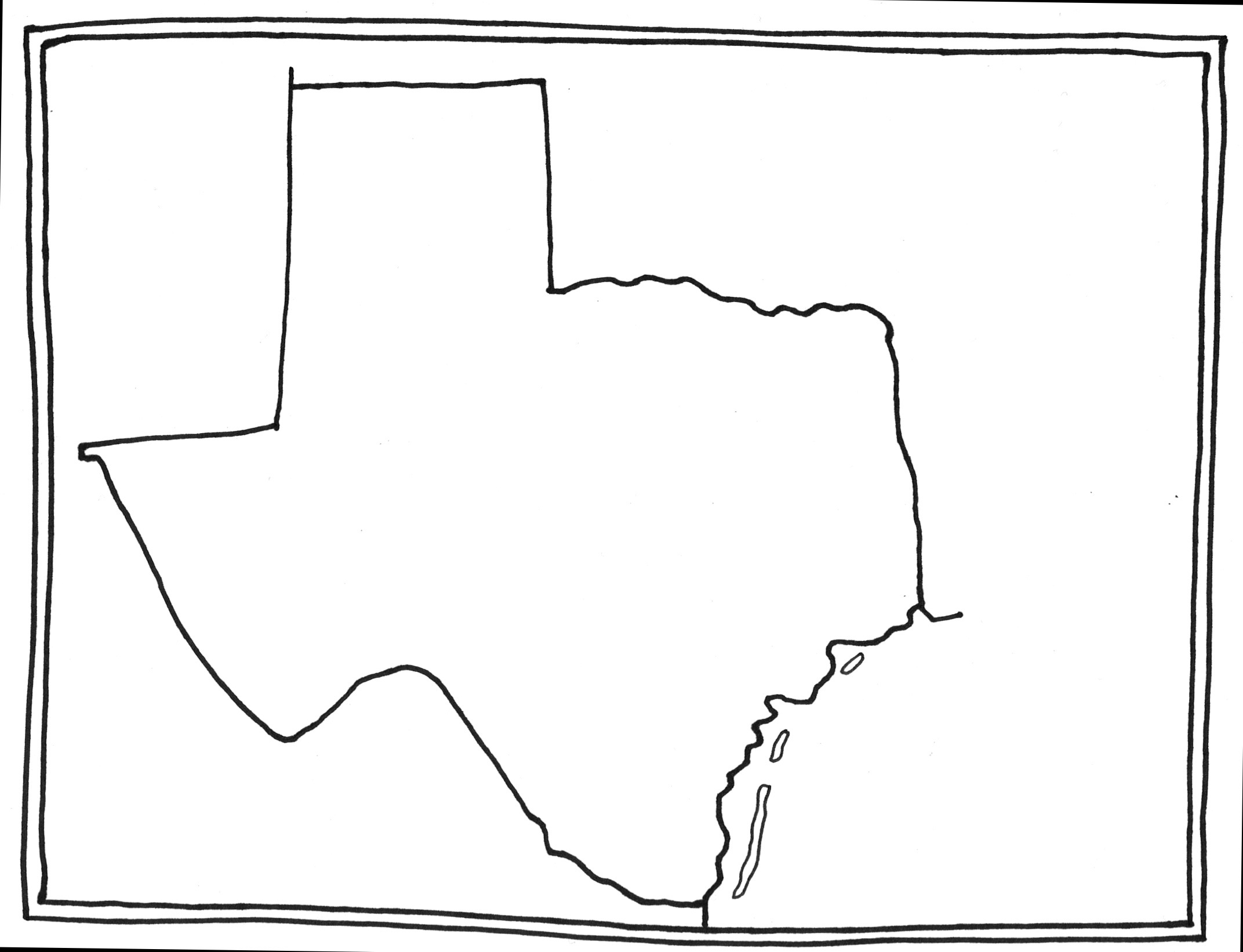
The silhouette of Texas is instantly recognizable and serves as a fundamental starting point for any drawing. Its unique shape, often compared to a cowboy boot or a proud, stoic figure, is defined by its borders.
Understanding the Geographical Borders
To accurately draw Texas, one must first familiarize themselves with its surrounding geography.
- The North: The northern border is largely defined by the Red River, separating Texas from Oklahoma. This winding river creates a dynamic edge.
- The East: The eastern boundary is formed by a series of rivers and a straight line. The Sabine River plays a significant role, leading to the border with Louisiana.
- The South: The majestic Rio Grande river forms the southern and southwestern border, a crucial element that separates Texas from Mexico. This border is characterized by its arid landscapes and unique cultural influences.
- The West: The western border is a mix of straight lines and the influence of the New Mexico border.
- The Gulf Coast: The southeastern edge is a sweeping curve along the Gulf of Mexico, a vital geographical feature that shapes the state’s climate and ecosystems.
Sketching the Basic Outline
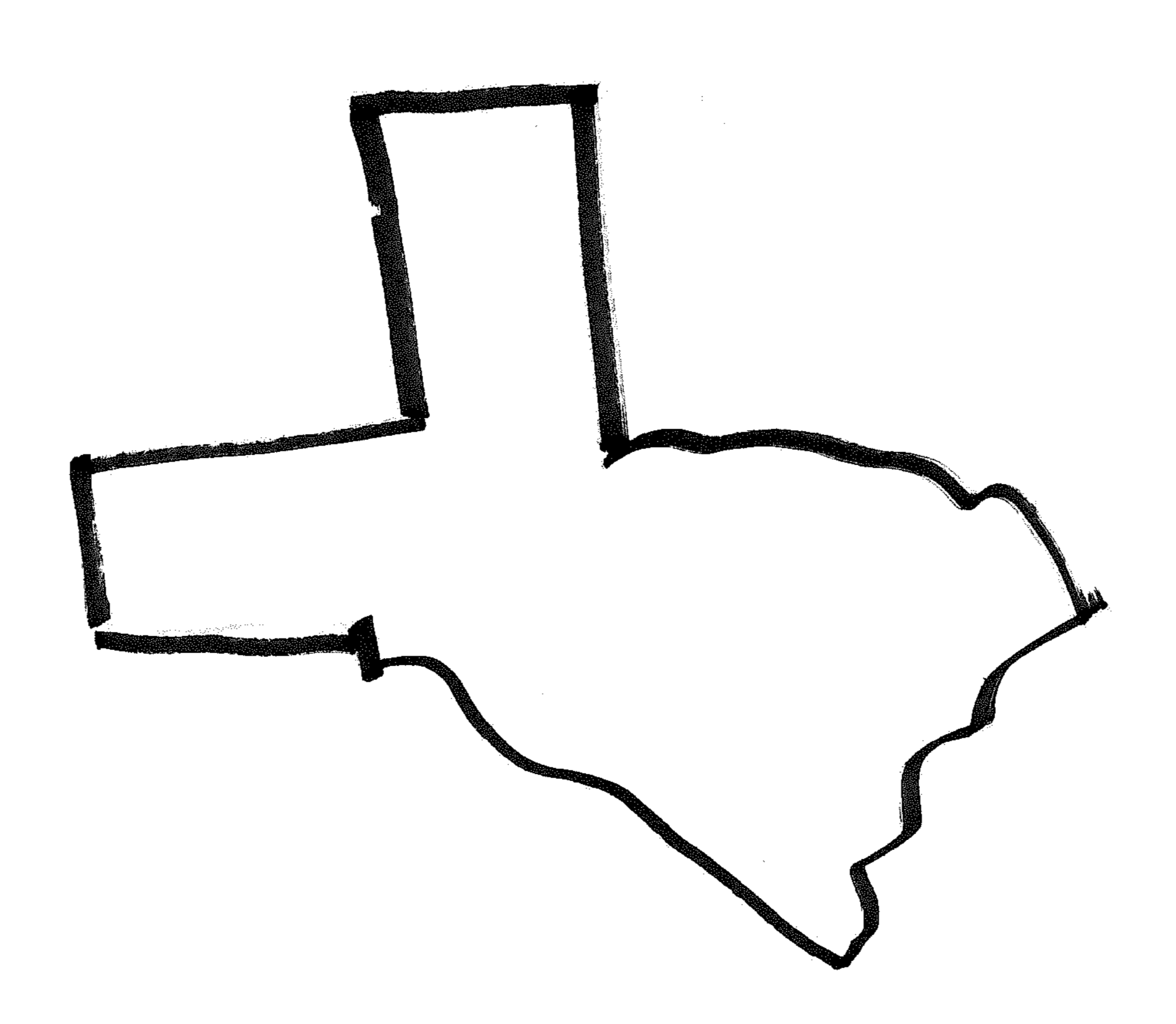
Start with a light pencil sketch to lay down the basic form. Don’t aim for perfection on the first pass. Focus on the overall flow and major indentations.
- Initial Shape: Begin by sketching a rough, elongated rectangle or oval, approximating the general width and height of the state.
- Defining the Panhandle: Notice the distinct protrusion of the northern panhandle. Sketch this as a separate, rectangular element extending upwards.
- The Southern Bend: Pay close attention to the curved sweep of the southern border along the Rio Grande. This is a crucial area for accuracy.
- The Gulf Coast Sweep: Capture the broad, curving line of the Gulf of Mexico coastline.
- Refining the Edges: Gradually refine the outline, adding the smaller bays, inlets, and river bends. Compare your sketch to a map of Texas frequently.
Incorporating Iconic Texas Landscapes and Symbols
Once the basic shape is established, the true artistry comes in populating it with elements that define the Texas experience. The state boasts incredible diversity, from the piney woods of East Texas to the desert plains of West Texas and the rolling hills of the Texas Hill Country.
Diverse Biomes and Features
- West Texas Deserts and Mountains: Consider the stark beauty of Big Bend National Park. Sketch rugged mountain ranges, vast open deserts with cacti and sparse vegetation, and the dramatic canyons carved by the Rio Grande. Use rough textures and muted, earthy tones.
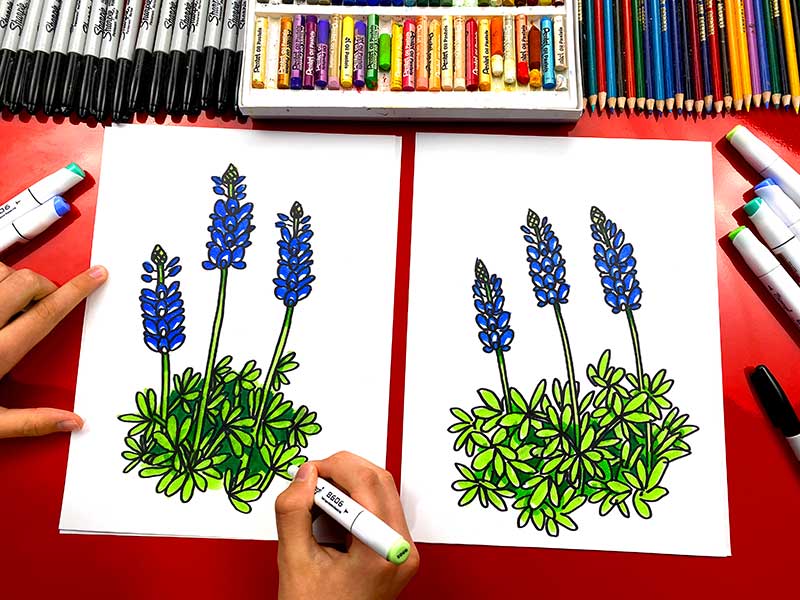
- The Rolling Hills of the Hill Country: This region is known for its scenic beauty, dotted with live oak trees, wildflowers (especially the Texas Bluebonnet), and clear rivers. Depict rolling hills, winding rivers like the Guadalupe River, and dense clusters of trees. This area offers a softer, more verdant aesthetic.
- East Texas Piney Woods: Imagine the dense forests of pine trees that characterize this region. Draw tall, straight pines, a thick undergrowth of ferns and shrubs, and a generally damp, shaded atmosphere. This area evokes a sense of lushness and mystery.
- The Gulf Coast Plains: Picture flat, open plains meeting the sea. Include marshlands, coastal grasses, and perhaps a distant lighthouse or a lone sailboat on the horizon. This area speaks of open skies and the salty air of the coast.
Iconic Symbols of Texas Culture
Beyond the landscapes, Texas is rich with symbols that evoke its unique identity.
- The Cowboy and Ranch Life: No depiction of Texas is complete without nods to its Western heritage. Include elements like cattle ranches, longhorn cattle, horses, cowboy hats, boots, and perhaps a lone rider silhouetted against the sunset. These elements can be placed within the geographical context of the plains or the hill country.
- The Texas Flag: The iconic single star on a field of blue and red and white stripes is a powerful symbol. You can subtly incorporate this into your drawing, perhaps as a flag fluttering in the wind over a ranch, or as a stylized element within the composition.
- The Alamo: A cornerstone of Texas history, the Alamo in San Antonio is an unmistakable landmark. Its distinct architecture can be a focal point, especially if drawing the southern or central regions.
- Oil Rigs and Industry: Representing the economic backbone of the state, oil derricks are a common sight in many parts of Texas. These can add a modern industrial element to your drawing, particularly in areas like West Texas or along the coast.
- City Skylines: For a more urban touch, you might include stylized elements of major Texas city skylines such as Houston, Dallas, or Austin, suggesting the vibrant metropolises within the state’s borders.
Techniques for Adding Depth and Detail
Bringing your drawing of Texas to life requires attention to detail, texture, and the play of light and shadow.
Shading and Texturing
- Applying Shading: Use shading to define the form of the land, mountains, and any structures. For arid regions, use harsh shadows to emphasize the ruggedness. For the rolling hills, softer gradients will create a sense of gentle undulation.
- Texturing Landscapes: Employ different drawing techniques to represent various textures.
- Cacti and Desert Plants: Use short, spiky lines for cacti, and varied, short strokes for dry grasses.
- Trees: Draw clusters of overlapping curved lines for the foliage of oak trees, and more linear, vertical strokes for pine trees.
- Water: Use horizontal, wavy lines for rivers and the Gulf of Mexico, with variations in intensity to suggest depth.
- Mountains: Employ cross-hatching and varied pressure to create the rough, uneven surfaces of mountain ranges.
- Representing the Sky: The sky can be a vast expanse. Consider depicting a clear blue sky, a dramatic sunset with warm hues, or a cloudy day to add mood and atmosphere.
Composition and Storytelling
The way you arrange the elements within the outline of Texas will tell a story and create a compelling visual narrative.
- Focal Points: Decide on a primary focal point. Will it be a majestic mountain range, a bustling city skyline, or a solitary cowboy on the horizon?
- Layering Elements: Create depth by layering elements. For instance, place distant mountains behind rolling hills, or have a ranch in the foreground with a vast sky above.
- Movement and Flow: Use the natural curves of the state’s outline and the placement of your drawn elements to create a sense of movement. A winding river or a road disappearing into the distance can add dynamism.
- Color Palette (for colored drawings): If you are using color, consider the typical color palettes of Texas. Earthy browns, reds, and ochres for the west; vibrant greens and blues for the hill country and East Texas; and sandy beiges and blues for the coast. Sunsets often bring a fiery palette of oranges, pinks, and purples.
Bringing the Spirit of Texas to Your Drawing
Drawing Texas is an invitation to explore its multifaceted personality. It’s about more than just geographical accuracy; it’s about infusing your artwork with the spirit of a place that is larger than life.
Embracing the “Texas Big” Mentality
Texas is often associated with a sense of grandeur and a bold, independent spirit. Let this influence your artistic choices. Don’t be afraid to make your elements prominent, your landscapes sweeping, and your symbols impactful.
Research and Inspiration
- Maps and Atlases: Continue to use detailed maps as your primary reference for accurate outlines and topographical features.
- Photography: Look at photographs of Texas landscapes, cities, and cultural icons. This will provide invaluable visual reference for details, lighting, and color.
- Artistic Interpretations: Explore how other artists have depicted Texas. This can spark new ideas and approaches to composition and style.
Practice and Personalization
The more you practice, the more comfortable you will become with the nuances of Texas’s shape and character. Don’t hesitate to add your own personal touches. Perhaps you want to focus on the vibrant nightlife of Austin, the historic missions of San Antonio, or the natural wonders of Big Bend National Park. By combining careful observation with your own creative vision, you can create a drawing that is not just a representation of Texas, but a heartfelt tribute to this extraordinary state.
LifeOutOfTheBox is a participant in the Amazon Services LLC Associates Program, an affiliate advertising program designed to provide a means for sites to earn advertising fees by advertising and linking to Amazon.com. Amazon, the Amazon logo, AmazonSupply, and the AmazonSupply logo are trademarks of Amazon.com, Inc. or its affiliates. As an Amazon Associate we earn affiliate commissions from qualifying purchases.