
Navigating the complexities of child custody in Texas can be an overwhelming experience for any parent. Understanding the legal framework, the specific terminology, and the procedural steps is crucial to ensuring the best interests of your child are met. This guide aims to provide a clear, comprehensive overview of how to file for custody in Texas, from initial considerations to post-decree modifications.
Understanding Texas Custody Law
Texas law refers to custody as “conservatorship.” The primary goal of conservatorship is to ensure the child’s best interests are paramount. Courts aim to foster a relationship between the child and both parents whenever it is safe and appropriate.
Types of Conservatorship
In Texas, there are two main types of conservatorship: Joint Managing Conservatorship (JMC) and Sole Managing Conservatorship (SMC).
Joint Managing Conservatorship (JMC)
This is the preferred form of conservatorship in Texas. JMC does not necessarily mean equal possession or time with the child. Instead, it means both parents share rights and responsibilities in the child’s upbringing. This includes decision-making powers regarding education, medical care, and religious upbringing.
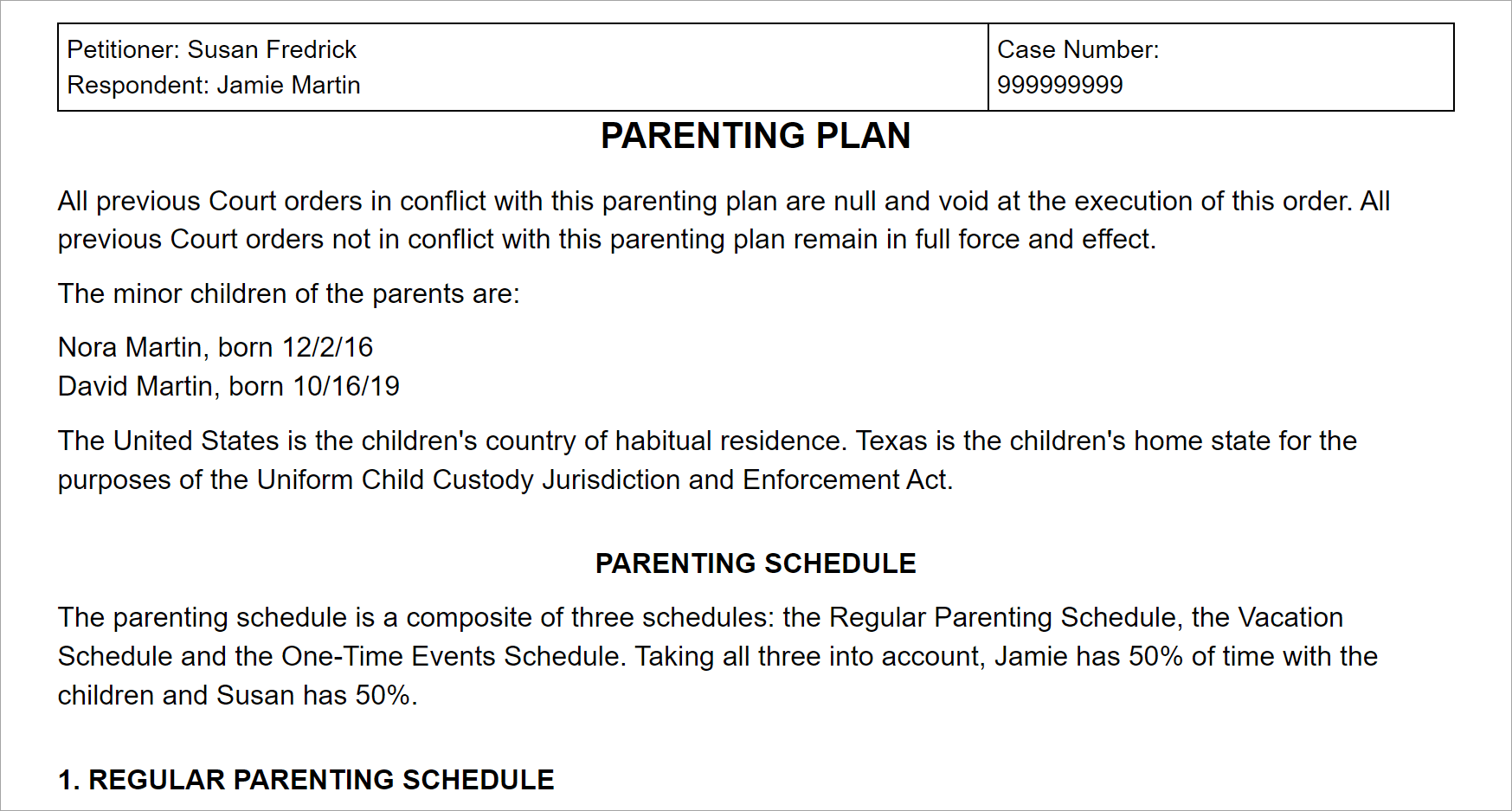
- Standard Possession Order: The most common arrangement under JMC is the Standard Possession Order, which outlines a detailed schedule for when each parent has possession of the child. This typically includes alternating holidays, extended summer possession, and weekend visits.
- Modified Possession Order: Parents can agree to or a court can order a modified possession order if the Standard Possession Order is not in the child’s best interest. This can involve more or less frequent contact depending on the circumstances.
Sole Managing Conservatorship (SMC)
SMC is typically awarded when one parent is deemed unfit or unable to co-parent effectively. This can be due to issues like substance abuse, neglect, abuse, or abandonment. The parent awarded SMC has the exclusive right to make major decisions for the child and has the right to designate the child’s residence. The other parent, often designated as a Possessory Conservator, will have a visitation schedule.
Best Interest of the Child
The overriding principle in all Texas custody cases is the “best interest of the child.” Texas Family Code Section 153.002 lists several factors a court may consider, including:
- The physical and emotional needs of the child.
- Any danger to the child’s physical or emotional welfare.
- The parental abilities of each person seeking conservatorship.
- The stability of the home.
- The acts or omissions of a parent that may indicate that the parental relationship no longer exists.
- Each parent’s plans for the child.
Filing for Custody: The Legal Process
Initiating a custody case in Texas involves several formal legal steps. These steps are designed to ensure due process for all parties involved.
Step 1: Determine Jurisdiction
Before filing, you must ensure the Texas court has jurisdiction over the child. This is generally established if the child has lived in Texas for at least six months prior to the filing of the lawsuit. If the child has lived in Texas for less than six months, the court will look to the child’s previous home state. This ensures that a custody case is heard in the state most familiar with the child’s upbringing.
Step 2: Prepare and File the Petition
The initial document filed with the court is called a “Petition in Suit Affecting the Parent-Child Relationship” (SAPCR). This petition outlines basic information about the parties, the child(ren), and the relief being sought (e.g., conservatorship, possession schedule, child support).
- Who can file? Typically, parents can file a SAPCR. Other individuals, such as grandparents, may be able to file under specific circumstances, such as if they have had actual care, control, and possession of the child for at least six months preceding the filing.
- Where to file? The petition is filed in the District Court or County Court at Law in the county where the child has resided for the preceding six months or where the respondent resides.
- Filing Fees: There are filing fees associated with initiating a lawsuit. If you cannot afford these fees, you may be eligible to file a “Statement of Inability to Afford Payment of Court Costs” to request a waiver.
Step 3: Serve the Other Parent
Once the petition is filed, the other parent (the Respondent) must be formally notified of the lawsuit. This is called “service of process.”
- Methods of Service: Service is typically accomplished by a sheriff, constable, or a private process server delivering a copy of the filed petition and a “citation” (a formal notice from the court) to the Respondent. Service must be done in accordance with the Texas Rules of Civil Procedure.
- Waiver of Service: In some amicable situations, the Respondent may agree to sign a “Waiver of Service,” which waives the need for formal service. This must be done voluntarily and after the SAPCR has been filed.
Step 4: Temporary Orders
Often, a custody case can take several months to resolve. During this period, temporary orders may be necessary to establish custody, visitation, and child support arrangements.
- Requesting Temporary Orders: Either party can request temporary orders. A hearing will be scheduled, and the court will make preliminary decisions based on the information presented. These orders remain in effect until a final order is entered or the case is dismissed.
- Temporary Child Support: The court will typically order temporary child support based on statewide guidelines.
Step 5: Discovery and Mediation

If parties cannot reach an agreement, the case proceeds through discovery, a process where each side exchanges information and evidence.
- Discovery Tools: This can include written questions (interrogatories), requests for production of documents, and depositions (sworn testimony taken out of court).
- Mediation: Texas courts strongly encourage or even mandate mediation. A neutral third-party mediator assists the parties in reaching a mutually agreeable settlement. If an agreement is reached, it is presented to the court for approval. If no agreement is reached, the case proceeds to trial.
Step 6: Final Hearing or Trial
If all settlement attempts fail, the case will proceed to a final hearing or trial.
- Bench Trial: In many custody cases, a judge will hear the evidence and make the final decision (a bench trial).
- Jury Trial: While less common in SAPCR cases, either party can request a jury trial.
- Final Decree of Divorce or SAPCR: The court’s final decision is formalized in a “Final Decree of Divorce” (if divorce is involved) or a “Final Decree of SAPCR.” This document outlines all orders regarding conservatorship, possession, child support, and other related matters.
Key Considerations and Best Practices
Beyond the procedural steps, several practical considerations can significantly impact the outcome of your custody case.
Hiring an Attorney
While it is possible to represent yourself in a Texas custody case (pro se), it is generally advisable to seek legal counsel. Family law is complex, and an experienced attorney can:
- Explain your rights and obligations.
- Guide you through the legal process.
- Help gather evidence.
- Negotiate on your behalf.
- Represent you in court.
Many attorneys offer free initial consultations, which can be a valuable opportunity to discuss your situation and understand your options.
The Role of the Child’s Wishes
In Texas, a child aged 12 or older has the right to speak with the judge in chambers regarding their preferences for conservatorship and possession. However, the judge is not bound by the child’s wishes and will still make a decision based on the child’s best interest.
Child Support Calculations
Texas has specific guidelines for calculating child support. These guidelines are based on the non-custodial parent’s net monthly income and the number of children being supported. The court can deviate from these guidelines under certain circumstances, such as if a parent has an extraordinarily high income or if the child has special needs.
Enforcement of Orders
If a party fails to comply with the court’s orders (e.g., not paying child support, failing to follow the possession schedule), the other party can file a motion for enforcement. Enforcement actions can lead to contempt of court charges, fines, and even jail time.
Modifying Orders
Circumstances change, and court orders may need to be modified. To modify a conservatorship or possession order, you generally must show a “material and substantial change in circumstances” since the last order was entered and that the requested modification is in the child’s best interest. Modifying child support typically requires showing a substantial change in circumstances or that three years have passed since the last order and the current support amount would be different by more than 20% under the guidelines.
Navigating Specific Situations
Certain scenarios present unique challenges and require careful consideration within the Texas legal framework.
Unmarried Parents
When parents are unmarried, establishing paternity is a critical first step before conservatorship and child support can be determined. This can be done through a voluntary acknowledgment of paternity or through a court-ordered genetic (DNA) test. Once paternity is established, a SAPCR case is filed to establish custody orders.
Cases Involving Domestic Violence or Abuse
If there is a history of domestic violence or abuse, Texas law provides specific protections. A court may issue a Protective Order, which can significantly impact conservatorship and possession rights. In cases of family violence, a court must find that a parent committed family violence within the preceding two years to deny them Sole Managing Conservatorship or to limit their access to the child.
Relocation Cases
If a parent with conservatorship rights wishes to move with the child outside of Texas or more than 100 miles within Texas, they typically need the other parent’s consent or a court order. This is a complex area of law, as it significantly impacts the non-relocating parent’s ability to exercise their possession rights.

Conclusion
Filing for custody in Texas is a detailed legal process that requires careful attention to detail and a thorough understanding of the law. By familiarizing yourself with the terminology, procedural steps, and the overarching principle of the child’s best interest, you can better navigate this challenging journey. Seeking qualified legal counsel is often the most effective way to protect your rights and ensure a favorable outcome for your child.
LifeOutOfTheBox is a participant in the Amazon Services LLC Associates Program, an affiliate advertising program designed to provide a means for sites to earn advertising fees by advertising and linking to Amazon.com. Amazon, the Amazon logo, AmazonSupply, and the AmazonSupply logo are trademarks of Amazon.com, Inc. or its affiliates. As an Amazon Associate we earn affiliate commissions from qualifying purchases.