
Obtaining a Class B license in Texas is a crucial step for anyone aspiring to operate commercial vehicles like straight trucks, large buses, or tow trucks. This license signifies a higher level of proficiency and responsibility beyond a standard driver’s license. The process, while straightforward, involves several distinct stages, from meeting eligibility requirements to passing rigorous examinations. This guide will demystify the journey to acquiring your Class B CDL in the Lone Star State, ensuring you are well-prepared for the road ahead.
Understanding the Class B CDL in Texas
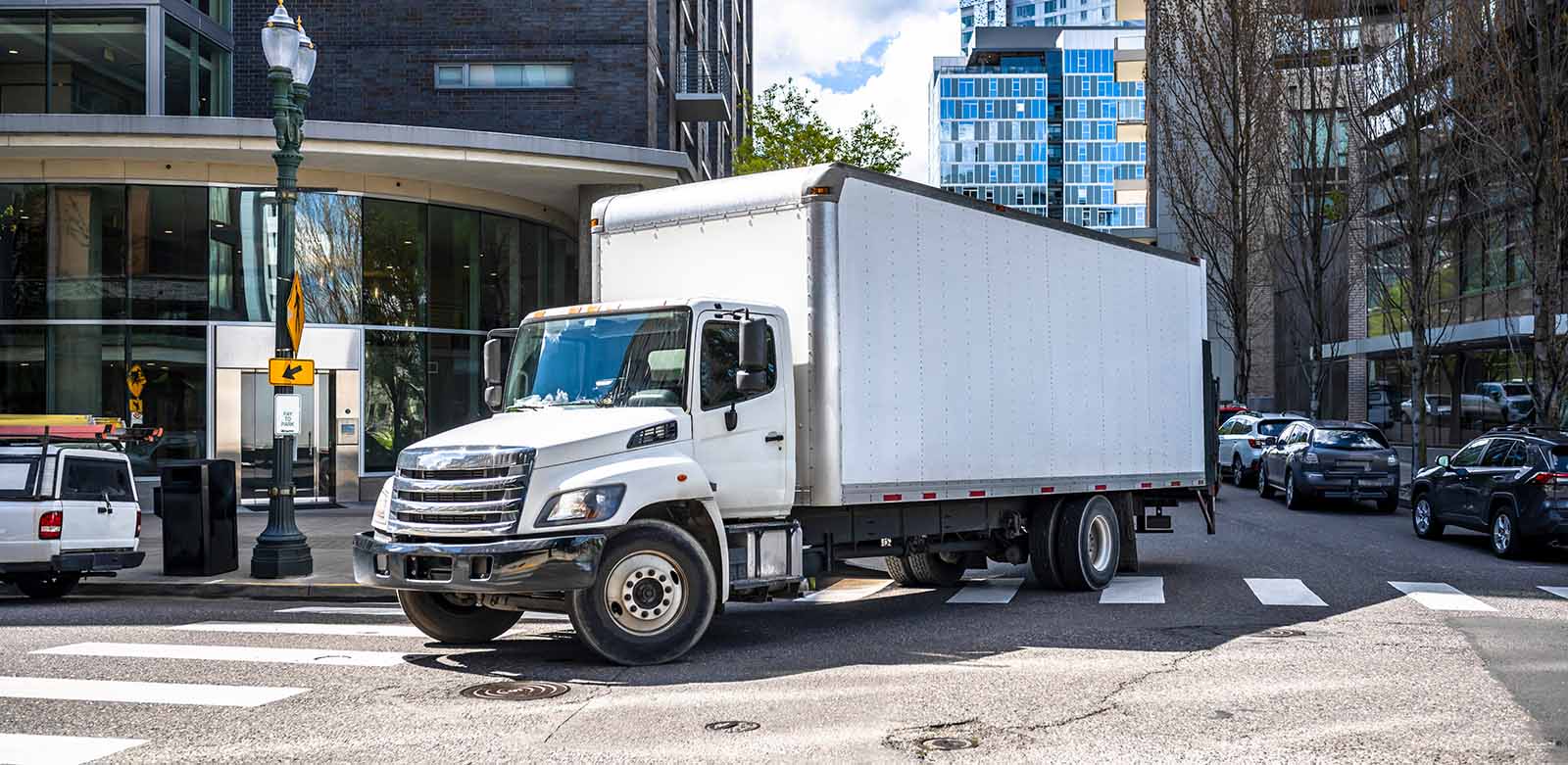
A Commercial Driver’s License (CDL) with a Class B endorsement allows individuals to drive single motor vehicles with a gross vehicle weight rating (GVWR) of 26,001 pounds or more, or any such vehicle towing a vehicle with a GVWR not exceeding 10,000 pounds. This category is distinct from Class A (which covers tractor-trailers) and Class C (for smaller commercial vehicles not meeting Class A or B criteria).
Eligibility Requirements
Before embarking on the application process, prospective drivers must meet several fundamental prerequisites. These are designed to ensure that only qualified and responsible individuals are entrusted with operating large commercial vehicles.
Age and Residency
- Minimum Age: Applicants must be at least 18 years old to obtain a Class B CDL for intrastate commerce (driving within Texas only). For interstate commerce (driving across state lines), the minimum age is 21.
- Residency: You must be a resident of Texas to apply for a Texas CDL. Proof of residency, such as utility bills, lease agreements, or Texas identification, will be required.
Driving Record and Medical Fitness
- Valid Driver’s License: A valid, non-commercial Texas driver’s license is a prerequisite.
- Driving Record: A clean driving record is essential. Significant violations or license suspensions can disqualify an applicant.
- Medical Certification: All CDL applicants must pass a Department of Transportation (DOT) physical examination administered by a certified medical examiner. This ensures drivers meet the physical and mental standards necessary for safe operation of commercial vehicles. You will receive a Medical Examiner’s Certificate upon successful completion.
The Application Process
The journey to obtaining your Class B CDL involves a structured application process administered by the Texas Department of Public Safety (DPS).
Step 1: Obtain a Commercial Learner’s Permit (CLP)
- Knowledge Test: The first formal step is to pass the CDL knowledge test at a Texas DPS driver license office. This computer-based exam assesses your understanding of commercial driving laws, safe operating practices, vehicle inspection, and other critical aspects of commercial vehicle operation. Familiarize yourself thoroughly with the Texas Commercial Motor Vehicle Driver’s Handbook.
- Application and Fees: You will need to complete the CDL application form, provide proof of identity, residency, and social security, and pay the required fees.
- Vision Test: A vision test is also conducted at the DPS office.
- Medical Certification: Present your Medical Examiner’s Certificate at this stage.
- Issuance of CLP: Upon successfully passing the knowledge test and meeting all other requirements, you will be issued a Commercial Learner’s Permit (CLP). This permit allows you to practice driving commercial vehicles under the supervision of a licensed CDL driver. The CLP is typically valid for six months.
Step 2: Complete CDL Skills Training (Recommended)
While not always mandatory for all license classes in every state, completing a professional CDL training program is highly recommended for Class B aspirants in Texas. These programs provide invaluable hands-on experience and structured instruction that goes beyond what can be learned from a handbook.
- Curriculum: Reputable CDL schools offer comprehensive training covering pre-trip inspections, basic vehicle control, defensive driving techniques, and maneuvering in various scenarios.
- Benefits: Training programs often help students prepare effectively for the CDL skills test, increasing their chances of passing on the first attempt. They also expose students to real-world driving conditions and industry expectations.
Step 3: The CDL Skills Test
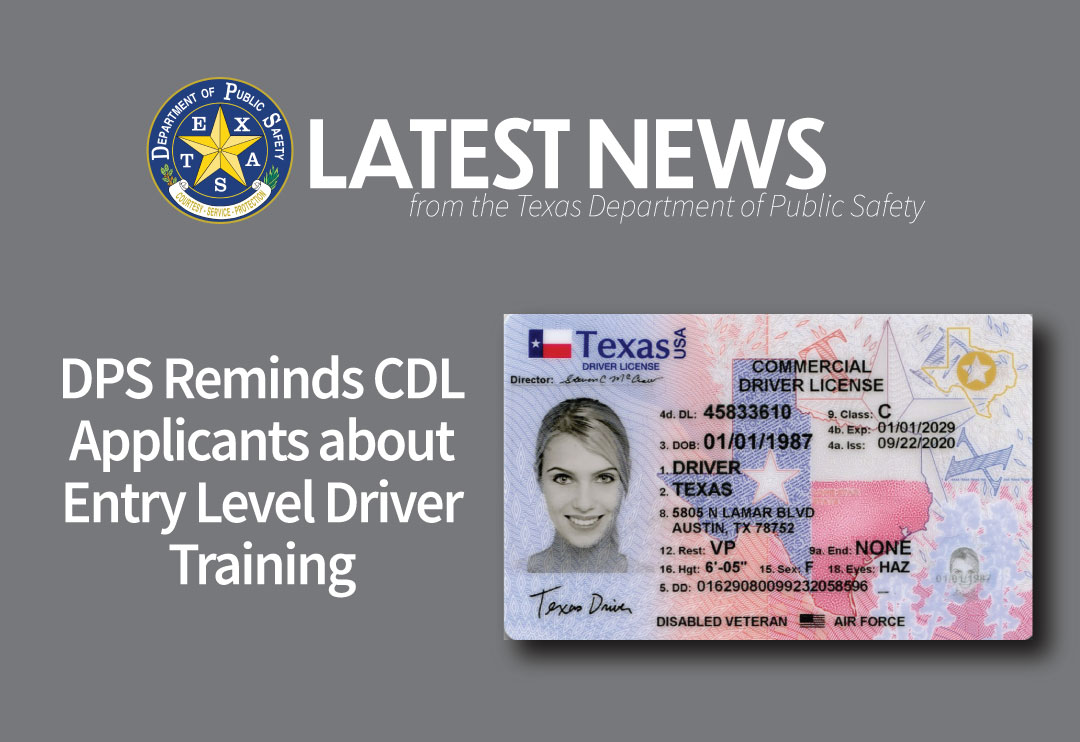
Once you have held your CLP for the required period (typically 14 days in Texas) and feel confident in your driving abilities, you can schedule your CDL skills test. This test is administered by a third-party examiner authorized by the Texas DPS.
- Pre-Trip Inspection: The test begins with a thorough pre-trip inspection of the vehicle you will be using. You must demonstrate your ability to identify potential mechanical issues and ensure the vehicle is safe for operation.
- Basic Control Skills Test: This segment assesses your ability to control the vehicle in a controlled environment, typically involving maneuvers like alley docking, parallel parking, and offset backing.
- Road Test: The final part is the on-road test, where you will drive the commercial vehicle on public roads. An examiner will evaluate your ability to safely operate the vehicle, adhere to traffic laws, merge with traffic, and navigate various road conditions.
Step 4: Finalizing Your CDL Application
After successfully passing all components of the CDL skills test, you will return to a Texas DPS driver license office to finalize your application.
- Documentation: You will need to present your CLP, proof of passing the skills test, and any other required documentation.
- Fees: Pay the final CDL licensing fees.
- Issuance of CDL: Upon completion of these steps, the Texas DPS will issue your official Class B CDL. This license is typically valid for five years.
Special Endorsements and Restrictions
Depending on the type of commercial vehicle you intend to drive and the cargo you will haul, you may need to obtain additional endorsements or be subject to certain restrictions on your Class B CDL.
Common Endorsements
- Passenger (P): Required to operate a vehicle designed to transport 15 or more passengers, including the driver. This often applies to school bus drivers and intercity bus operators.
- School Bus (S): A specific endorsement for individuals driving school buses. This requires an additional background check and specific training.
- Tank Vehicle (N): Required if the vehicle is designed to haul liquids or gaseous materials in bulk.
- Air Brakes (L): If the vehicle you plan to drive is equipped with air brakes, you will need to pass a test for this endorsement. Note that if your vehicle has air brakes, you will also be subject to a restriction if you don’t demonstrate proficiency.
- Hazardous Materials (H): Required to transport hazardous materials that require placards on the vehicle. This involves a comprehensive background check and a challenging written test.
Common Restrictions
- Air Brakes Restriction (L): If you take the skills test in a vehicle without air brakes, your license will have an “L” restriction, meaning you cannot operate commercial vehicles equipped with air brakes. To remove this restriction, you must take the skills test in a vehicle with air brakes.
- Automatic Transmission Restriction (E): If you take the skills test in a vehicle with an automatic transmission, you will have an “E” restriction and cannot drive commercial vehicles with manual transmissions.
Preparing for Success
Securing a Class B CDL in Texas is an achievable goal with the right preparation and dedication. Understanding the requirements, following the application process diligently, and practicing safe driving habits are paramount.
Key Preparation Tips
- Study the Handbook: The Texas Commercial Motor Vehicle Driver’s Handbook is your primary resource for the knowledge test. Read it thoroughly and take practice quizzes.
- Choose a Reputable School: If you opt for formal training, research CDL schools in Texas to find one with a good reputation and experienced instructors.
- Practice Driving: If possible, gain as much supervised driving experience as you can with your CLP.
- Vehicle Familiarity: Ensure you are comfortable with the specific type of vehicle you will be tested in, especially its size, braking system, and handling characteristics.
- Medical Readiness: Prioritize your health and ensure you can pass the DOT physical.

Career Opportunities
With a Class B CDL, a wide array of career opportunities opens up. These can include positions as:
- Delivery Drivers: Operating straight trucks for local or regional deliveries.
- Bus Drivers: For public transportation, school districts, or charter services.
- Construction Vehicle Operators: Driving dump trucks, concrete mixers, and other heavy equipment.
- Garbage Truck Drivers: A vital role in municipal services.
- Tow Truck Operators: Requiring specialized skills and often additional endorsements.
The demand for skilled commercial drivers remains consistently high, making a Class B CDL a valuable asset for a stable and rewarding career in Texas and beyond. By following these steps, you can confidently navigate the process and achieve your goal of obtaining your Class B CDL.
LifeOutOfTheBox is a participant in the Amazon Services LLC Associates Program, an affiliate advertising program designed to provide a means for sites to earn advertising fees by advertising and linking to Amazon.com. Amazon, the Amazon logo, AmazonSupply, and the AmazonSupply logo are trademarks of Amazon.com, Inc. or its affiliates. As an Amazon Associate we earn affiliate commissions from qualifying purchases.