
Navigating the bureaucratic landscape of vehicle ownership can sometimes feel like a winding road, especially when dealing with official documentation. In the great state of Texas, the car title serves as the ultimate proof of ownership. Whether your original title has been lost, stolen, damaged, or you’re looking to transfer ownership, obtaining a certified copy is a crucial step. This guide will walk you through the process, ensuring you have all the information needed to successfully acquire a duplicate title in Texas.
Understanding the Texas Car Title
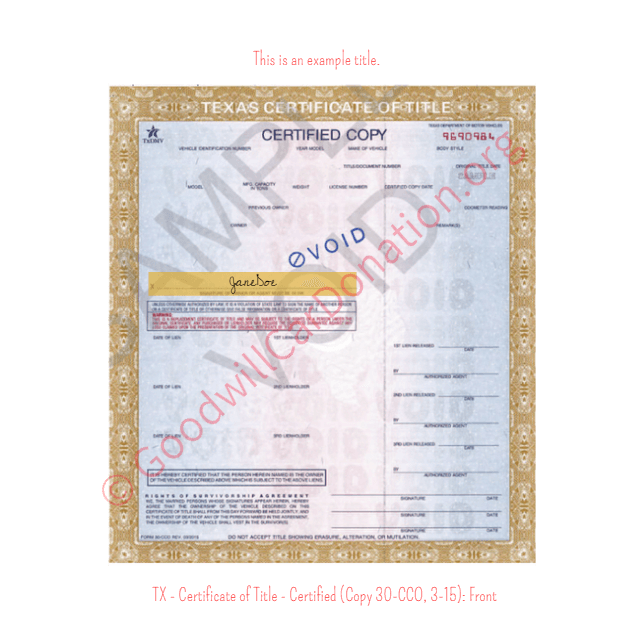
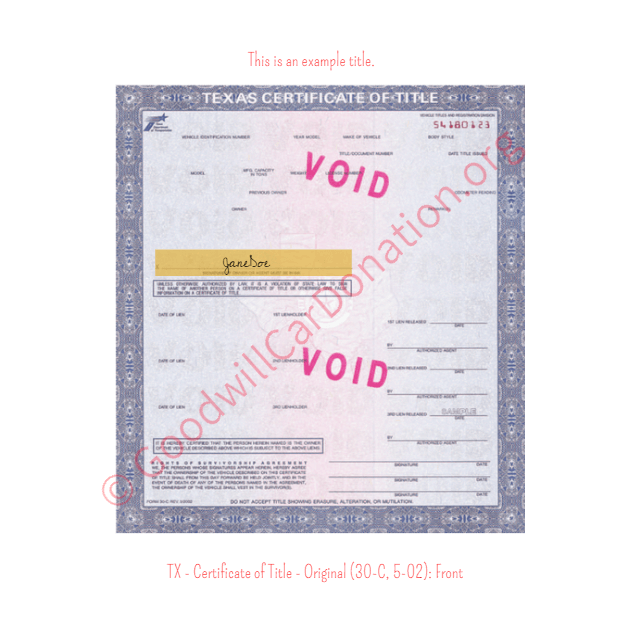
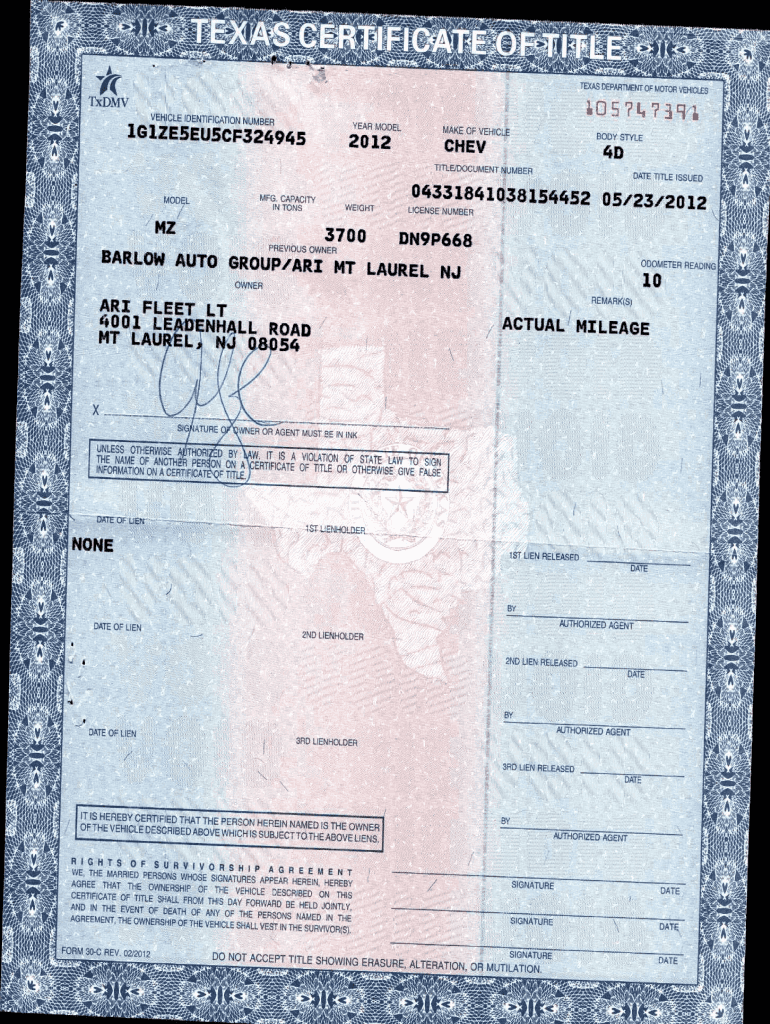
The Certificate of Title is a legal document issued by the Texas Department of Motor Vehicles (TxDMV) that identifies the vehicle owner. It contains vital information such as the vehicle identification number (VIN), make, model, year, and the owner’s name and address. This document is indispensable for selling, gifting, or salvaging a vehicle. Without a clear title, transferring ownership or proving your legal right to the vehicle becomes significantly more complicated.
Why You Might Need a Duplicate Title
There are several common scenarios that necessitate obtaining a duplicate car title in Texas:
- Lost Title: This is perhaps the most frequent reason. Misplacing the original title can happen for a multitude of reasons, from accidental disposal to simply not knowing where it was last placed.
- Stolen Title: If your vehicle was stolen and subsequently recovered, or if you suspect the title itself was stolen, a duplicate is essential.
- Damaged Title: Water damage, fading ink, or tears can render a title illegible or unusable. In such cases, a clear, updated copy is required.
- Lien Release: When a loan on a vehicle has been paid off, the lienholder will release their interest. The title may be updated to reflect this, and if the original was lost during this process, a duplicate is needed.
- Transfer of Ownership: While the original title is typically used for a sale, if that original is missing, a duplicate must be obtained by the seller to legally transfer ownership to the buyer.
The Importance of a Valid Title for Texas Residents
Owning a vehicle in Texas comes with responsibilities, and having the correct documentation is paramount. A valid car title is not just a piece of paper; it’s your legal claim to the vehicle. It’s required for:
- Registering your vehicle: You’ll need a title to register your car with the Texas DMV.
- Selling your vehicle: A buyer will absolutely need a title to legally register the car in their name.
- Obtaining insurance: While not always explicitly requested by insurers, a title is proof of ownership, which can be relevant in certain insurance claims.
- Dealing with law enforcement: In situations where proof of ownership is questioned, a title is the definitive document.
The Process of Obtaining a Duplicate Title in Texas
The Texas Department of Motor Vehicles (TxDMV) is the governing body responsible for issuing vehicle titles. To obtain a duplicate copy, you’ll need to submit a specific application and meet certain requirements.
Key Application Form: Application for a Certified Copy of Title (Form VTR-392)
The primary document you’ll need is the “Application for a Certified Copy of Title,” commonly known as Form VTR-392. This form is available for download from the official TxDMV website. It’s crucial to fill out this form accurately and completely to avoid delays.
Information Typically Required on Form VTR-392:
- Vehicle Information: This includes the Vehicle Identification Number (VIN), year, make, and model of the vehicle.
- Owner Information: The full legal name and current address of the registered owner(s) as they appear on previous records.
- Reason for Duplicate: You will need to specify why you are requesting a duplicate title (e.g., lost, stolen, damaged).
- Lienholder Information (if applicable): If there was a lien on the vehicle that has since been satisfied, you may need to provide information about the lienholder.
- Signature(s) of Owner(s): All registered owners must sign the application.
Supporting Documents and Identification
In addition to the completed Form VTR-392, you will likely need to provide supporting documentation to verify your identity and ownership.
- Proof of Identity: A valid government-issued photo ID, such as a Texas driver’s license or identification card, is typically required.
- Proof of Ownership: While you’re requesting a duplicate of a lost title, the TxDMV still needs to verify you are the legal owner. This can sometimes be established through existing records, but having any supporting documents like old registration papers or bills of sale can be beneficial.
- Vehicle Registration (if available): A copy of your current or previous vehicle registration can help the TxDMV confirm your ownership details.
Fees Associated with Duplicate Titles
There is a fee associated with obtaining a certified copy of a vehicle title in Texas. The exact amount can change, so it’s always best to check the most current fee schedule on the TxDMV website. Typically, payment is accepted in the form of a check or money order made payable to the TxDMV. Some county tax assessor-collector offices may also accept cash or card payments.
Where to Submit Your Application
You have a few options for submitting your completed application and supporting documents:
-
County Tax Assessor-Collector Offices: Many Texas residents find it convenient to visit their local county tax assessor-collector office. These offices act as agents for the TxDMV and can process title applications, including requests for duplicates. You can usually find a list of these offices and their locations on the TxDMV website. This is often the quickest method for in-person submissions.
-
Mail to TxDMV: You can mail your completed application and required documents directly to the TxDMV headquarters in Austin, Texas. The mailing address will be clearly indicated on Form VTR-392 or on the TxDMV website. This method can take longer due to mail delivery times and processing at the state level.
Special Circumstances and Considerations
While the standard process is straightforward, certain situations might require additional steps or considerations.
Vehicles with Liens
If your vehicle has a lien (a loan on the vehicle), the process for obtaining a duplicate title can be slightly different.
- Lien Satisfied: If the loan has been paid off and the lien has been released, the lienholder typically returns the original title to the owner. If this title is lost, you would proceed with the standard duplicate title application. You may need to provide proof that the lien has been released.
- Active Lien: If there is an active lien on the vehicle, the lienholder usually holds the title. If the title is lost while the lien is active, both the owner and the lienholder may need to be involved in the application process. The lienholder’s signature or consent might be required on the duplicate title application. It’s advisable to communicate with your lienholder to understand their specific requirements.
Salvage or Rebuilt Titles
If your vehicle has been declared a salvage title and subsequently rebuilt, the process for obtaining a duplicate might involve additional steps related to the salvage inspection and certification. The duplicate title would reflect its salvage or rebuilt status.
Transferring Ownership with a Lost Title
If you are selling a vehicle and have lost the original title, you must obtain a duplicate title before you can legally transfer ownership to the buyer. Attempting to sell a vehicle without a title, or with a photocopy, is illegal and will prevent the buyer from registering the vehicle. The duplicate title will be issued in your name, and then you can use it to complete the sale.
Timeframe for Receiving a Duplicate Title
The processing time for a duplicate title can vary. If you apply in person at a county tax assessor-collector office, you may receive the duplicate title more quickly than if you mail it in. Generally, it can take anywhere from a few weeks to over a month to receive the duplicate title by mail. It’s wise to apply well in advance of any deadlines or planned sales.
Tips for a Smooth Application Process
To ensure your application for a duplicate Texas car title is processed smoothly and efficiently, keep these tips in mind:
- Visit the TxDMV Website: The official Texas Department of Motor Vehicles website is your primary resource. It provides the most up-to-date forms, fee information, and office locations. Look for sections related to vehicle titles and registration.
- Download the Latest Form: Always download the most recent version of Form VTR-392 from the TxDMV website. Older versions may not be accepted.
- Complete the Form Accurately: Double-check all information before submitting. Errors or omissions are the most common cause of application delays. Ensure names and VINs match your records precisely.
- Gather All Necessary Documents: Have your proof of identity, any supporting ownership documents, and the completed application ready before you visit an office or mail your application.
- Pay the Correct Fee: Ensure you have the exact fee amount and the correct form of payment as specified by the TxDMV.
- Consider In-Person Submission: For potentially faster processing, visiting a local county tax assessor-collector office is often recommended.
- Keep Copies: Make copies of your completed application and any supporting documents you submit for your own records.
- Follow Up if Necessary: If you haven’t received your duplicate title within the expected timeframe, don’t hesitate to contact the TxDMV or the county office where you submitted your application for an update.
By following these steps and paying close attention to detail, you can successfully obtain a certified copy of your car title in Texas, ensuring your vehicle ownership is properly documented and legally recognized.
LifeOutOfTheBox is a participant in the Amazon Services LLC Associates Program, an affiliate advertising program designed to provide a means for sites to earn advertising fees by advertising and linking to Amazon.com. Amazon, the Amazon logo, AmazonSupply, and the AmazonSupply logo are trademarks of Amazon.com, Inc. or its affiliates. As an Amazon Associate we earn affiliate commissions from qualifying purchases.