
Texas, a state renowned for its expansive landscapes, rich history, and burgeoning economy, offers a vibrant market for various businesses, including the automotive sector. For aspiring entrepreneurs looking to enter the lucrative world of vehicle sales, obtaining a dealer license is the crucial first step. This process, while requiring diligence and adherence to regulations, is a well-defined path managed by the Texas Department of Motor Vehicles (TxDMV). Understanding the requirements and procedures is paramount to a smooth and successful application.
Understanding the Texas Dealer License Landscape
Before embarking on the journey to secure a dealer license, it’s essential to grasp the different types of licenses available and the general oversight provided by the state. The TxDMV is the primary governing body responsible for licensing and regulating all motor vehicle dealers in Texas. This ensures fair practices, consumer protection, and a regulated marketplace for vehicle transactions.
Types of Dealer Licenses in Texas
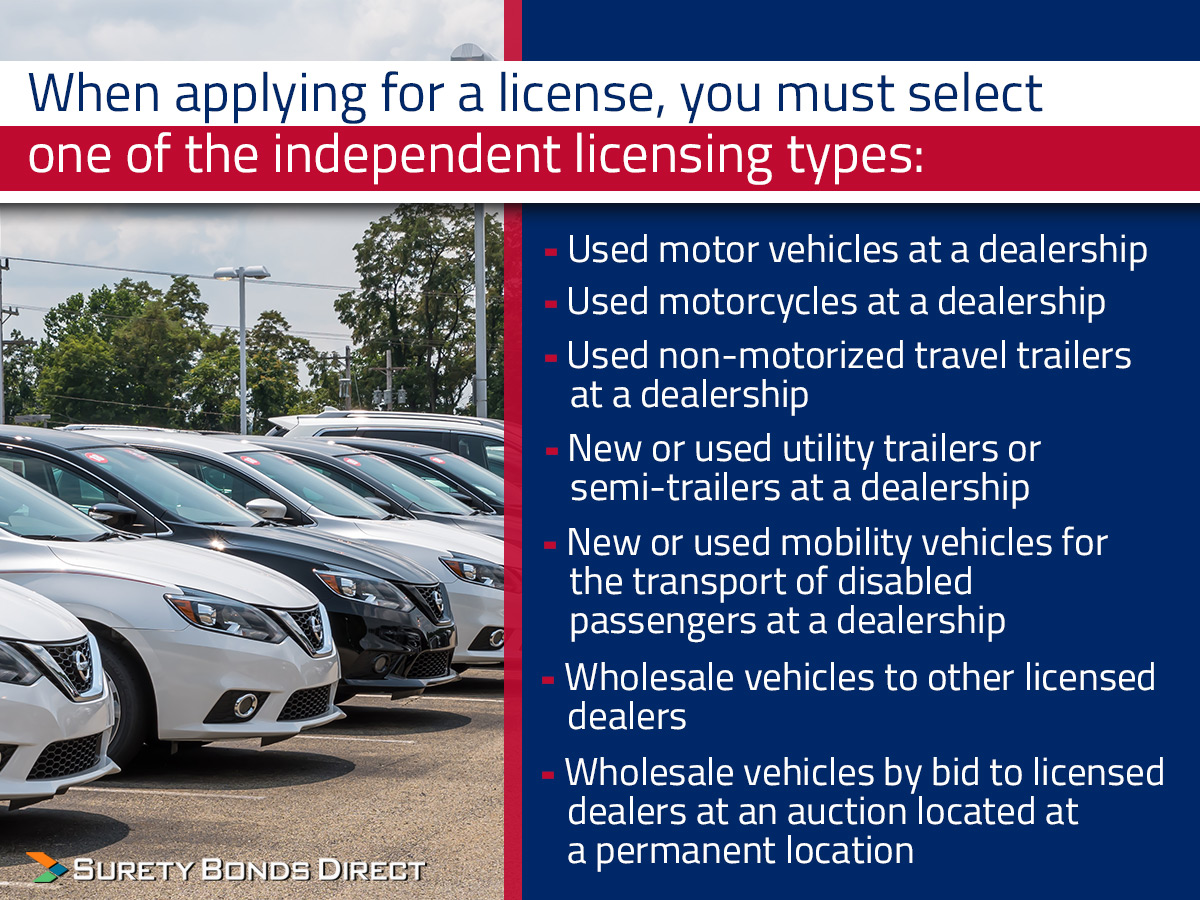
Texas offers several categories of dealer licenses, each tailored to specific business models within the automotive industry. The most common types include:
- New Vehicle Dealer License: This license is for businesses that intend to sell new vehicles directly from manufacturers. These dealerships typically represent specific brands and adhere to manufacturer agreements.
- Used Vehicle Dealer License: This is perhaps the most common type of license, allowing individuals or businesses to sell pre-owned vehicles. This category can range from large pre-owned dealerships to smaller, independent operations.
- Independent Motor Vehicle Dealer License: Similar to the used vehicle dealer license, this category is for independent businesses selling used vehicles.
- Wholesale Dealer License: This license permits the sale of vehicles only to other licensed dealers, not directly to the public. Wholesalers play a crucial role in the supply chain, connecting manufacturers, auctions, and retail dealerships.
- Salvage Vehicle Dealer License: This license is for businesses that deal in salvage vehicles, which are typically damaged vehicles that have been declared a total loss by an insurance company. These vehicles are often purchased for parts or restoration.
- Recreational Vehicle (RV) Dealer License: This license specifically covers the sale of new or used recreational vehicles, such as travel trailers, campers, and motorhomes.
- Motorcycle Dealer License: For businesses specializing in the sale of motorcycles, scooters, and other two-wheeled vehicles.
- Trailer Dealer License: This license is for businesses that sell new or used trailers, including utility trailers, car haulers, and specialty trailers.
Each license type has specific requirements, though many foundational steps are common across the board.
Key Regulatory Bodies and Their Roles
The Texas Department of Motor Vehicles (TxDMV) is the central authority. It oversees licensing, investigates complaints, and enforces regulations to protect consumers and ensure a fair business environment. The TxDMV publishes detailed guides and forms necessary for the application process.
Beyond the TxDMV, other state and local entities may be involved, including:
- Texas Comptroller of Public Accounts: For tax registration and collection.
- Local City/County Governments: For zoning regulations, business permits, and potential inspections.
- Law Enforcement Agencies: May be involved in background checks or facility inspections.
The Application Process: A Step-by-Step Guide
Securing a dealer license in Texas involves a series of well-defined steps. Thorough preparation and attention to detail are crucial to avoid delays.
Step 1: Business Structure and Registration
Before applying for a dealer license, you must establish a legal business entity. This could be a sole proprietorship, partnership, limited liability company (LLC), or corporation.
- Choose Your Business Structure: Consult with a legal or business advisor to determine the most suitable structure for your needs, considering liability, taxation, and operational flexibility.
- Register Your Business Name: If you are operating under a fictitious name (DBA – “doing business as”), you will need to register it with the appropriate county clerk’s office.
- Obtain an Employer Identification Number (EIN): If your business is a corporation, partnership, or LLC, you will need an EIN from the Internal Revenue Service (IRS). Sole proprietors may also need one depending on their business activities.
Step 2: Secure a Business Location
A physical business location is a fundamental requirement for most dealer licenses. This location must meet specific criteria set by the TxDMV.
- Zoning Compliance: Ensure your chosen location complies with local zoning ordinances for automotive businesses. This may involve restrictions on proximity to schools, churches, or residential areas.
- Office Space: You must have a dedicated office space within your established business premises. This office serves as the administrative hub for your dealership operations.
- Display Area: Licensed dealers are generally required to have a designated area for displaying vehicles. The size and nature of this area may vary depending on the license type and local regulations.
- Signage: Clear and visible signage displaying your business name and dealer license number is typically mandated.
Step 3: Complete Pre-Licensing Education and Training
The TxDMV requires prospective dealers to complete a pre-licensing education course. This course is designed to familiarize applicants with Texas motor vehicle laws, regulations, and ethical business practices.
- Approved Course Providers: Identify and enroll in a course offered by a TxDMV-approved education provider. A list of approved providers is usually available on the TxDMV website.
- Course Content: These courses typically cover topics such as licensing procedures, advertising rules, consumer protection laws, record-keeping requirements, and vehicle titling and registration.
- Certificate of Completion: Upon successful completion of the course, you will receive a certificate, which must be submitted with your license application.
Step 4: Obtain a Surety Bond
A surety bond is a crucial financial instrument that protects consumers against potential misconduct by the dealer. It acts as a guarantee that the dealer will operate ethically and fulfill financial obligations.
- Bond Amount: The required bond amount varies based on the type of dealer license. For example, used vehicle dealers typically require a bond of $25,000, while new vehicle dealers might require a higher amount. Refer to the TxDMV guidelines for the exact amounts.
- Surety Bond Provider: You will need to obtain the bond from a reputable surety company licensed to do business in Texas.
- Bond Certificate: You will receive a bond certificate, which must be submitted with your application.
Step 5: Gather Required Documentation
The application process requires a comprehensive set of documents. Ensure all forms are completed accurately and all supporting materials are included. Common documents include:
- Completed Application Form: The official dealer license application form provided by the TxDMV.
- Pre-Licensing Education Certificate: Proof of completion of the required course.
- Surety Bond Certificate: The executed surety bond.
- Proof of Business Registration: Documents evidencing your chosen business structure (e.g., Articles of Incorporation, LLC Operating Agreement).
- EIN Confirmation Letter: If applicable.
- Proof of Ownership or Lease for Business Location: Documentation such as a deed or lease agreement.
- Sales Tax Permit: A permit from the Texas Comptroller of Public Accounts.
- Criminal History Background Check: Applicants may be required to undergo a criminal background check.
- Vehicle Identification Number (VIN) Inspection: In some cases, a VIN inspection of your business premises may be required.
- Photographs of Business Premises: Pictures clearly showing the office, display area, and signage.
Step 6: Submit Your Application and Fees
Once all documentation is gathered and forms are completed, you can submit your application to the TxDMV.
- Application Submission: Applications are typically submitted to the TxDMV licensing division, often through mail or an online portal if available.
- Application Fees: Be prepared to pay the required application and license fees. These fees vary by license type and are subject to change. The TxDMV website will provide the current fee schedule.
Step 7: Inspection and Approval
After submitting your application, the TxDMV will review it for completeness and accuracy.
- Facility Inspection: An inspector from the TxDMV may visit your business location to verify that it meets all the required physical and operational standards. This inspection ensures compliance with zoning, signage, office space, and display area requirements.
- Application Review: The licensing division will meticulously review all submitted documents and the results of the inspection.
- Issuance of License: Upon successful completion of the review and inspection, and provided all requirements are met, the TxDMV will issue your dealer license.
Maintaining Your Texas Dealer License
Obtaining a license is just the beginning. Ongoing compliance with TxDMV regulations is essential to maintain your license and operate a successful dealership.
Record Keeping
Accurate and organized record-keeping is a cornerstone of responsible dealership operation. Dealers must maintain detailed records of all vehicle transactions, including purchases, sales, titles, and odometer readings. These records are subject to inspection by the TxDMV.
Renewal Process
Dealer licenses are not permanent and require periodic renewal. The TxDMV will notify you of your license expiration date and the renewal requirements. This typically involves submitting a renewal application, paying renewal fees, and potentially completing additional continuing education.
Staying Informed About Regulatory Changes
The automotive industry and its regulatory landscape are dynamic. It is imperative for dealers to stay informed about any changes in Texas laws or TxDMV policies that may affect their operations. Regularly visiting the TxDMV website and subscribing to any official newsletters can help you stay up-to-date.
Conclusion
Embarking on the journey to obtain a dealer license in Texas is a significant undertaking that requires careful planning, adherence to regulations, and a commitment to ethical business practices. By understanding the different license types, diligently following the application process, and maintaining ongoing compliance, aspiring dealers can successfully establish their presence in the thriving Texas automotive market. The Texas Department of Motor Vehicles provides the framework and resources necessary for this endeavor, ensuring a regulated and fair environment for both businesses and consumers alike.
LifeOutOfTheBox is a participant in the Amazon Services LLC Associates Program, an affiliate advertising program designed to provide a means for sites to earn advertising fees by advertising and linking to Amazon.com. Amazon, the Amazon logo, AmazonSupply, and the AmazonSupply logo are trademarks of Amazon.com, Inc. or its affiliates. As an Amazon Associate we earn affiliate commissions from qualifying purchases.