
Navigating the complexities of obtaining essential permits can often feel like an arduous journey, especially when accessibility is at stake. For residents of Texas, securing a handicap parking permit is a crucial step towards ensuring greater mobility and independence. This comprehensive guide aims to demystify the process, offering clear, actionable steps to help eligible individuals acquire the necessary documentation, focusing on the practical aspects of this vital travel and lifestyle accommodation. Understanding the requirements and procedures can significantly ease the burden, allowing for more accessible and enjoyable experiences throughout the Lone Star State.

Understanding Eligibility and Application Requirements
The foundation of obtaining a handicap parking permit in Texas lies in understanding who qualifies and what documentation is needed. The Texas Department of Motor Vehicles (TxDMV) oversees the issuance of these permits, ensuring that they are granted to individuals who genuinely require them due to a qualifying disability. This process is designed to be accessible, yet rigorous, to maintain the integrity of the parking system for those with mobility challenges.
Qualifying Disabilities in Texas
Texas law defines specific conditions that qualify an individual for a disability parking permit. These generally fall into categories that significantly impair a person’s ability to walk or necessitate the use of a mobility device. Common qualifying conditions include, but are not limited to:
- Blindness: Individuals with significant visual impairment, as certified by a licensed ophthalmologist or optometrist.
- Lung Disease: Conditions that severely impair respiratory function, such as emphysema or chronic obstructive pulmonary disease (COPD), to the extent that the person’s capacity for exertion is limited.
- Heart Condition: Cardiovascular diseases that have reached functional class III or IV status, as determined by a physician. This means the patient is limited in physical activity and experiences symptoms even at rest.
- Circulatory Disease: Severe peripheral vascular disease or other circulatory impairments that limit mobility.
- Disability of the Spine: Conditions affecting the spine that limit mobility, such as severe arthritis, spinal stenosis, or other musculoskeletal disorders.
- Inability to Walk Without Assistance: This is a broad category that covers individuals who require a cane, crutches, a walker, a wheelchair, or another person to ambulate. It also includes those whose ability to walk is severely limited due to the disease or a medical condition.
- Neurological, Orthopedic, or Other Medical Condition: Any other condition that results in a significant mobility impairment.
It is crucial to note that the determination of eligibility is a medical one. The applicant must have their condition certified by a licensed physician, chiropractor, podiatrist, or an authorized health care provider in Texas.
Required Documentation for Application
To apply for a handicap parking permit in Texas, individuals will need to complete a specific application form and provide supporting medical documentation. The primary form is the “Disability Authorization to Issue a Texas Disabled Person’s Parking Placard” (Form VTR-214). This form has two main sections:
- Applicant’s Information: This section requires the applicant’s personal details, including their name, address, date of birth, and driver’s license or ID card number.
- Physician’s Certification: This section must be completed and signed by a qualified medical professional. The physician will document the applicant’s condition, the nature of their disability, and whether it is temporary or permanent. The physician’s signature, printed name, license number, and practice address are mandatory.
In addition to the completed VTR-214 form, applicants typically need to provide:
- Proof of Identity: A valid Texas driver’s license or ID card is usually required.
- Proof of Residency: While not always explicitly requested on the application, it’s advisable to have proof of residency in Texas should any questions arise.
Temporary vs. Permanent Permits
Texas offers both temporary and permanent disability parking permits. The type of permit issued depends on the nature and expected duration of the applicant’s disability.
- Temporary Permits: These are typically issued for disabilities that are expected to improve or resolve within six months. The certifying physician must specify the expected duration of the disability on the application form. Temporary permits are usually valid for up to six months.
- Permanent Permits: For individuals with long-term or permanent disabilities that significantly impair their mobility, a permanent permit is issued. These permits do not expire, although the vehicle registration or the permit holder’s driver’s license may need renewal, necessitating a reconfirmation of eligibility at those times. For disabled license plates, the plates themselves will expire with the vehicle registration.
The application process and required documentation are largely the same for both types of permits, with the physician’s certification being the key differentiator regarding duration.
The Application Process: Step-by-Step
Obtaining a handicap parking permit in Texas involves a straightforward, yet specific, set of steps. Familiarizing yourself with each stage can prevent delays and ensure a smooth application process, allowing you to enjoy more accessible travel and experiences across Texas.
Step 1: Obtain the Application Form
The first step is to acquire the necessary application form. The “Disability Authorization to Issue a Texas Disabled Person’s Parking Placard” (Form VTR-214) can be obtained in several ways:
- Online Download: The form is readily available for download from the Texas Department of Motor Vehicles website. Searching for “VTR-214” on the TxDMV site will lead you to the official PDF document.
- Local County Tax Assessor-Collector Office: You can pick up a physical copy of the form at any county tax assessor-collector office throughout Texas. These offices are responsible for processing many vehicle-related transactions, including disability permit applications.
- Physician’s Office: Some medical offices may keep copies of the form on hand for their patients who may qualify for a disability permit.
Step 2: Consult with a Healthcare Provider
Once you have the application form, the next critical step is to schedule an appointment with a qualified healthcare provider. As mentioned previously, this can be a physician, chiropractor, podiatrist, or another authorized health care provider licensed in Texas.
During your appointment, you will need to:
- Discuss Your Condition: Clearly explain your medical condition and how it affects your ability to walk or ambulate.
- Complete the Physician’s Certification: The healthcare provider will fill out and sign the “Physician’s Certification” section of the VTR-214 form. They will diagnose your condition and confirm that it meets the criteria for a disability parking permit in Texas. They will also indicate whether the disability is temporary or permanent.
It is vital to ensure the physician is licensed and their signature and license number are clearly legible on the form.
Step 3: Complete the Applicant’s Section
While the medical professional is handling their section, you will need to complete the “Applicant’s Information” section of the VTR-214 form. This includes:
- Your full legal name.
- Your current address.
- Your date of birth.
- Your Texas driver’s license number or state ID card number.
Double-check all the information for accuracy to avoid any discrepancies.
Step 4: Submit the Application
After both sections of the VTR-214 form are completed and signed, you are ready to submit your application. You have a few options for submission:
- At a County Tax Assessor-Collector Office: This is the most common and recommended method. You can take your completed application form, along with your proof of identity, to any Texas county tax assessor-collector office. They will review your application and process it on the spot.
- By Mail: In some cases, you may be able to mail your application directly to the Texas Department of Motor Vehicles. However, it is generally more efficient to submit in person to avoid potential mail delays or issues with incomplete documentation. Check the TxDMV website for the most current mailing address and procedure if you intend to mail your application.
Important Note: If you are applying for disabled license plates, the process will be slightly different and will involve additional steps at the county tax assessor-collector office, including payment for the plates. However, for a placard (hanging tag), submission at the county office is the standard procedure.
Step 5: Receive Your Permit
Once your application is accepted and processed at the county tax assessor-collector office, you will typically receive your handicap parking placard (hanging tag) immediately. For temporary placards, these are usually issued for a maximum of six months. Permanent placards are issued for ongoing needs. If you have applied for disabled license plates, these will be mailed to you at a later date.
Fees: There is typically no fee for a disabled parking placard in Texas. However, if you are applying for disabled license plates, there will be associated registration fees.
Utilizing Your Handicap Parking Permit Effectively
Possessing a handicap parking permit is more than just a convenience; it’s a right that enables individuals with disabilities to access public spaces and participate more fully in society. Understanding how to use your permit correctly and what rights and responsibilities come with it is essential for a positive experience. This section delves into the practical aspects of using your permit in Texas, ensuring you can navigate the state with confidence.
Understanding Placard and Plate Usage
Texas offers two primary types of disabled parking identification: placards and license plates. Both serve the same purpose of identifying a vehicle being used by a person with a disability.
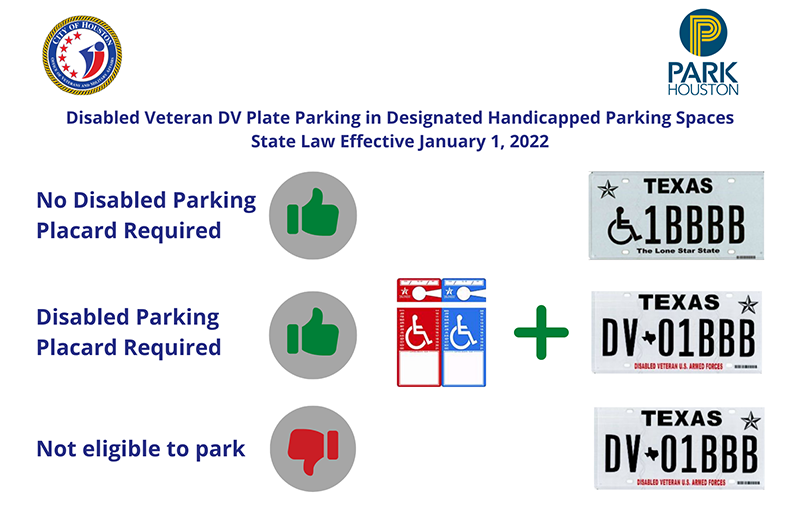
- Placards: These are typically red, blue, or white tags that hang from the rearview mirror. They can be used in any vehicle the permit holder is driving or being transported in.
- Temporary Placards: These are usually blue and are valid for up to six months. They are designed for individuals with temporary disabilities.
- Permanent Placards: These are usually white and are issued for individuals with permanent disabilities.
- Disabled License Plates: These are special license plates issued by the Texas Department of Motor Vehicles that can be affixed to a vehicle. They are specific to the registered vehicle and the individual who applied for them.
When using a placard, it must be displayed so that it is clearly visible from the front and rear of the vehicle when parked. This usually means hanging it from the rearview mirror. If the placard is not hanging, it should be placed on the dashboard.
Rules and Regulations in Texas
Texas has specific rules regarding the use of disabled parking spaces. Adhering to these regulations ensures fair access for all permit holders and avoids penalties.
- Valid Use: A disabled parking permit or license plate is only valid for the person to whom it was issued. It cannot be used by friends or family members unless the permit holder is present in the vehicle.
- Parking Spaces: Disabled parking spaces are designated by the International Symbol of Access (wheelchair symbol) and are typically located closest to building entrances. These spaces often have stricter parking meter regulations or are free of charge in some municipalities. Always check local signage.
- No Parking Zones: Do not park in areas marked with red curbs, “No Parking” signs, or in fire lanes, even if you have a disabled parking permit.
- Renewal: Temporary placards expire after six months and require a new application and physician’s certification for renewal. Permanent placards do not expire, but the underlying eligibility must be maintained. Disabled license plates expire with the vehicle registration.
Consequences of Misuse
Misusing a disabled parking permit or license plate in Texas can result in significant penalties. This is a serious offense that undermines the system designed to assist those with mobility challenges.
- Fines: Individuals caught misusing a disabled parking permit can face substantial fines. These fines can vary by municipality but are generally designed to be a strong deterrent.
- Revocation of Permit: The Texas Department of Motor Vehicles can revoke a disabled parking permit or license plate if it is found to have been obtained fraudulently or is being misused. This means the individual would lose their privilege to park in designated spaces.
- Legal Penalties: In more severe cases, misuse could lead to other legal ramifications.
It is crucial to remember that these permits are intended to provide access for individuals with documented disabilities, and their misuse deprives those who genuinely need them.
Traveling with Your Permit
When traveling within Texas or across state lines, your Texas issued disabled parking permit is generally recognized. However, there are a few considerations to keep in mind for a seamless travel experience.
- Reciprocity: Most states have reciprocity agreements with Texas, meaning your placard or plates should be honored. However, specific rules and regulations regarding parking meter fees or time limits might differ. It’s always a good practice to familiarize yourself with the local rules of the destination you are visiting.
- Keeping Documents Handy: While not always required for parking, it’s wise to carry a copy of your driver’s license or ID card and potentially the original application or renewal documents, especially if you are traveling with a temporary placard or have recently obtained new plates. This can help if questions arise about the validity of your permit.
- Accessibility Features: When planning your travel, especially for accommodations like hotels or resorts, inquire about accessible parking availability and proximity to entrances. This proactive approach can significantly enhance your travel experience. For instance, hotels in popular destinations like San Antonio or Houston often have dedicated accessible parking areas.
By understanding and adhering to the rules, and by planning ahead, individuals with disabilities can confidently utilize their handicap parking permits to enjoy the many attractions and opportunities Texas has to offer, making travel and daily life more manageable and accessible.
LifeOutOfTheBox is a participant in the Amazon Services LLC Associates Program, an affiliate advertising program designed to provide a means for sites to earn advertising fees by advertising and linking to Amazon.com. Amazon, the Amazon logo, AmazonSupply, and the AmazonSupply logo are trademarks of Amazon.com, Inc. or its affiliates. As an Amazon Associate we earn affiliate commissions from qualifying purchases.