
Navigating the process of obtaining your official immunization records in Texas can seem like a labyrinth, especially when you need them for a variety of important reasons. Whether you’re planning a trip to a destination with specific health requirements, enrolling your child in a new school, starting a new job, or simply want to keep your personal health documentation up-to-date, having easy access to your shot records is crucial. This guide is designed to demystify the process in the Lone Star State, offering clear pathways to retrieve your vital health information.
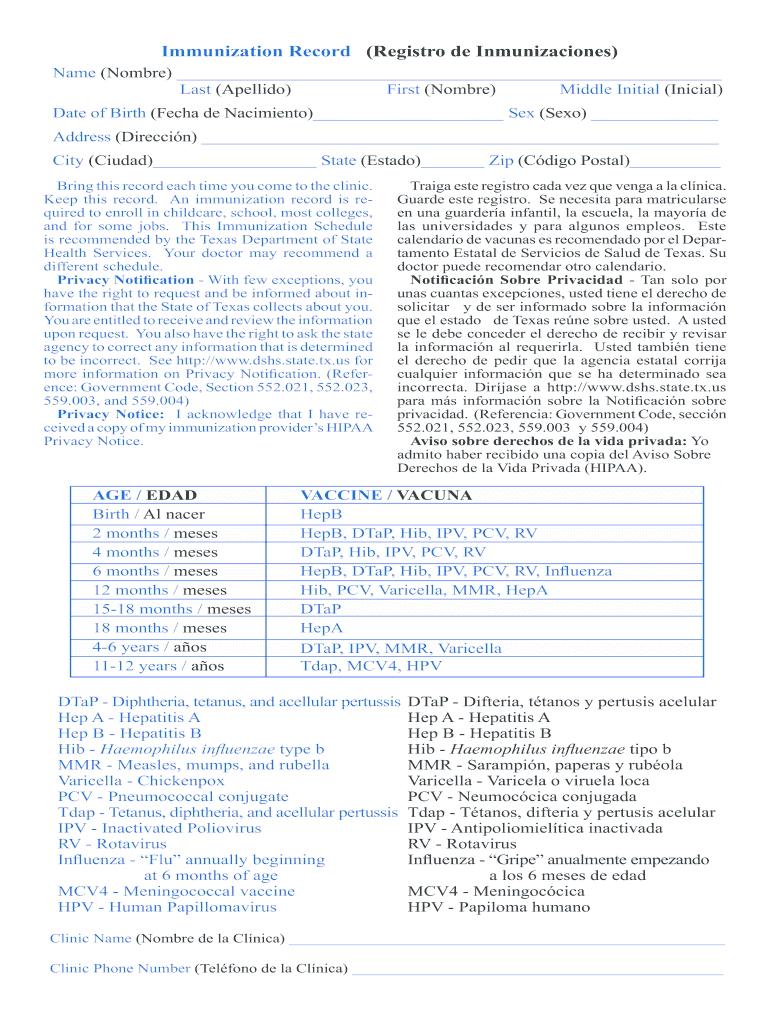
Understanding Your Immunization Records
Your immunization records, often referred to as shot records or vaccination histories, are official documents detailing the vaccines you have received throughout your life. These records typically include the type of vaccine, the date it was administered, the location of administration (often a clinic or doctor’s office), and the administering healthcare provider. In Texas, these records are maintained through a combination of healthcare provider systems and a state-level immunization registry.
Why Are Shot Records Important?
The necessity for readily available shot records spans multiple aspects of life, particularly in relation to travel, education, and employment.
-
Travel: Many international and even some domestic travel destinations now have specific vaccination requirements or recommendations for entry. This is particularly true for countries experiencing outbreaks of certain diseases or those with endemic health risks. Having your records at hand ensures you can meet these mandates, preventing last-minute scrambles or denial of entry. For instance, if you’re planning a trip to Costa Rica or require proof of yellow fever vaccination for travel to parts of Africa, your records are indispensable.
-
Education: Schools, from pre-kindergarten through college, require proof of certain immunizations for enrollment. This is a public health measure designed to protect the student population from vaccine-preventable diseases. Texas has specific immunization schedules that must be met for school attendance, and your records are the primary way to demonstrate compliance.
-
Employment: Certain professions, especially those in healthcare or requiring interaction with vulnerable populations, may mandate specific vaccinations. Employers will often request your immunization history as part of their occupational health and safety protocols.
-
Healthcare: Accessing your complete vaccination history is vital for your healthcare providers. It helps them make informed decisions about your ongoing health needs, potential booster shots, and any necessary precautions. If you visit a new doctor, providing your existing records can streamline your initial consultation and ensure continuity of care.
-
Personal Preparedness: Beyond these immediate needs, having your records readily accessible provides peace of mind. In the event of a public health emergency or a personal health crisis, this information can be critical for medical professionals.
Methods for Obtaining Shot Records in Texas
Texas has several avenues through which individuals can request and obtain their immunization records. The most common and effective methods involve contacting your healthcare providers directly or utilizing the state’s immunization registry.
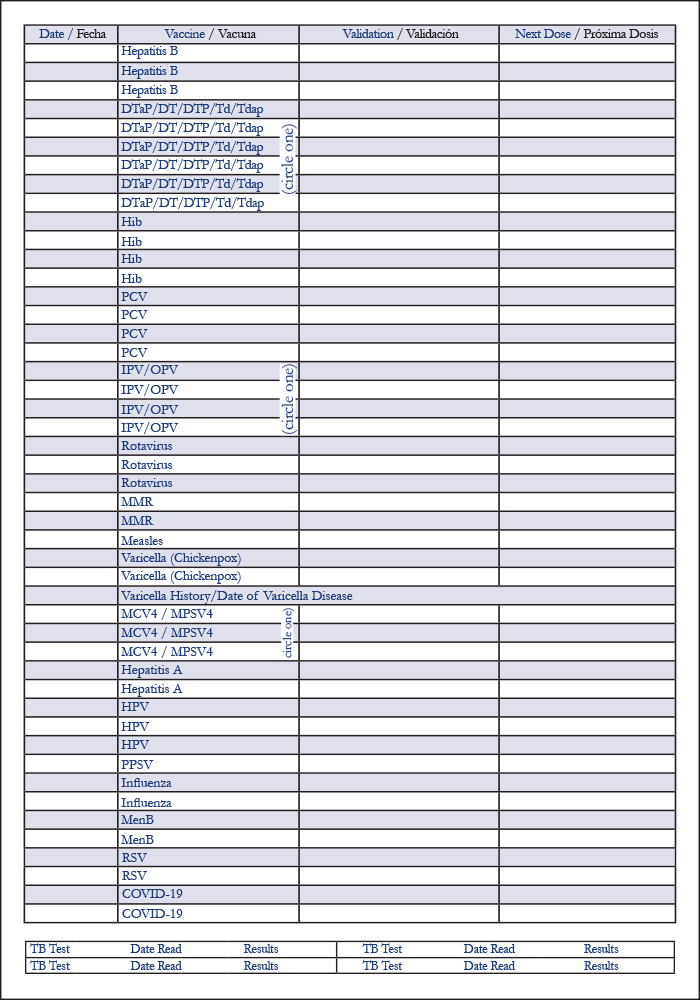
1. Contacting Your Healthcare Provider
The most straightforward way to obtain your shot records is to contact the healthcare provider or facility where you received your vaccinations.
-
Primary Care Physician’s Office: If you have a consistent primary care physician, their office is usually the first and best place to start. Most doctor’s offices maintain electronic health records (EHRs) or paper charts that contain your vaccination history.
- Process: You will typically need to call the office and request a copy of your immunization records. They may ask you to fill out a release of information form, especially if you are requesting records for someone else (e.g., your child) or if you are a new patient seeking records from a previous provider.
- Formats: Records can often be provided as a printed document or, increasingly, through a secure patient portal. The patient portal is a convenient way to access your health information, including vaccination history, at any time.
- Considerations: Be prepared for potential processing times. Some offices may take a few business days to compile and release your records. There might also be a small administrative fee for copying or retrieving records, depending on the provider’s policy.
-
Hospitals and Clinics: If you received vaccinations at a hospital, urgent care clinic, or a specialized medical facility, you will need to contact that specific institution.
- Process: Similar to a physician’s office, you’ll likely need to call their medical records department. They will have established procedures for releasing patient information, which usually involves a request form and proof of identity.
- Large Healthcare Systems: For larger healthcare systems like Texas Health Presbyterian Hospital or Houston Methodist Hospital, records are often centralized. You may be able to submit a request online through their website’s patient portal or by visiting their medical records department in person.
-
Vaccination Clinics: If you received specific vaccines, such as those offered at public health clinics or pharmacies like CVS Pharmacy or Walgreens, you’ll need to contact those specific locations or their central records department.
- Public Health Departments: Local and county health departments often administer vaccines and maintain records. Contacting your local Texas Department of State Health Services (DSHS) regional office or county health department can be an effective route.
2. Accessing the Texas Immunization Registry (ImmuLink)
The Texas Department of State Health Services (DSHS) maintains a statewide immunization registry called ImmuLink. This registry aims to consolidate vaccination records from various healthcare providers across the state, offering a centralized resource for individuals to access their immunization history.
-
What is ImmuLink? ImmuLink is a secure, confidential database that collects and stores immunization information for Texans of all ages. Healthcare providers in Texas are encouraged to report immunizations administered to their patients into the registry.
-
How to Access Your Records:
- Patient Portal: The primary method for individuals to access their own or their child’s records through ImmuLink is via a secure online portal. You will typically need to create an account and verify your identity. This usually involves providing personal information that can be cross-referenced with the registry’s data, such as your full name, date of birth, and Social Security number.
- Requesting a Record: If you are unable to use the online portal or prefer a direct request, you can download and complete the “Request for Immunization Records” form from the DSHS website. This form requires detailed personal information and a signature. You will then need to submit the completed form, along with a copy of your valid photo identification, to the DSHS.
- Submission Options: The DSHS typically accepts these requests via mail or fax. Ensure you have the most current mailing address and fax number from their official website.
-
Important Considerations for ImmuLink:
- Data Completeness: While ImmuLink is a valuable resource, its completeness depends on the reporting practices of healthcare providers. Not all immunizations may be recorded, especially those received out-of-state or from providers who do not actively report to the registry.
- Verification: The system requires accurate personal information for successful retrieval. If your name has changed, or if there are discrepancies in your birth date or other identifying details in the registry, you may encounter difficulties accessing your records.
- Privacy: ImmuLink is designed with robust privacy protections. Access is restricted to authorized individuals and entities, and strict protocols are in place to safeguard your personal health information.

Tips for a Smoother Record Retrieval Process
To ensure a seamless experience when trying to obtain your shot records in Texas, consider these practical tips.
- Gather Essential Information: Before contacting any provider or attempting to access the registry, have key personal details ready: your full legal name, date of birth, Social Security number (if applicable), and any previous names you may have used. If you are requesting records for a child, have their full name and date of birth handy.
- Be Specific with Your Request: Clearly state that you need your immunization records or vaccination history. If you need them for a specific purpose (e.g., international travel, school enrollment), mention this, as it might help the provider understand the urgency or specific format required.
- Keep Digital and Physical Copies: Once you obtain your records, make multiple copies. Store a digital copy securely on your computer or a cloud service, and keep a physical copy in a safe place, such as a dedicated health records binder. This ensures you always have a backup.
- Understand Provider Policies: Be aware that each healthcare provider may have its own policies regarding record requests, including turnaround times, potential fees, and the preferred method of submission (online, in person, mail).
- Check for Accuracy: After receiving your records, take a moment to review them for accuracy. Ensure all the dates, vaccine types, and your personal information are correct. Report any discrepancies to the provider immediately.
- Consider Out-of-State Records: If you have received vaccinations outside of Texas, you will need to contact those healthcare providers directly. The ImmuLink registry is specific to Texas-administered immunizations. For international vaccinations, you may need to obtain records directly from the clinic or government health authority in that country.
- Plan Ahead for Travel: When planning international travel, such as a trip to Mexico or an adventure through Europe, start the process of obtaining your shot records well in advance. Some destinations, like Australia with its strict biosecurity laws, may require specific documentation, and delays in record retrieval could impact your travel plans. Similarly, for domestic travel to places like Florida where certain camps or educational programs might have unique health requirements, being prepared is key.
By understanding the various methods available and preparing yourself with the necessary information, you can efficiently secure your immunization records in Texas, ensuring you are prepared for any situation that requires this essential health documentation. Whether it’s for your next adventure abroad to a place like Japan or simply for peace of mind, having your shot records readily accessible is a cornerstone of proactive health management.
LifeOutOfTheBox is a participant in the Amazon Services LLC Associates Program, an affiliate advertising program designed to provide a means for sites to earn advertising fees by advertising and linking to Amazon.com. Amazon, the Amazon logo, AmazonSupply, and the AmazonSupply logo are trademarks of Amazon.com, Inc. or its affiliates. As an Amazon Associate we earn affiliate commissions from qualifying purchases.