
Navigating the complexities of a residential lease agreement in Texas can often feel like traversing a maze. While signing a lease signifies a commitment, life circumstances are rarely static. Unexpected job relocations, family emergencies, or a desire for a change of scenery can necessitate breaking a lease. Fortunately, Texas law, while generally favoring contractual agreements, offers several avenues for tenants to legally terminate their lease obligations without incurring severe financial penalties. Understanding these provisions is crucial for any tenant in Texas seeking to exit their rental agreement.
Understanding Your Lease Agreement
The cornerstone of any tenancy in Texas is the lease agreement itself. This legally binding document outlines the terms and conditions of your rental, including the duration of the lease, rent payment schedule, rules regarding property use, and responsibilities of both the landlord and tenant. Before contemplating any action to terminate your lease, a thorough review of its contents is paramount.
Key Lease Clauses to Scrutinize
- Lease Duration: Most leases in Texas are for a fixed term, typically 12 months. Some may be month-to-month. The duration will significantly impact your options for early termination.
- Early Termination Clause: Some landlords may include a specific clause detailing the conditions and penalties for early lease termination. This could involve paying a fee, forfeiting your security deposit, or continuing to pay rent until a new tenant is found. Review this section carefully to understand any pre-negotiated terms.
- Repair and Maintenance Responsibilities: The lease will define who is responsible for various maintenance and repair issues. A landlord’s failure to uphold their end of these obligations can, in certain circumstances, justify lease termination.
- Late Fees and Penalties: Understand the consequences of late rent payments, as this can sometimes be a point of contention that may lead to lawful termination if the landlord mishandles the process.
- Subletting and Assignment: The lease may permit or prohibit subletting (renting out your unit to someone else while you remain responsible) or assignment (transferring your entire lease to another party). These provisions can sometimes offer an alternative to outright termination.
Legal Grounds for Early Lease Termination in Texas
Texas law provides specific legal justifications that allow tenants to break a lease without penalty. These grounds are generally based on a landlord’s failure to meet their legal obligations or significant changes in a tenant’s circumstances that render the lease untenable.
Landlord’s Failure to Maintain Habitable Conditions
One of the most common legal justifications for breaking a lease in Texas is a landlord’s failure to maintain the property in a habitable condition. This is often referred to as the “implied warranty of habitability.”
- Definition of Uninhabitable Conditions: Generally, a property is considered uninhabitable if it lacks essential utilities (like hot water, heat in cold weather, or electricity), has serious structural defects, or poses a significant health or safety risk. Examples include extensive mold growth, pest infestations that the landlord refuses to address, or lack of functioning plumbing.
- Notice Requirements: Before you can legally break a lease due to uninhabitable conditions, you must provide your landlord with written notice of the problem. This notice should be sent via certified mail to ensure proof of delivery. The landlord then typically has a reasonable period to make the repairs. What constitutes “reasonable” can depend on the severity of the issue and local ordinances, but it’s generally understood to be a matter of days for urgent repairs and a few weeks for less critical ones.
- Landlord’s inaction: If the landlord fails to make necessary repairs within a reasonable time after receiving written notice, you may have grounds to terminate the lease. In such cases, you must again provide written notice of your intent to vacate, typically 30 days in advance. It is crucial to document all communication and any evidence of the conditions.
Domestic Violence, Sexual Assault, or Stalking
Texas law offers specific protections for victims of family violence, sexual assault, or stalking. These provisions allow victims to terminate their lease early without penalty under certain circumstances.
- Eligibility Criteria: To qualify, the tenant must have a reasonable fear of immediate danger from family violence, sexual assault, or stalking. This often requires a protective order or a law enforcement agency certification.
- Notification and Documentation: The tenant must provide the landlord with written notice of their intent to terminate the lease, along with a copy of the protective order or certification from a law enforcement agency. The notice must be delivered to the landlord within a specific timeframe, usually 30 days of the incident.
- Relocation Assistance: In some cases, the law may require the landlord to release the tenant from liability for future rent payments upon proper notification. This protection aims to help individuals escape dangerous situations.
Military Duty and Deployment
Members of the U.S. military who are called to active duty or permanent change of station orders may be able to terminate their lease early under federal law, specifically the Servicemembers Civil Relief Act (SCRA).
- Qualifying Orders: This typically applies to active duty service members who receive orders for deployment to a location more than 50 miles away or to enter military service for an extended period.
- Notification and Documentation: To utilize the SCRA, a service member must provide their landlord with written notice and a copy of their military orders. The lease termination becomes effective 30 days after the next rent payment is due.
- Landlord’s Obligations: The SCRA protects service members from eviction and allows for the termination of leases under these specific conditions.
Other Potential Grounds
While less common, other situations might provide grounds for lease termination:
- Landlord Harassment: If a landlord repeatedly or intentionally harasses a tenant, interferes with their quiet enjoyment of the property, or enters the unit without proper notice and consent, this could potentially be grounds for termination. However, this often requires substantial evidence and a pattern of behavior.
- Unit Becomes Uninhabitable Due to Unforeseen Circumstances: While not explicitly covered by statute in all cases, if a property becomes completely uninhabitable due to a natural disaster (like a fire or flood) not caused by the tenant, and the landlord is unable or unwilling to repair it within a reasonable timeframe, a lease may be terminated.
Steps to Take When Breaking a Lease

Regardless of your reason for breaking a lease in Texas, a systematic and documented approach is essential to protect yourself from potential legal and financial repercussions.
1. Review Your Lease Agreement Thoroughly
As mentioned earlier, the lease is your primary guide. Identify any early termination clauses, notice periods, or specific procedures outlined for ending the tenancy early.
2. Communicate with Your Landlord
Open and honest communication with your landlord is often the first and most effective step.
- Inform Them of Your Situation: Explain your circumstances clearly and professionally. Some landlords may be willing to work with you to find a mutually agreeable solution, such as allowing you to find a replacement tenant or agreeing to a reduced rent while they search for a new occupant.
- Document All Communications: Keep records of all conversations, emails, and letters exchanged with your landlord. This documentation is vital if any disputes arise.
3. Provide Formal Written Notice
Once you have a clear understanding of your legal grounds and have attempted to communicate with your landlord, it is imperative to provide formal written notice of your intent to vacate.
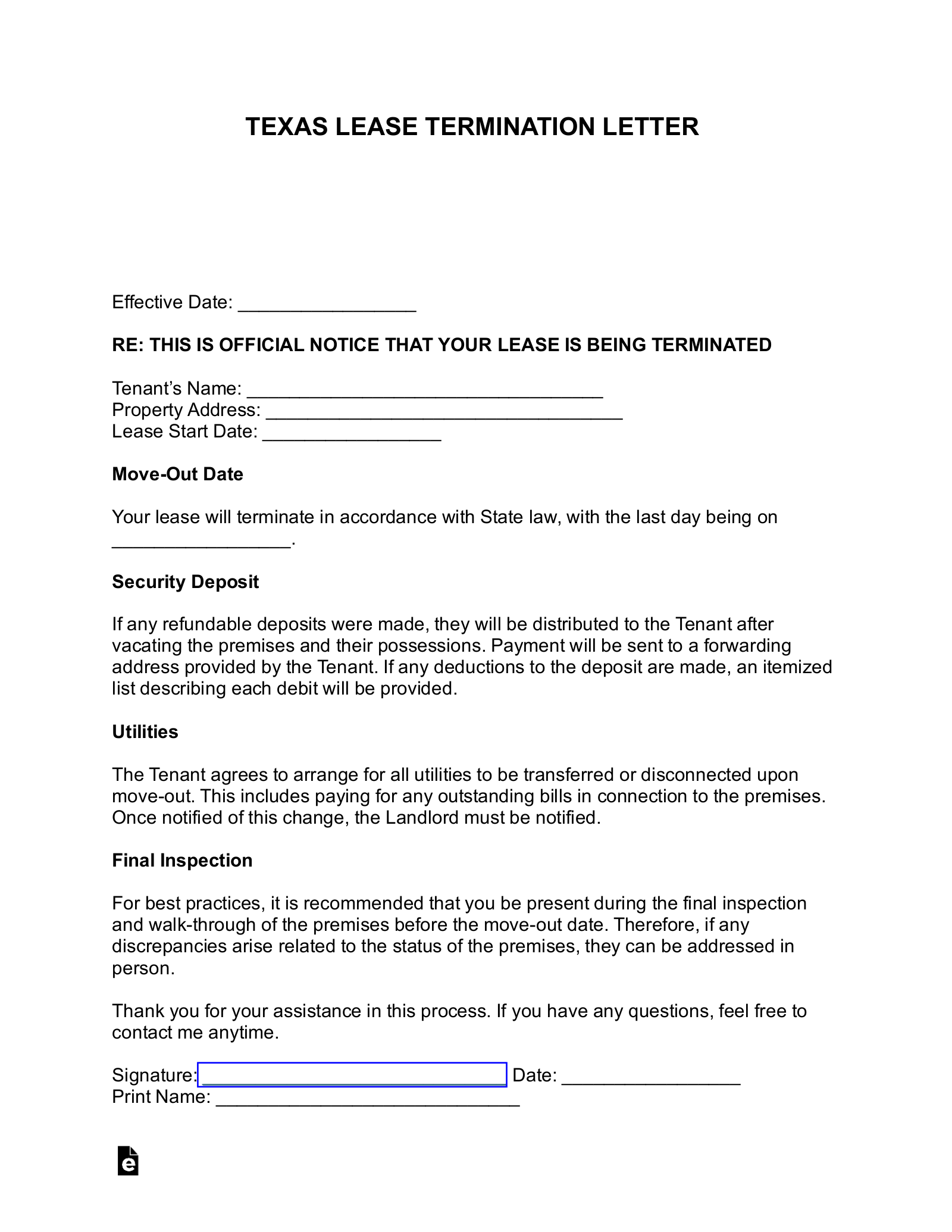
- Content of the Notice: Your notice should clearly state your intention to terminate the lease, the effective date of termination, and the legal reason for your early departure (e.g., landlord’s failure to repair, military orders).
- Method of Delivery: Send the notice via certified mail with a return receipt requested. This provides undeniable proof that your landlord received the notification and the date it was received. Keep a copy of the notice and the return receipt for your records.
4. Fulfill Your Remaining Obligations
Even when terminating a lease early, you may still have some obligations to fulfill.
- Rent Payment: Depending on the terms of your lease and the reason for termination, you may still be obligated to pay rent until the lease officially ends or until a new tenant is found and occupies the unit.
- Property Condition: You are generally expected to leave the rental unit in good condition, reasonable wear and tear excepted, as outlined in your lease. Conduct a thorough cleaning and repair any damage you are responsible for.
- Security Deposit: Understand the process for retrieving your security deposit. Landlords in Texas have specific timeframes and conditions for returning security deposits, and they can deduct costs for damages beyond normal wear and tear.
5. Seek Legal Advice If Necessary
If you are unsure about your rights and obligations, or if your landlord is uncooperative or threatening legal action, it is highly advisable to consult with a legal professional specializing in landlord-tenant law in Texas. An attorney can provide guidance tailored to your specific situation and help you navigate complex legal procedures.
Tenant Rights and Responsibilities in Texas
Understanding your rights and responsibilities as a tenant in Texas is fundamental to a successful and lawful tenancy, and equally important when considering early lease termination.
Tenant Rights
- Right to a Habitable Property: Tenants have the right to reside in a property that is safe, sanitary, and meets basic housing standards.
- Right to Quiet Enjoyment: This right ensures that tenants can peacefully occupy their home without undue disturbance from the landlord or others.
- Right to Proper Notice: Landlords must provide proper written notice for entry into a tenant’s unit, except in emergencies.
- Right to Security Deposit Return: Tenants have the right to the return of their security deposit within a specified timeframe, minus lawful deductions.

Tenant Responsibilities
- Pay Rent on Time: Consistent and timely payment of rent is a primary responsibility.
- Maintain the Property: Tenants are generally responsible for keeping the rental unit clean and in good condition, avoiding damage beyond normal wear and tear.
- Comply with Lease Terms: Adhering to all clauses within the lease agreement is crucial.
- Notify Landlord of Issues: Tenants have a responsibility to inform the landlord of any necessary repairs or issues that affect the habitability of the property.
By diligently understanding these rights and responsibilities, tenants in Texas can confidently approach the process of exiting a lease, ensuring they do so legally and with minimal adverse consequences.
LifeOutOfTheBox is a participant in the Amazon Services LLC Associates Program, an affiliate advertising program designed to provide a means for sites to earn advertising fees by advertising and linking to Amazon.com. Amazon, the Amazon logo, AmazonSupply, and the AmazonSupply logo are trademarks of Amazon.com, Inc. or its affiliates. As an Amazon Associate we earn affiliate commissions from qualifying purchases.