
Navigating the complexities of unemployment benefits can feel daunting, especially when you’re facing a period of joblessness. For residents of Texas, understanding the process for claiming unemployment insurance (UI) is crucial for securing financial support during this transition. The Texas Workforce Commission (TWC) administers these benefits, and while the system is designed to be accessible, a clear understanding of eligibility requirements, application procedures, and ongoing responsibilities is key to a smooth experience. This guide will walk you through the essential steps and considerations for obtaining unemployment in Texas, ensuring you can access the support you need with confidence.
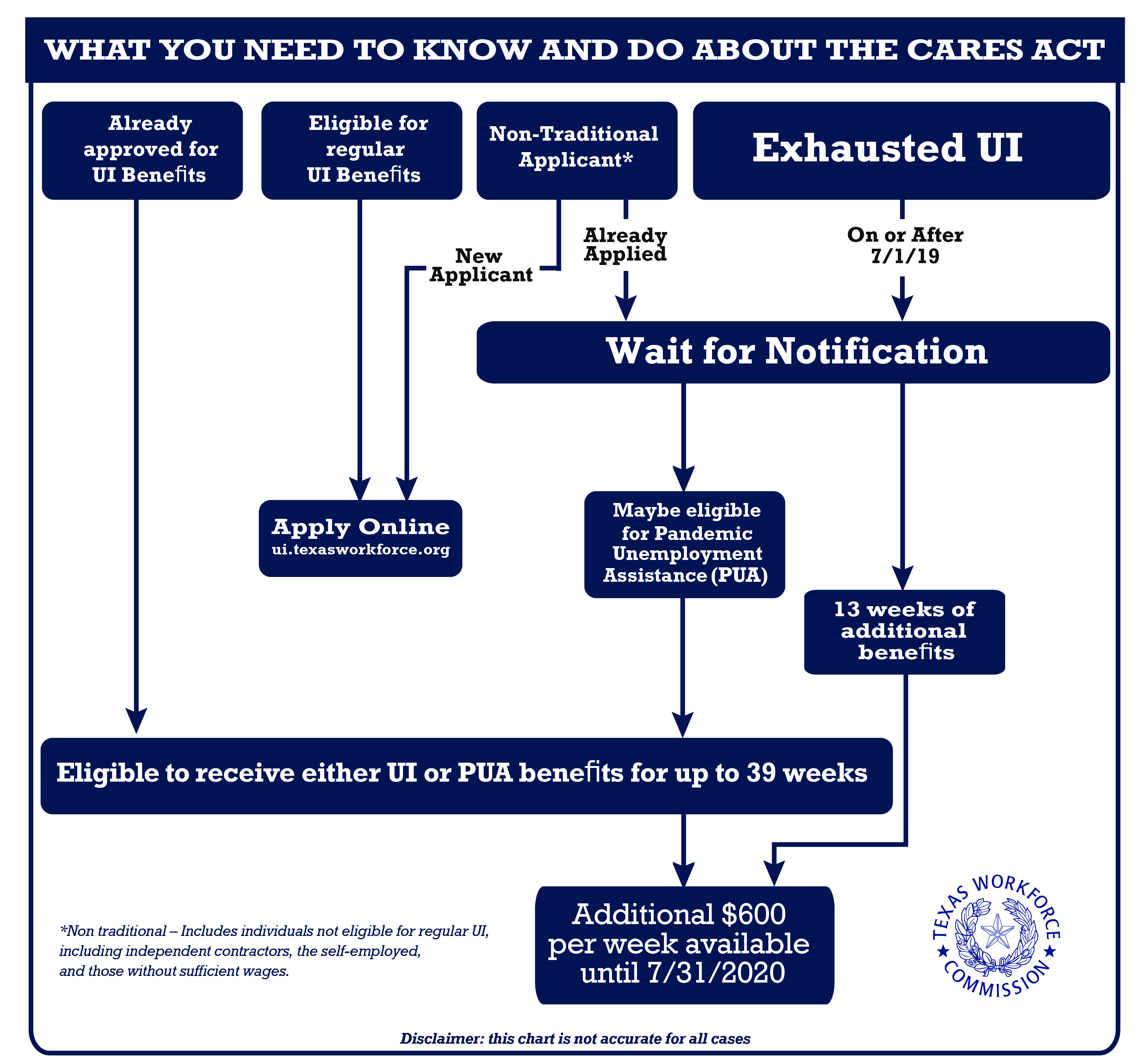
Understanding Eligibility for Texas Unemployment Benefits
To qualify for unemployment benefits in Texas, you must meet specific criteria established by the Texas Workforce Commission (TWC). These criteria ensure that benefits are distributed to individuals who are genuinely unemployed through no fault of their own and are actively seeking new employment. The primary requirements revolve around your work history and the reason for your job separation.
Qualifying Work History and Wages
A fundamental requirement for unemployment benefits is having a sufficient work history and earning a minimum amount of wages during a defined period. The TWC uses a system called the “base period” to assess your earnings. The base period is typically the first four of the last five completed calendar quarters before you file your claim.
To be eligible, you must have earned wages in at least two of those quarters, and your total wages during the base period must meet a specific minimum amount. This amount is subject to change and is set by state law. The TWC calculates your “weekly benefit amount” (WBA) and the maximum duration you can receive benefits based on these earnings. It’s important to note that not all types of income count towards your base period wages. Generally, W-2 wages earned from employment are considered, while self-employment income or income from independent contractor work may not be.
Reasons for Separation from Employment
The reason for your job loss is a critical factor in determining eligibility. The TWC generally covers individuals who become unemployed through no fault of their own. This typically includes:
- Layoffs: When a company reduces its workforce due to economic conditions, restructuring, or a lack of work.
- Reduction in Force (RIF): Similar to layoffs, this is a planned reduction in staff by an employer.
- Employer Closure or Bankruptcy: If your employer ceases operations.
Conversely, you may be disqualified from receiving benefits if you voluntarily quit your job without good cause attributable to the employer, or if you were fired for misconduct. “Good cause” for quitting often involves situations like intolerable working conditions, significant changes in job duties, or health issues that prevent you from performing your job. “Misconduct” typically refers to willful or deliberate violations of company rules or standards of behavior that are detrimental to the employer. The TWC will investigate the circumstances of your separation to make a determination.
Availability and Ability to Work
Beyond past employment, you must also be able to and available to work. This means you must be physically and mentally capable of performing suitable work, and you must be actively looking for employment. The TWC has specific requirements for job searching, which we will discuss later. If you are unable to work due to illness, injury, or other incapacitating conditions, you generally will not be eligible for unemployment benefits during that period unless you are receiving approved disability benefits that are coordinated with UI.
Filing Your Unemployment Claim in Texas
The application process for unemployment benefits in Texas is primarily managed online through the Texas Workforce Commission’s website. Prompt and accurate filing is essential to ensure you receive benefits without undue delay.
The Online Application Process
The most efficient way to file an initial claim is through the TWC’s online portal, often referred to as “WorkInTexas.com” or a similar system designated for unemployment claims. Before you begin, ensure you have all the necessary information readily available to expedite the process. This typically includes:
- Personal Information: Your Social Security number, date of birth, and contact information (address, phone number, email).
- Employment History: Names and addresses of all employers you worked for in the last 18 months, including dates of employment and reasons for separation from each.
- Wage Information: If you have pay stubs or other documentation showing your wages, have them handy, though the TWC will verify this information with your former employers.
- Citizenship or Work Authorization: Documentation proving your legal right to work in the United States, if applicable.
- Banking Information: Your bank account and routing numbers if you wish to have benefits directly deposited.
Once you log in and create an account, you will be guided through a series of questions to complete your application. Be truthful and thorough in your responses. Inaccurate information can lead to delays or denial of your claim.
What to Expect After Filing
After submitting your initial claim, the TWC will begin processing it. This involves verifying your identity, work history, and the reason for your separation. Your former employer will be notified of your claim and will have an opportunity to provide their perspective on your separation.
It’s common for the TWC to request additional information or clarification. Respond promptly to any requests from the TWC to avoid delays. You will receive official correspondence from the TWC, often via mail or through your online account, regarding the status of your claim and your eligibility. This correspondence will detail your potential weekly benefit amount, the maximum number of weeks you can receive benefits, and any specific instructions you need to follow.
Appealing a Denied Claim
If your claim is denied, you have the right to appeal the decision. The denial notice will outline the reasons for the denial and provide instructions on how to file an appeal, including deadlines. An appeal is a formal process where you can present your case and evidence to an impartial hearing officer. It’s crucial to understand the grounds for the denial and gather any supporting documentation that demonstrates your eligibility. The TWC provides resources and information on the appeals process to assist claimants.
Maintaining Your Eligibility: Ongoing Responsibilities
Filing an initial claim is only the first step; maintaining your eligibility for unemployment benefits requires ongoing adherence to specific rules and responsibilities set by the TWC. Failure to meet these requirements can result in the suspension or termination of your benefits.
Weekly Certifications and Work Search Requirements
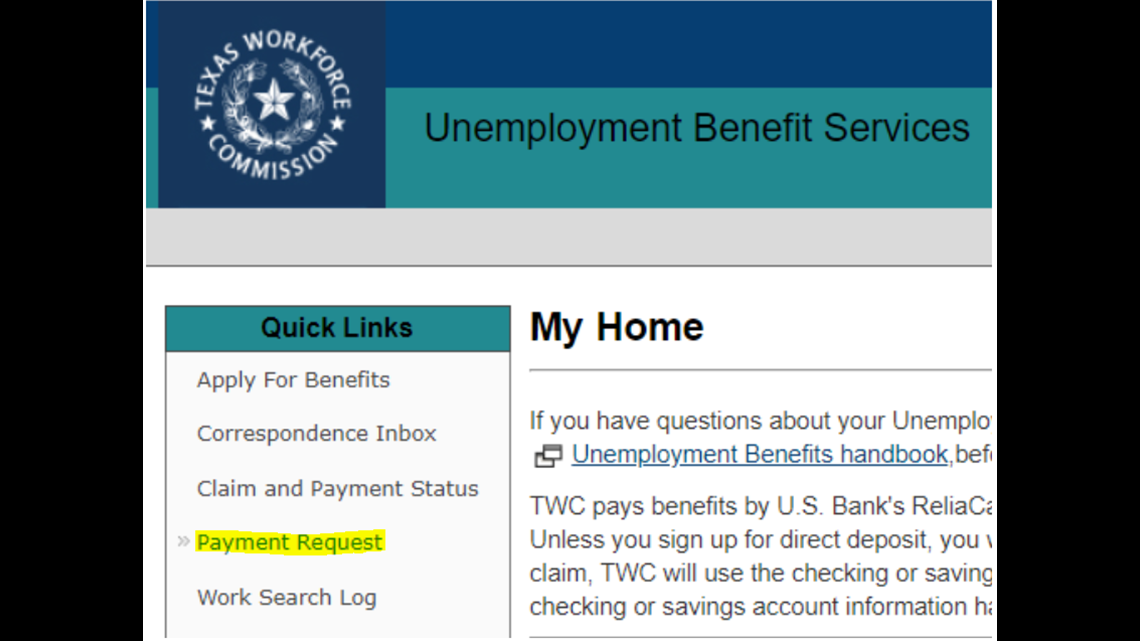
To continue receiving benefits, you must “certify” your eligibility on a weekly basis, typically by submitting a request for payment online or by phone. During this certification, you will be asked to confirm that you were able and available to work, that you were actively looking for employment, and that you reported any earnings you may have received during that week.
- Work Search: The TWC mandates that you actively search for suitable employment each week you claim benefits. There are specific requirements for the number and type of work search activities you must undertake. These can include applying for jobs, attending job fairs, networking, and participating in TWC-approved training programs. You will be required to maintain a log of your work search activities, which the TWC may request to review. Suitable work is generally defined as work that you are qualified to do based on your skills, experience, and prior wages, and that is within a reasonable distance from your residence.
- Reporting Earnings: If you find any part-time or temporary work while receiving unemployment benefits, you must report all earnings to the TWC in the week you earn them, not when you are paid. Even small amounts of earned income can affect your weekly benefit amount, and failure to report earnings can lead to overpayments and penalties.
Understanding Good Cause for Refusal
You are expected to accept suitable job offers. Refusing suitable work without good cause can result in the disqualification of your unemployment benefits. “Good cause” for refusing a job offer is narrowly defined and typically relates to compelling circumstances such as a significant decrease in wages, a substantial change in working conditions, or if the job would jeopardize your health and safety. The TWC will assess each refusal on a case-by-case basis.
Participating in Reemployment Services
The TWC offers a variety of reemployment services designed to help individuals find new employment quickly and effectively. Participation in these services, which can include career counseling, resume writing workshops, interview skills training, and job placement assistance, may be mandatory for certain claimants or can be highly beneficial for all. Engaging with these resources can not only help you secure a new job but also fulfill your work search requirements. The Texas Workforce Solutions system provides access to these valuable services through local workforce development boards across the state.
Financial Management and Support Services
Receiving unemployment benefits provides a crucial financial safety net, but it’s also an opportunity to manage your finances wisely and explore additional support resources available in Texas.
Direct Deposit and Debit Cards
The TWC offers convenient options for receiving your unemployment benefits. Direct deposit is a popular choice, allowing your funds to be transferred directly into your bank account. This is generally the fastest and most secure method. Alternatively, some claimants may receive benefits via a state-issued debit card. Familiarize yourself with the processing times and fees associated with your chosen payment method.
Tax Implications of Unemployment Benefits
It’s important to remember that unemployment benefits are considered taxable income by the Internal Revenue Service (IRS). You have the option to have federal income tax withheld from your weekly benefit payments. If you choose not to have taxes withheld, you will be responsible for paying estimated taxes to the IRS throughout the year to avoid potential penalties. You will receive Form 1099-G from the TWC at the end of the year, which reports the total amount of unemployment benefits you received and any taxes withheld, for your tax filing purposes.

Additional Support and Resources
Beyond unemployment benefits, Texas offers a range of support services for individuals experiencing unemployment. The Texas Workforce Solutions system, in partnership with the TWC, provides access to career centers that offer:
- Job Search Assistance: Help with finding job openings, creating resumes, and preparing for interviews.
- Training and Education Programs: Information and guidance on vocational training, certifications, and educational opportunities to enhance your skills.
- Career Counseling: Personalized guidance to help you explore career paths and make informed decisions about your future employment.
- Referrals to Other Social Services: Assistance with accessing other forms of support, such as food assistance, housing aid, and healthcare services, if you meet the eligibility criteria.
By understanding the process of obtaining unemployment in Texas and actively engaging with the resources available, you can navigate this period of transition effectively and position yourself for a successful return to employment.
LifeOutOfTheBox is a participant in the Amazon Services LLC Associates Program, an affiliate advertising program designed to provide a means for sites to earn advertising fees by advertising and linking to Amazon.com. Amazon, the Amazon logo, AmazonSupply, and the AmazonSupply logo are trademarks of Amazon.com, Inc. or its affiliates. As an Amazon Associate we earn affiliate commissions from qualifying purchases.