
Navigating the legal intricacies of settling an estate after a loved one passes can feel daunting. In Texas, the process of validating a will and distributing assets according to its terms is known as probate. While it may seem complex, understanding the fundamental steps can demystify the procedure and ensure a smoother transition for beneficiaries. This guide aims to provide a comprehensive overview of how to probate a will in Texas, offering insights into the key requirements, procedures, and considerations involved.
Understanding the Probate Process in Texas
Probate is the legal process by which a court oversees the distribution of a deceased person’s assets (their estate) to their rightful heirs or beneficiaries. When a person dies with a valid will, known as dying “testate,” the probate process primarily involves proving the will’s authenticity and executing its instructions. If no will exists, the estate is distributed according to Texas intestacy laws, a process called administration.
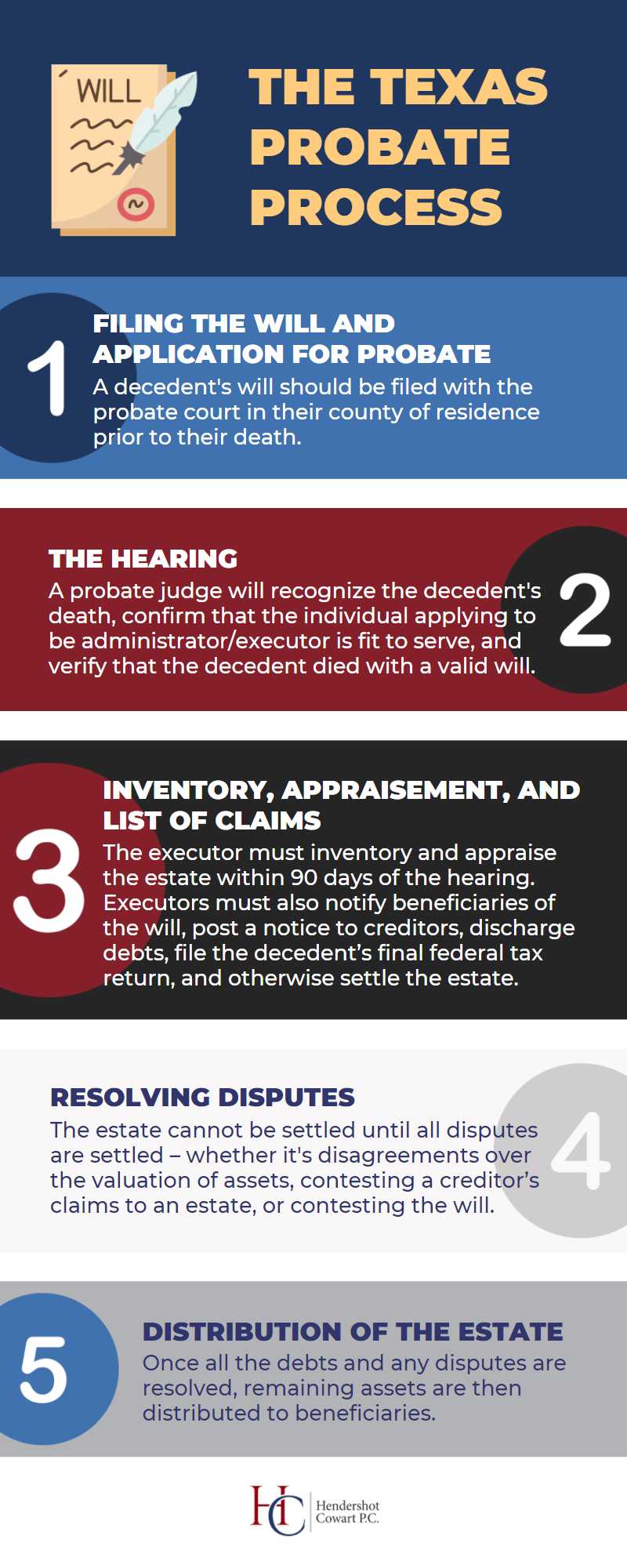
The primary goals of probate in Texas are to:
- Validate the Will: Officially confirm that the will presented is the deceased’s genuine last testament, free from fraud or undue influence.
- Appoint an Executor: Formally appoint the person named in the will as the executor (or executrix) or, if none is named or able to serve, appoint an administrator by the court. The executor is responsible for managing the estate.
- Identify and Inventory Assets: Locate and list all of the deceased’s property, including real estate, bank accounts, investments, vehicles, and personal belongings.
- Pay Debts and Taxes: Settle any outstanding debts, liabilities, and taxes owed by the deceased or their estate.
- Distribute Remaining Assets: Distribute the net estate assets to the beneficiaries as specified in the will.
Key Players in the Probate Process
- The Deceased: The individual who has passed away.
- The Will: The legal document outlining the deceased’s wishes for their estate.
- The Executor (or Administrator): The person appointed to manage the estate. In Texas, this is often referred to as the independent executor if the will allows for independent administration.
- The Court: Typically, a county probate court or county court-at-law handles probate matters.
- Beneficiaries: The individuals or organizations named in the will to receive assets.
- Heirs: Individuals who would inherit under Texas law if there were no will.
- Creditors: Individuals or entities to whom the deceased owed money.
Initiating the Probate Process in Texas
The probate process officially begins with filing an application for probate with the appropriate county court in the county where the deceased resided. This application formally notifies the court of the death and the desire to probate the will.
Filing the Application for Probate
The application is a formal legal document that typically includes:
- Information about the Deceased: Full name, date of death, and last known residence.
- Information about the Will: Confirmation that a will exists, where it is located, and that it is the most recent valid will.
- Names of Proposed Executor(s): The individual(s) nominated in the will to serve as executor.
- Affidavits: Statements under oath confirming the accuracy of the information provided.
In Texas, a crucial aspect of probate is the concept of “independent administration.” If the will contains a specific clause authorizing independent administration, the executor can manage the estate with minimal court supervision, significantly streamlining the process. Without this clause, the court would have more involvement in overseeing estate matters.
The Necessity of Legal Counsel
While it is possible to represent yourself in probate court, it is highly advisable to engage the services of an experienced Texas probate attorney. An attorney can:
- Ensure all legal requirements are met.
- Prepare and file necessary documents correctly.
- Advise on potential complexities, such as contested wills or complex asset structures.
- Navigate the court system efficiently.
- Protect the executor from personal liability.
The attorney will guide the executor through each step, from initial filing to the final distribution of assets.
Notifying Beneficiaries and Heirs
Once the application is filed, the court will set a hearing date. Notice of this hearing must be given to all beneficiaries named in the will and any heirs who would have inherited if there were no will. This ensures everyone with an interest in the estate is aware of the proceedings.
The Probate Hearing and Will Validation
The probate hearing is a critical juncture where the court officially validates the will and appoints the executor.
The Court Hearing
At the hearing, the applicant (usually the proposed executor or their attorney) presents the will to the court. The court will examine the will to ensure it meets the legal requirements of a valid Texas will. This generally includes:
- In Writing: The will must be in written form.
- Signed by the Testator: The will must be signed by the person making the will (the testator).
- Attested by Witnesses: The will must be signed by at least two credible witnesses, who are at least 14 years old and signed the will in the testator’s presence. These witnesses should generally not be beneficiaries of the will.
If the will is “self-proving,” meaning it contains a specific affidavit signed by the testator and witnesses before a notary, the process is often expedited as the witnesses do not typically need to appear in court.
Admitting the Will to Probate
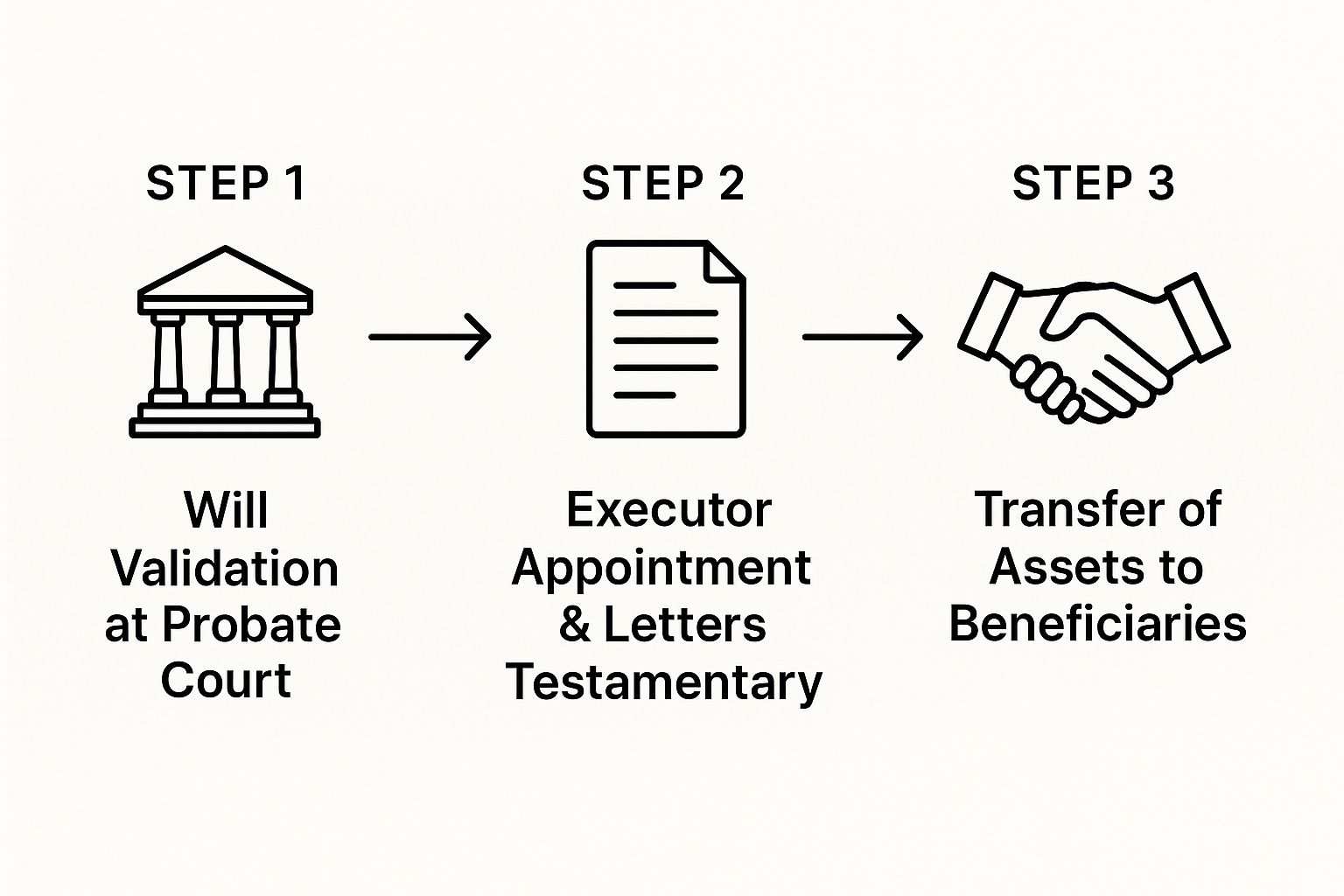
If the court finds the will to be valid, it will issue an “Order Admitting Will to Probate.” This order officially recognizes the will as the deceased’s true testament.
Issuing Letters Testamentary
Following the admission of the will, the court will issue “Letters Testamentary” (or Letters of Administration if no will exists or for an administrator). This is a crucial document that serves as proof of the executor’s authority to act on behalf of the estate. It allows the executor to:
- Access bank accounts.
- Sell property.
- Manage investments.
- File legal claims.
- Handle other estate-related transactions.
The Letters Testamentary are often required by financial institutions and other entities before they will release information or transfer assets.
Managing the Estate and Distributing Assets
With the will validated and the executor appointed, the next phase involves diligently managing the estate’s assets and liabilities.
Inventory and Appraisement
The executor must create a detailed inventory and appraisement of all the estate’s assets. This involves listing each asset, its estimated value, and its location. For real estate and valuable personal property, a formal appraisal by a qualified professional may be necessary. This inventory is typically filed with the court.
Notifying Creditors and Paying Debts
A critical responsibility of the executor is to identify and notify potential creditors of the deceased. This often involves publishing a notice in a local newspaper and sending direct notification to known creditors. Creditors then have a specific period (typically six months from the date the application for probate was filed in Texas) to file a claim against the estate.
The executor must review all claims and pay valid debts using estate funds. This can include mortgages, credit card bills, medical expenses, and funeral costs. If the estate’s assets are insufficient to cover all debts, Texas law dictates the order in which creditors must be paid.
Filing Tax Returns
The estate may be responsible for filing various tax returns, including:
- Final Income Tax Return for the Deceased: A federal income tax return (Form 1040) for the year of death.
- Estate Income Tax Return: If the estate generates income after the death, an estate income tax return (Form 1041) may be required.
- Federal Estate Tax Return: This is only required for very large estates that exceed the federal estate tax exemption.
An estate attorney or tax professional can advise on specific tax obligations.
Distributing the Estate to Beneficiaries
Once all debts, taxes, and administrative expenses have been paid, the remaining assets are distributed to the beneficiaries according to the terms of the will. This may involve:
- Transferring Real Estate: Deeds must be properly executed and recorded to transfer ownership of any real property.
- Distributing Financial Assets: Bank accounts, investment portfolios, and other financial assets are transferred to the designated beneficiaries.
- Distributing Personal Property: Items like vehicles, jewelry, or heirlooms are given to the beneficiaries as specified.
The executor must obtain receipts from each beneficiary acknowledging the assets they received.
Closing the Estate
The final step in the probate process is closing the estate. This involves formally notifying the court that the administration is complete and requesting that the executor be discharged from their duties.
The Final Accounting
The executor prepares a final accounting, which is a detailed report of all transactions that occurred during the administration of the estate. This includes all income received, all expenses paid, and the details of the final distribution of assets. This accounting is typically filed with the court for review and approval.

Discharge of the Executor
Upon reviewing and approving the final accounting, the court will issue an order discharging the executor. This order formally ends the executor’s responsibility for the estate and releases them from further liability. The estate is then considered closed.
In Texas, a well-drafted will and a diligent executor can ensure that probate is a manageable process. While legal complexities can arise, understanding these fundamental steps provides a clear roadmap for navigating the administration of an estate and honoring the wishes of the deceased. Consulting with a qualified Texas probate attorney remains the most prudent course of action for a smooth and legally sound probate experience.
LifeOutOfTheBox is a participant in the Amazon Services LLC Associates Program, an affiliate advertising program designed to provide a means for sites to earn advertising fees by advertising and linking to Amazon.com. Amazon, the Amazon logo, AmazonSupply, and the AmazonSupply logo are trademarks of Amazon.com, Inc. or its affiliates. As an Amazon Associate we earn affiliate commissions from qualifying purchases.