
Navigating the intricacies of securing vital assistance like SNAP (Supplemental Nutrition Assistance Program) benefits, commonly referred to as food stamps, in Texas can seem daunting. This program is a cornerstone of nutritional support for low-income individuals and families, ensuring access to healthy and adequate food. Understanding the eligibility criteria, the application process, and the nuances of how benefits are calculated is crucial for those seeking to utilize this important resource. This guide aims to demystify the qualification process for Texas food stamps, providing a clear pathway for applicants.
Understanding SNAP Eligibility in Texas
Eligibility for SNAP in Texas is determined by a combination of factors, primarily revolving around household income, household size, and certain asset limits. The program is administered by the Texas Health and Human Services Commission (HHSC), which sets forth specific guidelines that applicants must meet.
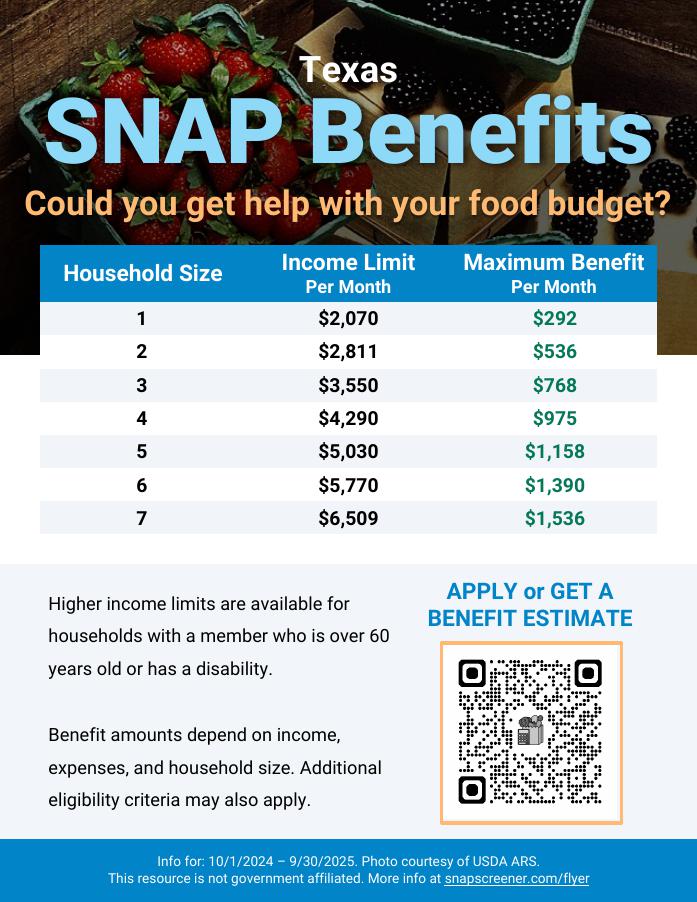
Income Requirements
The most significant factor in determining SNAP eligibility is household income. Texas utilizes two income tests:
- Gross Monthly Income: This is the total income of all household members before any deductions. For most households, gross monthly income must be at or below 130% of the federal poverty level for their household size.
- Net Monthly Income: This is the gross income minus certain allowable deductions. Net monthly income must be at or below 100% of the federal poverty level for their household size.
Allowable deductions can significantly impact the net income calculation. These may include:
- A standard deduction based on household size.
- A dependent care deduction (if work or training expenses are incurred for a dependent).
- Medical expenses for elderly or disabled household members that exceed $35 per month.
- Earned income deductions (a percentage of earned income is deducted).
- Child support payments that a household member is legally obligated to pay.
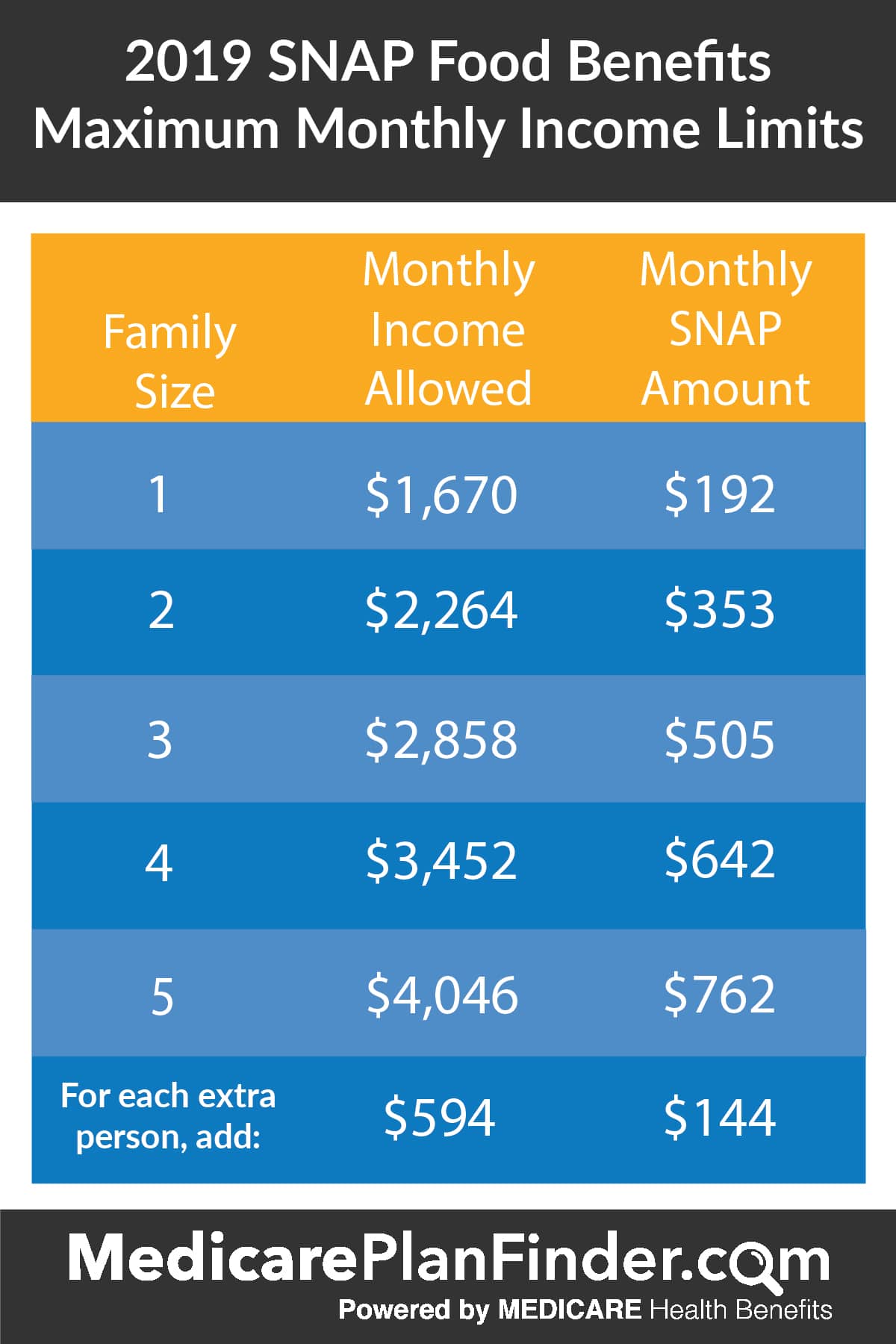
It is important to note that specific income thresholds are updated annually by the U.S. Department of Agriculture (USDA), which oversees the SNAP program. Texas HHSC publishes these updated limits, which are readily available on their official website.
Household Size
The size of the household applying for benefits plays a direct role in the income limits. Larger households generally have higher income thresholds, reflecting the increased need for food assistance. A household is defined as a group of people who live together and usually eat their meals together. This can include individuals, couples, or families with children.
Asset Limits
In addition to income, Texas also has limits on the value of assets a household can possess. Assets are resources that can be used to buy food. These typically include:
- Cash on hand
- Checking and savings accounts
- Stocks and bonds
- Money market accounts
- Certain types of vehicles (though most vehicles are excluded, with exceptions for a primary vehicle and additional vehicles up to a certain value).
There are also specific exclusions for certain assets, such as the home a family lives in, one vehicle per adult household member (with some exceptions), and retirement accounts. Households with members who are elderly (60 years or older) or disabled may have different or waived asset limits. As of recent guidelines, for most households, countable assets cannot exceed $2,750. For households with at least one member who is elderly or disabled, this limit increases to $4,250.
Special Considerations
Certain populations may have specific rules or expedited processing:
- Elderly or Disabled Households: Households with an elderly or disabled member may be exempt from some work requirements and may have higher asset limits.
- Disaster Relief: During declared disasters, temporary policy changes may be implemented to expedite assistance for affected individuals.
- Households with Children: Families with children are a primary focus of the SNAP program, ensuring that young people have access to nutritious meals.
The Application Process for Texas Food Stamps
Applying for Texas food stamps involves a structured process designed to gather necessary information and verify eligibility. The Texas Health and Human Services Commission (HHSC) offers several convenient ways to apply.
How to Apply
- Online: The most efficient and recommended method is to apply online through the HHSC benefits portal. This allows applicants to submit their application, upload documents, and track their case status at their convenience. The portal is accessible 24/7.
- By Mail or Fax: Applications can be downloaded from the HHSC website, completed, and then mailed or faxed to the local HHSC benefits office.
- In Person: Applicants can visit their local HHSC benefits office to pick up an application or to receive assistance with completing it. Many offices offer translation services for individuals who do not speak English fluently.
- By Phone: For individuals who need assistance or have difficulty with other methods, calling HHSC is an option to begin the application process.
Required Documentation
When submitting an application, applicants will need to provide various documents to verify their information. Having these readily available can expedite the process. Common documents include:
- Proof of Identity: Such as a driver’s license, state ID, or birth certificate.
- Proof of Residency: Utility bills, lease agreements, or other official mail showing a Texas address.
- Proof of Income: Recent pay stubs, employer statements, unemployment benefits statements, Social Security statements, or documentation of any other income received.
- Proof of Household Expenses: Receipts for dependent care, medical expenses (especially for elderly or disabled members), and child support payments.
- Bank Statements: To verify assets.
- Social Security Numbers: For all household members applying for benefits.
- Alien Registration Numbers: For non-citizen household members.
It is crucial to provide accurate and complete information. Incomplete applications or missing documentation can lead to delays or denial of benefits. HHSC may request additional documentation as needed.
Interviews and Verification
After submitting an application, HHSC will review it for completeness. Applicants may be contacted for an interview, typically conducted by phone, to discuss their application and clarify any details. This interview is an opportunity to ask questions and ensure all relevant information is captured. HHSC will also verify the information provided through various means, including cross-referencing with state and federal databases.
Benefit Calculation and Issuance
Once eligibility is established, the amount of SNAP benefits a household receives is calculated based on their specific circumstances, primarily their net monthly income and household size. The benefits are issued monthly via an Electronic Benefit Transfer (EBT) card.
Calculating Benefit Amounts
The maximum benefit amount for a given household size is determined by federal guidelines and adjusted annually. The actual benefit amount is calculated by subtracting the household’s net monthly income (after allowable deductions) from the maximum benefit amount for their household size.
For example, a household with a net monthly income of $500 and a maximum benefit allowance of $700 for their size would receive $200 in monthly SNAP benefits.
There is a minimum benefit amount that most eligible households receive, even if their calculated benefit is lower. This minimum is typically $23 per month.
The EBT Card System
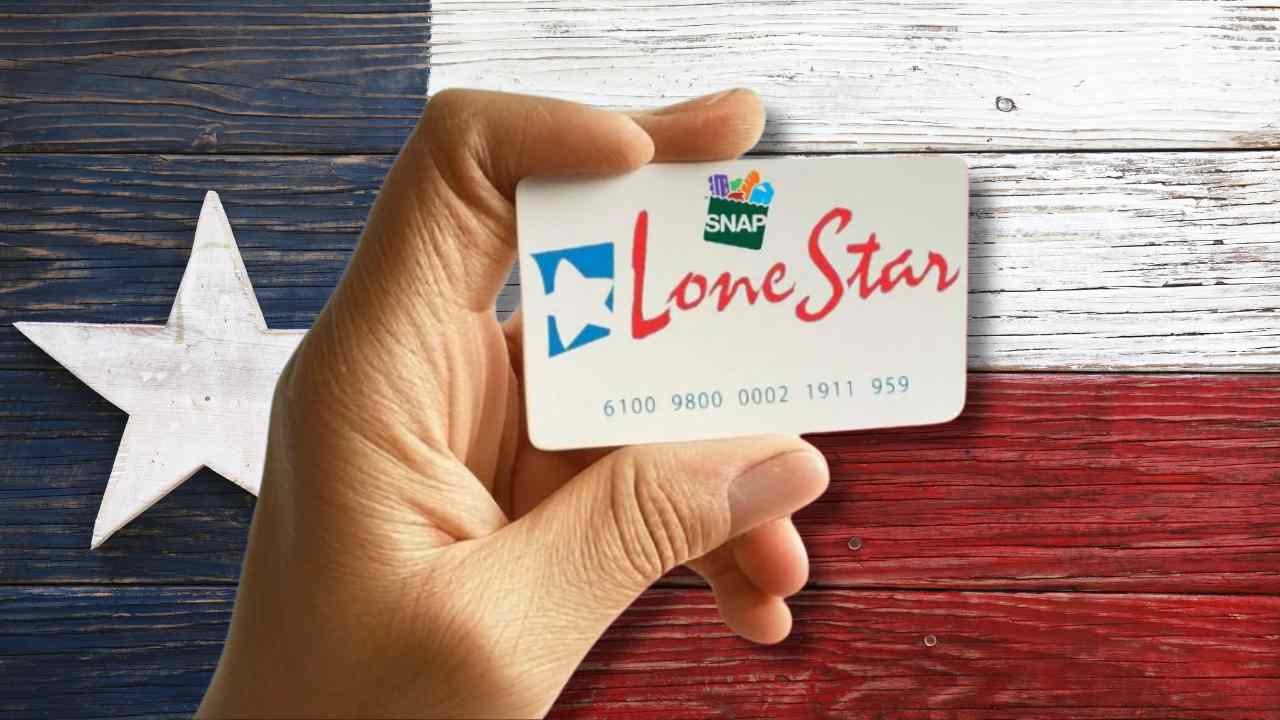
Eligible households receive a Texas EBT card, often referred to as a Lone Star Card. This card functions much like a debit card. Benefits are deposited onto the card each month. Cardholders can use their EBT card at participating grocery stores, farmers’ markets, and online retailers to purchase eligible food items.
Important aspects of the EBT system include:
- PIN Protection: The card is protected by a Personal Identification Number (PIN).
- Monthly Deposits: Benefits are typically deposited on the same day each month, based on the last digit of the applicant’s Social Security number.
- Spending Limits: Households can only spend the amount of benefits available on their card.
- Security: It is essential to keep the EBT card and PIN secure to prevent fraud.
Benefit Renewal and Changes
SNAP benefits are not permanent. Households must recertify their eligibility periodically, typically every 6 or 12 months, depending on their circumstances. HHSC will send out notices when a recertification is due. It is imperative to complete the recertification process on time to avoid any interruption in benefits.
Furthermore, households must report any significant changes in their circumstances to HHSC within 10 days of the change. This includes changes in:
- Income
- Household composition (e.g., adding or losing a household member)
- Residence
- Assets
Failure to report changes can result in overpayments of benefits, which may need to be repaid, or even disqualification from the program.
Maintaining Eligibility and Resources
Sustaining eligibility for Texas food stamps requires ongoing adherence to program rules and a proactive approach to managing household circumstances. Understanding how to maintain eligibility and where to find additional support is vital.
Work Requirements
For many non-elderly, able-bodied adults without dependents, there are work requirements associated with receiving SNAP benefits. These typically involve registering for work, actively seeking employment, and participating in work programs if referred. There are time limits on receiving benefits if these work requirements are not met. However, exemptions exist for individuals who are pregnant, medically certified as physically or mentally unfit for work, or have dependents in the household.
Program Integrity and Fraud
SNAP is a taxpayer-funded program, and program integrity is a significant concern for HHSC. Intentional misrepresentation or fraud in applying for or receiving benefits can lead to severe penalties, including disqualification from the program, fines, and criminal prosecution. It is crucial for applicants to be honest and transparent in all dealings with HHSC.
Additional Resources and Support
Beyond the direct benefits of SNAP, various resources are available to help Texas residents facing food insecurity:
- Texas SNAP Website: The official HHSC website provides detailed information, application portals, and program updates.
- 2-1-1 Texas: A vital service connecting individuals with local resources for health and human services, including food assistance programs, housing, and employment. Dialing 2-1-1 from any phone in Texas provides access to this comprehensive network.
- Food Banks and Pantries: Numerous local food banks and pantries across Texas offer immediate food assistance to those in need, often operating independently of or in conjunction with SNAP. Organizations like the Houston Food Bank or the North Texas Food Bank serve vast regions.
- Community Action Agencies: These local non-profits often provide a range of services to low-income individuals and families, including assistance with benefit applications.
By understanding the eligibility requirements, the application process, and the ongoing responsibilities, individuals and families in Texas can successfully navigate the system to secure the essential nutritional support provided by the SNAP program.
LifeOutOfTheBox is a participant in the Amazon Services LLC Associates Program, an affiliate advertising program designed to provide a means for sites to earn advertising fees by advertising and linking to Amazon.com. Amazon, the Amazon logo, AmazonSupply, and the AmazonSupply logo are trademarks of Amazon.com, Inc. or its affiliates. As an Amazon Associate we earn affiliate commissions from qualifying purchases.