
Registering a homemade trailer in Texas might seem like a daunting task, especially if you’ve meticulously built it yourself from the ground up. Unlike purchasing a factory-made trailer, a DIY project requires a different approach to legalities. This guide aims to demystify the process, ensuring your custom creation can legally hit the road for all your travel adventures, whether it’s hauling gear for a camping trip to Big Bend National Park or transporting equipment for a local event.
Understanding the Requirements for Homemade Trailers
Before embarking on the registration journey, it’s crucial to understand what constitutes a “homemade” or “custom-built” trailer in the eyes of the Texas Department of Motor Vehicles (TxDMV). The state recognizes that many individuals construct their own trailers for various purposes, from utility trailers and car haulers to specialized recreational vehicles. The key is to demonstrate that the trailer meets safety standards and has been properly identified.

Defining “Homemade” in Texas
A trailer is generally considered “homemade” if it is constructed by an individual, not a manufacturer, and is intended for personal use or resale. This distinction is vital because it dictates the documentation and inspection requirements. You will not have a Manufacturer’s Statement of Origin (MSO) or a Certificate of Origin (COO) that typically accompanies commercially produced trailers. Instead, you’ll need to rely on alternative forms of proof of ownership and build specifications.
Essential Documentation You’ll Need
Gathering the correct paperwork is the cornerstone of a smooth registration process. For a homemade trailer, this typically involves:
- Proof of Ownership of Components: This is perhaps the most critical part. You need to document that you legally acquired the major components used in building your trailer. This includes receipts or bills of sale for the frame, axle(s), wheels, tires, lights, coupler, and any other significant parts. If you are using salvaged parts, you should have documentation showing where and when you acquired them. For instance, if you repurposed an axle from an old vehicle, a bill of sale or a statement of how you obtained it is necessary.
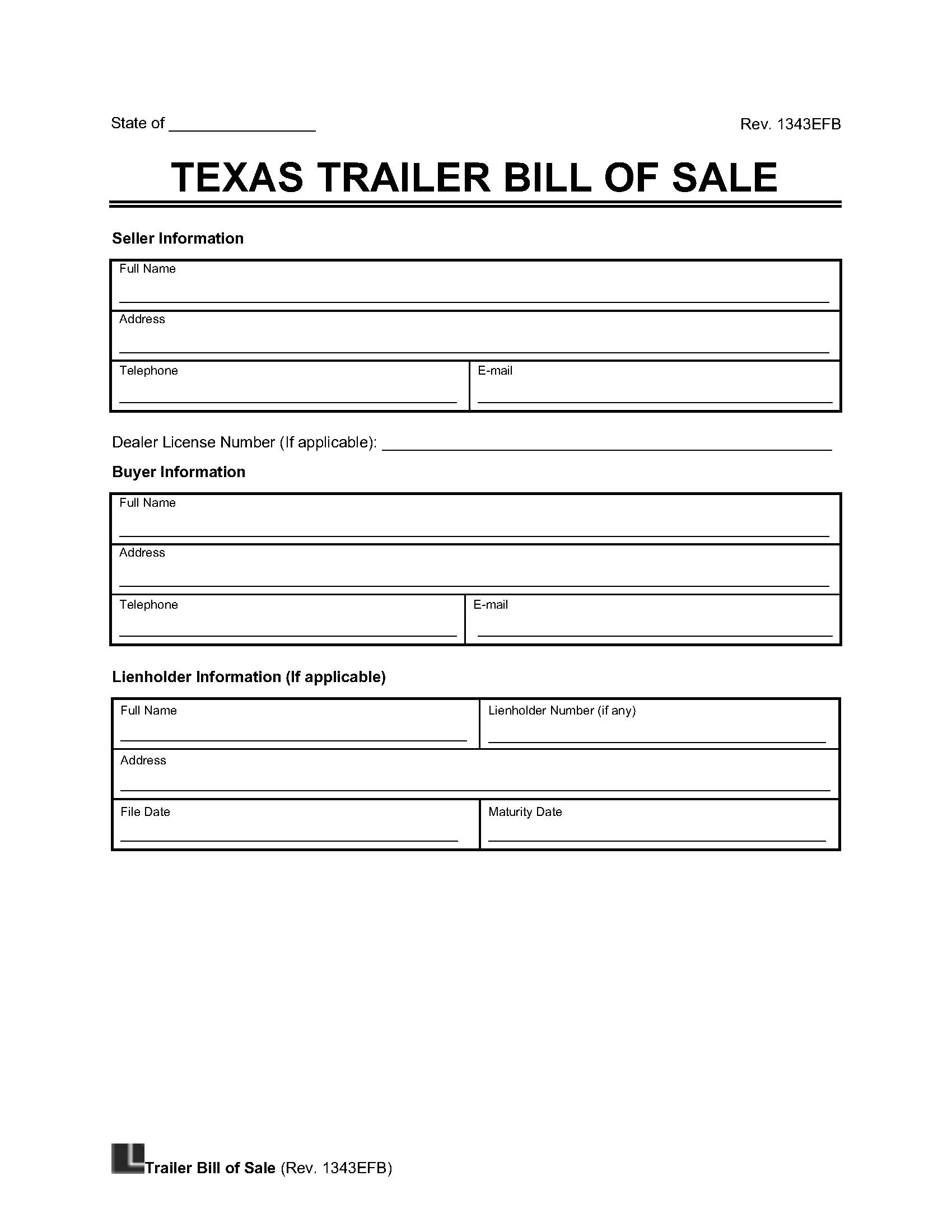
- Bill of Sale or Gift Letter for the Trailer: If you purchased the trailer as a kit or as a collection of parts intended for a trailer, you’ll need a bill of sale from the supplier. If someone gifted you the components, a signed gift letter detailing the components and the donor is essential.
- Completed Application for Texas Title and/or Registration (Form 130-U): This is the primary application form provided by the TxDMV. It requires detailed information about the trailer, including its dimensions, weight, and the VIN (Vehicle Identification Number) or other assigned identification number.
- Weight Certificate: You will need an official weight certificate for your trailer. This can be obtained from a certified public weigh station. The weight is crucial for determining registration fees and proper classification.
- Statement of Builder: You, as the builder, will need to complete a “Statement of Builder” form. This document outlines the components used, the date of completion, and confirms that the trailer was built by you for personal use or for sale.
- Vehicle Identification Number (VIN) Assignment: Since a homemade trailer doesn’t have a manufacturer-assigned VIN, you will need to apply for and have a VIN assigned by the TxDMV. This usually involves a physical inspection of the trailer to ensure it meets safety standards and to affix the state-issued VIN.
The Step-by-Step Registration Process
Navigating the registration process in Texas involves several key steps, from initial preparation to the final issuance of your license plates and title. It’s a methodical journey designed to ensure your homemade trailer is both safe and legal for use on Texas roadways.
Step 1: Obtain a VIN Assignment
Before you can officially register your trailer, it needs a unique identification number. The process for obtaining a VIN for a homemade trailer in Texas typically involves:
- Contacting your local County Tax Assessor-Collector’s office: They are the primary point of contact for all vehicle registration matters in Texas. You will likely need to make an appointment or inquire about their specific procedures for VIN assignments.
- Submitting a Request for VIN Assignment: You will fill out a specific application for a VIN. This application will require details about your trailer’s construction and the documentation you’ve gathered (proof of ownership for components, etc.).
- Vehicle Inspection: A TxDMV investigator or a designated law enforcement officer will physically inspect your trailer. This inspection is to verify the construction, ensure it meets basic safety requirements (e.g., functioning lights, brakes if applicable, proper hitch and coupler), and to assign the VIN. The investigator will then issue a report confirming the inspection and the assigned VIN.
Step 2: Gather All Required Documentation
With the VIN assigned and documented, you can now focus on compiling the rest of your paperwork. Ensure you have:

- The completed Application for Texas Title and/or Registration (Form 130-U).
- The VIN Assignment documentation from the inspection.
- All receipts and bills of sale for the trailer components.
- The Weight Certificate.
- The Statement of Builder form.
- Proof of Texas vehicle insurance for the trailer, if required by law for its size and type. While not always mandatory for all trailers, it’s best to check current regulations.
- A valid Texas driver’s license or identification.
Step 3: Visit Your Local County Tax Assessor-Collector’s Office
This is where the official registration and titling happen. Head to your local County Tax Assessor-Collector’s office with all your meticulously gathered documents.
- Submit Your Application: Present Form 130-U and all supporting documents to the clerk. They will review everything to ensure it is complete and accurate.
- Pay Fees and Taxes: You will be required to pay the applicable title and registration fees, as well as any sales tax on the value of the trailer (based on the cost of the components or its fair market value). The exact amount will depend on the trailer’s weight and classification.
- Receive Your Title and Registration: Once everything is approved and fees are paid, you will be issued a Texas Certificate of Title for your homemade trailer and your registration receipt.
Step 4: Obtain License Plates
After you receive your title and registration, you will be issued license plates.
- Temporary Plates: In some cases, you might receive temporary license plates at the county office to use while your permanent plates are being processed.
- Permanent Plates: Your permanent license plates will usually be mailed to you or you may need to pick them up from the county office.
- Affix Plates: You must securely affix the license plates to the rear of your trailer as instructed by the TxDMV.
Considerations for Different Trailer Types
The process of registering a homemade trailer can have minor variations depending on the specific type and intended use of your creation. Whether you’ve built a small utility trailer for garden waste or a larger structure for hauling vehicles, understanding these nuances can prevent delays.
Utility Trailers and Cargo Trailers
These are the most common types of homemade trailers. For standard utility or cargo trailers, the process described above is generally sufficient. The primary focus will be on demonstrating ownership of the components, proper construction, and correct weight documentation. Ensure your trailer’s lighting system (tail lights, brake lights, turn signals, and side markers) is fully functional and compliant with Texas law, as this is a common point of inspection.
Specialty Trailers (e.g., Food Trucks, RV Conversions)
If your homemade trailer is intended for commercial use, such as a food truck, or is an RV conversion, there may be additional requirements.
- Commercial Use: Trailers used for business purposes may require commercial vehicle registration, which can have different fee structures and potentially more stringent inspection requirements, especially concerning safety and emissions (if applicable to the engine powering auxiliary systems). You may also need to consider Texas Department of Transportation (TxDOT) regulations beyond just the TxDMV registration.
- RV Conversions: For RV conversions, you will need to prove that the trailer meets living quarter standards. This might involve specific plumbing, electrical, and safety certifications. The TxDMV has specific guidelines for classifying and registering custom RVs to ensure they are safe for habitation and travel. You might need to consult directly with the TxDMV for specialized requirements related to motor vehicle conversions or custom-built recreational vehicles.
Ensuring Safety and Compliance
Regardless of the trailer type, safety is paramount. Homemade trailers must comply with Texas state laws regarding lighting, braking systems (especially for trailers over a certain weight), hitch and coupler security, and general roadworthiness. The VIN assignment inspection serves as an initial check, but it is your responsibility as the owner and builder to ensure the trailer remains in a safe operating condition for every journey, whether it’s a short trip to the local hardware store or a long haul to a national park like Guadalupe Mountains National Park. Proper maintenance and regular checks will not only keep you compliant with the law but also ensure a safer and more enjoyable travel experience.
LifeOutOfTheBox is a participant in the Amazon Services LLC Associates Program, an affiliate advertising program designed to provide a means for sites to earn advertising fees by advertising and linking to Amazon.com. Amazon, the Amazon logo, AmazonSupply, and the AmazonSupply logo are trademarks of Amazon.com, Inc. or its affiliates. As an Amazon Associate we earn affiliate commissions from qualifying purchases.