
Navigating the administrative processes of any state can often feel like a labyrinth, and renewing your Texas driver’s license is no exception. Whether you’re a long-time resident or a newcomer to the Lone Star State, understanding the ins and outs of license renewal is crucial to maintaining legal driving privileges and avoiding potential penalties. This comprehensive guide will walk you through the essential steps, options, and considerations for a smooth and efficient renewal process in Texas.
Understanding Your Texas Driver’s License Renewal Options
The Texas Department of Public Safety (DPS) offers several convenient methods for renewing your driver’s license, catering to various needs and preferences. The primary goal of the DPS is to make this process as accessible as possible, while also ensuring the integrity of identification and driving records.
Online Renewal
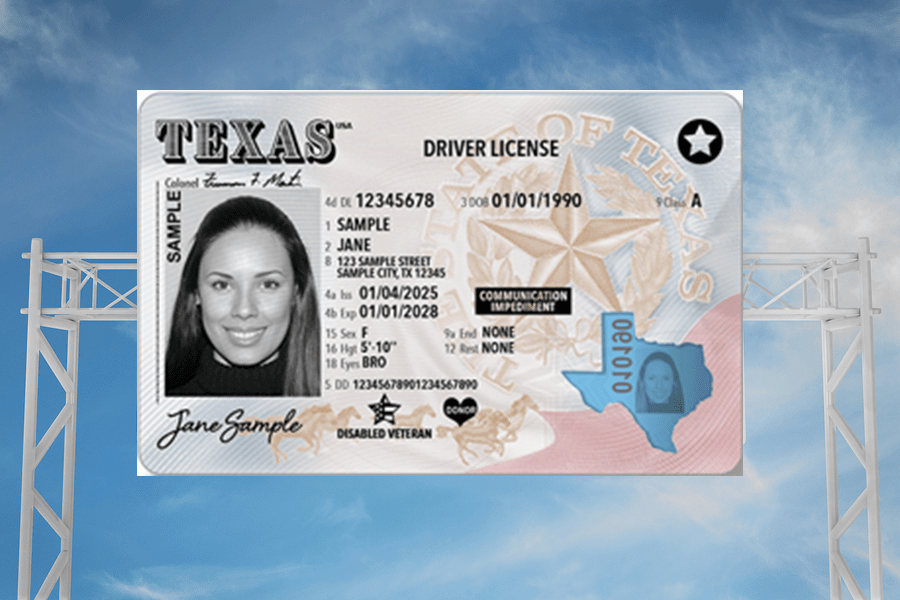
For many Texans, the most straightforward and efficient method is renewing their license online. This option is available to drivers who meet specific eligibility criteria. Generally, if your current license is not expired, you haven’t reached the age of 70, and you haven’t had more than one ticket for moving violations in the past year, you may be eligible for online renewal.
To begin the online renewal process, you will need your Texas driver’s license number, your date of birth, and your Social Security number. You’ll also need a valid credit card or debit card to pay the renewal fee. The Texas DPS website provides a secure portal for these transactions. Once your renewal is processed and approved, your new license will be mailed to the address on file. It’s important to ensure your mailing address is up-to-date with the DPS prior to renewal.
Renewal by Mail
Renewal by mail is another option, typically available for individuals who are temporarily out of state or have specific circumstances that prevent them from visiting a driver’s license office in person. This method often requires completing a renewal form, which can be downloaded from the Texas DPS website, and mailing it along with the required fee and any supporting documentation.
Eligibility for renewal by mail usually hinges on the reason for not renewing in person. If you are serving in the military and stationed outside of Texas, or if you have a medical condition that prevents you from attending a driver’s license office, you might qualify. It’s essential to contact the DPS directly or check their website for the most up-to-date requirements and forms for mail-in renewals. Allow ample time for your renewal to be processed and for the new license to be mailed back to you.
In-Person Renewal
The traditional method of renewing your driver’s license is in person at a Texas Department of Public Safety driver’s license office. This option is available to all drivers, regardless of eligibility for online or mail renewal. Visiting an office is often necessary for individuals who need to take a new photograph, have had significant changes to their personal information, or are renewing a license that has been expired for an extended period.
When renewing in person, you will need to bring several documents with you. These typically include your current driver’s license, proof of identity (such as a birth certificate or U.S. passport), proof of Texas residency (like utility bills or lease agreements), and your Social Security card. If you are renewing a commercial driver’s license (CDL), you may need additional documentation related to your medical certification. It is advisable to schedule an appointment online through the Texas DPS website to minimize wait times.
Key Requirements and Documents for Renewal
Regardless of the renewal method you choose, certain requirements and documentation are consistently necessary. Ensuring you have these prepared will streamline the process and prevent delays.
Proof of Identity and Lawful Presence
The Texas DPS requires proof of identity and lawful presence in the United States. Acceptable documents include:
- U.S. Birth Certificate: Must be original or certified copy.
- U.S. Passport: Valid and unexpired.
- Naturalization Certificate or Certificate of Citizenship: Original or certified copy.
- Valid U.S. Driver’s License: If renewing in person and it’s current or recently expired.
- Foreign Passport with U.S. Visa and I-94 form: For non-U.S. citizens.
Proof of Texas Residency
To prove you reside in Texas, you’ll need to provide at least one, and sometimes two, documents showing your current Texas address. Examples include:
- Utility Bills: Electricity, gas, water, or internet bills dated within the last 60-90 days.
- Lease Agreement or Mortgage Statement: Current and active.
- Bank Statements: Dated within the last 60-90 days.
- Texas Vehicle Registration: Current.
- Voter Registration Certificate: Current.

Social Security Number
Your Social Security number is a mandatory piece of information for all driver’s license applications and renewals in Texas. You will need to present your Social Security card or a document that displays your full Social Security number.
Renewal Fee
A fee is associated with renewing your driver’s license. The exact amount can vary slightly based on the type of license and any endorsements. You can find the current fee schedule on the Texas DPS website. Payment methods typically include cash, check, money order, and credit/debit cards (for online and in-office renewals).
Special Considerations for Renewal
Certain situations and license types come with unique renewal requirements that are important to be aware of.
Age and Vision Requirements
As drivers age, there are often adjusted requirements to ensure continued safe operation of a vehicle. In Texas, drivers aged 70 and older have specific renewal guidelines. For these individuals, renewal must typically be done in person at a driver’s license office every two years. A vision test is always a component of the renewal process to ensure adequate eyesight for driving. If you wear corrective lenses, ensure you bring them with you to your appointment.
Driver Safety Education Courses
For certain traffic violations, Texas law may require drivers to complete a Driver Education or Defensive Driving course. This can sometimes be an alternative to points on your driving record or a requirement for license reinstatement. While not directly a renewal requirement for all, understanding these courses can be beneficial for maintaining a clean driving record, which can indirectly influence your eligibility for online renewal.
Commercial Driver’s Licenses (CDLs)
Renewing a Commercial Driver’s License (CDL) involves additional layers of requirements due to the nature of commercial driving. CDL holders must provide updated medical certification from a certified medical examiner. The Federal Motor Carrier Safety Administration (FMCSA) regulations dictate these medical standards, and failure to provide current medical documentation will result in the disqualification of the CDL. CDL renewals also require more frequent in-person visits to a driver’s license office compared to standard driver’s licenses.
What to Do If Your License Has Expired
Encountering an expired driver’s license can be a cause for concern, but Texas offers a grace period and clear procedures for getting back on track.
Grace Period and Late Fees
In Texas, there is a grace period after your license expires. While driving with an expired license is technically illegal, law enforcement officers often exercise discretion for a short period. However, it is strongly recommended to renew your license as soon as possible. If your license has been expired for an extended period, you may be subject to additional fees or may need to reapply for a new license altogether, which could involve retaking tests. The Texas DPS website provides details on the implications of an expired license.
Reapplication Process
If your license has been expired for a significant duration (typically over two years), or if you have lost your license and need to reapply, you will likely need to go through a process similar to obtaining a new license. This may involve retaking the written knowledge test and the driving skills test. It is crucial to contact the Texas DPS or visit a driver’s license office to understand the specific requirements for your situation.
Tips for a Smooth Renewal Experience
To ensure your driver’s license renewal process is as seamless as possible, keep these helpful tips in mind:
- Start Early: Don’t wait until the last minute. Begin the renewal process well before your license expires to avoid any last-minute rushes or potential complications.
- Check Your Eligibility: Before deciding on a renewal method, visit the Texas DPS website to confirm your eligibility for online or mail renewal.
- Gather Documents in Advance: Collect all necessary identification, residency proofs, and your Social Security card before you start the renewal process.
- Update Your Address: Ensure your mailing address is current with the DPS so your new license arrives without issues.
- Schedule an Appointment: If renewing in person, booking an appointment online can save you considerable waiting time at the driver’s license office.
- Review Driving Records: It’s a good practice to be aware of your driving record. While not always required for renewal, knowing your status can be beneficial.
By understanding the various options, requirements, and potential challenges, you can confidently navigate the process of renewing your driver’s license in Texas, ensuring you remain legally licensed and ready for your travels across the Lone Star State and beyond.
LifeOutOfTheBox is a participant in the Amazon Services LLC Associates Program, an affiliate advertising program designed to provide a means for sites to earn advertising fees by advertising and linking to Amazon.com. Amazon, the Amazon logo, AmazonSupply, and the AmazonSupply logo are trademarks of Amazon.com, Inc. or its affiliates. As an Amazon Associate we earn affiliate commissions from qualifying purchases.