
Navigating the process of renewing your vehicle registration in Texas is a crucial aspect of responsible vehicle ownership. Ensuring your registration is up-to-date not only keeps you compliant with state laws but also is a vital step in maintaining your vehicle’s eligibility for legal operation on public roads. This guide will walk you through the essential steps, options, and considerations for a smooth renewal process, ensuring you can continue to enjoy the freedom of the road without interruption. From understanding the requirements to exploring convenient renewal methods, this comprehensive overview aims to demystify the procedure for all Texas residents.
Understanding the Renewal Process
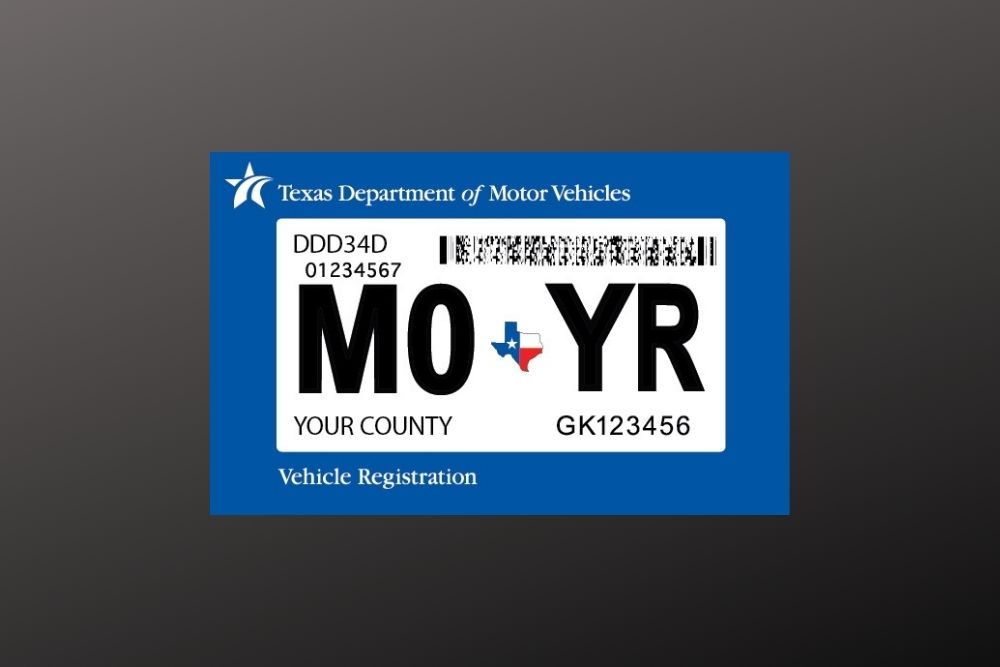
Before embarking on the renewal journey, it’s important to understand the fundamental components of the process. Texas vehicle registration is managed by the Texas Department of Motor Vehicles (TxDMV), and renewals are typically required annually. The renewal notice serves as a reminder, but it is ultimately the vehicle owner’s responsibility to ensure timely renewal, even if the notice is misplaced or never received.
Key Requirements for Renewal
To successfully renew your vehicle registration in Texas, several key requirements must be met. These are designed to ensure vehicle safety and environmental compliance.
Vehicle Inspection
One of the most critical prerequisites for registration renewal is passing a vehicle inspection. This inspection, often referred to as the “state inspection,” is conducted by licensed inspection stations across Texas. The inspection checks for safety-related issues such as proper functioning of brakes, lights, tires, and wipers, as well as emissions testing in certain counties. If your vehicle fails the inspection, you must address the identified issues and have the vehicle re-inspected before you can proceed with registration renewal. The inspection report is electronically transmitted to the Texas system, which is then accessed during the renewal process.
Proof of Insurance
Maintaining continuous liability insurance coverage is a legal mandate in Texas. You will need to provide proof of valid liability insurance when renewing your registration. This can typically be done by presenting your insurance card or policy details. The insurance information is also electronically verified, so ensure your insurance provider has submitted the necessary data to the state. Failure to provide continuous proof of insurance can result in penalties and complications during the renewal process.
Renewal Notice
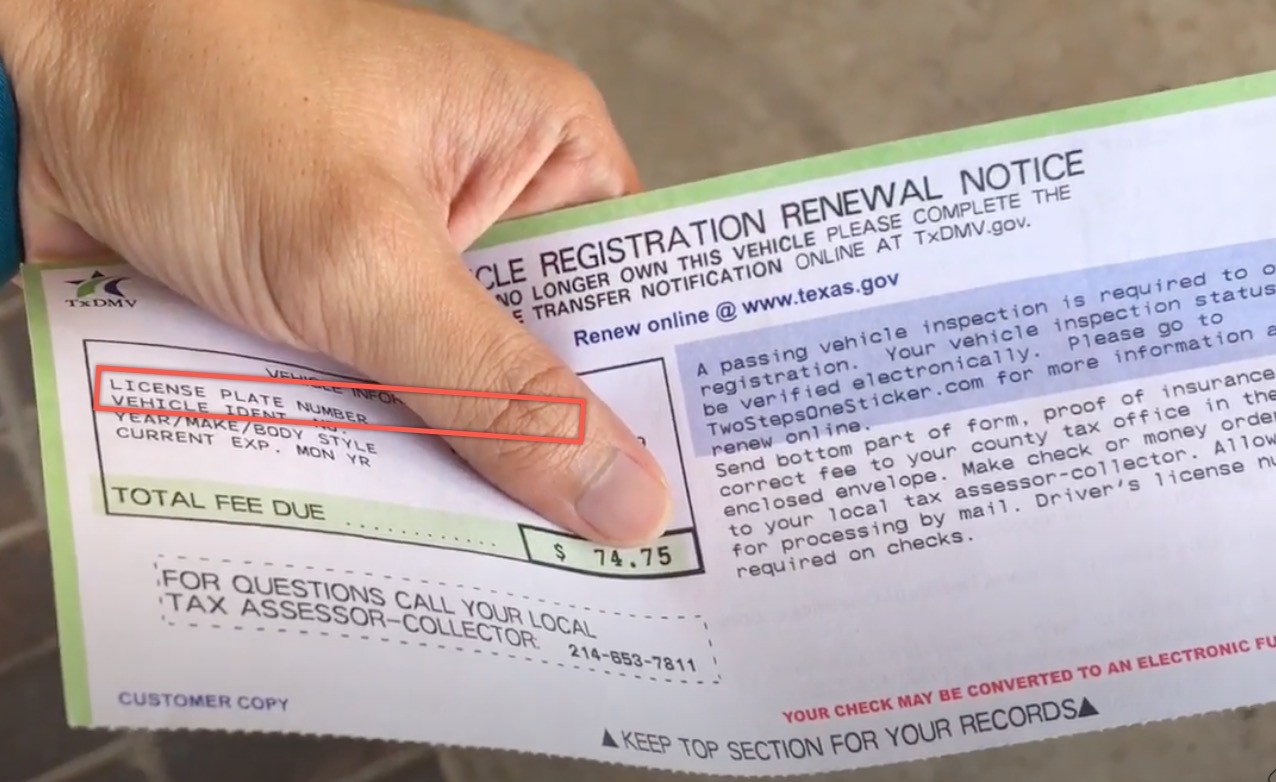
The TxDMV typically mails a renewal notice to the registered owner approximately 60 days before the registration expiration date. This notice contains important information, including your vehicle’s identification number (VIN), license plate number, expiration date, and the required renewal fee. It also indicates if an emissions test is required for your vehicle based on its location and model year. While the notice is a helpful reminder, it is not essential for renewal, as you can renew without it if you have the necessary information.
Fees and Taxes
The renewal fee varies depending on the type of vehicle and its gross weight. Additionally, Texas imposes a motor vehicle tax, which is often collected at the time of initial registration and then periodically through the renewal process. These fees and taxes contribute to the upkeep of roads and public transportation infrastructure throughout the state.
Methods for Renewing Your Vehicle Registration
Texas offers several convenient methods for renewing your vehicle registration, catering to different preferences and accessibility needs. Understanding these options can help you choose the most suitable approach for your situation.
Online Renewal
Online renewal is often the quickest and most convenient method for many Texas residents. The TxDMV website provides a secure portal where you can complete the renewal process from the comfort of your home or office.
The Online Portal
To renew online, you will typically need your license plate number and your vehicle’s Vehicle Identification Number (VIN). You will also need a valid credit card or debit card to pay the renewal fees. The system will verify that your vehicle has met all the prerequisites, including passing the vehicle inspection and having up-to-date insurance. Once your payment is processed and verified, you can print a temporary registration receipt, and your new registration sticker will be mailed to you within a specified timeframe. It is crucial to ensure you are using the official TxDMV website to avoid fraudulent sites.
Renewal by Mail
For those who prefer not to renew online or do not have easy internet access, renewal by mail is a viable option. This method requires you to complete and return a renewal form along with your payment.
Completing the Mail-in Form
Your renewal notice will usually include a mail-in form. If you do not have the form, you can typically download it from the TxDMV website. Fill out the form completely and accurately, ensuring all required information is provided. You will need to include a check or money order payable to the TxDMV for the exact renewal fee. Mail the completed form and payment to the address indicated on the renewal notice or the TxDMV website, allowing ample time for processing and delivery.
In-Person Renewal
Renewing your registration in person offers the advantage of immediate assistance and the opportunity to resolve any potential issues on the spot. This method is available at county tax assessor-collector offices and designated renewal stations.
County Tax Assessor-Collector Offices
Each county in Texas has a tax assessor-collector’s office that serves as a central hub for various motor vehicle services, including registration renewals. You can visit your local office with your renewal notice, proof of inspection, and proof of insurance. Payment can typically be made using cash, check, money order, or sometimes credit/debit cards. The staff at these offices can assist you with any questions or discrepancies you may encounter.
Renewal Stations
Certain private businesses, such as some grocery stores or mail service providers, may also offer vehicle registration renewal services. These stations often act as authorized agents for the TxDMV. While convenient for quick renewals, be aware that these stations may charge an additional convenience fee on top of the state-mandated fees. It is advisable to confirm the accepted payment methods and any additional fees before proceeding.
Important Considerations and Tips
To ensure a hassle-free renewal experience, keep a few important points in mind. Proactive planning and attention to detail can prevent last-minute rushes and potential complications.
Timing Your Renewal
It is recommended to begin the renewal process well before your registration officially expires. Allow at least a few weeks for online or mail-in renewals to account for potential delays in mail delivery or processing. For in-person renewals, visiting your local tax office earlier in the month of expiration can help avoid longer wait times. Renewing late can result in penalties and fines, so staying ahead of the deadline is crucial.
Updating Your Information
Ensure your mailing address on file with the TxDMV is current. This is where your renewal notice and new registration sticker will be sent. If you have recently moved, you must update your address with the TxDMV to ensure you receive all important correspondence. This can typically be done online or by mail.
Understanding Different Vehicle Types
The renewal process and fees may differ slightly for various types of vehicles, such as motorcycles, trailers, or commercial vehicles. Familiarize yourself with the specific requirements for your vehicle class. For instance, commercial vehicles may have different inspection and weight-related fees.
Dealing with Expired Registration
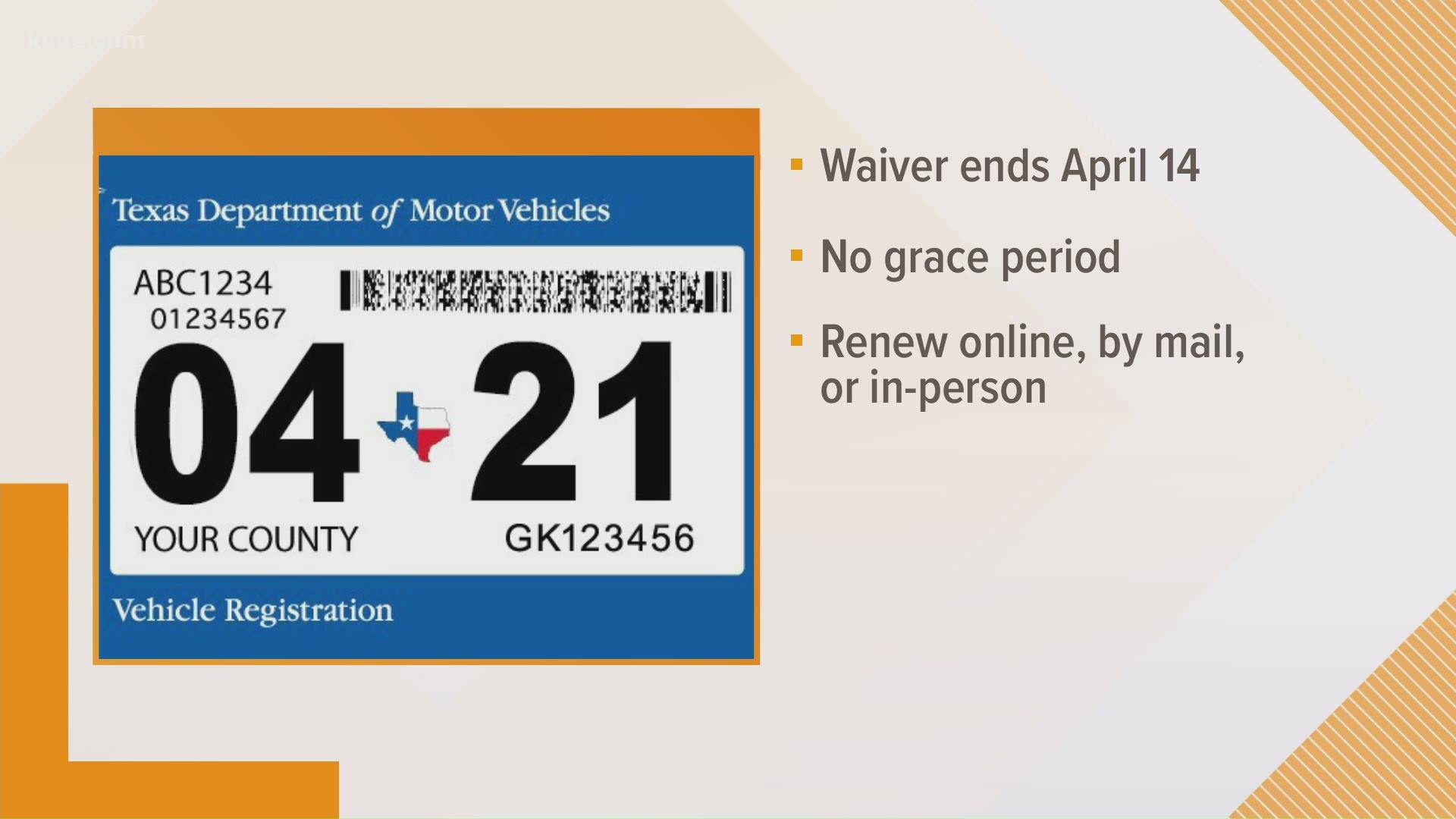
Operating a vehicle with expired registration in Texas is a traffic violation that can lead to tickets and fines. If your registration has expired, renew it as soon as possible. You may still be able to renew online or by mail, but be aware that you could be subject to penalties if you are stopped by law enforcement.
By understanding the requirements, exploring the available renewal methods, and keeping these tips in mind, you can efficiently manage your Texas vehicle registration renewal. This proactive approach ensures your vehicle remains legally registered, allowing you to travel freely and confidently across the Lone Star State.
LifeOutOfTheBox is a participant in the Amazon Services LLC Associates Program, an affiliate advertising program designed to provide a means for sites to earn advertising fees by advertising and linking to Amazon.com. Amazon, the Amazon logo, AmazonSupply, and the AmazonSupply logo are trademarks of Amazon.com, Inc. or its affiliates. As an Amazon Associate we earn affiliate commissions from qualifying purchases.