
Selling a vehicle in the Lone Star State involves understanding the specific regulations and best practices to ensure a smooth and legal transaction. Whether you’re a long-time resident or new to Texas, navigating the process can be simplified by following a clear, step-by-step approach. This guide will equip you with the knowledge to successfully sell your car, truck, or motorcycle, from preparing your vehicle to finalizing the paperwork.
Preparing Your Vehicle for Sale
Before you even consider listing your vehicle, meticulous preparation is key to attracting buyers and maximizing its value. A well-maintained and presented vehicle will undoubtedly command a higher price and sell faster than one that appears neglected. This stage involves both cosmetic enhancements and mechanical checks.
Detailing and Cleaning
The first impression is often the most crucial. A thoroughly cleaned vehicle speaks volumes about its care and upkeep.
- Exterior Wash and Wax: A professional or thorough DIY wash removes dirt, grime, and road salt. Applying a quality wax will enhance the paint’s shine and offer a protective layer, making the vehicle look newer. Pay attention to wheels, tires, and all glass surfaces.
- Interior Deep Clean: Vacuum all carpets, seats, and floor mats. Clean and condition leather or vinyl surfaces. Wipe down the dashboard, center console, and door panels. Don’t forget to clean out the glove compartment and any storage areas.
- Odor Elimination: Address any lingering smells, such as smoke or pet odors. Air fresheners can mask issues, but deep cleaning and deodorizing treatments are more effective.
- Window Tint and Decal Removal: If your vehicle has aftermarket window tint that may not comply with Texas state laws, consider removing it. Similarly, remove any old decals or stickers that detract from the vehicle’s appearance.
Mechanical Inspection and Maintenance
While a deep clean enhances aesthetics, potential buyers will also be concerned about the vehicle’s mechanical health.
- Basic Maintenance: Ensure all fluids (oil, coolant, brake fluid, power steering fluid, windshield washer fluid) are at the correct levels and appear clean. Check the tire pressure and tread depth.
- Address Minor Issues: Fix any small, noticeable problems. This could include replacing burnt-out light bulbs, worn wiper blades, or squeaky brakes. Small, inexpensive repairs can prevent buyers from assuming larger, more costly issues exist.
- Consider a Pre-Sale Inspection: For a higher-value vehicle, investing in a pre-sale inspection from a trusted mechanic can provide peace of mind for both you and the buyer. This report can highlight any potential problems and demonstrate your transparency.
Gathering Essential Documents
Having all necessary paperwork readily available will streamline the sales process and build trust with prospective buyers.
- Vehicle Title (Certificate of Title): This is the most critical document, proving ownership. Ensure it is free of liens. If there is a lien, you’ll need to obtain a lien release from the lender before you can transfer the title. The title must be in your name.
- Vehicle Registration: While not always required for the sale itself, having a current registration can be reassuring to buyers.
- Maintenance Records: Compile any service records, repair receipts, and inspection reports. This history demonstrates consistent care and can justify your asking price.
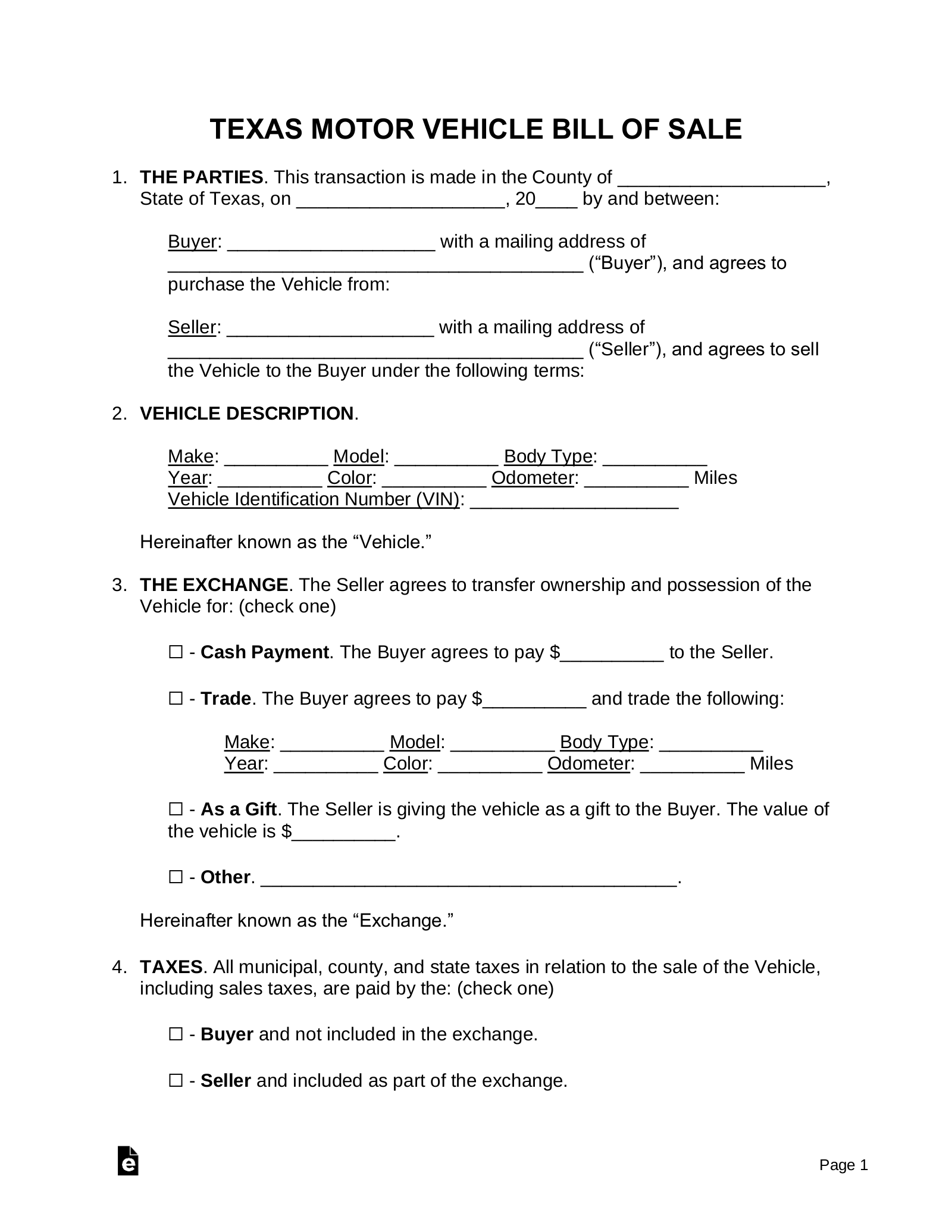
- Bill of Sale: This is a legally binding document that records the details of the transaction. You can find templates online or create your own, but it must include specific information required by Texas.
Pricing Your Vehicle Competitively
Determining the right price is a delicate balance between maximizing your return and attracting buyers. Overpricing can lead to your vehicle sitting on the market for an extended period, while underpricing means leaving money on the table.
Researching Market Value
Several resources can help you assess your vehicle’s worth in the current market.
- Online Valuation Tools: Websites like Kelley Blue Book (KBB), Edmunds, and NADA Guides provide estimated values based on your vehicle’s year, make, model, mileage, condition, and features.
- Local Market Analysis: Check online listings for similar vehicles for sale in your area. Look at dealerships and private listings on platforms like Craigslist, Facebook Marketplace, and dedicated car sales websites. Note their prices, mileage, and condition.
- Consider Factors Influencing Price:
- Mileage: Lower mileage generally commands higher prices.
- Condition: Both interior and exterior appearance, as well as mechanical soundness, significantly impact value.
- Features and Options: Desirable features like sunroofs, leather seats, navigation systems, and advanced safety features can increase appeal and price.
- Accident History: Vehicles with a clean history are worth more.
- Demand: Certain makes and models may be in higher demand in Texas due to local preferences or fuel efficiency needs.
Setting Your Asking Price

Once you have a good understanding of the market value, you can set your asking price.
- Be Realistic: Aim for a price that is competitive but allows for some negotiation.
- Factor in Negotiation Room: It’s common for buyers to negotiate. Set your initial price slightly higher than your absolute minimum acceptable price.
- Highlight Value: If you’ve invested in recent maintenance, new tires, or significant upgrades, be prepared to justify your price based on these improvements.
Marketing Your Vehicle Effectively
Once your vehicle is prepped and priced, it’s time to get the word out to potential buyers. A multi-faceted marketing approach will increase your chances of a quick and profitable sale.
Creating a Compelling Listing
Your listing is your primary sales tool. It needs to be informative, attractive, and honest.
- High-Quality Photos: Take numerous clear, well-lit photos from various angles. Include exterior shots (front, back, sides, wheels), interior shots (dashboard, seats, trunk, cargo area), and close-ups of any unique features or the odometer. Photos taken during daylight in an appealing setting are best.
- Detailed Description:
- Key Information: Year, Make, Model, Trim Level, Mileage, Engine Size, Transmission Type.
- Condition: Be honest about any flaws, such as minor scratches, dings, or wear and tear. Disclosing issues upfront builds trust.
- Features and Options: List all significant features, both standard and optional.
- Maintenance History: Mention recent maintenance performed and highlight any included records.
- Reason for Selling: Briefly stating why you are selling can sometimes help buyers connect.
- Keywords: Use relevant keywords that buyers might search for, such as “SUV,” “sedan,” “truck,” “fuel-efficient,” “low mileage,” etc.
Choosing Sales Channels
Where you list your vehicle can significantly impact who sees it.
- Online Marketplaces:
- Facebook Marketplace: Popular for local sales, allowing direct interaction with potential buyers.
- Craigslist: A classic platform for private sales, offering wide reach.
- Dedicated Auto Sales Sites: Websites like AutoTrader, Cars.com, and CarGurus can attract more serious buyers.
- Social Media: Share your listing on your personal social media profiles or in local buy/sell groups.
- “For Sale” Sign: A simple, clear “For Sale” sign with your phone number placed on the vehicle itself is still an effective method, especially if parked in a visible location.
- Word of Mouth: Let friends, family, and colleagues know you’re selling.
Navigating the Sales Process and Paperwork
Once you have interested buyers, the next steps involve handling inquiries, test drives, and the crucial legal transfer of ownership.
Handling Inquiries and Showings
- Respond Promptly: Be available to answer questions via phone or email.
- Screen Buyers: Be cautious of suspicious inquiries, such as those asking for personal information upfront or offering to pay more than your asking price without seeing the vehicle.
- Schedule Showings: Meet potential buyers in a safe, public location, preferably during daylight hours. Consider meeting at a police station parking lot or a busy shopping center.
- Test Drives: Accompany all potential buyers on test drives. It’s wise to have them provide proof of a valid driver’s license before they get behind the wheel.
Negotiating the Sale
- Be Prepared: Know your lowest acceptable price and stick to it unless the offer is reasonable and meets your needs.
- Listen to the Buyer: Understand their concerns and be willing to address them, but don’t be pressured into accepting an unfair offer.
- Be Professional: Maintain a polite and respectful demeanor, even if negotiations become challenging.

Completing the Transaction
The final steps are critical for legally transferring ownership and ensuring you receive payment.
- Payment:
- Cash: The safest option, but be wary of counterfeit bills. Consider meeting at a bank to verify authenticity and deposit the cash immediately.
- Cashier’s Check or Money Order: Generally safe, but verify with the issuing bank that the funds are available before signing over the title.
- Personal Checks: Generally not recommended due to the risk of bouncing.
- Wire Transfer: Can be a secure option, but ensure the funds have cleared before releasing the vehicle.
- The Texas Title Transfer:
- Assignment of Title: Both the seller and buyer must complete the “Assignment of Title by Seller” section on the back of the vehicle’s title. This includes your signature, the buyer’s name and address, the odometer reading at the time of sale, and the sale price.
- Odometer Disclosure Statement: Texas requires a separate odometer disclosure statement to be completed and submitted with the title.
- Buyer’s Responsibility: The buyer is responsible for taking the signed title to the county tax assessor-collector’s office to register the vehicle and pay applicable sales tax.
- Bill of Sale: While not always mandatory for title transfer, a Bill of Sale is highly recommended. It serves as a receipt for both parties and should include:
- Your full name and address.
- The buyer’s full name and address.
- Vehicle’s Year, Make, Model, and VIN (Vehicle Identification Number).
- Odometer reading.
- Sale price.
- Date of sale.
- Signatures of both buyer and seller.
- A statement that the vehicle is sold “as is” is common in private sales.
- License Plates: In Texas, license plates are generally transferred with the vehicle. The buyer will then obtain new plates at the county tax assessor-collector’s office. You should remove your plates once the sale is complete.
- Notify the Texas DMV: Although the buyer handles the title transfer, it’s good practice to formally notify the Texas Department of Motor Vehicles (DMV) of the sale. This can be done online or by mail using Form VTR-346, “Vehicle Transfer Notification.” This protects you from liability for parking tickets or toll violations incurred by the new owner after the sale date.
By following these steps diligently, you can ensure a secure, legal, and satisfactory sale of your vehicle in Texas. Remember that honesty, preparation, and understanding the state’s specific requirements are paramount to a successful transaction.
LifeOutOfTheBox is a participant in the Amazon Services LLC Associates Program, an affiliate advertising program designed to provide a means for sites to earn advertising fees by advertising and linking to Amazon.com. Amazon, the Amazon logo, AmazonSupply, and the AmazonSupply logo are trademarks of Amazon.com, Inc. or its affiliates. As an Amazon Associate we earn affiliate commissions from qualifying purchases.