
Navigating any new city, whether for a short vacation or a longer business trip, inevitably brings up questions about safety. For potential visitors and even those considering a move, understanding the security landscape of a destination is paramount. Irving, Texas, a vibrant city nestled between Dallas and Fort Worth, is often a point of interest due to its strategic location and burgeoning economic activity. This article delves into the safety profile of Irving, Texas, examining crime statistics, community initiatives, and general perceptions to provide a comprehensive overview for travelers and potential residents.
Understanding Irving’s Safety Landscape
To assess the safety of any city, it’s crucial to move beyond anecdotal evidence and look at quantifiable data. Irving, Texas falls within the Dallas-Fort Worth metropolitan area, a region that, like many large urban centers, experiences a range of crime statistics. Understanding the specifics for Irving requires examining its crime rates in comparison to both national averages and its neighboring cities.

Crime Statistics and Trends
Official crime statistics are typically compiled by local law enforcement agencies and often reported to state and federal bureaus. For Irving, data from the Irving Police Department and the FBI’s Uniform Crime Reporting (UCR) program provide valuable insights. These statistics generally categorize crimes into violent offenses (homicide, rape, robbery, aggravated assault) and property crimes (burglary, larceny-theft, motor vehicle theft, arson).
When evaluating these numbers, it’s important to consider several factors:
- Per Capita Rates: Crime rates are usually expressed per 100,000 residents. This allows for a standardized comparison between cities of different population sizes.
- Trends Over Time: A single year’s statistics might not tell the whole story. Examining trends over several years can reveal whether crime is increasing, decreasing, or remaining stable.
- Specific Crime Types: Some visitors or residents might be more concerned about certain types of crime than others. For example, petty theft in tourist areas might be a different concern than violent crime.
Irving generally reflects the crime patterns of a mid-to-large-sized city. While specific numbers fluctuate annually, reports often indicate that property crimes can be more prevalent than violent crimes. This is a common characteristic in many urban environments, where a higher population density and more commercial activity can contribute to theft-related incidents. However, it is also important to note that violent crime rates in Irving have often been reported as being at or below the national average in recent years.
Neighborhood Variations
It’s a common urban reality that safety can vary significantly from one neighborhood to another within the same city. Irving is no exception. Areas with a higher concentration of businesses, entertainment venues, or transient populations might experience different crime patterns compared to more residential or suburban enclaves.
For travelers, this means that understanding the specific area they plan to visit or stay in is crucial. For instance, the entertainment districts or areas around major transportation hubs might require a heightened awareness of surroundings, particularly during evening hours. Conversely, many residential areas within Irving are considered safe and family-friendly, with active community watch programs and generally low crime incidents. Researching specific zip codes or neighborhoods, perhaps through local forums or by consulting with hotel concierges, can offer more granular insights.
Community Efforts and Law Enforcement
Beyond the raw statistics, the proactive measures taken by the city and its residents play a significant role in shaping the perception and reality of safety. Irving, Texas benefits from a dedicated law enforcement presence and a community that actively participates in safety initiatives.
The Role of the Irving Police Department
The Irving Police Department is responsible for maintaining public safety throughout the city. Like most modern police forces, they employ a multi-faceted approach, including:

- Patrol Operations: Regular patrols in both marked and unmarked vehicles are a visible deterrent to crime.
- Community Policing: This philosophy emphasizes building relationships between officers and the community they serve, fostering trust and encouraging cooperation in crime prevention. Initiatives like neighborhood meetings and citizen academies are part of this strategy.
- Specialized Units: The department often has specialized units that focus on specific types of crime, such as narcotics, gangs, or domestic violence, allowing for more targeted and effective interventions.
- Technology and Data Analysis: Modern law enforcement utilizes data analysis to identify crime hotspots and deploy resources efficiently. Surveillance technology and crime mapping can also contribute to prevention and investigation.
The presence and effectiveness of the Irving Police Department are vital components of the city’s overall safety strategy. Citizens often report feeling reassured by the visible presence of law enforcement and their responsiveness to incidents.
Citizen Engagement and Neighborhood Programs
Safety is not solely the responsibility of law enforcement; community involvement is equally important. Irving, Texas has a history of engaged citizens who participate in various programs aimed at enhancing neighborhood security.
- Neighborhood Watch Programs: These grassroots organizations empower residents to be the eyes and ears of their communities, reporting suspicious activities and working together to prevent crime. Many neighborhoods in Irving have active Neighborhood Watch groups.
- Community Events and Awareness Campaigns: The city and local organizations often host events that bring residents together and raise awareness about safety issues, from personal security to emergency preparedness.
- Partnerships with Local Businesses: Businesses in Irving, particularly those in commercial districts like the Las Colinas area, often work with law enforcement and city officials to implement security measures and report concerns.
This collaborative approach between law enforcement and the community creates a more robust safety net and can contribute to a lower incidence of crime.
Tips for Travelers and Residents to Enhance Safety
While Irving, Texas is generally a safe place to visit and live, adopting sensible safety practices is always advisable, no matter where you are. Here are some tips that can help travelers and residents maximize their safety and peace of mind.
General Awareness and Precautions
- Be Aware of Your Surroundings: This is perhaps the most fundamental safety tip. Pay attention to who and what is around you, especially in unfamiliar areas or at night. Avoid distractions like constantly looking at your phone.
- Secure Valuables: Keep personal belongings, especially electronics and wallets, secure and out of sight when possible. In public places, be mindful of pickpocketing, particularly in crowded areas.
- Travel in Groups When Possible: Traveling with others, especially after dark, can offer a greater sense of security.
- Research Your Destination: Before arriving, familiarize yourself with the general layout of Irving, identify areas to avoid if any specific concerns have been raised, and note the locations of police stations or emergency services.
- Use Reputable Transportation: When using taxis or ride-sharing services, ensure they are licensed and reputable. If you’re unsure, ask your hotel for recommendations.
Specific Considerations for Travelers
- Hotel Safety: When booking accommodation, consider its location and any security features offered, such as well-lit parking areas, security cameras, and key-card access to rooms. The Las Colinas area, for example, boasts numerous upscale hotels like the Ritz-Carlton Dallas, Las Colinas and the Omni Las Colinas Hotel, which generally have robust security measures in place.
- Nightlife and Entertainment: If you plan to explore Irving’s nightlife, such as venues around the Toyota Music Factory, be mindful of your alcohol consumption and stick with your companions.
- Business Travel: For those visiting for business, especially in the Las Colinas business district, exercise the same precautions as you would in any professional environment. Secure your company-issued devices and be aware of your surroundings when moving between meetings or your hotel.
For Long-Term Residents
- Home Security: Ensure your home is adequately secured with strong locks, good lighting, and potentially a security system.
- Community Involvement: Participate in local community events and consider joining or forming a Neighborhood Watch program.
- Stay Informed: Keep up-to-date with local news and any specific safety advisories issued by the Irving Police Department or the city.
Conclusion: A Generally Safe and Welcoming City
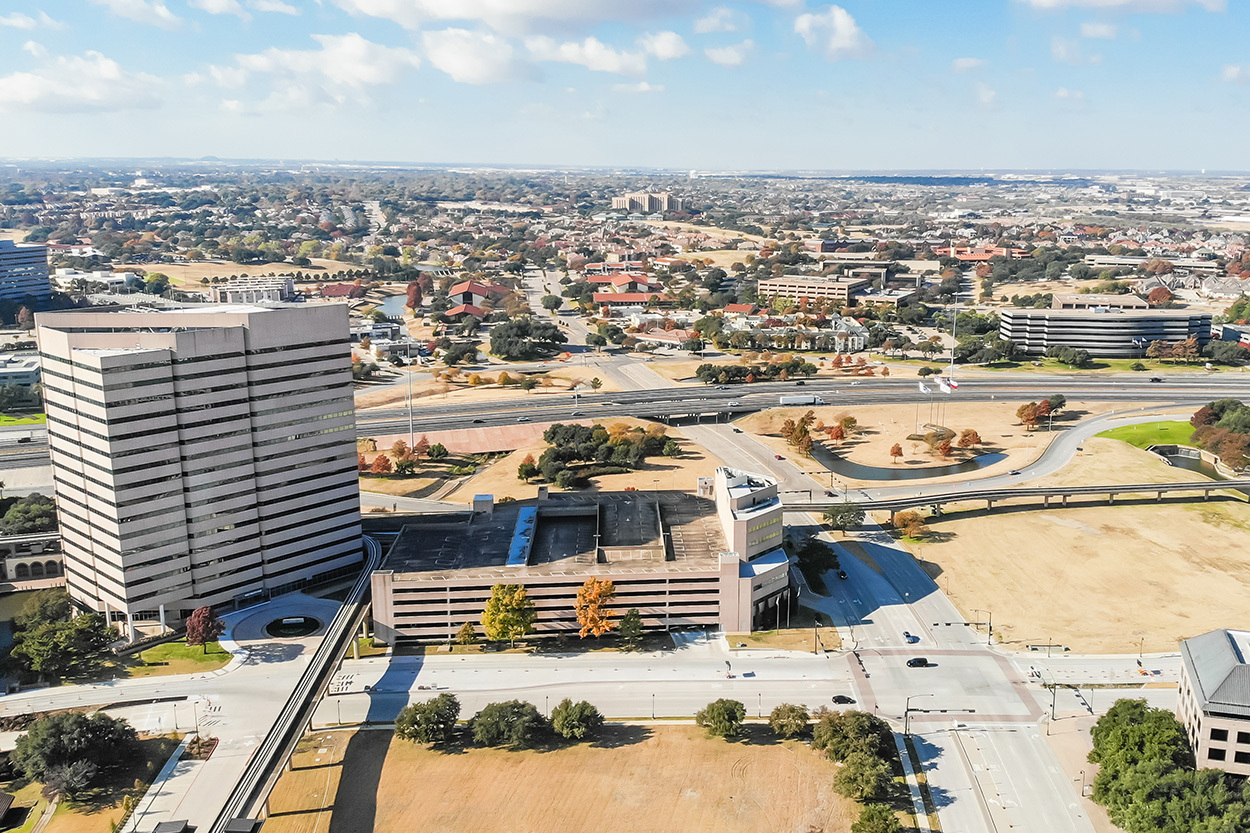
In conclusion, Irving, Texas presents a generally safe environment for travelers and residents alike. While it is a dynamic urban center with crime statistics that align with cities of its size, proactive community efforts and dedicated law enforcement contribute significantly to its security. By understanding the nuances of safety, being aware of one’s surroundings, and employing sensible precautions, visitors can confidently explore the attractions and experiences Irving has to offer, from the entertainment hub of the Toyota Music Factory to the business landscape of Las Colinas. For those considering a longer stay, the city’s commitment to community well-being and its range of residential options make it an attractive and secure place to call home.
LifeOutOfTheBox is a participant in the Amazon Services LLC Associates Program, an affiliate advertising program designed to provide a means for sites to earn advertising fees by advertising and linking to Amazon.com. Amazon, the Amazon logo, AmazonSupply, and the AmazonSupply logo are trademarks of Amazon.com, Inc. or its affiliates. As an Amazon Associate we earn affiliate commissions from qualifying purchases.