
While the phrase “labor tax” might conjure images of direct levies on an individual’s wages, the reality of taxation in the Lone Star State is far more nuanced. Texas famously eschews a state income tax, a significant draw for both residents and businesses. However, this doesn’t mean that the cost and implications of labor aren’t factored into the state’s economic and fiscal landscape. Instead, the burden and impact are distributed through other forms of taxation and regulatory considerations that indirectly affect the cost and availability of labor. Understanding these mechanisms is crucial for anyone operating a business, planning an investment, or simply seeking to comprehend the economic engine of Texas.
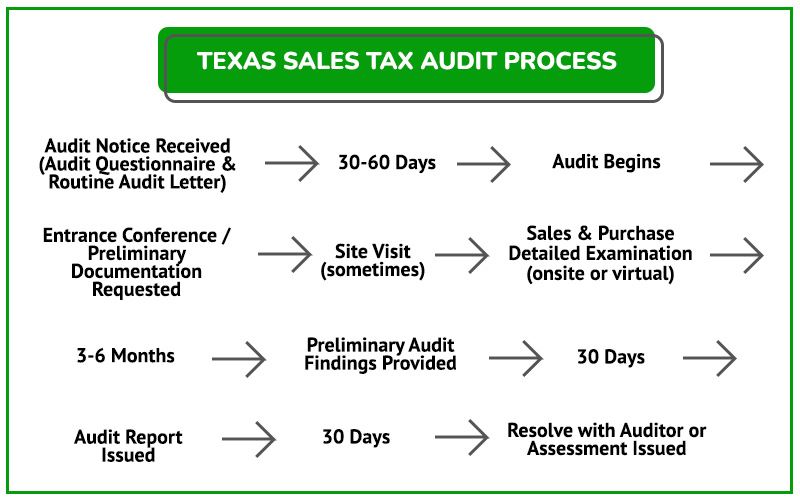
The absence of a personal income tax is a cornerstone of Texas’s fiscal policy, often cited as a primary reason for its robust economic growth and population influx. This absence, however, necessitates that state and local governments generate revenue through alternative means. These means, in turn, have a direct or indirect bearing on the cost of employment and, by extension, the effective “taxation” of labor, even if not explicitly labeled as such.
The Indirect Taxation of Labor Through Business Taxes
Businesses are the primary employers in Texas, and their operations are subject to various taxes that can influence hiring decisions and labor costs. While there isn’t a direct tax on the act of employing someone, the financial obligations placed upon businesses often translate into higher operational expenses, which can be passed on to consumers, factored into wages, or absorbed through reduced profitability.
Franchise Tax
The most significant business-related tax in Texas is the Margin Tax, often referred to as the Franchise Tax. This tax is levied on corporations, partnerships, limited liability companies, and other similar entities that conduct business in Texas. It is not a tax on gross receipts, nor is it a traditional income tax. Instead, it is based on a business’s “margin,” which is a calculation involving revenue and compensation.
Understanding the Margin Tax Calculation
The Margin Tax is calculated based on the lesser of two figures: the business’s total revenue minus cost of goods sold, or its total revenue minus compensation. The “compensation” component here is key. Compensation includes wages, salaries, commissions, bonuses, and other forms of remuneration paid to employees, as well as benefits.
- Revenue Component: This represents the business’s active income from its operations.
- Compensation Component: This reflects the costs associated with employing a workforce.
Businesses can deduct certain qualified expenses, including compensation, from their revenue to arrive at their taxable margin. The tax rate is applied to this margin. For many smaller businesses that are eligible for the “no tax due” threshold (currently $1.23 million in revenue), the Margin Tax has no direct impact. However, for larger entities, the ability to deduct compensation costs can significantly reduce their tax liability. This creates an incentive for businesses to invest in their workforce, as higher compensation costs can lead to a lower Margin Tax.
However, the mere existence of the Margin Tax, even with compensation deductions, represents a cost of doing business in Texas. This cost must be managed, and it influences a company’s overall financial strategy, which can, in turn, affect its capacity for hiring and wage increases.
Property Taxes
While not directly a tax on labor, property taxes in Texas are a substantial operating expense for businesses that own or lease commercial real estate. High property taxes in certain Texas cities can increase the overhead for businesses, particularly those with large physical footprints, such as manufacturing plants or extensive retail operations. These increased costs can indirectly impact labor by influencing a business’s ability to offer competitive wages or expand its workforce.
Local governments, such as those in Houston or Dallas, rely heavily on property taxes to fund public services, including schools and infrastructure. Businesses operating in these areas must factor these costs into their budgets, and this can create a ripple effect on employment.
Sales and Use Tax
Texas relies heavily on sales and use tax revenue. While this is primarily a consumer tax, businesses bear the responsibility of collecting and remitting it. Furthermore, businesses pay sales tax on goods and services they purchase for their operations, which can include office supplies, equipment, and certain professional services. These costs contribute to the overall expense of running a business, and by extension, the cost of employing individuals.
The state’s retail and service sectors, which employ a significant portion of the Texas workforce, are particularly sensitive to sales tax rates. Fluctuations in consumer spending, influenced by various economic factors including the cost of living (which is indirectly tied to taxes), can impact employment levels in these sectors.
The Consumer Side: How Texans “Pay” for the Lack of Income Tax
If individuals don’t pay state income tax, how is the state funded? The answer lies predominantly in consumption taxes and property taxes. This shifts the burden of funding government services from income earned to money spent and property owned.
Sales Tax Burden
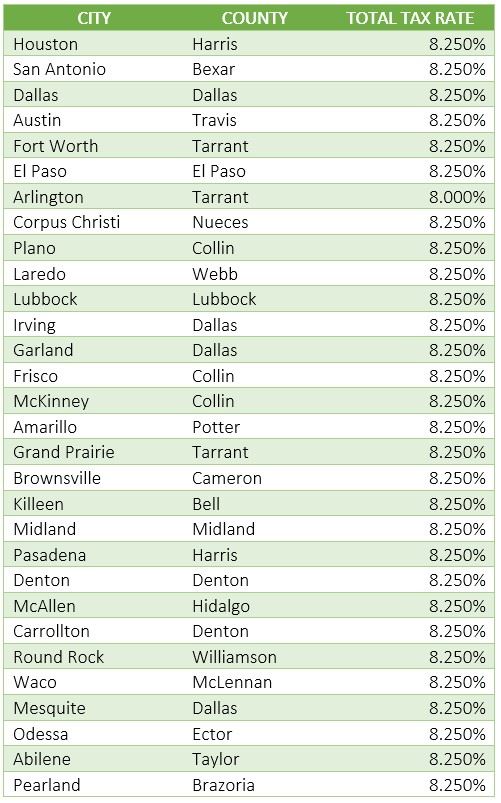
The state sales tax rate in Texas is 6.25%, with local jurisdictions allowed to add up to 2% more, for a maximum combined rate of 8.25%. This rate applies to tangible personal property and certain services. While not a tax on labor itself, the money that Texans spend on goods and services, which is subject to sales tax, represents a significant portion of their disposable income. This disposable income is what they earn through their labor. Therefore, a portion of every dollar earned is ultimately remitted to the state through consumption.
Consider a worker earning an hourly wage. A portion of that wage is spent on groceries, clothing, entertainment, and other goods and services. Each of these purchases, when made within Texas, incurs sales tax. In this sense, the worker’s labor directly contributes to state revenue through the taxes paid on their consumption.
Property Tax Burden
For homeowners, property taxes are a significant annual expense. These taxes fund local schools, police and fire departments, and other municipal services. The absence of state income tax means that local governments often have higher property tax rates to compensate for the lack of direct state funding from personal income. For individuals who own property, their labor has been converted into assets that are then subject to taxation. For renters, the cost of property taxes is typically passed on by landlords in the form of higher rents, so the burden is still indirectly borne by the tenant.
Regulatory and Compliance Costs
Beyond direct taxation, there are other costs associated with employing labor in Texas that can be viewed as indirect forms of “taxation” in terms of business expense and administrative burden.
Workers’ Compensation
While Texas is unique in that it is the only state where private employers are not required by law to subscribe to workers’ compensation insurance, many businesses still opt for it to protect themselves from potential lawsuits and to provide benefits to injured employees. The cost of workers’ compensation premiums is an expense directly tied to the number of employees and their associated risks, effectively making it a cost of labor that influences hiring decisions. Employers who choose not to offer workers’ compensation are still exposed to liability that can be far more costly than insurance premiums.
Unemployment Insurance
Employers in Texas are required to pay state unemployment taxes. These taxes fund unemployment benefits for workers who lose their jobs through no fault of their own. The rate of unemployment tax is generally experience-based, meaning employers with fewer layoffs pay lower rates. This system incentivizes businesses to retain their workforce and directly links the cost of employing labor to the stability of that employment.
Minimum Wage and Labor Laws
While Texas adheres to the federal minimum wage, any state or local initiatives that increase labor costs, such as mandatory paid sick leave or other benefits, would add to the overall expense of employing workers. These are not taxes in the traditional sense, but they represent a mandatory cost of labor that impacts business profitability and hiring strategies.
The Economic Impact: A Trade-Off
The absence of a state income tax in Texas is a powerful economic driver. It attracts businesses seeking to minimize their tax burden and individuals looking to maximize their take-home pay. This has fueled rapid growth in sectors like technology, energy, and manufacturing, creating numerous job opportunities.
However, this economic model relies on a more significant reliance on sales and property taxes. This can disproportionately affect lower-income individuals and families, as sales taxes represent a larger percentage of their income compared to higher earners. While they may benefit from not paying state income tax, the cost of goods and services, and potentially property taxes passed on through rent, can still represent a substantial financial burden.
In conclusion, while Texas does not have a direct “labor tax” in the form of a state income tax, the cost and implications of labor are deeply intertwined with the state’s unique tax structure and regulatory environment. Businesses incur costs through the Margin Tax, property taxes, unemployment insurance, and other obligations. Consumers, in turn, bear the brunt of sales and property taxes, which are funded through the wages earned from their labor. This intricate system shapes the Texas economy, presenting both opportunities and challenges for employers and employees alike.
LifeOutOfTheBox is a participant in the Amazon Services LLC Associates Program, an affiliate advertising program designed to provide a means for sites to earn advertising fees by advertising and linking to Amazon.com. Amazon, the Amazon logo, AmazonSupply, and the AmazonSupply logo are trademarks of Amazon.com, Inc. or its affiliates. As an Amazon Associate we earn affiliate commissions from qualifying purchases.