
Often conjuring images of vast, icy landscapes, towering glaciers, and persistent snow, Alaska is widely perceived as a perpetually cold destination. While it certainly earns its moniker as the Last Frontier with its formidable winters, this perception often overshadows a crucial aspect of its climate: the surprisingly vibrant and genuinely warm summers. For travelers dreaming of an Alaskan adventure, understanding the nuances of its climate is paramount to planning an unforgettable trip. The question “How warm does it get in Alaska?” unlocks a treasure trove of seasonal possibilities, revealing a land that truly transforms throughout the year, offering diverse experiences from sun-drenched hikes to cozy winter retreats.
Alaska, the largest state in the United States, boasts a diverse geography stretching from the temperate rainforests of its panhandle to the frigid Arctic Ocean coast. This immense size directly translates into a varied climate, where summer temperatures can climb into the 70s°F (20s°C) and even occasionally touch the 80s°F (high 20s°C) in interior regions, while coastal areas enjoy milder, albeit often wetter, warmth. This article delves into the seasonal and regional temperature variations, helping you decipher when and where to find your ideal Alaskan experience, be it basking in the midnight sun or embracing a crisp, cool adventure.
Unpacking Alaska’s Diverse Climates: More Than Just Ice
To truly appreciate Alaska’s warmth, it’s essential to look beyond the stereotypes and understand the distinct climate zones and seasonal shifts that define this magnificent state. Its proximity to the Pacific Ocean and Arctic Ocean, combined with its rugged mountain ranges like the Alaska Range and the Chugach Mountains, creates a fascinating tapestry of weather patterns.
A Land of Extremes: Understanding the Seasons
-
Summer (June, July, August): The Peak of Warmth and Daylight
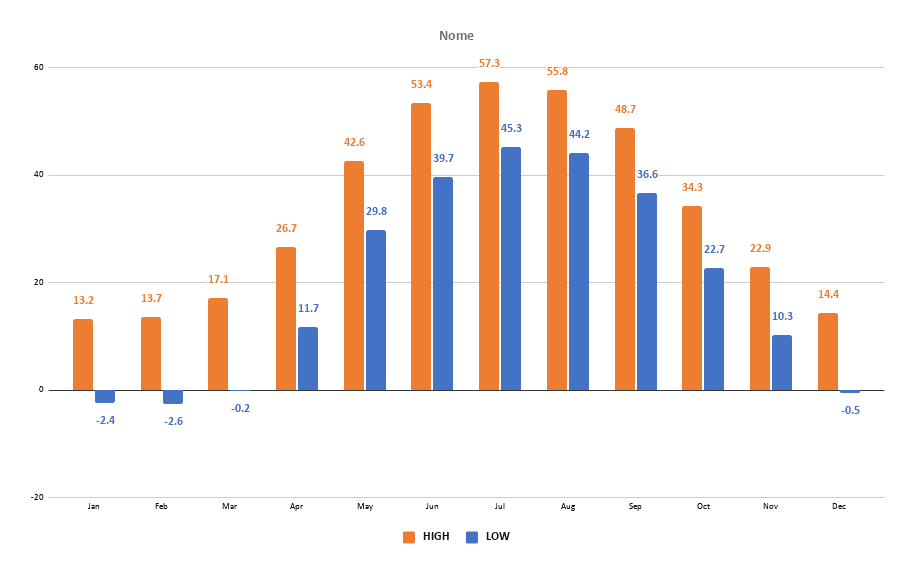
Summer is undoubtedly when Alaska shines brightest and warmest. The long daylight hours—often extending to 24 hours of daylight above the Arctic Circle—bring a surprising amount of warmth. Average daytime temperatures across the state during July, the warmest month, typically range from 60-75°F (15-24°C). However, it’s not uncommon for interior cities like Fairbanks or areas near Denali National Park and Preserve to experience days in the high 70s°F (25°C+) and even into the low 80s°F (27°C+). Coastal areas, such as Anchorage and Juneau, benefit from the tempering effect of the ocean, leading to more moderate temperatures, usually in the 60s°F (15-20°C). Nights can still be cool, even in summer, dropping into the 40s°F (5-10°C), so layers are always recommended. -
Spring (April, May) & Fall (September, October): Milder Transitions
The shoulder seasons offer a unique blend of changing landscapes and more moderate temperatures. Spring sees the thawing of snow and ice, with temperatures gradually climbing from the 30s°F (0s°C) to the 50s°F (10s°C). This is a time of awakening, with wildlife becoming more active. Fall, while shorter, is heralded by stunning autumnal colors, particularly in the interior. Temperatures begin to drop from the 50s-60s°F (10-15°C) in September to the 30s-40s°F (0-5°C) by October. These months can be incredibly rewarding for travelers seeking fewer crowds and the potential for Aurora Borealis sightings as darkness returns. -
Winter (November-March): Cold, But Not Uniformly So
While the focus of this article is warmth, it’s important to acknowledge Alaska’s iconic winter. Temperatures plummet, especially in the interior and Arctic Alaska, where sustained periods below 0°F (-18°C) are common. However, coastal regions like Southeast Alaska (e.g., Ketchikan, Juneau) experience much milder winters, often hovering around freezing (20s-30s°F / -5 to 0°C) due to maritime influence. Even in the coldest areas, clear, sunny winter days can feel invigorating, and the right gear makes outdoor exploration not just possible, but enjoyable.
Regional Nuances: Where the Warmth Varies Most
Alaska’s sheer size dictates significant regional climate differences, affecting how warm it gets in different areas:
-
Interior Alaska (e.g., Fairbanks, Denali region): This region experiences a continental climate characterized by extreme temperature swings. Summers here are often the warmest in the state, with daytime highs frequently reaching into the 70s°F (20s°C) and occasionally touching the low 80s°F (27°C+). The dry air contributes to a feeling of pleasant warmth, despite cooler nights. Winters, however, are brutally cold.
-
Coastal Alaska (e.g., Anchorage, Juneau, Seward): Influenced by the Gulf of Alaska and the Pacific Ocean, these areas have a maritime climate. Summers are milder, generally in the 60s°F (15-20°C), but also tend to be wetter and cloudier than the interior. Winters are also milder than the interior, with temperatures often staying above 0°F (-18°C). The Inside Passage of Southeast Alaska is particularly known for its temperate rainforest climate, leading to abundant rainfall but relatively moderate temperatures year-round.
-
Arctic Alaska (e.g., Utqiagvik, Prudhoe Bay): As expected, this region experiences the coldest temperatures. Even in summer, average highs are typically in the 40s°F (5-10°C), though occasional warm fronts can push temperatures into the 50s°F (10-15°C). The ground remains permanently frozen just beneath the surface (permafrost). Winter temperatures are consistently below 0°F (-18°C), often dipping to -40°F (-40°C) or colder.
-
Southcentral Alaska (e.g., Talkeetna, Valdez, Homer): This region is a blend, with areas like the Mat-Su Valley near Anchorage experiencing warm, relatively dry summers akin to the interior, while coastal towns like Valdez are cooler and wetter due to the maritime influence of Prince William Sound.
Summer in the Last Frontier: When Alaska Truly Shines
For those seeking genuine warmth and abundant opportunities for outdoor exploration, summer is unequivocally the best time to visit Alaska. The combination of comfortable temperatures, endless daylight, and vibrant natural beauty creates an unparalleled travel experience.
Embracing the Midnight Sun: Activities and Experiences
The warm Alaskan summer unlocks a plethora of activities that cater to every type of traveler. The long daylight hours mean more time for adventure and sightseeing, allowing visitors to maximize their days without feeling rushed.
- Outdoor Adventures: With temperatures in the 60s-70s°F (15-24°C), hiking, biking, and camping become incredibly enjoyable. Destinations like Denali National Park and Preserve offer world-class trekking with stunning views of Mount Denali. Fishing for salmon, halibut, and trout is a major draw, with prime spots along the Kenai River or in Southeast Alaska.
- Wildlife Viewing: Summer is prime time to see Alaska’s iconic wildlife. Bears (grizzly, black, and polar), moose, caribou, Dall sheep, and a myriad of bird species are active. Coastal cruises through Kenai Fjords National Park or Glacier Bay National Park and Preserve offer incredible opportunities for whale watching (humpbacks, orcas), sea otters, and puffins.
- Cruises and Road Trips: The milder temperatures make cruising the Inside Passage or a self-drive adventure along the Seward Highway from Anchorage to Seward exceptionally pleasant. Exploring charming towns like Skagway, Homer, and Talkeetna on foot is comfortable and rewarding.
- Glacier Exploration: While glaciers are, by nature, cold, visiting them in summer provides the most accessible and comfortable conditions. Whether it’s a boat tour to the face of a tidewater glacier in Prince William Sound or a hike to Mendenhall Glacier near Juneau, the warmth allows for easier movement and a more enjoyable experience.
Planning Your Warm-Weather Getaway: Accommodation and Tips
Summer is Alaska’s peak tourist season, meaning that early planning is crucial, especially for accommodations and popular tours.
- Hotels and Resorts: From luxury wilderness lodges like the Talkeetna Alaskan Lodge and Seward Windsong Lodge to urban hotels such as the Hotel Captain Cook in Anchorage or boutique stays in Juneau, options abound. Consider booking 6-12 months in advance for prime summer dates, particularly for properties near national parks or popular cruise ports.
- Booking and Comparison: Utilize booking platforms to compare prices and amenities for hotels, resorts, and even vacation rentals. Many travelers opt for apartment-style accommodations for longer stays, offering more space and flexibility.
- Packing Essentials: Even in the warmest months, layers are king. Pack light, breathable clothing for daytime highs, but always include a fleece or sweater, a waterproof and windproof jacket, and sturdy, comfortable walking shoes. Sun protection (hat, sunglasses, sunscreen) is vital given the extended daylight.
- Local Culture and Food: Summer often brings festivals, farmers’ markets, and outdoor events. This is the best time to savor fresh Alaskan seafood, particularly wild salmon, and connect with local culture through art galleries and community gatherings.
Beyond Summer: Discovering Alaska’s Other Seasons
While summer offers the quintessential warm Alaskan experience, the shoulder seasons and even winter hold their own unique charm, providing different facets of warmth and wonder.
Spring’s Awakening and Autumn’s Blaze: Shoulder Season Charms
These transitional periods, generally May and September, provide a quieter, often more intimate way to experience Alaska with milder temperatures and fewer crowds.
- Spring: As snow melts and days lengthen, average temperatures rise from the 30s°F (0s°C) in early May to the 50s°F (10s°C) by late May. Wildlife emerges, migratory birds return, and waterfalls swell. It’s an excellent time for photography, particularly as the landscape transforms.
- Autumn: September sees beautiful fall foliage, especially in interior regions where the birch and aspen turn golden. Temperatures are crisp, ranging from the 40s-50s°F (5-15°C). The longer nights bring a higher chance of witnessing the Aurora Borealis in the northern parts of the state. This is an ideal time for those who prefer cooler hiking weather and a more serene atmosphere.
Winter’s Icy Embrace: Finding Warmth and Wonder
Despite the deep cold in many areas, Alaska’s winter offers its own brand of warmth: the warmth of a cozy lodge, the glow of the northern lights, and the exhilaration of unique winter sports.
- Winter Activities: Even in freezing temperatures, activities like dog sledding, cross-country skiing, and snowmobiling are popular. Resorts like Alyeska Resort offer world-class downhill skiing and snowboarding.
- Northern Lights: The long, dark winter nights are perfect for viewing the spectacular Aurora Borealis, particularly around Fairbanks, which sits beneath the auroral oval.
- Indoor Warmth: Cozy up in a remote wilderness lodge with a crackling fire, explore Anchorage’s museums, or relax in a hot spring. Many establishments offer luxurious amenities designed to provide comfort against the cold.
Practical Considerations for Your Alaskan Adventure
No matter what season you choose, planning is key to a successful Alaskan trip. Understanding the practicalities related to its variable climate and remote nature will enhance your travel experience.
What to Pack for Alaska’s Variable Climate
The golden rule for packing for Alaska is layering. Even in summer, temperatures can fluctuate significantly from day to night and between regions.
- Essential Layers: Bring moisture-wicking base layers, insulating mid-layers (fleece or down), and a waterproof and windproof outer shell.
- Footwear: Waterproof hiking boots are crucial, even for casual walks, to handle potential rain and uneven terrain.
- Accessories: A warm hat, gloves (even in summer for cooler evenings or glacier visits), sunglasses, and insect repellent are highly recommended.
Choosing Your Alaskan Accommodation Wisely
Alaska’s accommodation landscape is as diverse as its scenery, ranging from high-end resorts to rustic cabins, all offering a unique experience.
- Variety of Options: From luxury resorts like The Hotel Alyeska to charming bed and breakfasts, and even remote wilderness lodges accessible only by floatplane, Alaska caters to all preferences and budgets.
- Booking Advice: During peak summer season, demand for quality accommodations can be high. Booking well in advance (6-12 months) is advisable, especially for specific rooms, suites, or resorts in popular destinations. Consider boutique hotels for a more personalized experience or apartments for a longer, more immersive stay.
- Location: Decide whether you prefer an urban base like Anchorage for city amenities and day trips, or a more remote lodge for direct access to nature.
Navigating Alaska: Transportation and Timing
The size of Alaska necessitates careful consideration of transportation and the best time to visit based on your desired level of warmth and activities.
- Transportation: Cruises are popular for exploring the Inside Passage. For interior exploration, renting a car offers flexibility, though many attractions are accessible via the Alaska Railroad or tour buses. Bush planes are essential for reaching remote areas.
- Best Time to Visit:
- For maximum warmth and daylight: Mid-June to mid-August is ideal.
- For fewer crowds, milder temps, and potential aurora: May or September.
- For a true winter wonderland and northern lights: Mid-November to March.
In conclusion, the answer to “How warm does it get in Alaska?” is far more nuanced than many assume. While its formidable reputation for cold is well-earned, Alaska bursts with surprising warmth and extended daylight during its summer months, offering a temperate paradise for outdoor enthusiasts and sightseers. From the sun-drenched valleys of the interior to the milder coastal towns, the Last Frontier transforms into an inviting destination. By understanding its diverse climates and planning accordingly, travelers can truly experience the best of Alaska, discovering a world that is as warm and welcoming as it is wild and majestic. Your Alaskan adventure awaits, whether you seek the heat of the midnight sun or the cozy glow of a winter’s night.
LifeOutOfTheBox is a participant in the Amazon Services LLC Associates Program, an affiliate advertising program designed to provide a means for sites to earn advertising fees by advertising and linking to Amazon.com. Amazon, the Amazon logo, AmazonSupply, and the AmazonSupply logo are trademarks of Amazon.com, Inc. or its affiliates. As an Amazon Associate we earn affiliate commissions from qualifying purchases.