
The question of poker’s legality in Texas is a complex one, often leading to confusion for residents and visitors alike. While the state has strict gambling laws, the nuances of poker’s status, particularly concerning social games and the definition of “gambling,” create a landscape where playing poker isn’t entirely a black-and-white issue. Understanding these distinctions is crucial for anyone looking to enjoy a friendly game or even consider the professional circuit within the Lone Star State.
The Legal Framework of Gambling in Texas
Texas operates under a penal code that defines and prohibits most forms of gambling. The Texas Penal Code, Section 47.02, broadly states that a person commits an offense if they intentionally “bet money or other’ property on the outcome of a contest of chance” or “bet on the outcome of a manipulation of a chance, a future contingent event that will distinguish one from another.” The key here is the emphasis on “chance” and the prohibition of “gambling.”
Defining “Gambling” and “Contest of Chance”
The legal interpretation of “gambling” and “contest of chance” is central to understanding poker’s legality. In Texas, a contest of chance is generally understood as an event where the outcome is primarily determined by luck rather than skill. This distinction is pivotal because poker, while involving elements of luck in the draw of cards, is widely recognized as a game of skill. Players make strategic decisions based on probability, psychology, and opponent analysis, significantly influencing the outcome.
However, the law doesn’t always cleanly separate skill from chance. The courts have historically looked at the dominant factor in determining the outcome. In cases where the skill element is significant enough to outweigh the role of chance, the activity may not be considered illegal gambling. This is where the interpretation of poker’s legality becomes more intricate.
The Role of Skill vs. Chance in Legal Interpretation
The debate often hinges on whether the game is predominantly one of skill or chance. Proponents of poker’s legality argue that the strategic elements – bluffing, reading opponents, understanding pot odds, and managing chip stacks – are so integral to the game that skill is the overriding factor. Opponents, or those enforcing gambling laws, might point to the random distribution of cards as a significant element of chance, especially in shorter games or when luck plays a noticeable role in a specific hand.
This interpretation has led to a situation where casual, home-based poker games are often tolerated, provided they do not involve significant stakes or the operation of a commercial establishment for profit. The focus tends to be on whether the game is being run as a business to profit from the gambling itself, rather than a friendly social gathering.
Social Poker Games and Exceptions
The most common scenario where poker is played in Texas is within private residences among friends and acquaintances. These social games typically operate under an unwritten understanding of legality, largely due to a few key factors:
Home Games and Lack of Commercial Interest
In a typical home game, players are usually contributing to a shared pot that is then awarded to the winner of the hand or tournament. There is no third party, such as a cardroom or bookie, taking a rake or commission from the bets. This lack of commercial interest or profit motive is a significant factor in distinguishing these games from illegal gambling operations. Law enforcement generally prioritizes addressing organized gambling rings and establishments that profit from illicit betting.
The “Skill Exception” in Practice
While not explicitly codified as a “skill exception” for poker in Texas law, the practical application of gambling statutes often implicitly acknowledges the skill involved. If a game is clearly a demonstration of strategic prowess and friendly competition, with no intent to run a business, it is less likely to face legal scrutiny. This is why many poker enthusiasts organize regular home games without fear of prosecution.
Charitable Gaming and Licensed Events

It’s important to note that Texas does permit certain forms of gambling for charitable purposes, often through bingo or raffles. However, these are typically regulated and require specific licenses. While poker tournaments are sometimes held for charitable causes, they must navigate a complex legal landscape, and the specifics of their operation are critical to ensure compliance. These events often require careful legal structuring to avoid falling foul of the state’s anti-gambling statutes.
Professional Poker and Casinos in Texas
The legal standing of professional poker and the presence of traditional casinos in Texas present a stark contrast to social home games.
No Traditional Casinos
Unlike states like Nevada or New Jersey, Texas does not have any state-sanctioned commercial casinos that offer traditional casino games, including poker rooms. The state’s constitution and laws generally prohibit such establishments. This is a significant barrier for professional poker players and enthusiasts who might be accustomed to the regulated environments found elsewhere.
Card Rooms and the “Social Club” Loophole
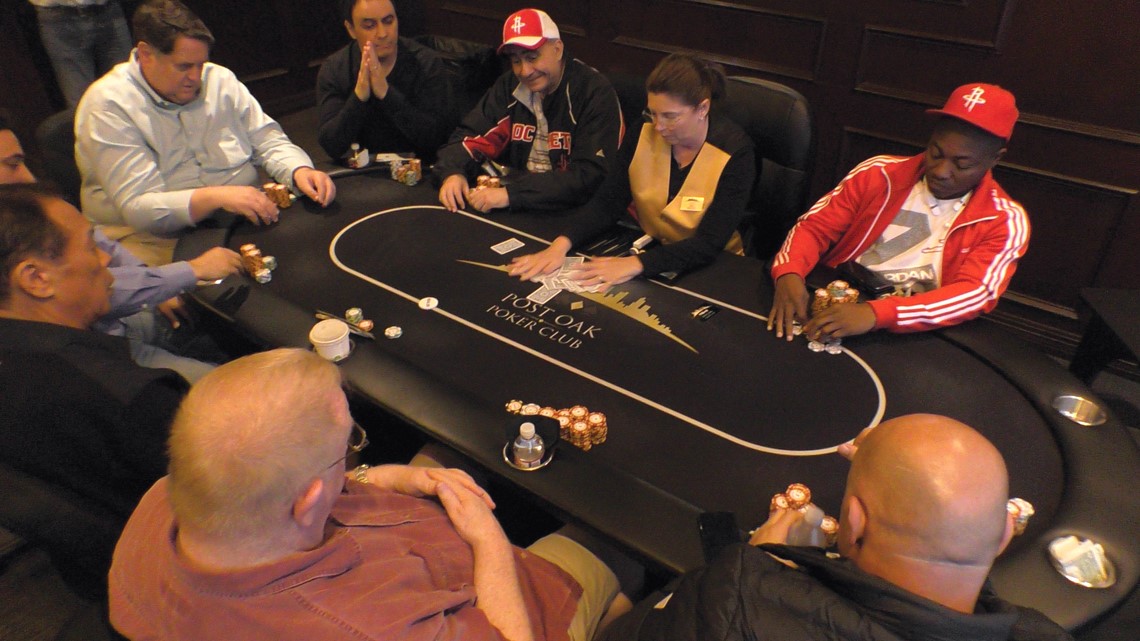
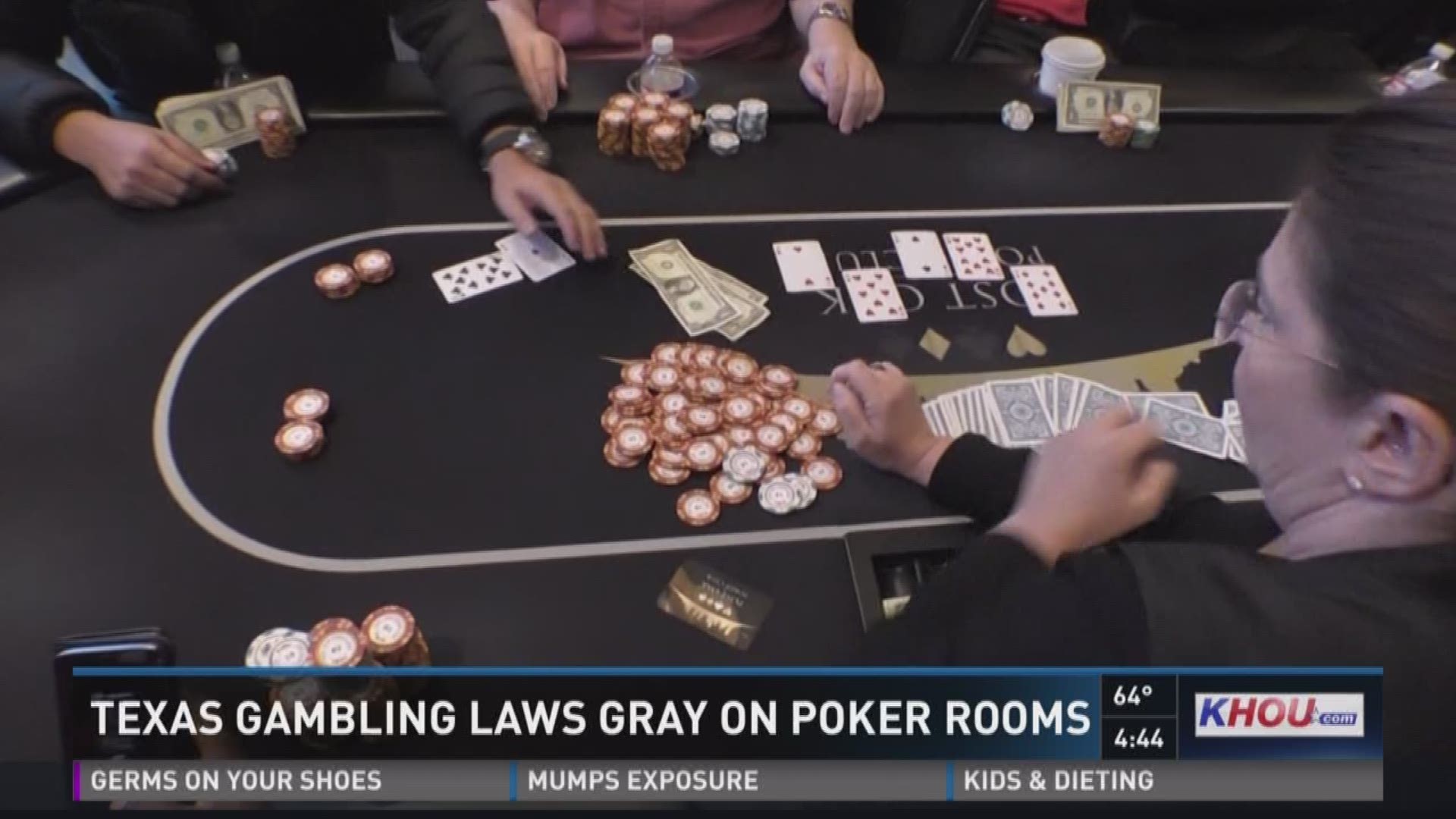
Despite the absence of casinos, Texas does have a thriving scene of poker card rooms. These establishments often operate under a model that attempts to legally skirt the prohibition on gambling. They typically generate revenue not by taking a rake from the pot (which would be considered profiting from the gambling itself), but by charging players for access to the tables, for food and beverages, or through membership fees.
These card rooms are often described as “social clubs” or “private gaming establishments.” The argument is that they are providing a venue for members to play poker, and the game itself is between the members, not with the establishment. The legality of these operations has been a subject of debate and legal challenges over the years, with varying interpretations by different jurisdictions within Texas. Some card rooms have faced closures or legal battles, while others continue to operate by carefully adhering to specific legal interpretations.
The Importance of the “Game of Skill” Defense
The success of these card rooms often relies heavily on the argument that poker is a game of skill. By framing themselves as providers of a skill-based activity rather than a gambling den, they attempt to operate within the legal gray areas. However, the fine line between a skill-based social club and an illegal gambling operation can be precarious, and enforcement can depend on local prosecutors and their interpretation of the law.
Navigating the Legal Landscape of Poker in Texas
For those who wish to play poker in Texas, understanding the legal nuances is paramount. The general rule is that private, low-stakes games among friends are unlikely to attract legal attention, provided there is no organized profit motive for the house.
Key Considerations for Home Games
- No Rake or House Cut: Ensure no one is taking a percentage of the pot or charging a fee to play beyond covering expenses like snacks or drinks.
- Low Stakes: While not explicitly defined, extremely high stakes can attract more scrutiny. The intent should be friendly competition.
- Private Setting: Games should be held in private residences, not public venues.
Card Rooms and Their Models
For those considering playing at card rooms, be aware of their business models. They typically charge for time, entry fees, or club memberships. It is advisable to understand the specific rules and operating procedures of any card room to ensure they are compliant with local interpretations of Texas law. Be aware that the legal standing of these establishments can be fluid.
The Future of Poker in Texas
The conversation around gambling and poker in Texas is ongoing. As poker’s popularity grows and its recognition as a game of skill solidifies, there are always discussions about potential legislative changes. However, for the foreseeable future, the legal landscape remains complex, characterized by a prohibition on traditional casino gambling but a pragmatic tolerance for social games and a niche market of card rooms operating under specific legal frameworks. Anyone involved in poker in Texas should remain informed about current laws and any potential shifts in policy.
LifeOutOfTheBox is a participant in the Amazon Services LLC Associates Program, an affiliate advertising program designed to provide a means for sites to earn advertising fees by advertising and linking to Amazon.com. Amazon, the Amazon logo, AmazonSupply, and the AmazonSupply logo are trademarks of Amazon.com, Inc. or its affiliates. As an Amazon Associate we earn affiliate commissions from qualifying purchases.