
Navigating the legal landscape of recording conversations can be a complex endeavor, especially when it comes to travel and personal interactions. For those planning a visit to the vast and diverse state of Texas, understanding its laws regarding consent for recording conversations is paramount. This exploration delves into the specifics of Texas law, clarifying whether it operates under a two-party consent or one-party consent model for recording audio. This knowledge is crucial for tourists, business travelers, and anyone engaging in conversations within the state’s borders, ensuring compliance with legal requirements and safeguarding against potential disputes.
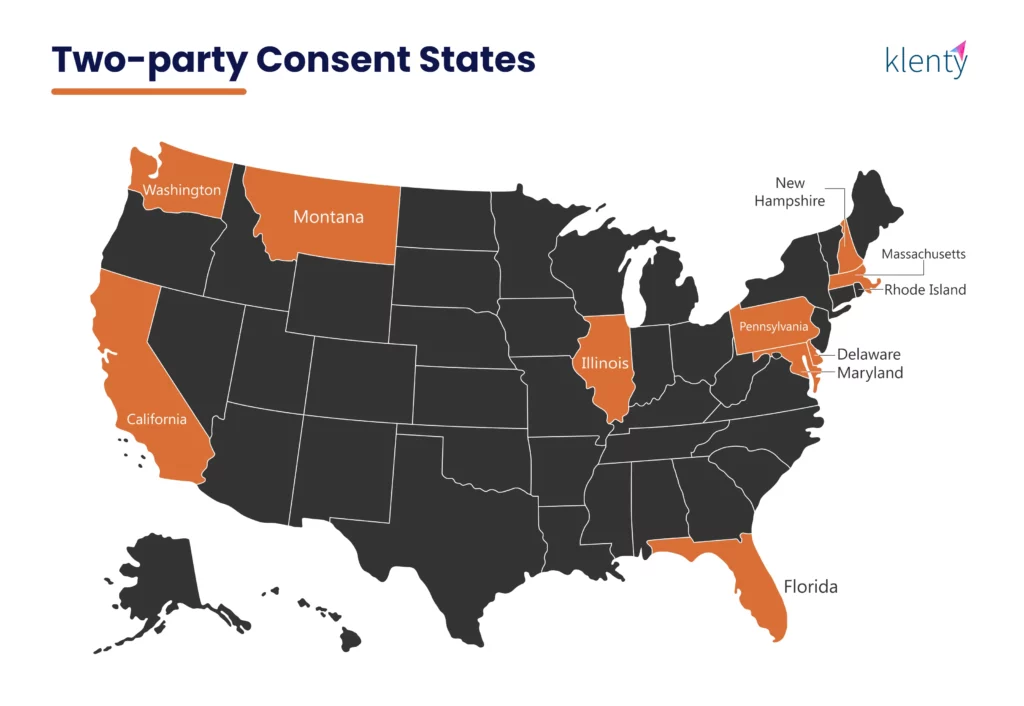
Understanding Consent Laws in the United States
The United States has a patchwork of laws governing the recording of conversations, primarily falling into two distinct categories: one-party consent and two-party consent. The distinction lies in the number of parties to a conversation who must agree to its recording.
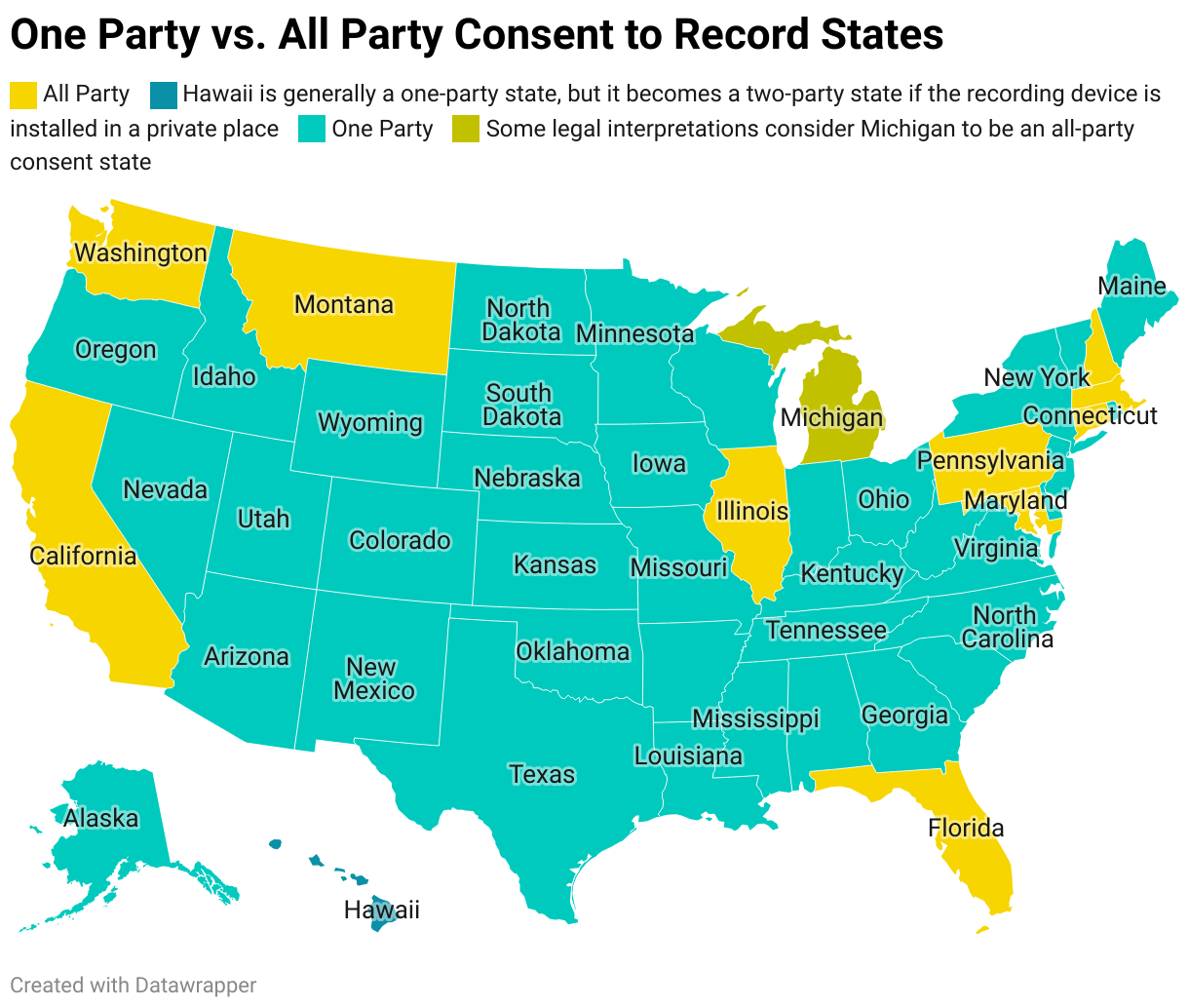
One-Party Consent States
In states that adhere to a one-party consent law, only one individual involved in a conversation needs to grant permission for it to be legally recorded. This individual can be the person doing the recording or any other participant in the dialogue. This approach prioritizes the ability of individuals to document their interactions, offering a degree of personal record-keeping. Many states across the nation operate under this principle, making it generally permissible to record conversations as long as you are a party to that conversation.
Two-Party Consent States
Conversely, two-party consent states require that all parties to a conversation must consent to its recording. If even one participant is unaware or has not given their explicit permission, recording that conversation is illegal. This model emphasizes privacy and the right of all individuals to know if their words are being captured. These states often have stricter regulations surrounding electronic surveillance and communication interception.
Texas Law on Recording Conversations
The question of whether Texas falls under the umbrella of one-party or two-party consent has significant implications for anyone interacting within its jurisdiction. To address this definitively, we must examine the relevant statutes.
Texas Statutes and Interpretation
Texas has codified its laws regarding the interception of communications. The primary statute in question is typically found within the state’s Penal Code. Through legislative action and subsequent judicial interpretation, Texas has established its stance on this matter.
The key takeaway is that Texas operates under a one-party consent standard. This means that it is legal to record a conversation in Texas if at least one person involved in the conversation consents to the recording. Crucially, the person initiating the recording can be that consenting party.
This aligns Texas with a majority of states in the U.S. that permit such recordings under these conditions. It is important to note that this applies to conversations where there is a reasonable expectation of privacy. Recording conversations in public places where there is no expectation of privacy is generally not subject to these consent laws.
Practical Implications for Travelers in Texas
For visitors to Texas, the one-party consent rule has several practical implications, especially in common travel scenarios.
Business Meetings and Negotiations
When conducting business in cities like Dallas, Houston, or Austin, business professionals may find themselves in situations where recording meetings is beneficial for accuracy and review. Under Texas law, if you are part of the meeting, you can legally record it without explicitly informing all other participants, provided you are a consenting party. However, ethical considerations and company policies might dictate broader disclosure. It’s always advisable to check internal company guidelines before recording.
Tourist Interactions and Personal Experiences
While exploring attractions such as the Alamo in San Antonio or enjoying the vibrant nightlife of Austin, travelers might wish to record conversations with guides, vendors, or travel companions. As long as the traveler is part of the conversation, they can legally record it. This can be useful for capturing memories, gathering information, or documenting experiences.
Hotel Stays and Resort Activities
When staying at a resort like the Gaylord Texan Resort & Convention Center or a boutique hotel in a city like Fort Worth, conversations within private rooms or during activities are also subject to the one-party consent rule. If you are a participant in the conversation, you can record it. This might be relevant for documenting service interactions or discussing travel plans with companions.
Considerations Beyond Legal Compliance
While Texas law permits one-party consent for recording, it’s crucial to remember that legal permissibility does not always equate to ethical or socially acceptable behavior.
Ethical Considerations
Even though it is legal, informing others that you are recording a conversation can foster transparency and respect. In many professional or sensitive personal situations, announcing the recording demonstrates consideration for the other parties’ privacy and consent. Building trust is often paramount, and surprise recordings can erode that trust.
Situational Awareness and Expectations of Privacy
The concept of “reasonable expectation of privacy” is central to recording laws. In public spaces like crowded streets or parks, or in open-plan offices, there is generally no expectation of privacy, and recording conversations is less likely to be an issue. However, in private settings like hotel rooms, personal residences, or during confidential business discussions, the expectation of privacy is higher, making consent laws more critical.
Recording Specific Types of Communications
It’s important to distinguish between recording face-to-face conversations and other forms of communication. While Texas has clear rules for in-person dialogues, laws concerning the recording of phone calls or electronic communications might have additional nuances. Federal law, for instance, also has its own consent requirements, and travelers should be aware that if a conversation spans across state lines, both federal and state laws may apply. For phone calls, if you are calling someone in a two-party consent state from Texas, the laws of the other state might take precedence, requiring two-party consent.
Consequences of Non-Compliance
Failing to comply with consent laws, even inadvertently, can lead to legal repercussions. These can include civil lawsuits seeking damages, and in some jurisdictions, criminal charges. While Texas is a one-party consent state, engaging in recording practices in other states during your travels could expose you to their specific legal frameworks. Therefore, it is always prudent to be aware of the laws of the jurisdiction where a conversation is taking place.
Researching Specific Scenarios and Seeking Legal Advice
While this article provides a general overview of Texas recording laws, specific situations can be nuanced.
Travel-Related Scenarios
Travel often involves diverse interactions. If you are planning a trip that includes multiple states, understanding the varying consent laws is vital. For example, if you are visiting New York (a two-party consent state) after Texas, you must adhere to New York’s stricter requirements for any recordings made there. Similarly, while visiting attractions like Space Center Houston, interactions with staff or other visitors should be considered within the context of Texas law.
Professional Engagements
For professionals attending conferences in cities like San Antonio or participating in business retreats at venues such as The Ritz-Carlton, Dallas, understanding consent laws is critical for maintaining professional integrity and avoiding legal pitfalls. While the one-party consent rule might allow for recordings, internal company policies or contractual agreements might impose additional requirements.

When in Doubt, Consult an Expert
The legal landscape surrounding electronic communications and recordings can be intricate. If you have any doubts about the legality of recording a specific conversation in Texas or any other jurisdiction, it is always best to seek advice from a qualified legal professional. An attorney specializing in privacy law or telecommunications can provide tailored guidance based on your specific circumstances and the evolving legal interpretations. This proactive approach can prevent potential legal issues and ensure peace of mind during your travels and interactions.
LifeOutOfTheBox is a participant in the Amazon Services LLC Associates Program, an affiliate advertising program designed to provide a means for sites to earn advertising fees by advertising and linking to Amazon.com. Amazon, the Amazon logo, AmazonSupply, and the AmazonSupply logo are trademarks of Amazon.com, Inc. or its affiliates. As an Amazon Associate we earn affiliate commissions from qualifying purchases.