
The notion of nurses practicing across state lines has been revolutionized by interstate compacts, fundamentally altering the landscape of professional mobility. For registered nurses (RNs) and other licensed healthcare professionals, understanding these agreements is crucial for career advancement and personal relocation. At the forefront of this discussion is the Nurse Licensure Compact (NLC), a multistate licensing system that allows nurses to hold one multistate license, with the ability to practice in any other NLC member state. This article delves into the specifics of whether Texas is a participant in this vital compact, exploring the implications for nursing professionals seeking to practice within the Lone Star State.

Understanding the Nurse Licensure Compact (NLC)
The NLC is an interstate agreement that allows nurses to have a single multistate license issued by their primary state of residence. This license enables them to practice in any other NLC member state without needing to obtain additional licenses in each new jurisdiction. The compact streamlines the licensing process, making it easier for nurses to move for personal reasons, accept travel nursing assignments, or work in areas with critical nursing shortages.
Key Principles of the NLC
The NLC operates on several core principles designed to ensure public safety and facilitate professional mobility:
- Primary State of Residence: A nurse obtains a multistate license in the state where they claim their legal residence. This state is responsible for issuing and renewing the license.
- Uniform Licensure Requirements: All NLC member states adhere to the same standards for education, examination, and background checks when issuing a multistate license. This uniformity ensures that nurses are qualified to practice across state borders.
- Accountability: If a nurse violates the practice laws of any NLC state, disciplinary action can be taken against their multistate license, regardless of where the violation occurred. This promotes accountability and protects the public in all member states.
- Information Sharing: Member states are required to share relevant information, such as disciplinary actions, with each other to maintain a comprehensive understanding of a nurse’s professional history.
Benefits for Nurses
The NLC offers significant advantages for nurses:
- Increased Mobility: Nurses can easily transition between jobs in different states without the lengthy and costly process of obtaining new licenses. This is particularly beneficial for travel nurses and those who relocate frequently.
- Career Opportunities: Access to a wider range of job opportunities in NLC states, allowing nurses to explore diverse healthcare settings and specializations.
- Reduced Costs: Eliminates the fees associated with applying for multiple state licenses, saving nurses money.
- Simplified Practice: Streamlines the process of working remotely or taking on temporary assignments in other states.
Texas and the Nurse Licensure Compact
The critical question for many nursing professionals considering a move to or from Texas is its status within the NLC framework. For a long time, Texas was not a member of the NLC, creating a significant barrier for nurses who wished to practice in the state without obtaining a separate Texas license, or for Texas-based nurses looking to practice elsewhere. This meant that nurses licensed in other compact states would need to go through the full application process to practice in Texas, and conversely, nurses holding a Texas license would need to acquire licenses in other NLC states if they wished to practice there.
The Journey to NLC Membership
The absence of Texas from the NLC was a point of contention and a frequent topic of discussion within the nursing community and among healthcare policy advocates in the state. Many argued that Texas‘s exclusion hindered the recruitment of nurses, especially during times of high demand, and limited the career flexibility of its own nursing workforce. The process of joining an interstate compact like the NLC typically involves legislative action within the state. Bills must be introduced, debated, and passed by the state legislature before the governor can sign them into law, formally admitting the state into the compact.
Current Status of Texas in the NLC
As of recent updates, Texas has officially joined the Nurse Licensure Compact. This momentous decision was enacted, bringing the Lone Star State into alignment with the majority of other U.S. states that are part of this crucial agreement. The implications of this change are profound for the nursing profession within Texas and for nurses across the nation seeking to practice in Texas.
The legislation allowing Texas to join the NLC was passed, and the state has since transitioned to implementing the multistate licensing system. This means that nurses who declare Texas as their primary state of residence can now apply for a Texas multistate license, allowing them to practice in all other NLC member states. Conversely, nurses holding a multistate license from another NLC state, and who establish residency in Texas, can now practice in Texas without needing a separate, single-state license.
Implications for Nurses Practicing in Texas
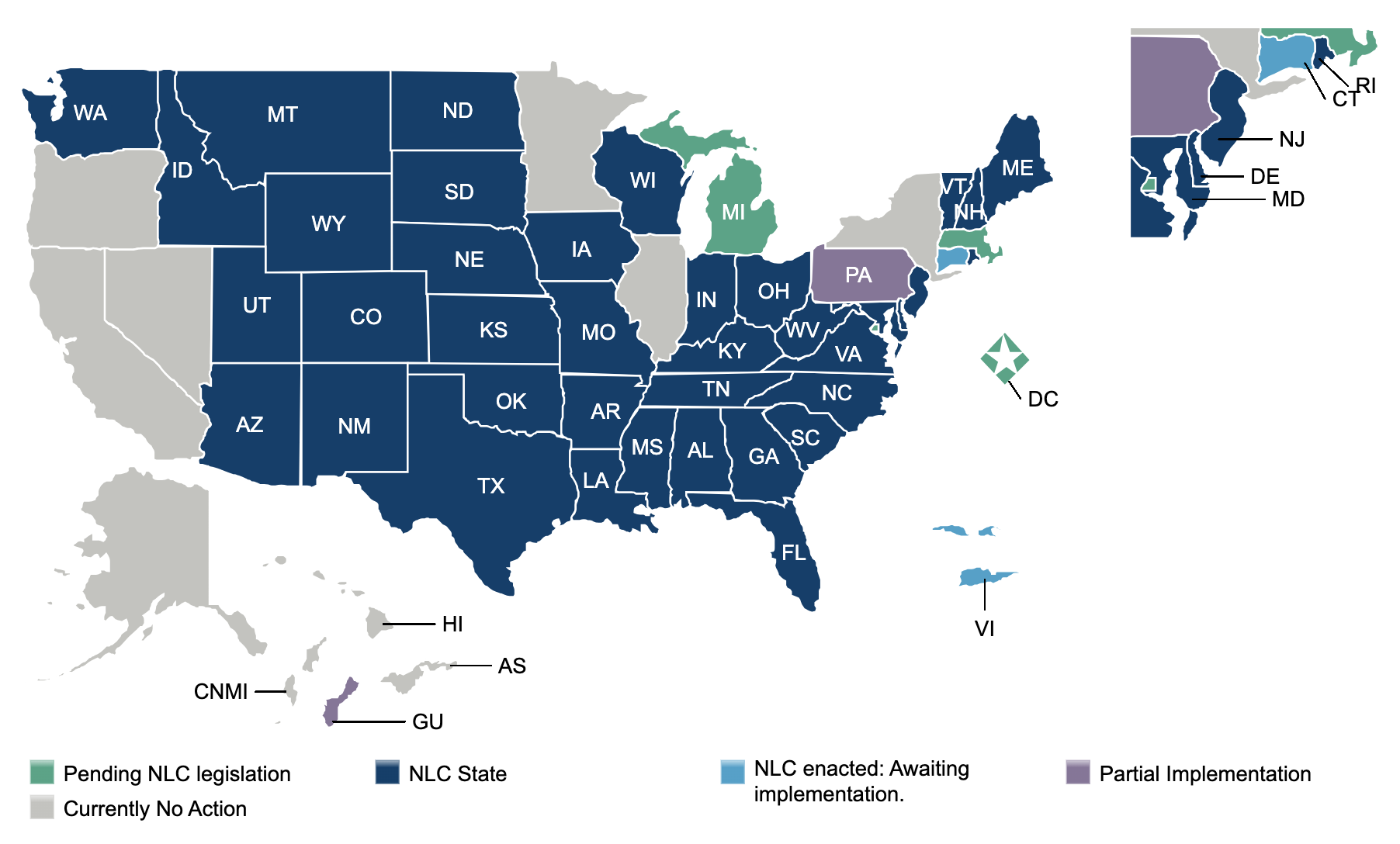
The inclusion of Texas in the NLC brings a wave of new opportunities and considerations for nursing professionals. This shift is poised to impact various aspects of nursing practice, recruitment, and retention within the state.
For Nurses Relocating to Texas
Nurses who are already licensed in another NLC member state and are considering moving to Texas will find the transition significantly smoother. Once they establish their legal residency in Texas, they can apply to convert their existing multistate license to a Texas multistate license. This eliminates the need for a separate, potentially time-consuming and expensive, application process for a Texas-only license. The ability to practice in Texas with their existing multistate license streamlines their integration into the Texas healthcare system.
For Texas-Based Nurses
Similarly, nurses holding a Texas license who wish to relocate to another NLC state or take on travel nursing assignments in compact states will benefit immensely. They will no longer need to apply for individual licenses in each new state. By ensuring their primary state of residence remains Texas, they can leverage their existing multistate license to practice across the compact. This broadens their career horizons and offers greater flexibility in choosing where and how they want to work.
Impact on Travel Nursing
The NLC is a cornerstone of the travel nursing industry. By joining the compact, Texas now opens its doors wider to travel nurses from other NLC states and, in turn, makes Texas a more attractive destination for nurses looking to become travel nurses. This influx of skilled professionals can help address staffing needs in various healthcare facilities across Texas, from major metropolitan hospitals in Dallas and Houston to rural clinics in West Texas. For travel nursing agencies, Texas‘s membership simplifies the process of deploying nurses to assignments within the state.
Recruitment and Retention
The addition of Texas to the NLC is expected to have a positive impact on nursing recruitment and retention efforts. For hospitals and healthcare systems in Texas, it means access to a larger pool of qualified nurses who can practice in the state without the initial licensing hurdles. This can be particularly beneficial in addressing shortages in specialized areas or in underserved regions. For nurses, the enhanced mobility and career flexibility offered by the compact make Texas a more appealing place to practice and build a career.
Navigating the Transition and Future Considerations
While Texas‘s entry into the NLC is a significant development, it’s important for nurses to understand the nuances of the transition and to stay informed about any evolving regulations or processes.
Understanding Primary State of Residence
The concept of “primary state of residence” is central to the NLC. Nurses must declare their legal home state, and this is where their multistate license will be issued and maintained. This means establishing legal residency, which typically involves factors like where you vote, pay taxes, and hold a driver’s license. Nurses should carefully review the requirements for establishing primary residency in Texas if they intend to obtain a Texas multistate license.
Licensing Board and Procedures
The Texas Board of Nursing is the official body responsible for overseeing nursing licensure in the state. As Texas fully integrates into the NLC, the Board will be implementing the necessary procedures and systems to manage multistate licenses. Nurses should consult the official website of the Texas Board of Nursing for the most up-to-date information on application processes, fees, and any specific requirements related to the NLC.
Continued Evolution of the NLC
The NLC is not a static agreement. It is periodically reviewed and updated to address the evolving needs of the nursing profession and the healthcare system. As Texas becomes more integrated into the compact, it will participate in these discussions and contribute to the future direction of multistate licensure. Nurses should remain aware of any amendments or changes to the NLC that might affect their practice across state lines.
The inclusion of Texas in the Nurse Licensure Compact is a landmark event, simplifying and enhancing the practice of nursing for professionals across the nation. It underscores a commitment to facilitating the movement of skilled healthcare workers, ultimately benefiting patients and the healthcare system as a whole.
LifeOutOfTheBox is a participant in the Amazon Services LLC Associates Program, an affiliate advertising program designed to provide a means for sites to earn advertising fees by advertising and linking to Amazon.com. Amazon, the Amazon logo, AmazonSupply, and the AmazonSupply logo are trademarks of Amazon.com, Inc. or its affiliates. As an Amazon Associate we earn affiliate commissions from qualifying purchases.