
Navigating the vast landscape of Texas can be an adventure in itself, and understanding its temporal geography is a crucial, albeit often overlooked, aspect of planning your visit. The Lone Star State’s considerable size and unique history have led to a fascinating division when it comes to time zones. The question of whether Texas falls under Eastern Time or Central Time isn’t as straightforward as a simple yes or no; it depends on where you are within the state. This exploration delves into the temporal divisions of Texas, offering clarity for travelers, business professionals, and anyone seeking to synchronize their watches with the Lone Star State.
Understanding Time Zones in the United States
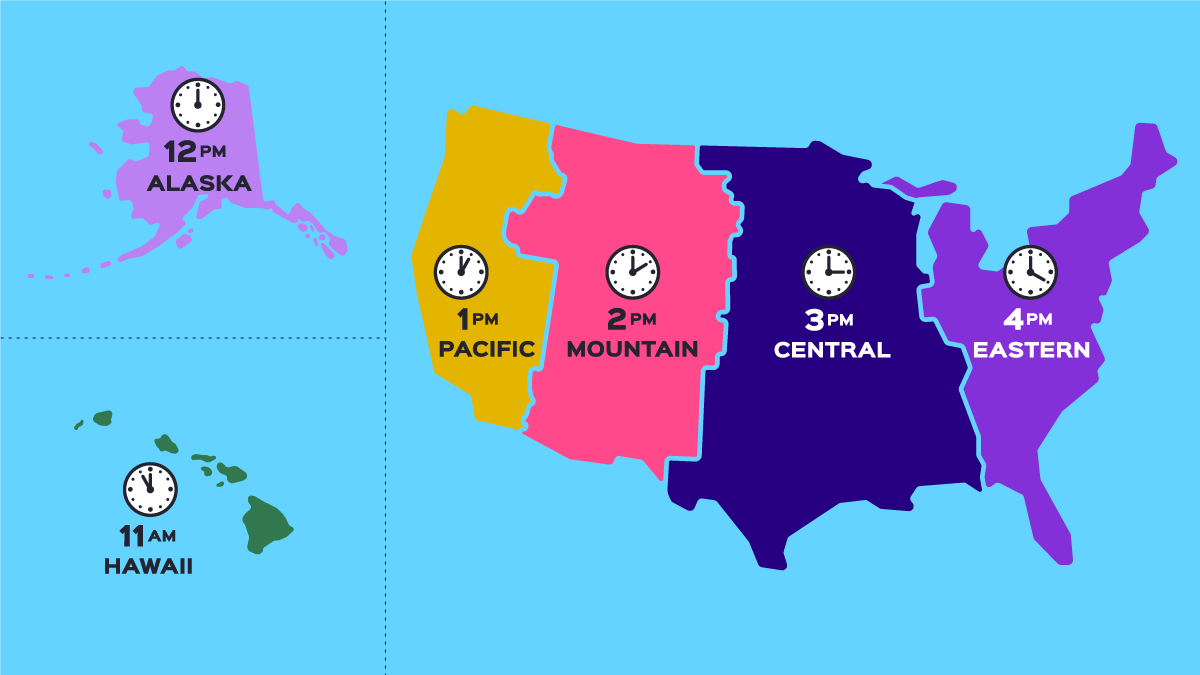
Before pinpointing Texas’s specific situation, it’s helpful to grasp the broader context of time zones in the United States. The U.S. is divided into several standard time zones, each covering a longitudinal band of the country. These include Pacific Time, Mountain Time, Central Time, and Eastern Time. In addition, Hawaii and Alaska observe their own respective time zones.
The primary purpose of these zones is to standardize time across regions, making scheduling, communication, and commerce more efficient. Historically, time zones were established to accommodate the sun’s apparent movement across the sky, ensuring that noon generally corresponds to the sun’s highest point.
The Role of Daylight Saving Time
It’s also important to consider Daylight Saving Time (DST), which is observed by most of the U.S. During DST, clocks are advanced by one hour in the spring and set back by one hour in the fall. This practice aims to make better use of daylight during warmer months. The application of DST can add another layer of complexity when determining the current time in a specific location. However, the fundamental question for Texas revolves around its standard time zone designation.
Texas: A Tale of Two Time Zones
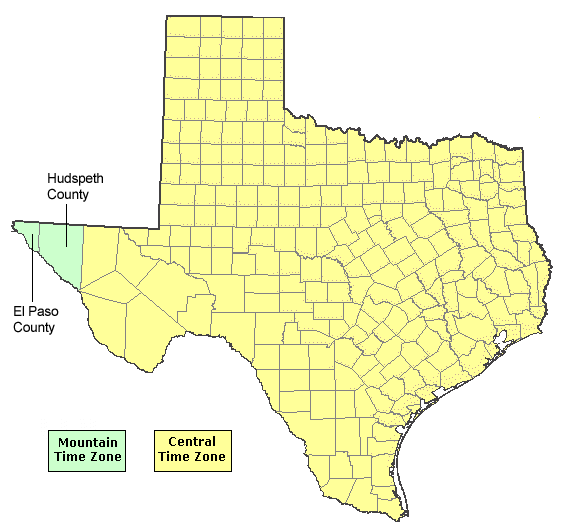
The answer to “Is Texas Eastern or Central Time?” is predominantly Central Time. The vast majority of the state, encompassing major metropolitan areas like Houston, Dallas, San Antonio, and Austin, operates on Central Standard Time (CST) and observes Central Daylight Time (CDT). This includes most of the state’s population and its key economic hubs.
However, there’s a notable exception: a small portion of West Texas, primarily Hudspeth County and a few surrounding areas near the New Mexico border, observes Mountain Time. This temporal anomaly is a relic of historical jurisdictional decisions and geographical proximity to neighboring states that are predominantly in the Mountain Time Zone.
Eastern Influence: An Unlikely Scenario
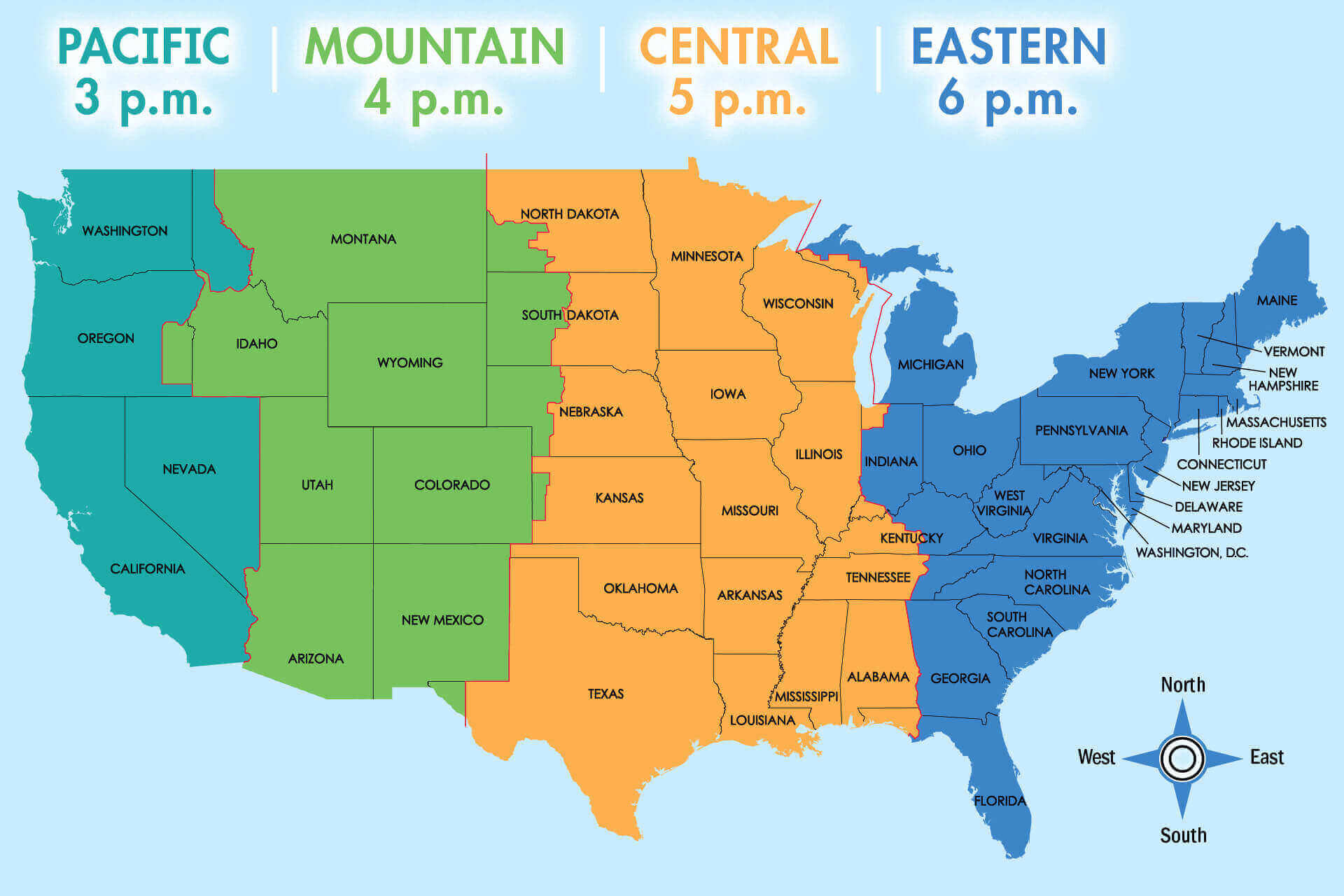
While overwhelmingly Central Time, it’s worth noting that Texas does not observe Eastern Time. The state’s eastern border is well within the geographical boundaries of the Central Time Zone. States to the east of Texas, such as Louisiana, Arkansas, Oklahoma (largely), and the majority of the Midwest, are on Central Time. To the east of those, you’ll find the Eastern Time Zone, encompassing states like Illinois, Indiana, Ohio, and Florida. Therefore, any expectation of Texas being on Eastern Time is incorrect.
Practical Implications for Travelers and Businesses
Understanding Texas’s time zone division is not merely an academic exercise; it has tangible implications for anyone visiting or conducting business within the state.
Planning Your Itinerary
For tourists, knowing the time zone can be crucial for scheduling activities, booking tours, and making reservations. If you’re flying into a major Texas airport like Dallas/Fort Worth International Airport or George Bush Intercontinental Airport in Houston, you’ll be operating on Central Time. However, if your travels take you to the far western reaches of the state, particularly areas bordering El Paso, you might find yourself in a Mountain Time zone. This is especially relevant if you’re visiting places like Guadalupe Mountains National Park or the small communities around it.
For example, if you’re driving from Oklahoma City (Central Time) to El Paso (Mountain Time), you will need to adjust your clock back by one hour upon entering the Mountain Time Zone. Conversely, if you are driving from a Mountain Time location in New Mexico to West Texas, you will need to adjust your clock forward. The vast majority of tourist attractions, hotels, and popular destinations within Texas are located in the Central Time Zone.
Business and Communication
In the business world, temporal synchronization is paramount. Companies operating across different regions of Texas must be mindful of the time zone differences, especially for internal communications, conference calls, and client meetings. A business operating out of Dallas will need to ensure that its communication with a business partner in a small town in Hudspeth County accounts for the one-hour difference. This is particularly important for industries that rely on just-in-time delivery, synchronized trading, or real-time customer service.
For industries such as energy, agriculture, and manufacturing, which are significant in Texas, adhering to precise scheduling is critical. Mismanaging time zones can lead to costly delays, missed opportunities, and operational inefficiencies. When scheduling teleconferences or webinars, participants from different parts of the state should always confirm the time zone to avoid confusion.
Technology and Mobile Devices
Fortunately, modern technology has made managing time zone differences significantly easier. Most smartphones and smartwatches automatically adjust to the local time zone when you travel or when network providers update them. However, it’s always prudent to double-check, especially when arriving in a new region or if you’ve manually set your time. Businesses often use scheduling software that can automatically account for different time zones, but human oversight remains essential.
Navigating West Texas: The Mountain Time Anomaly
The exception to Texas’s Central Time rule is a small, sparsely populated region in West Texas. This area includes Hudspeth County and a few adjacent counties. This region observes Mountain Time, putting it in sync with neighboring states like New Mexico and Colorado.
Historical Context
The reasons behind this temporal division are rooted in historical development and practical considerations. As the western frontier was settled, time zones were often established based on railway lines and local economic ties. In this instance, the communities in this particular part of West Texas found it more practical to align with the time zone of nearby larger population centers and transportation hubs in Mountain Time. El Paso, a major city in this region, is firmly in the Mountain Time Zone, and this has influenced the timekeeping of the surrounding areas.
What This Means for Visitors
If your travels are focused on destinations like the Alamo, Galveston Island, or the Texas Hill Country, you will undoubtedly be in the Central Time Zone. However, if your itinerary includes venturing into the extreme western tip of the state, particularly towards the border with New Mexico and the Chihuahua Desert, be aware that you might be crossing into Mountain Time. This is a relatively small geographic area, and most tourists will not encounter this distinction. However, for those on an extensive road trip or exploring remote areas, it’s a detail worth noting.
Conclusion: A State of Temporal Duality
In summary, while the overwhelming majority of Texas operates on Central Time, a small pocket of West Texas adheres to Mountain Time. For most visitors and residents, navigating Texas means operating within the framework of Central Time. This temporal division, while subtle, highlights the diverse geographical and historical influences that shape even the most fundamental aspects of life in the Lone Star State. Whether you’re planning a trip to explore the vibrant culture of Austin, the historic sites of San Antonio, or the sprawling ranches of West Texas, a basic understanding of its time zones will ensure a smoother and more enjoyable experience. Always remember to check local time if your travels take you to the far western edges of this vast and captivating state.
LifeOutOfTheBox is a participant in the Amazon Services LLC Associates Program, an affiliate advertising program designed to provide a means for sites to earn advertising fees by advertising and linking to Amazon.com. Amazon, the Amazon logo, AmazonSupply, and the AmazonSupply logo are trademarks of Amazon.com, Inc. or its affiliates. As an Amazon Associate we earn affiliate commissions from qualifying purchases.