
Imagine a dessert that defies the laws of thermodynamics, a spectacular confection where frozen ice cream and hot meringue coexist in perfect harmony. This is the magic of Baked Alaska, a dessert that is as much a showstopper as it is a culinary delight. For travelers, food enthusiasts, and those with a penchant for luxurious experiences, understanding what a Baked Alaska truly is, where it comes from, and where to savor it becomes an integral part of a global culinary journey. More than just a dish, it’s a piece of gastronomic history, a symbol of celebratory occasions, and a testament to human ingenuity in the kitchen.
A Culinary Masterpiece: Unpacking the Layers of Baked Alaska
At its core, a Baked Alaska is a dessert composed of ice cream, sponge cake (or sometimes another type of cake base), and a generous topping of meringue, all briefly baked at a high temperature. The magic lies in the meringue’s insulating properties, which prevent the ice cream from melting even as its exterior browns to a golden crisp. It’s a paradox on a plate, a delightful contradiction that has captivated diners for centuries.
The Anatomy of a Classic Baked Alaska
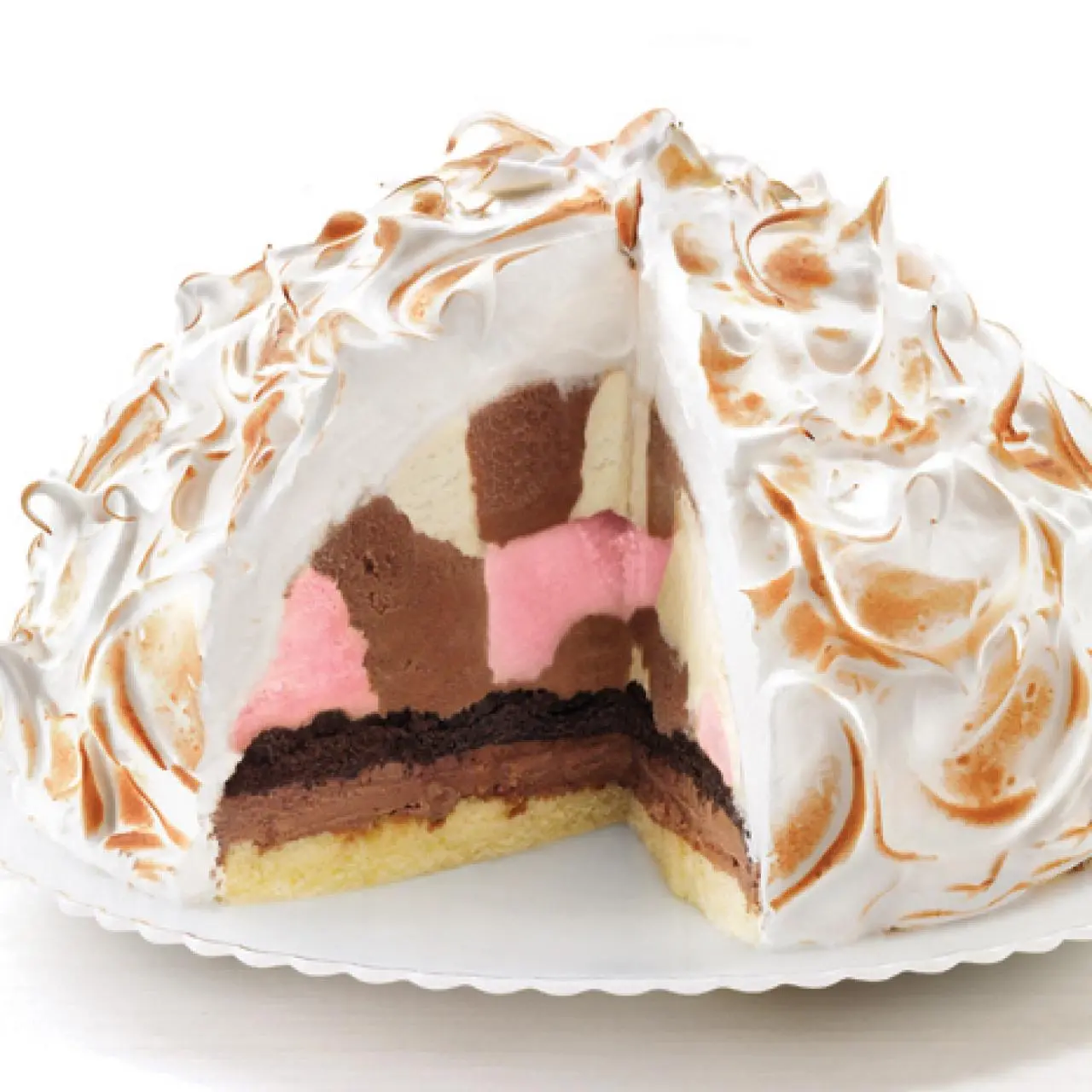
A classic Baked Alaska is usually constructed in several distinct layers. The foundation is typically a thin slice of sponge cake, providing a light, airy base that can absorb any minimal melting. On top of this, a mound of ice cream is placed. While vanilla is the traditional choice, modern interpretations often feature a medley of flavors, from rich chocolate to tangy fruit sorbets, or even multiple layers of different ice creams. The key is that the ice cream is well-frozen, almost rock-solid, before assembly.
The entire structure is then encased in a thick layer of meringue. This can be a French, Swiss, or Italian meringue, with Italian meringue often preferred for its stability and silky texture, made by slowly pouring hot sugar syrup into whipping egg whites. The meringue is piped artfully, often in decorative peaks and swirls, creating a visually stunning presentation. It’s this cloud-like blanket of meringue that serves as the crucial insulator, protecting the frozen core. The sweetness of the meringue perfectly complements the richness of the ice cream and the subtle cake base, creating a symphony of textures and flavors in every spoonful. When planning a trip to a city known for its vibrant culinary scene, such as New York City or Paris, seeking out a restaurant that features a classic Baked Alaska can be a highlight of your travel experience.
The Fiery Spectacle: Why it’s Called “Baked”
The “baked” part of Baked Alaska refers to the brief but intense blast of heat it receives, usually in a very hot oven or, more dramatically, through the use of a blowtorch. This high heat caramelizes the outer layer of the meringue, turning it a beautiful golden brown and creating a slightly crispy shell. Crucially, the short duration of this heating process, combined with the meringue’s excellent insulating properties, prevents the ice cream from liquefying. The trapped air within the meringue creates a barrier against the heat, allowing the dessert to emerge from the oven seemingly unscathed in its frozen core.
The most theatrical presentation often involves drizzling the dessert with a high-proof liquor, such as rum or brandy, and then igniting it tableside. This flaring spectacle, known as flambéing, adds an element of drama and excitement to the dining experience, making it a favorite for celebrations and special occasions. Witnessing a Baked Alaska being flambéed at a luxurious resort or a historic restaurant is an experience in itself, a moment that encapsulates the grandeur of fine dining and the thrill of culinary performance. It’s a sensory journey, from the visual appeal of the golden meringue and dancing flames to the contrast of cold and hot on the palate, and the subtle aroma of toasted sugar and spirits. For travelers who appreciate unique dining experiences, this makes a Baked Alaska a must-try, especially in destinations renowned for their sophisticated cuisine.
A Rich History: Tracing Baked Alaska’s Origins and Global Journey
The story of Baked Alaska is as layered as the dessert itself, with various claims to its origin, reflecting a fascinating journey through culinary history and geographical nomenclature. Its invention is often debated between two major culinary capitals, linking it to scientific discovery and international diplomacy.
New York, Paris, and Beyond: Debating its Birthplace
One of the most widely accepted narratives credits the United States with the dessert’s creation. The legendary Delmonico’s Restaurant in New York City is often cited as the birthplace, specifically in 1876, to commemorate the acquisition of Alaska from Russia in 1867. The restaurant’s then-head chef, Chef Charles Ranhofer, is said to have named his creation “Alaska-Florida” (or “Baked Alaska”) in reference to the thermal contrast of the dessert, symbolizing the icy frontier of Alaska and the sunny warmth of Florida. The earliest reference to a dish with a similar concept, however, dates back to the late 18th century, attributed to Count Rumford, an American-born British physicist and inventor, who studied the insulating properties of beaten egg whites. His “omelette surprise” experimented with baking ice cream inside a meringue shell, showcasing the scientific principle that would underpin the Baked Alaska. The Smithsonian Institution in Washington D.C. holds various historical culinary records that occasionally shed light on such gastronomic evolutions.
However, France also lays claim to a similar dessert, known as “Omelette Norvégienne” (Norwegian Omelette). This version, thought to have been created in Paris around the same time or slightly earlier, possibly by Chef Auguste Escoffier at the Grand Hotel or the Savoy Hotel in London, reflects a similar construction of ice cream encased in meringue and browned. The “Norwegian” reference, much like Alaska, alludes to the cold climate and frozen landscapes, emphasizing the dessert’s inherent temperature contrast. Regardless of its precise origin, the Baked Alaska rapidly became a global sensation, finding its way into the cookbooks and menus of grand hotels, luxury cruise ships, and fine dining establishments across continents. Its journey from a scientific curiosity to a beloved dessert reflects its universal appeal and the ingenuity of chefs who mastered its unique preparation.
Culinary Innovations and Modern Interpretations
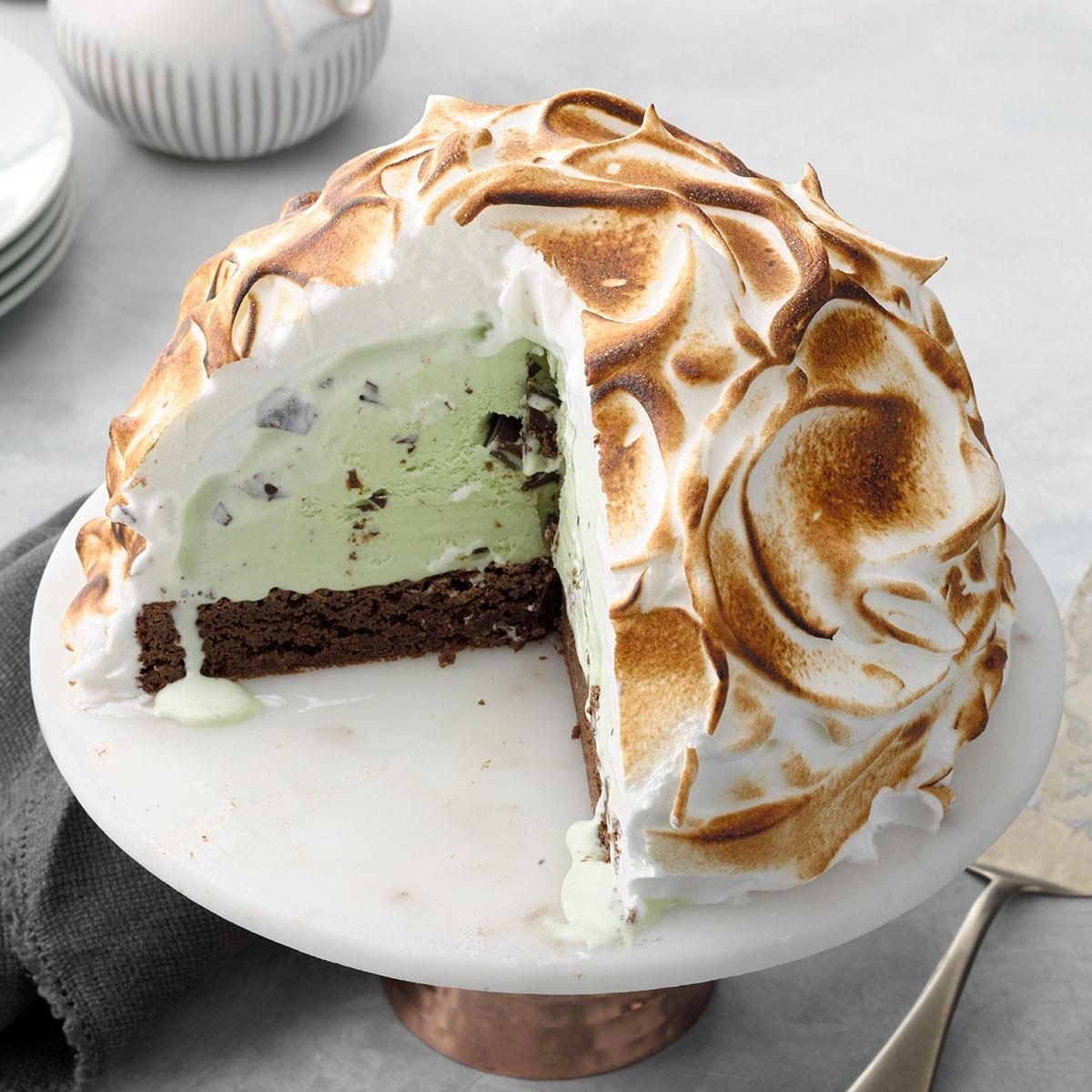
Over the decades, Baked Alaska has evolved, with chefs worldwide introducing creative twists and contemporary interpretations. While the core concept of ice cream, cake, and meringue remains, the flavors, shapes, and presentation have become increasingly diverse. Instead of traditional sponge cake, one might find a brownie base, a financier, or even a genoise. The ice cream itself has seen a revolution, with artisan gelatos, exotic sorbets, and inventive flavor combinations replacing simple vanilla. Imagine a matcha green tea ice cream with a black sesame cake base, or a tropical mango sorbet with coconut cake, all nestled under a torched meringue.
Chefs at renowned establishments like the Waldorf Astoria or The Plaza Hotel continue to experiment, presenting miniature individual Baked Alaskas or even deconstructed versions that play with the traditional elements. Some modern interpretations incorporate liquid nitrogen for a dramatic freezing effect, or infuse the meringue with unexpected flavors like citrus zest or spices. These innovations keep the classic dessert relevant and exciting, ensuring its place on haute cuisine menus. For luxury travelers and foodies, seeking out these modern interpretations at high-end resorts and Michelin-starred restaurants is an adventure in itself, showcasing the continuous evolution of culinary arts within the hospitality sector. Many hotels that cater to a global clientele will feature a Baked Alaska on their dessert menu, often with a unique local twist, making it a delicious way to experience both global luxury and regional flair.
Experiencing Baked Alaska Around the World: A Traveler’s Delight
For the culinary traveler, savoring a Baked Alaska is more than just eating a dessert; it’s an immersive experience that often comes with a story, a specific ambiance, and a sense of place. From historic dining rooms to bustling cruise ship galleys, this iconic dessert has left its mark on diverse dining landscapes.
Iconic Establishments and Must-Visit Destinations
To truly appreciate the grandeur of a Baked Alaska, one must seek out the establishments that have perfected its craft and maintained its legacy. In the United States, New Orleans is another city with a strong connection to the dessert, with legendary restaurants like Commander’s Palace and Brennan’s Restaurant offering their own celebrated versions, often incorporating local flavors like bananas or pecans. These historic dining rooms provide an authentic glimpse into American culinary heritage, pairing the dessert with rich Southern hospitality.
Across the Atlantic, in London, prestigious hotels and restaurants like the Savoy Hotel continue to serve this classic with elegance and precision, reflecting the city’s enduring appreciation for traditional luxury. In Paris, while the “Omelette Norvégienne” might be its more recognized moniker, numerous patisseries and fine dining establishments uphold the tradition of this magnificent dessert, often with an unmistakable French finesse. Exploring these culinary landmarks is a journey for the senses, combining gourmet food with rich history and sophisticated ambiance. A visit to these establishments offers more than just a meal; it’s a dive into the local culture and an experience of unparalleled service and refined taste.

Beyond these traditional strongholds, you might encounter surprising renditions in places like Tokyo or Sydney, where global culinary trends blend with local ingredients and artistic presentations. High-end hotel chains such as The Ritz-Carlton, Four Seasons Hotel, and The Peninsula worldwide often feature a Baked Alaska on their dessert menus, guaranteeing a consistently high-quality experience regardless of the destination. From Australia’s vibrant dining scene in Melbourne to the cosmopolitan flair of [Singapore](https://lifeoutofthebox.com/singapore]’s The Fullerton Hotel, or the luxurious settings in Hong Kong’s Mandarin Oriental, the Baked Alaska remains a testament to global culinary sophistication. Even in Dubai, at an iconic resort like the Burj Al Arab, you might encounter a rendition that reflects the opulent tastes of the region.
From Fine Dining to Cruise Ships: Where to Savor This Dessert
The allure of Baked Alaska isn’t confined to land-based restaurants. It has a long and storied history as a staple on luxury cruise lines, where it continues to be a highlight of formal nights and celebratory dinners. Aboard vessels from operators like Carnival Cruise Line, Royal Caribbean, or the venerable Cunard Line, the Baked Alaska often makes a grand entrance, paraded through dining rooms before being served. This tradition dates back to the golden age of ocean travel, where dining was a central part of the onboard experience, epitomized by ships like the S.S. United States.
For those embarking on a cruise, partaking in a Baked Alaska is an essential part of the vacation experience, linking modern travel with a nostalgic sense of maritime luxury. Beyond the high seas, this dessert finds its way into various culinary settings tailored for different travel lifestyles. From exclusive ski resorts in Switzerland like Zermatt or St. Moritz, where grand hotels like the Grand Hotel Zermatterhof or Badrutt’s Palace Hotel serve it as a warming, yet refreshing, end to a day on the slopes, to tropical getaways in Miami or Hawaii. At iconic establishments such as the Fountainbleau Miami Beach or The Breakers Palm Beach, or even at The Royal Hawaiian in Honolulu‘s Waikiki beach, the Baked Alaska, perhaps with a tropical fruit ice cream, offers a delightful contrast to the warm climate. Its versatility makes it suitable for both snowy retreats and sun-drenched beaches, proving its global appeal and adaptability.
Beyond the Plate: Baked Alaska as a Cultural Icon
More than just a dessert, Baked Alaska holds a significant place in popular culture, symbolizing extravagance, culinary skill, and the joy of celebration. It is often featured in films, television shows, and literature as a marker of special occasions or high-end dining, further cementing its status as an iconic treat.
Pairing with Travel Experiences and Local Cuisine
For travelers, the Baked Alaska can be an unexpected bridge to understanding local culinary traditions and the influences that have shaped them. While its origins are debated, its presence on menus worldwide speaks to a globalized palate and the interconnectedness of culinary history. For instance, in Italy, a country celebrated for its gelato, a Baked Alaska might feature local fruit sorbets or pistachio gelato, offering a delightful fusion of a classic dessert with regional flavors. In Japan, particularly in upscale hotels in Tokyo, you might find a Baked Alaska infused with delicate Japanese flavors, showcasing a beautiful blend of East and West.
When you book a stay at a luxury hotel, particularly one with a renowned culinary program, investigating their dessert menu for a Baked Alaska can be a way to gauge the establishment’s commitment to classic techniques and innovative presentations. It’s a dessert that demands skill and precision, and its presence on a menu often signifies a kitchen that takes pride in its craft. For those embarking on a culinary tour or seeking a luxury travel experience, trying a Baked Alaska in different cities and countries offers a unique lens through which to explore diverse culinary landscapes and the nuances of regional ingredients. It adds another layer to the travel experience, turning a simple meal into a memorable cultural encounter.
A Symbol of Celebration and Grandeur
From its dramatic flambé presentation to its rich history, Baked Alaska has always been associated with celebration and grandeur. It’s the kind of dessert ordered for anniversaries, birthdays, and milestone events, often serving as the edible centerpiece of a festive gathering. Its ability to surprise and delight, through the interplay of hot and cold, makes it inherently theatrical, perfect for moments that call for something extraordinary. In the world of hospitality, particularly at resorts and high-end hotels, a Baked Alaska is frequently offered as a special occasion dessert, sometimes personalized for guests. Esteemed chefs like Wolfgang Puck or Gordon Ramsay have, at various points, featured their own renditions, further elevating its profile.
The lifestyle of luxury travel often involves seeking out these indulgent experiences, where culinary artistry meets impeccable service. Enjoying a Baked Alaska is not just about satisfying a sweet tooth; it’s about indulging in a moment of culinary history, appreciating the craftsmanship, and participating in a tradition that has spanned generations and continents. Whether enjoyed in the opulent dining room of a historic hotel or amidst the elegance of a cruise liner, the Baked Alaska remains a timeless symbol of culinary excellence and the joy of a truly special occasion. It represents the pinnacle of dessert artistry, an unforgettable conclusion to a memorable meal, and a cherished part of any sophisticated travel itinerary.
LifeOutOfTheBox is a participant in the Amazon Services LLC Associates Program, an affiliate advertising program designed to provide a means for sites to earn advertising fees by advertising and linking to Amazon.com. Amazon, the Amazon logo, AmazonSupply, and the AmazonSupply logo are trademarks of Amazon.com, Inc. or its affiliates. As an Amazon Associate we earn affiliate commissions from qualifying purchases.