
Navigating the financial landscape of any destination is a crucial aspect of planning a memorable and stress-free journey. For travelers considering a trip to the Lone Star State, understanding its tax policies, particularly sales tax, is paramount. Texas, a vast state with a rich cultural tapestry and diverse attractions, operates under a distinct tax system that impacts both residents and visitors. This guide will delve into the specifics of sales tax in Texas, offering clarity for those looking to explore its vibrant cities, scenic landscapes, and unique experiences.
Understanding Texas Sales Tax: The Basics
Texas does not impose a state income tax, a fact that often attracts individuals and businesses alike. However, this absence is compensated by a robust sales and use tax system. The primary purpose of this tax is to fund state and local government services, including education, infrastructure, and public safety. For travelers, this means that most purchases of tangible personal property and certain services will be subject to this tax.
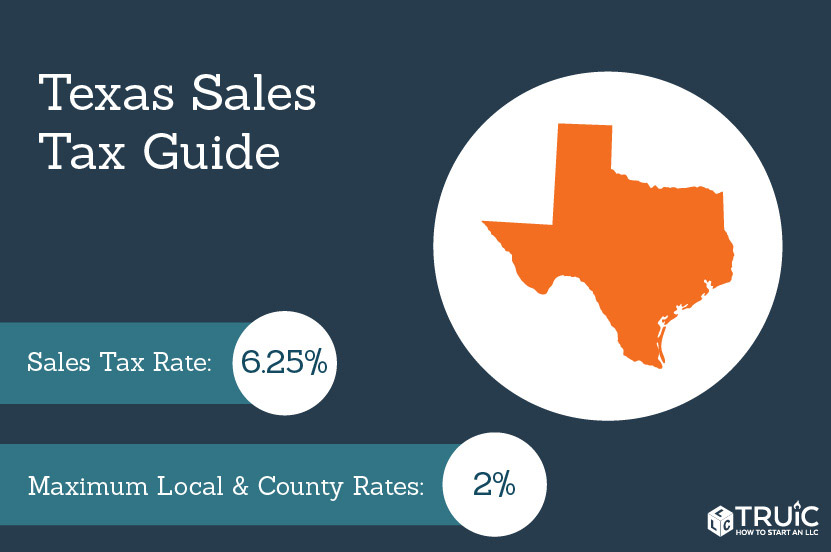
The state’s base sales tax rate is set at 6.25%. This rate applies to a wide range of goods and services across the state. However, it’s crucial to understand that this is just the foundation. Local jurisdictions, including cities, counties, and special districts, have the authority to impose their own additional sales taxes. These local add-ons can significantly increase the total sales tax rate in specific areas, leading to a varied tax burden depending on your precise location within Texas.
State vs. Local Taxation
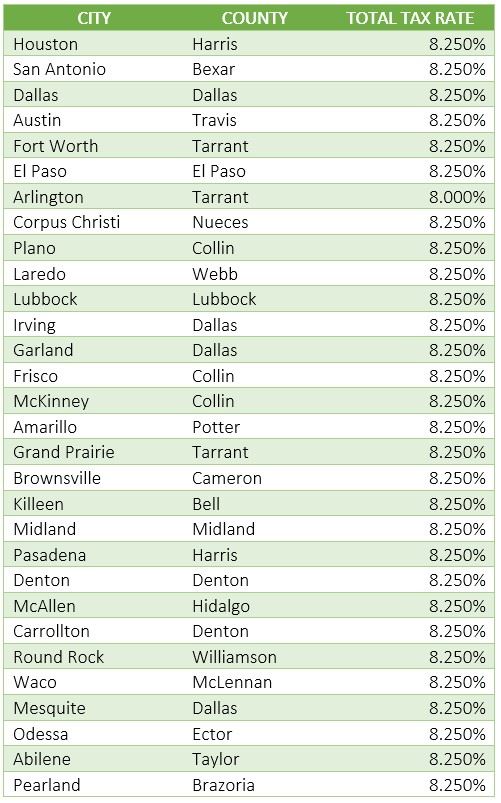
The distinction between state and local sales taxes is a critical point for any traveler. While the 6.25% state rate is uniform, the cumulative rate can climb substantially when local taxes are factored in. For instance, many larger metropolitan areas and popular tourist destinations levy additional taxes to fund local initiatives, infrastructure improvements, and public services that directly benefit their communities.
- Cities: Most Texas cities impose a municipal sales tax, which can range from 1% to over 2%.
- Counties: Counties can also levy a sales tax, typically for specific purposes such as road construction or law enforcement.
- Special Districts: In some areas, special districts, such as those for transportation or sports arenas, may also add their own sales tax.
This tiered system means that a purchase made in one Texas city might have a different total sales tax than the exact same item purchased in another. For example, a visitor exploring the bustling streets of Dallas might encounter a higher combined sales tax rate than someone browsing the shops in a smaller, less urbanized area. It is essential for travelers to be aware of these local variations to accurately budget for their spending.
What is Taxed and What is Exempt?
The scope of Texas sales tax is broad, covering a multitude of goods and services that travelers commonly encounter. Understanding these categories can help you anticipate expenses and make informed purchasing decisions.
Taxable Goods
Generally, all tangible personal property is subject to sales tax unless specifically exempted by law. This includes a wide array of items that a traveler might purchase, such as:
- Clothing and accessories
- Souvenirs and gifts
- Electronics and gadgets
- Home goods and furnishings
- Vehicles and watercraft
- Most prepared food and beverages
The tax is typically calculated at the point of sale. When you swipe your card or hand over cash for these items in a retail establishment, the sales tax is added to the final bill.
Taxable Services
In addition to tangible goods, Texas also imposes sales tax on a number of services. These can be particularly relevant to travelers, as they often relate to experiences and conveniences. Common taxable services include:
- Hotel and motel accommodations (lodging)
- Rental of tangible personal property
- Admissions to places of amusement, entertainment, or recreational facilities
- Repair and remodeling of tangible personal property
- Certain telecommunications services
- Personal services such as dry cleaning and laundry
It is worth noting that the definition of “prepared food” can sometimes be nuanced. For instance, food sold in restaurants or convenience stores is generally taxable, while groceries purchased for home consumption are typically exempt. This distinction is important for travelers who might be opting for a mix of dining out and self-catering during their stay.
Exemptions and Exclusions
While the reach of Texas sales tax is extensive, there are notable exemptions and exclusions that can reduce your tax burden. Understanding these can be a significant advantage for savvy travelers.
- Groceries: As mentioned, most staple grocery items intended for home consumption are exempt from state and local sales taxes. This applies to items purchased from supermarkets and grocery stores.
- Prescription Drugs and Medical Devices: Medications prescribed by a licensed practitioner and certain medical devices are generally exempt.
- Newspapers and Magazines: Most newspapers and periodicals are exempt from sales tax.
- Agricultural Items: Certain agricultural items and products used in farming are also exempt.
- Interstate Sales: Goods shipped out of state directly to a buyer in another state are generally not subject to Texas sales tax, provided certain conditions are met. This can be a significant consideration for those making large purchases and planning to transport them home.
- Certain Non-Profit Organizations: Purchases made by qualifying non-profit organizations may be exempt.
It is always advisable to inquire with the retailer if you are unsure about the taxability of a particular item or service, especially for specialized purchases or services. The Texas Comptroller of Public Accounts provides comprehensive information on taxability rules and exemptions.
Sales Tax on Accommodation and Tourism
For visitors, the most direct impact of Texas sales tax is often felt in the realm of accommodation and tourism-related activities. These expenses are a significant part of any travel budget, and understanding how they are taxed is crucial.
Hotel and Lodging Taxes
When you book a stay at a hotel, resort, or rental property in Texas, you will invariably encounter sales tax. The tax on lodging includes the state sales tax of 6.25% plus any applicable local taxes. These local taxes can vary considerably from one city to another, and often include a municipal hotel occupancy tax and a county hotel occupancy tax.
For example, a night at a luxury hotel in Houston might have a higher combined tax rate than a stay at a charming bed and breakfast in a smaller Texas town. These taxes help fund local tourism promotion efforts, infrastructure within the hospitality sector, and general city services that contribute to a positive visitor experience. When comparing hotel rates, always check the final price after taxes to get an accurate understanding of the total cost.
Admissions and Entertainment
Attractions, entertainment venues, and recreational activities are also subject to sales tax. This applies to:
- Theme Parks and Amusement Parks: Entrance fees to places like Six Flags Fiesta Texas in San Antonio will include sales tax.
- Museums and Cultural Institutions: While some non-profit museums may offer tax-exempt admissions, many cultural attractions will add sales tax to ticket prices.
- Sporting Events: Tickets to professional or collegiate sporting events will also typically be taxed.
- Concerts and Live Performances: The cost of attending concerts or other live performances will include sales tax.
- Recreational Activities: Fees for activities such as golf, bowling, or rentals for recreational equipment are usually taxable.
The specific tax rate for these attractions will depend on their location within Texas. It is a good practice to factor in approximately 8.25% to 10% for sales tax on admissions and entertainment, as this is a common range in many urban and tourist-heavy areas.
Planning Your Texas Budget: Tips for Travelers
With a clear understanding of Texas sales tax, travelers can better manage their finances and enjoy their visit without unexpected financial surprises.
Research Local Tax Rates
Before finalizing your travel plans, take some time to research the specific sales tax rates for the cities and regions you intend to visit. Websites of local government entities or the Texas Comptroller of Public Accounts can be valuable resources for this information. Knowing the combined rate will help you set a more accurate budget for shopping, dining, and entertainment.
Factor Tax into Purchase Decisions
When making significant purchases, whether it’s a piece of art in Austin or souvenirs from a trip to the Texas Hill Country, always remember to add the sales tax to the advertised price. This is particularly important for larger ticket items where the tax amount can be substantial.
Utilize Tax Exemptions Where Applicable
If you are purchasing items that you plan to ship out of state, confirm with the retailer about the conditions for interstate sales tax exemption. Similarly, if you are a student or part of a group visiting museums or attractions that qualify for tax exemptions, inquire about the necessary procedures to avail yourself of these savings.
Understand Food and Beverage Taxability
Be mindful of the distinction between taxable prepared foods and non-taxable grocery items. If you are looking to save money on meals, opting to buy groceries from a supermarket and prepare some of your own meals can offer considerable savings, especially for longer stays.
Consider the Overall Cost of Travel
While sales tax is a significant component, remember that it is just one part of the overall cost of travel in Texas. Transportation, accommodation, activities, and dining all contribute to your total expenses. By comprehensively understanding and budgeting for all these elements, including sales tax, you can ensure a financially sound and enjoyable trip to the vast and varied state of Texas. From the historic streets of Galveston to the modern marvels of Fort Worth, Texas offers a wealth of experiences, and a little financial foresight will make exploring it even more rewarding.
LifeOutOfTheBox is a participant in the Amazon Services LLC Associates Program, an affiliate advertising program designed to provide a means for sites to earn advertising fees by advertising and linking to Amazon.com. Amazon, the Amazon logo, AmazonSupply, and the AmazonSupply logo are trademarks of Amazon.com, Inc. or its affiliates. As an Amazon Associate we earn affiliate commissions from qualifying purchases.