
Navigating the fiscal landscape of any destination is a crucial aspect of planning any trip, whether for leisure or business. For those considering a journey to the Lone Star State, understanding its unique approach to taxation can significantly impact your travel budget and overall experience. Texas stands out among its peers for its distinct tax structure, notably the absence of a statewide income tax. This characteristic often makes it an attractive destination for individuals and businesses alike, influencing where people choose to live, invest, and, importantly for travelers, where they spend their money. This article delves into the specifics of state taxes in Texas, focusing on aspects most relevant to visitors and temporary residents, such as sales and property taxes, and how they might affect your travel plans.
The Absence of State Income Tax: A Texas Hallmark
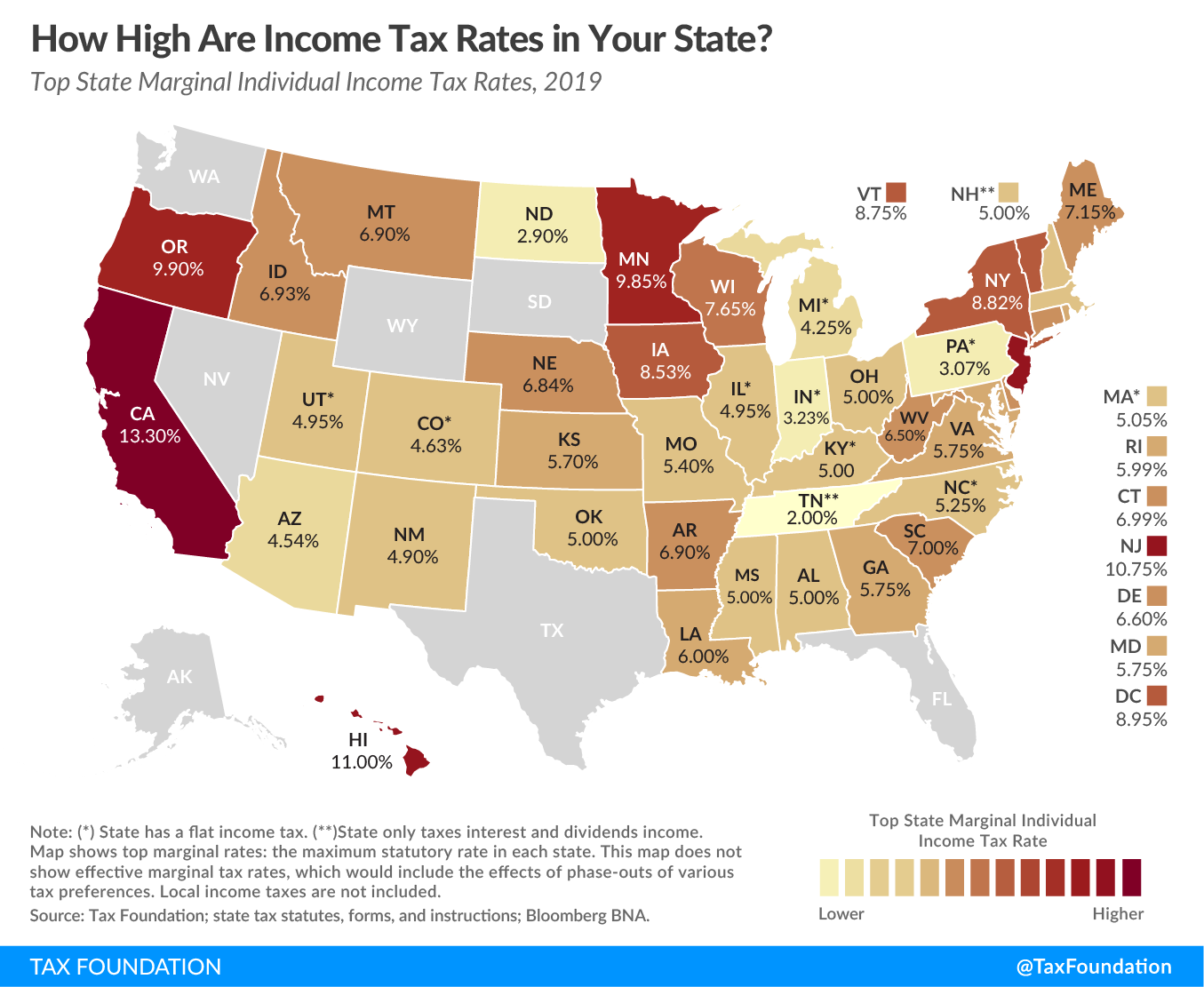
One of the most defining features of Texas’s tax system is its lack of a personal or corporate income tax. This policy is a significant draw and a fundamental reason why many relocate to the state. For travelers, this means that any income earned while in Texas, whether from a temporary work assignment or other ventures, will not be subject to state income tax. This contrasts sharply with many other U.S. states that levy income taxes, often at progressive rates.
Implications for Travelers
The absence of income tax doesn’t directly alter the day-to-day spending of a tourist in terms of immediate out-of-pocket expenses like hotel stays or dining. However, it contributes to the overall economic environment of Texas, which can indirectly influence prices and the availability of services and attractions. Moreover, for individuals considering longer stays, short-term work, or even a potential move, this tax advantage is a major consideration. It frees up more of an individual’s earnings for discretionary spending, which can be channeled into local economies through tourism, entertainment, and retail. This makes destinations like Austin, Dallas, Houston, and San Antonio potentially more appealing for those looking to maximize their disposable income during their visit.
Sales Tax: The Primary Revenue Generator
With no income tax to fund state services, Texas relies heavily on sales and property taxes. Sales tax is the most visible tax for travelers, affecting nearly every purchase made within the state. The Texas state sales and use tax rate is currently 6.25%. However, local jurisdictions, including cities and counties, are permitted to levy their own sales taxes, which are added to the state rate.
Understanding Combined Rates
The combined state and local sales tax rate can vary significantly depending on the specific location within Texas. The maximum allowed combined rate is 8.25%. This means that in some areas, you might pay up to 8.25% in sales tax on your purchases, while in others, the rate could be lower. For instance, a purchase made in a rural county might have a lower combined rate than one made in a major metropolitan area like Plano or Fort Worth.
Common Sales Tax Applications:
- Tangible Personal Property: This includes most goods you would purchase, from souvenirs and clothing to electronics and groceries (though some essential groceries are exempt).
- Services: Many services are also subject to sales tax. This can include hotel stays, car rentals, amusement park admissions, and even certain professional services.
- Hotels and Lodging: This is a particularly relevant tax for travelers. The combined state and local sales tax on hotel rooms in Texas typically falls within the 8-15% range, depending on the specific municipality and any special taxing districts. For example, a stay at a boutique hotel in Galveston might have a different tax burden than a resort in the Texas Hill Country.
- Car Rentals: Renting a vehicle for your exploration of Texas will also incur sales tax on the rental fee, adding to the overall cost.
- Restaurant Meals: Dining out is a popular tourist activity, and sales tax is applied to food and beverages purchased at restaurants.
Exemptions and Special Cases:
While sales tax is widespread, there are notable exemptions. Some essential food items, prescription medications, and certain agricultural products are exempt from state sales tax. Texas also offers specific sales tax holidays, such as the annual back-to-school sales tax holiday, which allows shoppers to purchase qualifying clothing and school supplies tax-free. For travelers, understanding these exemptions can lead to minor savings, especially on longer trips involving grocery purchases.
Property Tax: A Local Affair with Broader Impact
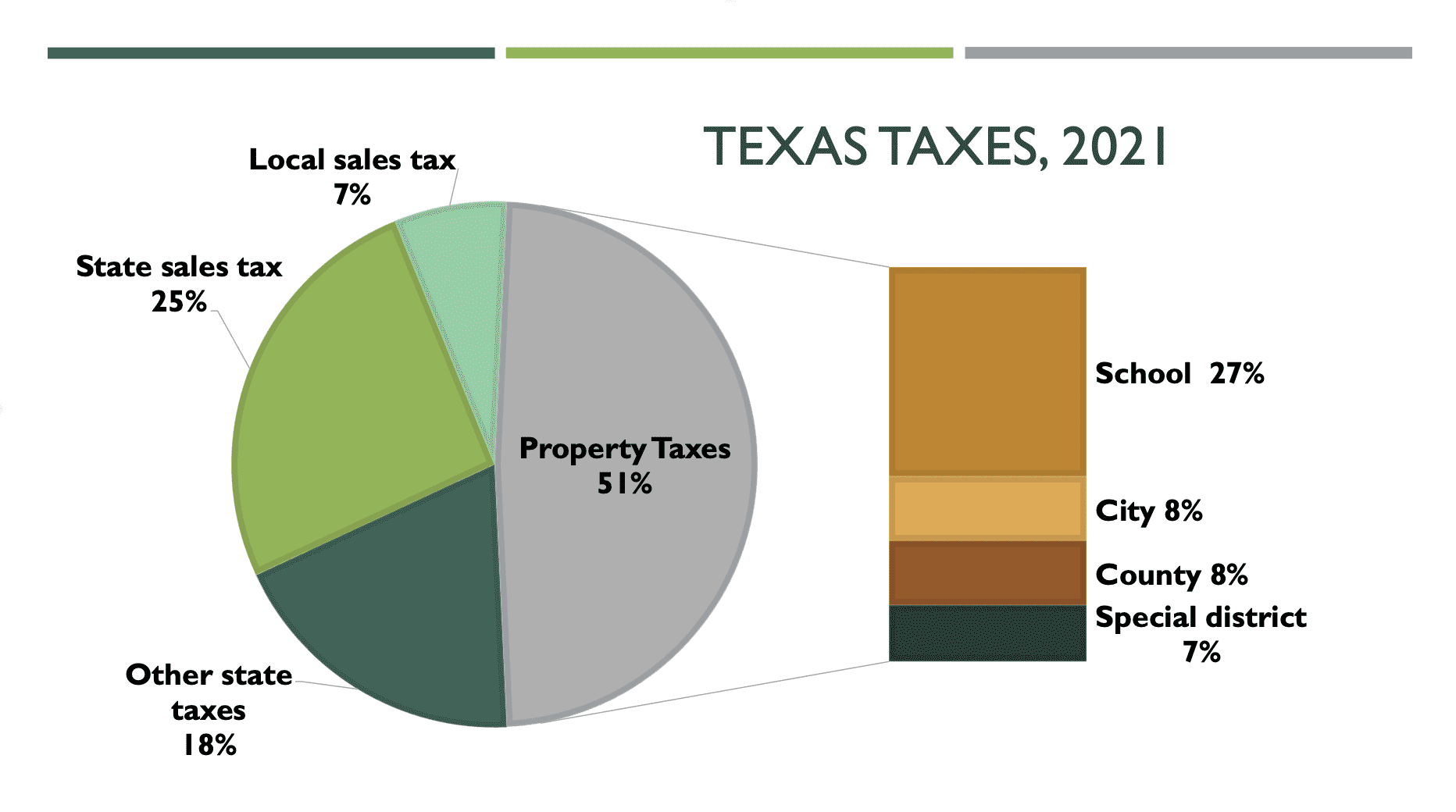
Although property tax is primarily a concern for homeowners and property owners, it plays a significant role in the Texas economy and indirectly affects travelers. Property taxes in Texas are local taxes, levied by counties, cities, school districts, and special districts like hospital or water districts. There is no statewide property tax. These local entities set their own tax rates, known as millage rates, based on the assessed value of properties within their jurisdiction.
How Property Taxes Affect Travelers
While you won’t directly pay property tax on a short hotel stay, the taxes paid by property owners, including hotels, resorts, and businesses that provide tourist services, are factored into their operating costs. These costs are often passed on to consumers in the form of higher prices for goods and services, including accommodation, dining, and attraction tickets. Therefore, areas with higher property tax rates might see slightly higher prices for tourist-related expenses.
Key Aspects of Texas Property Tax:
- Local Control: Each taxing unit in Texas has the authority to levy property taxes, leading to wide variations in rates across the state.
- Homeowner Exemptions: Texas offers homestead exemptions that can reduce the taxable value of a primary residence, providing some relief to homeowners.
- Agricultural and Timber Land Exemptions: Land used for agricultural or timber production may qualify for special appraisal methods that result in lower property taxes.
For travelers, understanding that property taxes are a substantial source of local funding can provide context for the pricing of various services. For instance, a popular tourist destination with extensive public services and infrastructure, funded in part by property taxes, might have a slightly higher cost of living and, consequently, higher prices for services consumed by visitors.
Other Taxes and Fees Relevant to Travel
Beyond sales and property taxes, Texas imposes other fees and taxes that can impact the travel experience.
Motor Vehicle Taxes and Fees
- Vehicle Registration: If you are driving your own vehicle into Texas or renting one, you’ll encounter vehicle registration fees. While these are generally not applicable to short-term tourists unless they are bringing their own vehicle for an extended period, they are a part of the state’s revenue.
- Gasoline Taxes: Like most states, Texas levies taxes on gasoline. This tax is included in the price you pay at the pump and affects the cost of road trips across the vast state.
Hotel Occupancy Tax (HOT)
In addition to state and local sales taxes, Texas imposes a Hotel Occupancy Tax (HOT) on lodging establishments. This tax is levied on the price paid for rooms in hotels, motels, and other similar accommodations. The state rate for HOT is 6%, and local governments can impose their own HOT rates, typically up to 2%, for a combined rate that can reach 8% in many tourist-centric areas. However, some cities may have higher rates due to special taxing districts or municipal bonds, bringing the total occupancy tax even higher. The HOT is specifically designed to fund local tourism promotion and development efforts, making it a direct contributor to the very industry that many visitors engage with.
Franchise Tax
While not directly experienced by most tourists, the Texas Franchise Tax is a significant revenue source for the state. It is imposed on certain business entities for the privilege of doing business in Texas. This tax is based on a business’s taxable margin and can influence the overall cost of doing business for companies operating in the state, including those in the hospitality and tourism sectors. Businesses that are subject to the franchise tax may incorporate these costs into their pricing strategies.
Conclusion: Navigating Texas Taxes as a Traveler
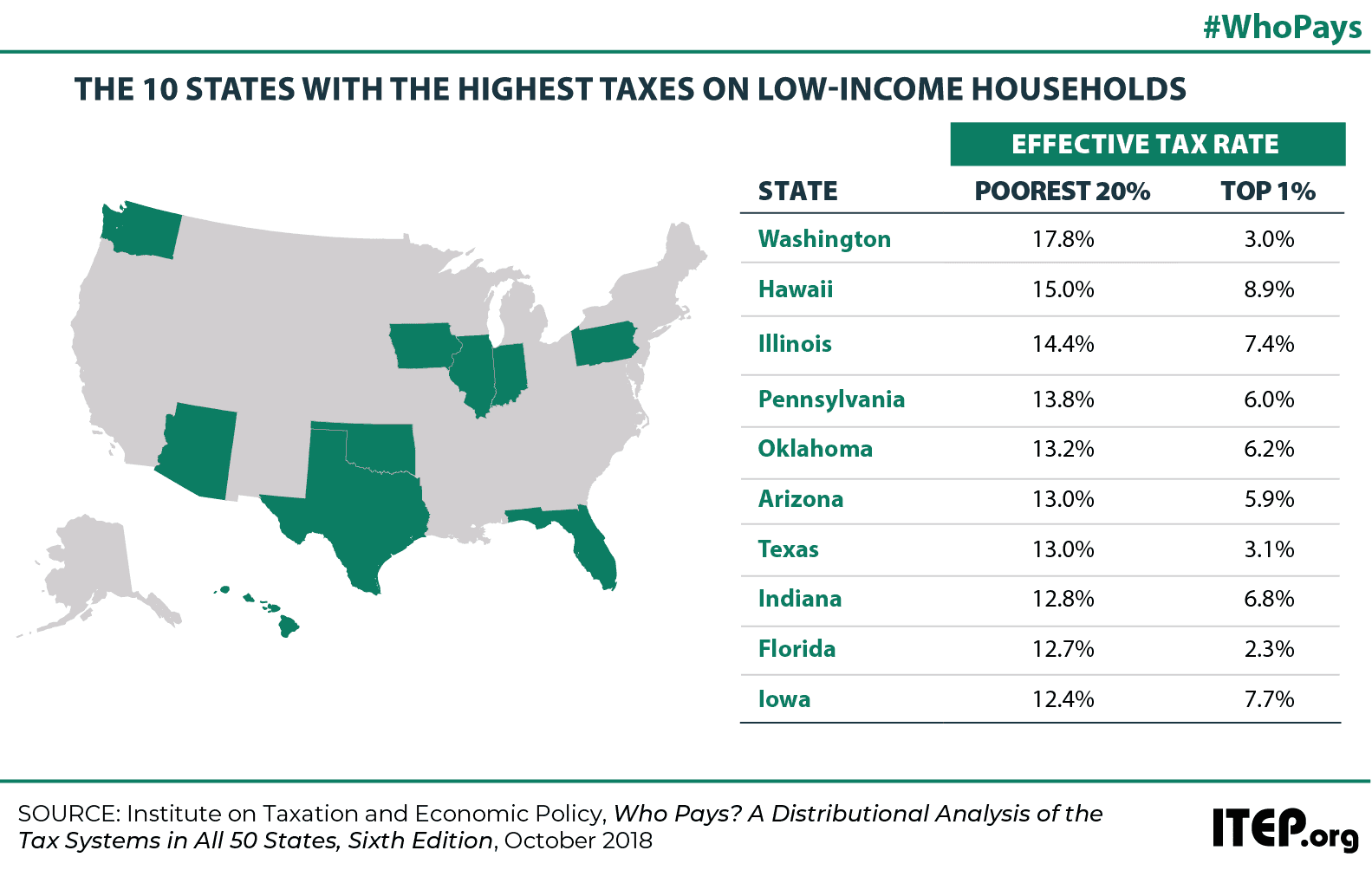
Texas’s tax structure, characterized by the absence of a state income tax and a reliance on sales and property taxes, presents a unique fiscal environment for visitors. While the lack of income tax offers a broad economic advantage, the tangible impact on travelers comes primarily through sales taxes, particularly on goods, services, and lodging. The variability of combined sales tax rates across different municipalities means that the cost of shopping, dining, and accommodation can differ depending on your specific destination within the state. Furthermore, the Hotel Occupancy Tax directly contributes to the funding of tourism initiatives, making it a crucial component of the state’s strategy to attract and welcome visitors. By understanding these tax implications, travelers can better budget for their trips and make informed decisions about where to spend their time and money in the diverse and dynamic state of Texas. From the vibrant nightlife of Austin to the historical charm of San Antonio and the bustling metropolises of Dallas and Houston, being aware of these fiscal elements enhances the overall travel planning and execution.
LifeOutOfTheBox is a participant in the Amazon Services LLC Associates Program, an affiliate advertising program designed to provide a means for sites to earn advertising fees by advertising and linking to Amazon.com. Amazon, the Amazon logo, AmazonSupply, and the AmazonSupply logo are trademarks of Amazon.com, Inc. or its affiliates. As an Amazon Associate we earn affiliate commissions from qualifying purchases.